WHY SLOW FLOW IS MY WAY TO GO

slow flow

There are so many ways to practice and enjoy yoga. Knowing what you like and wish to get out of it is key to creating a practice that you not only love but will continue to do.

That’s why slow flow is totally my jam – as a student and as a teacher!

What is slow flow? It is a Vinyasa style, but rather than going breath to movement on every posture or even most postures, you spend a little more time on holds. That usually translates to 3-5 breaths on more than 50% of the postures.

This is why I love it:

Time to master a posture your way

While it is true that we are basically constructed the same way, we each deal with many little nuances, deviations, injuries, and even limb lengths. Some of us might be working through a shoulder injury. Perhaps you have wide-set hips. Maybe you are a little knock-kneed or bowl-legged. Maybe you are tall – but do you have long legs and a short torso or short legs but a long torso?

Pretty quickly you can see how these structural differences affect your everyday life. Well, your yoga practice is no different.

The challenge I have with a fast-paced Vinyasa practice is that there is not a lot of time to figure out how to get into/out of or adapt a posture for your unique circumstances. The amount of time needed to move my short legs is going to be less than my longer-legged friends.

If I have a hip issue (which, as many of you know, I do) then half-moon is going to need some adaptation to get my hip to rotate.

The problem is, if we are just zipping through the class, we don’t get much opportunity to make those adaptations, try some different variants, or even do something else altogether that still keeps us in the flow.

The result tends to be unhealthy compromises in form, frustration with awkward positions or being left behind, and just plain feeling blah about the whole thing.

On the flip side, if we are taking 3-5 breaths in numerous postures, you have time to tweak it to fit your body or even just do something else that fits into the flow. To me, this means you have a chance to make the session your own.

Slow flow lets you get into your props

I am a big believer in using your props!

BLOCKS bring the ground closer to you.

STRAPS make your arms longer.

BOLSTERS allow you to feel supported.

These additional pieces of equipment are huge in keeping you safe while you expand your practice. One of the big reasons why people say they can’t do yoga is that they aren’t flexible enough.
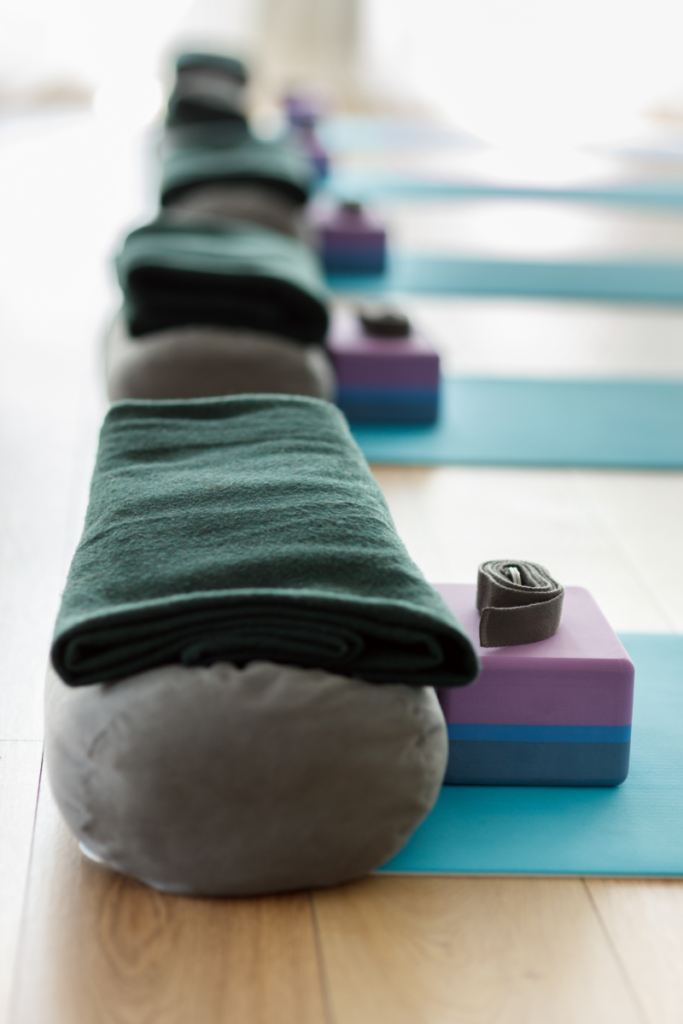
That is why you use props! They give you the support you need to accomplish a posture without sacrificing your form. Props allow you the opportunity to begin to increase your flexibility, mobility, and strength while keeping you safe.

They meet you where you are and support you in getting where you want to go.

However, if we are moving in a fast-paced environment you will not have much time to get your props out and use them.

So what tends to happen is that form begins to get compromised and the potential for injury goes up. Not to mention a general lack of progress in the areas of flexibility and mobility!

This is especially challenging if you are new(er) to yoga and trying to make some gains in these areas. While it is true that you can practice this at home, realistically, many people attend classes and don’t always spend a lot of time practicing outside the class environment, especially when they are new!

Give yourself a crack at the toughest part of yoga – your mind!
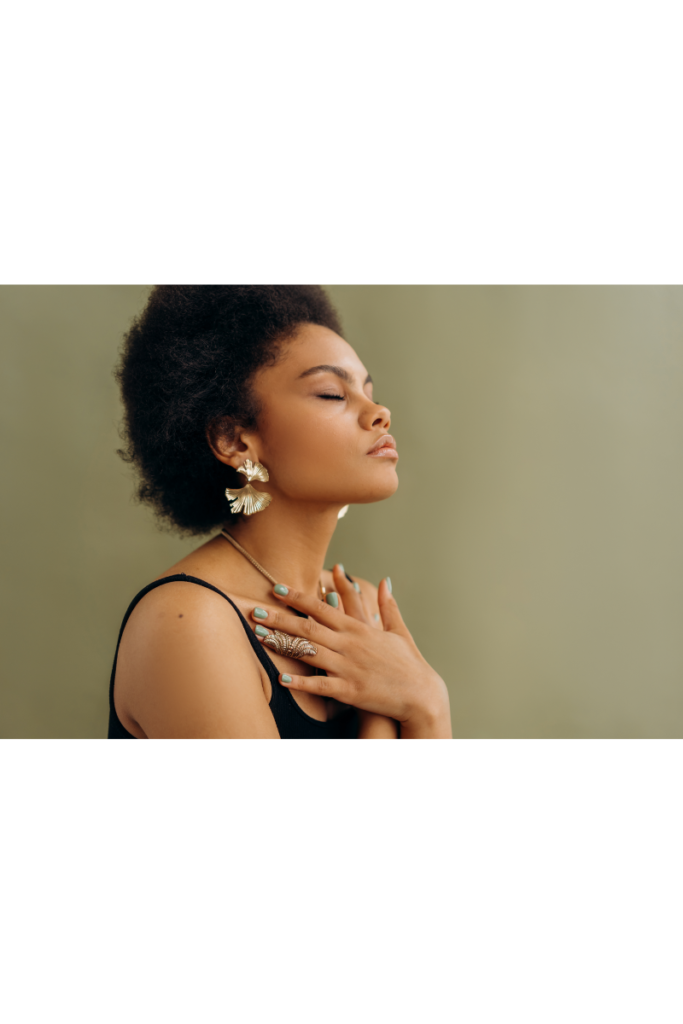
This may just be a “me” thing, but the hardest part of a yoga practice/class is not the physical asanas. It’s the mental act of slowing, calming, and quieting the mind.

We are in a constant state of doing, especially in the U.S. Being, allowing ourselves to slow down, learning to see our thoughts and realize that they come and go, this is actually tough stuff for many of us.

Meditation is a great place to practice the art of simply being. Yoga is a moving meditation. If you let it, it can help you find a balance between movement – doing – and being. Yoga lets you practice observing thoughts and understanding that you are not your thoughts.

“I cannot possibly hold this position another second” but then you do. “My balance sucks” except there you are, standing on one leg and NOT falling over (at least not right away!).

Our minds are telling us crap basically all. day. long. Yoga helps us practice the art of seeing the crap and letting it go so we can get down to the reality of that moment.

As a teacher, I can accommodate more levels with slow flow

I teach in multi-level environments. I don’t really even like to say “levels” because, to me, yoga is all one level with many variations. But for the sake of this article, I will use the word levels since we have an understanding of what that looks like.

Let’s say I ask everyone to move into a Forward Fold. Some people may wish to take Rag Doll so they feel more support for their back. Others may do a Half-Way Lift to accommodate their flexibility. Still others may go into a Headstand if that is part of their practice.

If we are moving at a quick pace, there will not be time for some of those variations, or even time for me to suggest some of the variations.

In a situation where people with different backgrounds are coming into the same class, slowing down let’s me allow them to practice in the way they want to.

At the end of the day, your practice is your own. As a teacher, I am providing a map but the students are taking the journey.

All approaches are welcome!

In conclusion, I want to be clear on one thing: this is why I love slow flow. Others may have different reasons for loving it. Still others may dislike this kind of practice.

And it’s all good.

The thing I continue to marvel at about yoga is that it really is for everyone. The way you choose to practice is up to you. Perhaps you like even longer holds. Maybe going at a fast pace, one breath to each movement is your first love. You may like to focus on strength. Or a specific series of postures.

There are just as many ways to practice as there are people.

You do you, BooBoo!

laylo yoga and wellness

P.S. Let’s be besties!! Follow us on InstagramFacebookYouTube, and Pinterest, and join the LAYLO Shala to get the latest news and insider goodies ?
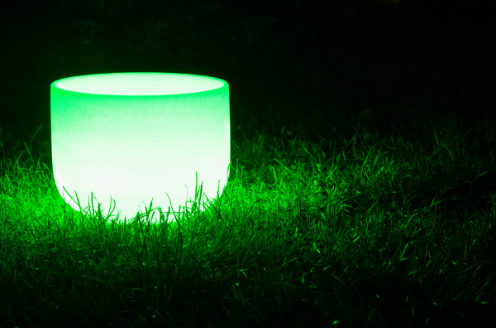
SOUND BATH SCIENCE

As the doors to our Vino & Vinyasa Retreat have opened, one of the first things people have questions about is the sound bath that is part of the retreat.

Sound baths, a unique experience gaining popularity for its potential to enhance well-being, is not a new practice. In fact sound has been used for centuries to move people, to soothe them, to stir them up, and even to irritate them!

Sound baths have a solid foundation in science. As we have learned more about how our brains work, we have been able to acutally observe the powerful effect that the sound bath can have on us. While you can check it out on YouTube, the best way to understand it is to experience it. But first, let’s explore the scientific aspects that make this practice more than just a melodic meditation.

What is a Sound Bath?

Imagine immersing yourself in a cocoon of soothing sounds, created by various instruments that may include singing bowls, gongs, and even tuning forks. That’s essentially what a sound bath entails – a therapeutic session where vibrations wash over you. The result is a calming and immersive auditory experience.

The Science of Vibration:

Now, let’s get down to why sound baths work. At the core of this practice is the science of vibration. Every instrument used in a sound bath produces vibrations that travel through the air and water, impacting the body at a cellular level. These vibrations can stimulate a relaxation response, helping to reduce stress and promote a sense of tranquility.

Brainwave Entrainment

One of the key scientific principles behind sound baths is brainwave entrainment. Our brains naturally synchronize with external stimuli, such as rhythmic sounds. The gentle, repetitive tones in a sound bath can guide your brainwaves into a more relaxed state. For some it is a similar feeling to the peacefulness experienced during meditation or deep relaxation exercises.

Binaural Beats Unveiled

Enter binaural beats, the unsung heroes of the sound bath experience. Binaural beats are the result of two slightly different frequencies played in each ear. This creates a third frequency, the binaural beat, perceived by the brain. Studies suggest that exposure to these beats can influence brainwave patterns, potentially inducing states of relaxation or focus.

The Brain’s Symphony

Our brains are complex orchestras of electrical activity, producing different types of brainwaves depending on our mental state. Binaural beats, when calibrated correctly, are thought to encourage the brain to synchronize with the desired frequency, leading to a range of effects from enhanced meditation to improved sleep.

Stress Reduction and Cortisol Levels

In our fast-paced lives, stress is a common companion. The soothing sounds of a sound bath can help activate the parasympathetic nervous system, the “rest and digest” response. This activation promotes a decrease in heart rate, blood pressure, and cortisol levels – the notorious stress hormone.

Enhanced Mindfulness and Focus

Regular sound bath sessions may contribute to improved mindfulness and focus. As you immerse yourself in the harmonious sounds, the external distractions fade away. This may allow your mind to achieve a state of heightened awareness. This increased mindfulness can positively impact your ability to concentrate and remain present in the moment.

The Physical Benefits of a Sound Bath

Beyond the mental and emotional benefits, sound baths may have a positive effect on the physical body. Some enthusiasts report relief from tension, improved sleep, and a general sense of rejuvenation after a session. While individual experiences may vary, the overall impact on well-being is worth exploring.

This is just a brief glimpse into the scientific underpinnings of sound baths. Regardless of where you are on your wellness journey, incorporating sound baths might be the key to unlocking a more relaxed and balanced you. Give it a try, and let the vibrations guide you on your path to well-being.

laylo yoga and wellness

You don’t have to choose between success and well-being. Step away from the chaos, reset your mind and body, and realign with what truly matters. Our wellness retreats, online courses, and free resources give you the space to breathe, reflect, and design a life that feels fulfilling—without guilt, without compromise.

Be the first to know about upcoming retreats—join the info list for dates and details.

Let’s stay connected! Follow us on Instagram, Facebook, YouTube, LinkedIn, and Pinterest, and join the LAYLO Shala for exclusive updates and insights.

DIGITAL DETOX AND MINDFUL LIVING IN THE DIGITAL AGE

digital detox

In our fast-paced, digital-driven world, finding moments of tranquility and mindfulness can be a challenge.

On the one hand, the digital landscape offers unprecedented opportunities for networking, productivity, and advancement. However, the line between connectivity and digital addiction can be thin, and the repercussions on personal well-being are significant.

Nonstop connectivity to our screens poses a myriad of dangers for people aiming to excel in their careers. The constant barrage of emails, notifications, and social media updates can lead to heightened stress levels, anxiety, and burnout. As career demands intensify, the temptation to stay plugged in 24/7 becomes more pronounced, jeopardizing not only mental health but also hindering the ability to unwind and recharge.

Detaching from email, text, video games, TV, smartphones, tablets, laptops, and computers periodically allows us to regain control over our lives, fostering a healthier work-life balance.

Finding that balance in our lives is more crucial to our well-being than ever before. Let’s explore the concept of digital detox and how incorporating mindfulness into our daily routines can lead to a more fulfilling and peaceful existence.

The Digital Dilemma

In an era dominated by smartphones, social media, and constant connectivity, it’s easy to become ensnared in the web of digital distractions. While technology has undoubtedly brought convenience and efficiency into our lives, it has also given rise to a new form of addiction—digital addiction. The incessant notifications, endless scrolling, and constant exposure to screens can take a toll on our mental and physical well-being.

The Need for Digital Detox

A digital detox involves consciously and temporarily disconnecting from digital devices to recalibrate and recenter ourselves. As a yoga student, you can think of it as a mental and emotional savasana—a conscious pause to rejuvenate the mind and soul. Here are some practical steps to initiate a digital detox:

1. Set Boundaries:

Establish specific times during the day when you’ll be device-free. This could be during meals, before bedtime, or during your yoga practice. Create sacred spaces where screens are not allowed.

2. Unplug from Social Media:

Consider taking a break from social media platforms. The constant comparison and information overload can contribute to stress and anxiety. Use this time to connect with real-life experiences and relationships.

3. Tech-Free Retreats:

Participate in tech-free retreats where individuals can immerse themselves in yoga, meditation, and nature without the interference of digital devices. This can be a transformative experience, fostering a deeper connection with oneself and others.

  • Mindful Technology Usage Workshops: A digital detox yoga retreat can incorporate workshops on mindful technology usage, empowering participants to establish healthy boundaries in their digital lives.
  • Yoga and Meditation Practices: Engaging in yoga and meditation sessions can help people develop mindfulness skills, allowing them to be present in the moment and reduce reliance on digital distractions.
  • Nature Immersion: Many yoga retreats are set in serene natural environments, offering a break from the digital hustle. Connecting with nature has been proven to reduce stress and promote overall well-being.
  • Community Support: Participating in a yoga retreat fosters a sense of community. Sharing experiences and challenges related to digital detox with like-minded individuals creates a supportive network that extends beyond the retreat.

How Do I Know If I Need a Break?

You may be experiencing the need to back off from tech in a more vague way – feeling overwhelmed or anxious after checking social media. Perhaps realizing you are picking up your phone every few minutes “just to check in”. Or maybe you feel a sense of panic at the thought leaving your phone behind.

Anytime you are looking to remove or limit something in your life, you need to replace it with something else, something more positive and with greater reward. If not, your brain wants to slip back into its familiar patterns.

Nature hates a vacuum!

The Rewards Are Many!

Turn your focus on how you will feel by limiting your digital usage:

  • Improved Mental Health: Constant exposure to screens has been linked to increased stress and anxiety. A digital detox provides an opportunity to reset, reduce mental clutter, and promote overall well-being.
  • Enhanced Productivity: Paradoxically, excessive digital engagement can diminish productivity. Unplugging allows for increased focus and concentration, enabling women to approach tasks with renewed energy and efficiency.
  • Strengthened Relationships: Building and maintaining meaningful connections with friends, family, and colleagues requires genuine, offline interactions. A digital detox allows people to invest time in nurturing these relationships, fostering a sense of connection and support.
  • Increased Creativity: Continuous exposure to digital stimuli can stifle creativity. Stepping away from screens encourages the mind to wander, fostering new ideas and perspectives that might be overlooked in the constant buzz of digital engagement.
  • Better Sleep: Turning off electronic devices a few hours before bed can dramatically improve your ability to fall asleep and have quality sleep.
  • More Time: Less time buried in your screen gives you back time during the day for the things that light you up! Maybe you love to paint, hike, read, cook – whatever makes you happy. Time away from your devices can deepen your joy and satisfaction in life. You can reinvest that time in the things that are about YOU.

Mindful Living in the Digital Age

Mindfulness is at the heart of yoga philosophy, and bringing this awareness into our digital lives can have profound effects. Here’s how you can infuse mindfulness into your daily routine:

1. Conscious Consumption:

Be mindful of the content you consume online. Choose information that uplifts and inspires rather than drains your energy. Unfollow accounts that promote negativity.

2. Tech-Free Yoga Practice:

Designate a specific space for your yoga practice that is free from digital distractions. This sacred space will allow you to immerse yourself fully in the present moment, enhancing the benefits of your practice.

3. Digital Mindfulness Techniques:

Incorporate mindfulness techniques into your digital activities. Practice conscious breathing while responding to emails or take short breaks for mindful stretches during prolonged screen time.

Your Wellbeing Matters!

I encourage you to embrace the concept of digital detox and mindful living. By finding a balance between the digital world and the present moment, we can cultivate a more harmonious and fulfilling life.

Remember, it’s not about completely shunning technology but about using it consciously to enhance, rather than detract from, our overall well-being. So, unplug, unwind, and embark on a journey of digital detox and mindful living—one breath at a time.

You don’t have to choose between success and well-being. Step away from the chaos, reset your mind and body, and realign with what truly matters. Our wellness retreats, online courses, and free resources give you the space to breathe, reflect, and design a life that feels fulfilling—without guilt, without compromise.

Be the first to know about upcoming retreats—join the info list for dates and details.

Let’s stay connected! Follow us on Instagram, Facebook, YouTube, LinkedIn, and Pinterest, and join the LAYLO Shala for exclusive updates and insights.

THE POWER OF A ONE DAY WELLNESS RETREAT

In the hustle and bustle of our daily lives, it’s easy to forget to take a moment for ourselves. We are constantly juggling work, family, and countless responsibilities, often neglecting our well-being.

The truth is, we all need a break, a chance to recharge and refocus, regardless of our age.

That’s where a one-day yoga retreat comes into play. It’s the perfect opportunity to step away from the chaos and immerse yourself in a day of self-care, mindfulness, and rejuvenation.

How a one day yoga retreat can help

Reconnect with yourself

Life’s demands can pull us in various directions, leaving us feeling disconnected from our inner selves. A one-day yoga retreat offers a valuable opportunity to reconnect with your mind, body, and spirit.

Through a series of yoga sessions, meditation, and mindful practices, you can rediscover balance within you.

Release stress and tension

Stress is a constant companion in today’s fast-paced world. A yoga retreat provides a serene environment where you can leave the worries of everyday life behind. The practice of yoga and meditation helps release built-up tension, promoting relaxation and mental clarity.

Enhance physical well-being

Yoga is a powerful tool for improving physical health. During your one-day retreat, you’ll engage in yoga poses that can increase flexibility, strength, and balance. These practices benefit people of all ages by promoting overall well-being and helping to maintain a healthy body.

Nourish your mind

Mental well-being is just as important as physical health. Through guided meditation and mindfulness exercises, a yoga retreat allows you to nourish your mind. It helps reduce anxiety, improve focus, and cultivate a positive outlook on life.

Connect with like-minded people

One of the beautiful aspects of a one-day yoga retreat is the opportunity to connect with other people who share a passion for health and well-being. It’s a supportive environment where you can make new friends and share experiences.

Take a day for yourself

In our busy lives, we often put the needs of others before our own. A one-day yoga retreat is a way to prioritize self-care. By dedicating a day to yourself, you send a powerful message that your well-being matters.

Vino & Vinyasa – more than class and sip!

While we may not always acknowledge it, we all need a break to rejuvenate and reconnect with our inner selves. A one-day yoga retreat provides the perfect opportunity to do just that, without the need for a lengthy commitment. It’s a day dedicated to self-care, stress relief, physical well-being, and personal growth, and it’s something everyone can benefit from, regardless of age.

Vino & Vinyasa is that “push pause” button on your crazy life. 2 yoga classes for all abilities, a full wine flight tasting, delicious charcuterie, connection with community, sound bath experience, and your own yogi swag bag!

So, take the plunge and give yourself the gift of a one-day yoga retreat. Your body, mind, and spirit will thank you.

You don’t have to choose between success and well-being. Step away from the chaos, reset your mind and body, and realign with what truly matters. Our wellness retreats, online courses, and free resources give you the space to breathe, reflect, and design a life that feels fulfilling—without guilt, without compromise.

Be the first to know about upcoming retreats—join the info list for dates and details.

Let’s stay connected! Follow us on Instagram, Facebook, YouTube, LinkedIn, and Pinterest, and join the LAYLO Shala for exclusive updates and insights.