Friendship, when authentic, serves as a powerful foundation for emotional wellbeing and connection.
But not all friendships nourish us equally. Some simply skim the surface, while others anchor us with deep trust and mutual care.
For women navigating life after 40, the ability to distinguish between these two types becomes even more essential.
At this stage in life, it’s common to reassess old bonds and question new ones. This moment of evaluation isn’t just natural; it’s vital. As social structures shift—children leave home, careers evolve, priorities realign—so too should the friendships that sustain us.
The Cost of Superficial Bonds
A growing body of research confirms what many intuitively know: friendships that lack depth can leave us emotionally depleted. According to a study published in Personal Relationships, adults who report low-quality friendships show higher levels of stress and lower satisfaction with life. Furthermore, data from the American Psychological Association links poor social support to increased risk of cardiovascular disease and cognitive decline.
One might recognize this in friendships that feel one-sided, where conversations rarely move beyond pleasantries, or where support is conditional. These connections, while perhaps consistent in presence, may not provide the emotional depth needed to thrive.
Superficial friendships often come with subtle signs—cancelled plans without follow-up, discomfort in expressing deeper emotions, or an unspoken sense of competition rather than camaraderie. Over time, these dynamics take a toll. Emotional labor increases without a matching return in connection, leaving one to wonder if the effort is worth the investment.
Markers of a True Friendship
True friendship is characterized by emotional availability, mutual respect, and reliability. These relationships often feature:
- Unfiltered conversation: There is ease in discussing both joy and vulnerability.
- Reciprocal support: Help and encouragement flow in both directions.
- Personal growth: The friendship encourages and celebrates change.
- Conflict resolution: Disagreements are handled with maturity, not avoidance.
In nourishing friendships, one feels seen, not simply included. Trust develops without pretense, and there is freedom to show up fully without performance. These relationships also grow with us. They adapt through life transitions, whether joyful or challenging, and offer a safe space to reflect and recalibrate.
Why It Matters More After 40
By midlife, emotional energy becomes a premium resource. The desire to invest in meaningful relationships grows stronger, but so does the discernment of where not to spend it. According to Harvard’s long-running Study of Adult Development, strong relationships are the most significant predictor of a satisfying and healthy later life. As we age, the quality—not the quantity—of our social ties matters most.
This means prioritizing connections that truly contribute to emotional resilience. It also means letting go of the cultural conditioning that equates longevity of a friendship with its health.
How to Assess Your Friendships
Begin with reflection. Ask:
- Do I feel energized or drained after spending time with this person?
- Is there space for mutual honesty?
- Can I count on them in times of need?
The answers help reveal whether a connection is sustaining or superficial.
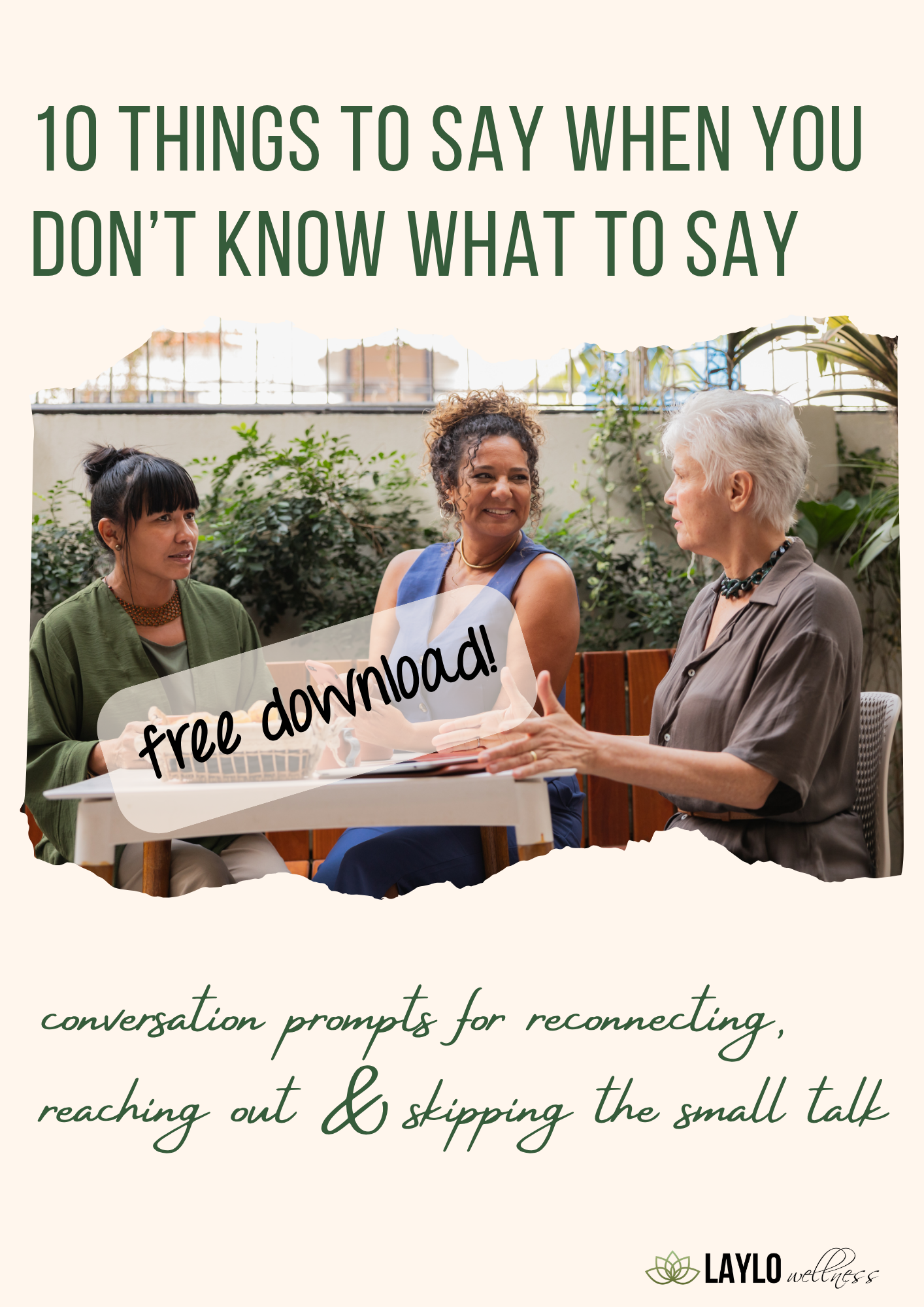
It’s also helpful to deepen conversations with those friendships that show potential. Here, a structured guide like the Connection Conversation Starters becomes invaluable. These tools provide thoughtful prompts that help bypass small talk and encourage more meaningful dialogue.
Creating Space for New Bonds
Recognizing a true friendship doesn’t just mean identifying what exists—it also involves creating space for what could be.
Sometimes, it’s necessary to outgrow certain relationships. This isn’t failure; it’s evolution.

Intentional connections, cultivated with care, are always within reach. Tools that invite depth and authenticity can serve as catalysts. For instance, using curated conversation prompts allows early insight into compatibility and shared emotional interests.
Forming new friendships in midlife requires different strategies than in earlier decades. Shared values and intentional engagement often take precedence over proximity or shared routines. Investing in community experiences, such as workshops or retreats, can open doors to new meaningful connections.
Closing the Gap Between Desire and Connection
True friendships don’t happen by chance. They are built through presence, vulnerability, and consistency. The journey toward deeper relationships begins with clarity about what matters and a willingness to pursue it with intentionality.
As a thought leader in social wellness, I believe that fostering genuine connection requires more than goodwill—it requires tools, reflection, and courage. With the Connection Conversation Starters, it’s possible to begin transforming acquaintances into allies, and casual chats into cornerstone conversations.
Because friendship should never just be familiar. It should be fulfilling.

You don’t have to choose between success and well-being. Step away from the chaos, reset your mind and body, and realign with what truly matters. Our wellness retreats, online courses, and free resources give you the space to breathe, reflect, and design a life that feels fulfilling—without guilt, without compromise.
Be the first to know about upcoming retreats—join the info list for dates and details.
Let’s stay connected! Follow us on Instagram, Facebook, YouTube, LinkedIn, and Pinterest, and join the LAYLO Shala for exclusive updates and insights.