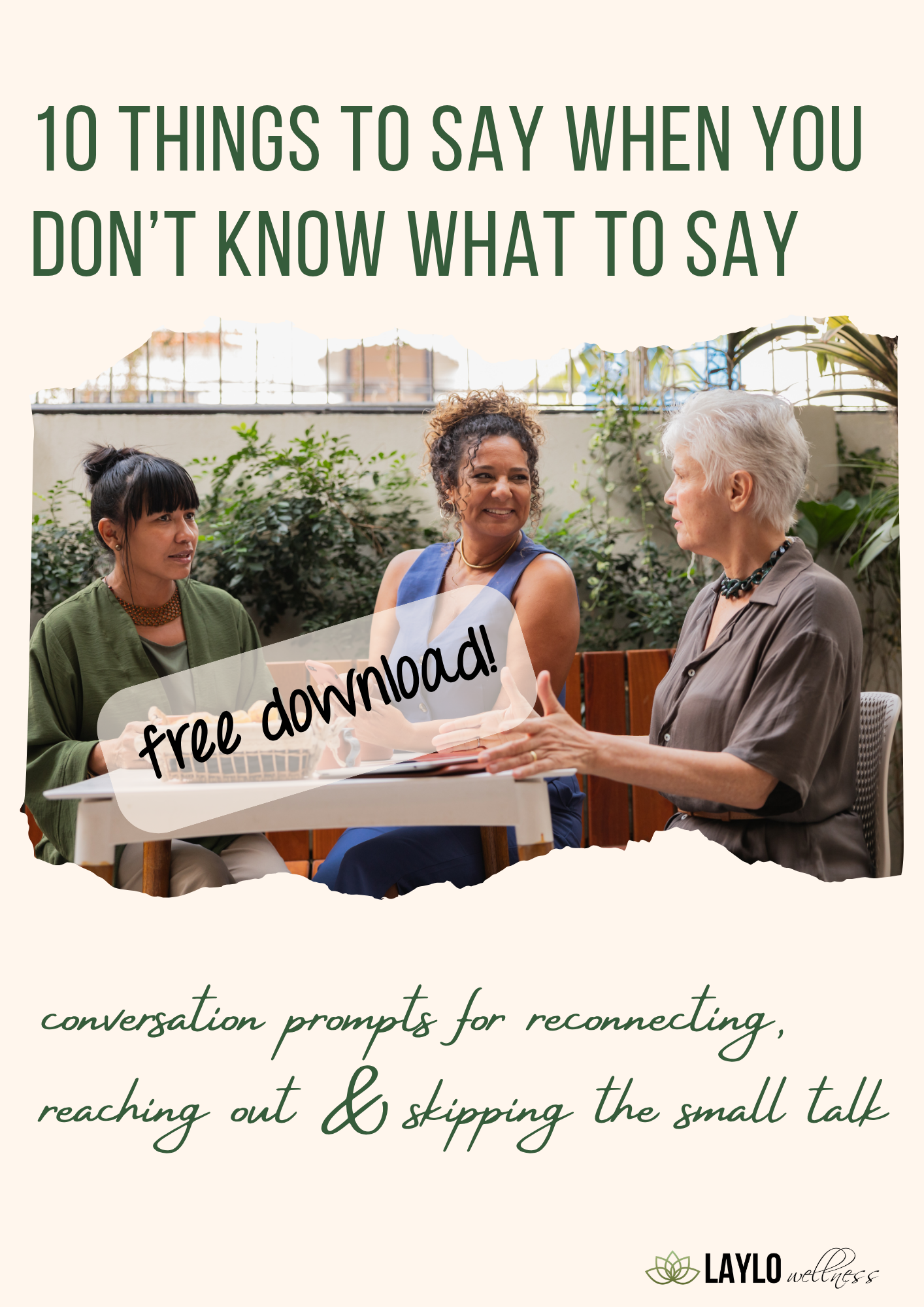
That feeling of disconnection, that lack of a meaningful support network, affects more than just your daily mood.
It carries long-term consequences for your mental, physical, and emotional health. These effects often build quietly over time, showing up in ways that are easy to dismiss—until they’re not.
Shifting Social Landscapes
After 40, relationships often shift. Professional roles, caregiving responsibilities, and personal transitions can displace long-standing friendships. Even the most socially engaged individuals may find themselves without a consistent, dependable connection. This growing disconnection is not just a passing phase—it’s a health issue.
Mental Health Consequences
Research has made this clear. A 2023 study in the Journal of Health and Social Behavior found that adults with limited social ties had a 30 percent higher likelihood of developing symptoms associated with clinical depression. Disconnection disrupts emotional regulation and limits resilience, which in turn increases vulnerability to stress.
But the toll doesn’t stop at mood changes or motivation. Chronic stress—often a byproduct of lacking emotional support—elevates cortisol levels. Over time, that hormonal imbalance affects cognitive function, disrupts sleep, and impairs the immune system. Even memory and decision-making suffer, often without clear warning signs.
Physical Impact
Physically, the data is equally sobering. One study published in Circulation reported that poor social relationships are associated with a 29 percent increase in the risk of coronary heart disease and a 32 percent rise in the risk of stroke. These numbers aren’t anomalies. They reflect an ongoing, systemic challenge for midlife adults who struggle to maintain close, meaningful bonds.
Emotional Drain
There’s also the emotional erosion that disconnection creates. When daily life lacks companionship or meaningful exchanges, it becomes harder to process experiences. Small disappointments can feel amplified. Big decisions can feel paralyzing. Without someone to reflect with, the weight of ordinary life grows heavier.
The Health Spiral
These effects rarely occur in isolation. Instead, they create a compounding cycle. Elevated stress affects sleep. Poor sleep diminishes mental clarity and patience. Emotional exhaustion narrows perspective. The result is a feedback loop that reduces overall well-being—without any dramatic event triggering the decline.
Breaking the Cycle
What makes this particularly challenging is how normalized this condition has become. Many people assume that midlife simply comes with fewer social connections. But what’s often missing is intention. Friendships don’t fade due to time alone—they fade from lack of nurturing, reflection, and renewal.
Recognizing these risks is the first step toward protecting your health. The next is committing to re-engagement. Small, intentional steps can begin to reverse these trends. Scheduling regular meetups, expressing vulnerability, and investing in emotionally reciprocal conversations are all effective strategies. Reaching out to one person can be enough to reignite a dormant connection.
The Power of Environment
Environments matter, too. Immersive settings—away from daily demands—create the conditions where new bonds can take root more deeply.
That’s one reason why some midlife women seek out experiences designed to rebuild connection.
A well-designed retreat, for instance, allows for uninterrupted time, shared experiences, and structured reflection—key ingredients in forming lasting friendships.

Health Through Connection
Most importantly, restoring connection isn’t about adding one more thing to an already full schedule. It’s about protecting long-term health and well-being. Creating time for real relationships is a form of health maintenance, not indulgence. Studies show that adults who engage regularly in mutual friendships experience improved cardiovascular health, stronger immunity, and higher life satisfaction.
Quiet Damage, Quiet Recovery
The costs of disconnection may be silent, but they are real. The benefits of reconnection are powerful—and well within reach. Taking that first step, even if it feels unfamiliar, has the potential to shift everything. For some, this may look like a thoughtful conversation. For others, it may mean joining a weekend designed to foster connection, like a retreat. Either way, what matters is the intention to reconnect.

You don’t have to choose between success and well-being. Step away from the chaos, reset your mind and body, and realign with what truly matters. Our wellness retreats, online courses, and free resources give you the space to breathe, reflect, and design a life that feels fulfilling—without guilt, without compromise.
Be the first to know about upcoming retreats—join the info list for dates and details.
Let’s stay connected! Follow us on Instagram, Facebook, YouTube, LinkedIn, and Pinterest, and join the LAYLO Shala for exclusive updates and insights.