Physical Resilience Is Social Resilience
Somewhere between work obligations, caregiving, and the invisible labor of showing up for everyone else, your body has absorbed more than stress.
It’s absorbed silence. Stillness. A kind of erosion that isn’t always easy to name—but it shows up in how you feel, how you move, and how you connect.
The truth is, physical strength isn’t just about staying mobile or managing your health. It fundamentally changes how you inhabit your life. When your body feels strong, you navigate the world with more presence, more self-trust, and more confidence in your interactions. You stop bracing for exhaustion. You begin anticipating engagement.
The Science Behind Strength and Social Engagement
Research consistently shows that people who maintain physical activity as they age experience sharper cognitive function, reduced anxiety, and more emotional regulation—all critical ingredients for healthy social relationships. The National Institutes of Health notes that adults who engage in regular physical activity are more likely to report stronger social ties.
In fact, a 2023 study published in Frontiers in Psychology found that individuals with higher physical functioning were more socially active and reported greater satisfaction in their friendships. Movement boosts serotonin, improves mood, and helps reduce the friction that makes social interaction feel like a chore instead of a gift.
But beyond mood, there’s a deeper transformation that takes place when you actively rebuild strength. It isn’t just your muscles adapting. Your mind is, too.
How Strength Training Shapes Mental Confidence
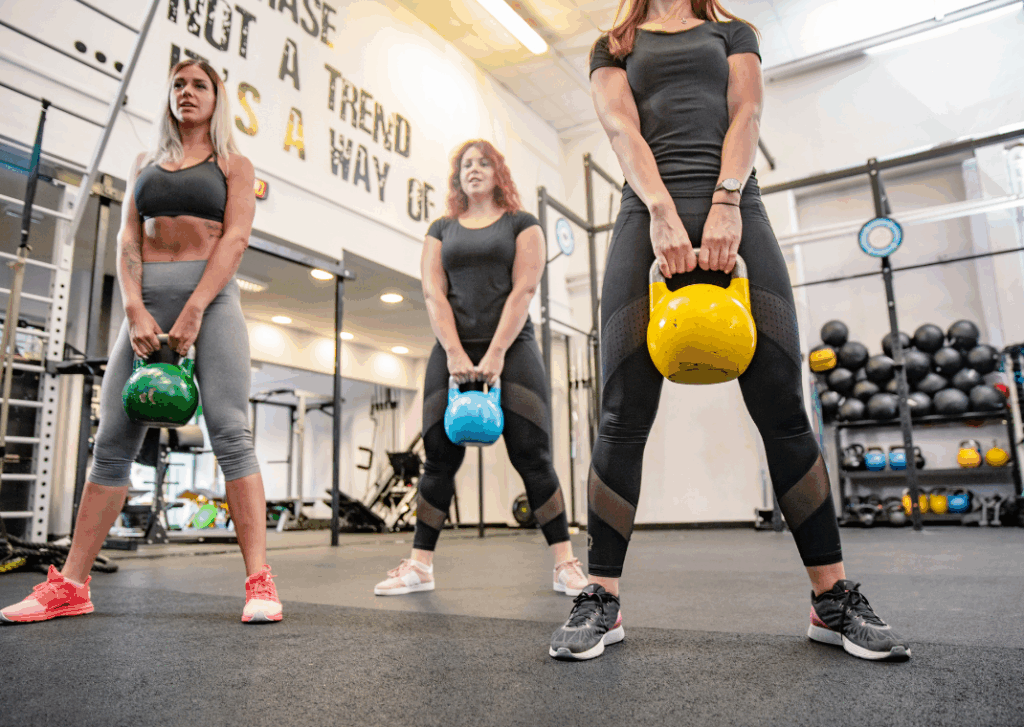
When you begin lifting weights or engaging in structured strength training, you start to witness measurable progress. You see what you can do. You recognize what you once thought was difficult is now manageable. That shift—from doubt to belief—builds a kind of quiet self-assurance that bleeds into every other area of your life.
Strength training doesn’t just change your physique. It changes your internal narrative. You stop questioning whether you can handle what life throws at you. You know you can. The barbell becomes a metaphor: if you can learn proper form, stay consistent, and trust the process in the gym, what else might you be able to approach differently?
And that mental clarity? That steady, grounded confidence? It follows you into conversations. Into friendships. Into rooms where you might have once stayed silent.
Why It Feels So Hard Right Now
As we get older, maintaining strength takes more intention—but it’s also more important than ever. What once came effortlessly now requires scheduling, preparation, and sometimes recovery. And in midlife, the stakes shift. You’re not working out for aesthetics or achievement. You’re doing it for capacity. For clarity. For connection.
If you’re hesitating to move because it feels indulgent, consider this: your body isn’t a vanity project.
It’s a vehicle for presence. When you feel physically depleted, it becomes harder to engage socially.

You cancel plans. You stay quiet in group settings. You retreat. Over time, this pattern affects your friendships more than you realize.
Physical Depletion Leads to Social Drift
There’s a compounding cost to not rebuilding your physical reserves. The CDC reports that inactivity increases the risk of depression by up to 30%. Add to that the emotional labor of caregiving or professional overfunctioning, and it’s no wonder so many women find themselves feeling disconnected.
Social drift doesn’t just happen because people move or get busy. It happens when we’re too tired to reach out. Too drained to be present. And often, too ashamed to admit it.
That’s why rebuilding your physical resilience is more than a health goal. It’s a social one.
Strength Is a Social Catalyst
Confidence isn’t always about charm or extroversion. Often, it’s about feeling at home in your own body. When you walk into a room knowing that you can lift your own groceries, climb stairs without needing a break, or hold a plank for a full minute, something in you changes.
You don’t shrink back. You don’t second-guess whether you belong. Strength training translates to a deeper belief in who you are—not just what you can physically do.
And that belief is contagious. When you show up as someone who feels grounded and self-assured, others respond differently. Conversations deepen. Invitations increase. Relationships shift from effortful to energizing.
Reclaiming Strength as a Social Strategy
You don’t need to run marathons. But you do need movement that restores.
Walking with a friend. Joining a community yoga class. Dancing in your kitchen. Lifting weights while listening to a podcast. The form matters less than the function: these actions create space for you to reconnect—to yourself and to others.
Think about the last time you said yes to an invitation and genuinely enjoyed it. Chances are, your body wasn’t in a state of depletion. Physical energy creates emotional availability.
Rebuild, Then Reach Out
If it’s been a while since you felt strong in your own body, begin small. Commit to 10 minutes of movement. Do it daily. As your body rebuilds strength, notice how it subtly changes the way you engage.
You might initiate plans instead of waiting for someone else. You might feel less guarded in conversation. You might even start to believe that new friendships are possible again.
Because they are.
And if you need support as you re-engage, consider:
- 10 Things to Say When You Don’t Know What to Say: for the moments where conversation feels awkward or uncertain
- Friendship After 40: The Blueprint to Finding Your People: a step-by-step approach to rebuilding community
- The Soul Sanctuary Retreat: an immersive experience to recharge, reset, and reconnect
Why This Matters Now
Physical resilience doesn’t just keep you standing tall. It keeps you socially open, emotionally present, and relationally alive. In midlife, when so much around you is changing, strength is one of the few things you can rebuild on your own terms.
And when you do, your relationships often follow.

You don’t have to choose between success and well-being. Step away from the chaos, reset your mind and body, and realign with what truly matters. Our wellness retreats, online courses, free resources give you the space to breathe, reflect, and design a life that feels fulfilling—without guilt, without compromise.
Be the first to know about upcoming retreats—join the info list for dates and details.
Let’s stay connected! Follow us on Instagram, Facebook, YouTube, LinkedIn, and Pinterest, and join the LAYLO Shala for exclusive updates and insights.