If You Can’t Get Off the Ground Easily, That’s a Problem

The Moment Of Truth

“I’ve fallen and I can’t get up!”

Remember when we used to snicker at that commercial?

But now….what happens when you are on the floor?

Maybe you’re stretching. Maybe you just sat down to play with a grandchild or reach for something.

Then you go to stand up.

If that feels easy, you move on without thinking about it. If it doesn’t, you notice. You shift your weight, look around for something to grab and need to take a second before you commit to standing.

That small hesitation matters.

It’s one of the clearest signals of how well your body is prepared for the years ahead. Strength shows up in moments like this. Quiet, ordinary, easy to overlook—until it isn’t there.

Why My Approach Changed After 30+ Years

After more than 30 years in fitness and wellness, my approach doesn’t look anything like it used to.

For a long time, I leaned hard into cardio. As in C-A-R-D-I-O; all caps! Intensity, constant movement, jumping. That was the standard, and I followed it. Hell, I taught it to others!

Now I train very differently.

Strength work anchors everything. Functional movement, balance, and mobility are no longer extras—they’re the focus.

That shift came from paying attention to research and, just as important, paying attention to my own body as it changed.

Arthritis forced some of that awareness for me. High-impact workouts stopped making sense. I had a choice at that point: keep pushing in a way that created more wear and tear, or adjust and train in a way that supports how I want to feel long term.

I still get my cardio in. That hasn’t disappeared. It just sits alongside lifting, yoga, and walking now, instead of dominating everything.

The goal shifted from doing more to staying capable.

What Independence Actually Looks Like

That word—capable—deserves more attention.

Independence isn’t abstract. It’s physical.

It shows up when you carry groceries in without bracing yourself first. When you catch your balance instead of going down. When you move through your day without planning around what might feel hard.

And yes, it shows up when you get off the floor without hesitation.

Muscle is what supports all of that.

Most people don’t realize how early they start losing it. Research shows muscle mass can decline by 3–8% per decade after 30, and that rate picks up later on. That loss doesn’t stay contained to the gym. It spills into everything.

Strength drops. Reaction time slows. Balance becomes less reliable. Metabolic health starts to shift in the wrong direction.

Falls become more likely, and recovery takes longer than it used to. Confidence drops with that, and activity often follows.

What Aging Strong Really Requires

Training for longevity asks for a different approach than what many people were taught.

Lifting needs to be challenging enough to maintain and build muscle. That doesn’t mean reckless. It means intentional.

Protein intake plays a bigger role than most expect. It supports lean muscle, helps with satiety, and protects against metabolic slowdown during fat loss.

Power work belongs here too. Short bursts of controlled effort improve reaction time and balance, which are key for staying steady and avoiding injury.

Extreme dieting works against all of this. When calories drop too low, fatigue increases, sleep suffers, and muscle loss speeds up. That combination undermines long-term strength and body composition.

Muscle does more than support movement. It improves insulin sensitivity, stabilizes joints, and supports metabolic health over time.

It’s not extra. It’s essential.

Consistency Is the Lever That Moves Everything

The American College of Sports Medicine shifted its stance for the first time in 17 years, moving away from a rigid, heavy-load-centric approach to a more flexible, evidence-based model emphasizing consistency and effort over complex programming.

That lines up with what I’ve seen over decades.

The people who stay strong don’t chase perfect programs. They show up regularly. They lift a few times a week. Most days, they are moving. They adjust when needed, but they don’t disappear.

It’s not complicated. It does require follow-through.

What Functional Strength Looks Like in Real Life

When you strip this down, functional strength becomes the filter.

Can you squat, hinge, push, pull, and carry without strain?

Can you get up and down from the floor without hesitation?

Do you move through your day without negotiating with your body?

Those are the markers that matter.

You don’t need a complicated plan to build that.

A handful of movements done consistently goes a long way. Squats or sit-to-stands. Hinge patterns like deadlifts. Push and pull work. Carrying weight. Core stability.

Layer in walking. Add mobility or yoga to support your joints.

That’s enough to build real capacity.

Not sure where to start? Hire a trainer. Join a class. Find an expert (not an “influencer”!) and get some real guidance on what might work for you.

How Strength Keeps You Engaged in Your Life

There’s a layer here that often gets overlooked.

When your body feels strong and reliable, you stay engaged. You say yes to plans. Travel is a yes, not a maybe. You show up for the things and people that matter to you.

Working out with others can help with consistency too. It adds connection without forcing anything.

That matters more than most people realize. Studies show strong social connections are linked to a 50% higher likelihood of long-term survival. At the same time, many adults over 45 report having fewer close relationships than they once did.

Physical capability supports staying in those relationships. It keeps you participating instead of stepping back.

Where This Leaves You

While this doesn’t require an overhaul, it does require attention.

If getting off the floor feels harder than it should, that’s useful information. Ignoring it won’t change the outcome.

Strength has to be built and maintained on purpose.

Start with movements that reflect real life. Stay consistent. Eat in a way that supports muscle. Train with intention.

And when stepping into something new—whether that’s a gym, a class, or even a new social setting—feels uncomfortable, having the right tools helps. That’s where “10 Things to Say When You Don’t Know What to Say” fits in. Confidence builds across multiple areas.

Because staying strong isn’t only about what you lift.

It’s about what your life still allows you to do.

And whether you can get up when it counts.

LAYLO wellness centers social wellness—supported by mental clarity and movement—to help you live and work with more steadiness, connection, and longevity.

The LAYLO Editis where I share thoughtful, practical insight for real life.
Join for updates on upcoming experiences, including The LAYLO Collective, a small-group social wellness experience designed for real life, and Wellness Retreats.

Follow along on Instagram, Facebook, YouTube, LinkedIn, and Pinterest.

7 Powerful Movement Habits That Strengthen Your Brain, Body, and Friendships

You already know movement matters. That part isn’t new.

What tends to get missed is how closely movement ties into how you think, how steady you feel day to day, and how connected you stay to other people. These don’t operate separately. They influence each other more than most people realize.

At this stage of life, you’re managing a lot. Work, family, responsibilities that don’t leave much room for trial and error. Your body may not feel as cooperative as it once did either. Still, the goal remains the same.

You want to stay sharp. You want to stay capable. You want relationships that feel easy, not forced.

Movement supports all of that in a very real, practical way.

1. Lift Heavy Things. Yes, You Still Need To.

Strength training changes the trajectory of how you age, both physically and cognitively. It supports memory, focus, and overall brain function. It also keeps you capable in your everyday life, which becomes more important with each passing year.

And this is where many people start negotiating.

They switch to lighter weights. They avoid anything that feels challenging. They tell themselves they’ll get back to it later.

That’s usually when strength starts to decline.

Your body needs resistance. Not reckless intensity, but enough load to signal that strength still matters. That signal carries through your muscles, your bones, and your brain.

Work with where you are. That part is non-negotiable.

I have osteoarthritis in my back, hips, feet, and hands, and it’s moving into my knees. I still lift three times a week. I teach yoga three times a week. I walk most days. Some days I move slower. Some days I scale things back.

I don’t stop.

Because once you stop, it gets harder to start again. Strength fades, then confidence follows. That’s a cycle you want to interrupt early.

Of course, pay attention to sharp or unfamiliar pain. That’s your body asking for adjustment, not stubbornness. At the same time, general aches are part of having a body that has been used. You work with that, not against it.

2. Keep Your Movement Predictable Enough to Stick

There’s a tendency to overcomplicate fitness, especially when motivation dips. New plans, new classes, new goals every few weeks.

That approach usually burns out quickly.

Your brain responds better to patterns it can rely on. When movement becomes predictable, it lowers the mental effort required to keep going. You don’t debate it. You just do it.

That might look like a regular walking route most days of the week, strength training on set days, or a class you attend without having to convince yourself first.

Consistency builds a rhythm your body and mind both recognize. That rhythm supports focus, reduces stress, and makes the habit easier to maintain long term.

Of course, you want to mix things up occasionally. Trying something new is a good thing. It’s just that you want to find what you like, what you will keep doing consistently, and then mix it up within that framework. The goal is to keep yourself moving.

3. Put Yourself in Rooms Where Movement and People Overlap

Connection often feels harder now than it did years ago. Not because you’ve changed, but because your environment has.

Work is demanding. Social circles shift. Free time shrinks.

Movement solves part of that problem by creating built-in opportunities to be around other people without pressure.

You don’t need to walk into a room and make instant friendships. You need repeated exposure. Familiar faces. Small interactions that gradually become something more.

A group class. A gym where you recognize people. A weekly walk with someone who lives nearby.

Those moments seem small, but they compound.

Strong social ties are directly linked to better brain health and longer life expectancy. On the other side, a lack of meaningful connection increases the risk of cognitive decline and chronic health issues.

That’s not abstract. That shows up in how you feel and function over time.

4. Use Movement as a Reset, Not a Reward

A lot of people treat movement as something they earn once everything else is done.

That mindset doesn’t hold up when life gets busy.

Movement works better as a reset button you use throughout your week. It helps regulate stress, clear mental buildup, and improve your ability to focus.

You don’t need a perfect mood to start. You just need to begin. Motivation is not part of this equation. Waiting for the motivation fairy to sprinkle you with “I can’t wait to work out” energy is not going to happen. Schedule it in. Then do it.

A walk after a long day can shift your energy more effectively than sitting and replaying everything that went wrong. A strength session can cut through mental fog that’s been hanging around for hours.

This is one of the simplest ways to support your mental state without overthinking it.

5. Train for the Life You Actually Live

It’s easy to get pulled into workouts that look good but don’t translate into anything useful.

What matters more is whether your training supports your real life.

Can you carry what you need without hesitation? Can you move through your day without feeling fragile or limited? Do you trust your body to handle what’s in front of you?

Muscle plays a central role in all of that. After 40, muscle mass declines steadily if you don’t actively maintain it. Bone density follows a similar pattern, increasing the risk of injury over time.

Strength training helps counter both.

We aren’t talking about getting extreme. We are aiming to stay capable in ways that keep your life open and flexible.

6. Combine Movement and Social Time So It Actually Happens

One of the biggest barriers to maintaining friendships is time. Not lack of interest, just lack of space in the calendar.

You can solve that by overlapping movement with connection.

Walk with a friend instead of meeting for coffee. Take a class together. Set a recurring plan so you’re not constantly coordinating schedules.

This removes friction. It also creates consistency, which is where most friendships either grow or fade.

Many women at this stage report having fewer than three close friends they can rely on. That number doesn’t drop because people stop caring. It drops because connection isn’t built into daily life anymore.

Movement gives you a way to rebuild that structure without adding more pressure.

7. Stay in Motion, Even When It’s Not Your Best Day

There will be days when your body feels off. Days when your energy is low, or your motivation is nowhere to be found. See motivation fairy above.

Those days matter more than the easy ones.

You don’t need to push through at full intensity. You do need to stay in motion.

Shorten the workout. Lighten the load. Change what you’re doing.

Keep the habit intact.

That consistency supports your brain, your physical strength, and your ability to stay engaged with your life. When the habit disappears, it becomes hard to rebuild.

Where This Starts to Shift Things

When movement becomes part of your routine, you will experience changes beyond the physical. Take the time to really notice it.

Your thinking feels clearer. Your reactions soften. You have more capacity for the people around you.

You also find it easier to stay connected because you’re already placing yourself in environments where connection can happen naturally.

And if you’re out of practice socially, you’re not alone in that. It’s a skill that fades when you don’t use it. Tools like 10 Things to Say When You Don’t Know What to Say help remove that initial friction so you’re not second-guessing every interaction.

Staying sharp, strong, and connected doesn’t happen by accident.

It comes from what you do consistently.

Warmly, Laura

LAYLO wellness centers social wellness—supported by mental clarity and movement—to help you live and work with more steadiness, connection, and longevity.

The LAYLO Editis where I share thoughtful, practical insight for real life.
Join for updates on upcoming experiences, including The LAYLO Collective, a small-group social wellness experience designed for real life, and Wellness Retreats.

Follow along on Instagram, Facebook, YouTube, LinkedIn, and Pinterest.
Healthy Aging Tips Women Over 45 Need Now

Aging isn’t something to resist or romanticize. It’s just what happens—if we’re lucky.

The question isn’t how to stop aging. It’s how to stay upright, sharp, and genuinely well while it happens. That’s where healthy aging comes in.

Women over 45 often find themselves inundated with advice: collagen powders, intermittent fasting, 90-minute morning routines, cryo chambers. And sure, some of that stuff is interesting. But most of it? Expensive, unsustainable, and ultimately irrelevant when real life includes a full-time job, caregiving, and a metabolism that refuses to negotiate.

Here’s what actually helps—backed by longevity science, not influencer trends.

Muscle Isn’t Optional. Strength Training Is Non-Negotiable.

Muscle mass declines up to 8% per decade after 40. After 50, the rate doubles. Loss of strength increases your risk of falls, fractures, insulin resistance, and general “why does everything hurt when I wake up” syndrome. Lifting weights just twice a week helps maintain bone density, improve metabolic function, and protect your joints.

You don’t need a fancy gym membership or to deadlift your body weight. You do need to consistently challenge your muscles with resistance—dumbbells, resistance bands, even bodyweight workouts. Muscle is metabolism. It improves mobility. Muscle equals freedom.

Your Brain Needs Sleep, Stress Management, and Something New to Learn.

Cognitive decline isn’t inevitable, but it is opportunistic. It creeps in when sleep becomes optional, when everything feels urgent, and when your brain runs the same loop on repeat.

Protecting cognitive health after 45 looks like prioritizing sleep (7-9 hours, not negotiable), actively reducing chronic stress (your nervous system isn’t a punching bag), and learning something new—a language, a skill, even a new podcast habit that doesn’t revolve around murder mysteries.

Chronic stress shrinks the brain. Sleep debt impairs memory and executive function. Novelty builds neural resilience. And you can’t outsource this. No supplement replaces sleep. No app replaces boredom-fighting learning.

Meaning Improves Lifespan. No, Really.

In long-term studies on longevity, having a sense of meaning—something to wake up for—outperformed clean eating, fitness, and even not smoking. People with a reason to get up each day live longer, fuller lives.

That doesn’t mean you need a five-year plan or a spiritual awakening. It means doing something regularly that feels personally valuable. Volunteering. Creating. Mentoring. Anything that feels like it still matters, especially when no one else is watching.

The Habit Personality Factor

Your best friend thrives on fitness challenges. You prefer structured classes. Someone else needs 1:1 accountability. Great. The trick is not copying someone else’s rhythm but finding yours. If you’re the spreadsheet type, track your workouts. If you’re the rebel type, gamify your progress with small rewards.

There’s no universal habit formula. But there is a universal truth: consistency beats intensity every time.

What Actually Stuck After 40? Slow Mornings.

One shift I made in my 40s that quietly changed everything: slow mornings. Not the kind where you meditate for an hour or write in five journals. Just 30 minutes to sit. Drink coffee. Breathe. Think. Not scroll.

Yes, it was easier when my son was a teenager and didn’t need help getting dressed or fed. But I still worked full-time. I still had the same pressure. And I carved out that time anyway. It was the first thing that taught me that how I start my day matters more than when I start it.

You Don’t Need a New Life. You Need Better Inputs.

Most women I work with don’t want a radical reinvention. They want energy that doesn’t crash at 3pm. A body that doesn’t feel like a stranger. A brain that doesn’t forget the thing they just walked into a room for. That starts with what you put in: movement, rest, connection, meaning.

Wellness isn’t a lifestyle brand. It’s how you live your actual life.

The LAYLO Edit offers real-world, research-backed wellness ideas for women who want their time and energy to matter. It’s not a program. It’s your sanity file. If you’re ready to stop chasing trends and start feeling better long-term, this is where you start.

Warmly, Laura

You don’t have to choose between success and well-being. Step away from the chaos, reset your mind and body, and realign with what truly matters. Our wellness retreats, online courses, free resources give you the space to breathe, reflect, and design a life that feels fulfilling—without guilt, without compromise.

Be the first to know about upcoming retreats—join the LAYLO Edit for exclusive updates and insights, as well as wellness tips for real life. 

Let’s stay connected! Follow us on InstagramFacebookYouTubeLinkedIn, and Pinterest.

7 Real Reasons You’re Always Tired—and How To Fix It

Let’s be honest. You’re not “a little tired.” You’re bone-deep exhausted—and still getting it all done.

You show up to the meetings. And remember the birthdays. You handle the fallout when your mom’s pharmacy screws up her meds—again. And somewhere in there, you’re supposed to “prioritize self-care” and “move your body.”

Here’s the problem: Everyone keeps tossing generic advice at women like you, assuming a face mask and bubble bath will fix a body that’s screaming for a timeout.

Let’s get into what’s really going on—and what actually helps.

1. Hormones Are Hijacking Your Energy


Estrogen and progesterone used to be your silent teammates. Now they’re throwing tantrums at 2 a.m. and ghosting you by 3 p.m. Cortisol’s also acting up, adding stress spikes when you’re just trying to reply to one email without rage. And here’s the kicker—many women are dismissed when they bring this up. You’re told to relax, to wait it out, or to try meditation. It’s exhausting in a whole different way.

What helps: Find a doctor who listens. Track your symptoms. Use that data to ask better questions—and get better care. This isn’t the moment to accept mediocre medical support. Hormonal chaos isn’t a footnote. It’s a major player.

2. You Think You Slept, But Your Brain’s Been in a Bar Fight


You “slept,” but woke up feeling like someone poured cement into your skull. Welcome to post-45 sleep, where you fall asleep fine and then bolt awake at 3:17 a.m. thinking about taxes and your kid’s weird cough. And no, melatonin isn’t the magic fix. Your sleep architecture has changed, and stress has moved in like an uninvited roommate.

What helps: Start winding down sooner. Screens off earlier than you want. Make your bedroom dark and cold. Stop scrolling like it’s a part-time job. Try magnesium glycinate if your doctor gives the okay. And if your mind won’t shut up? A notebook next to your bed to brain-dump those racing thoughts helps more than you’d think.

3. Everyone’s Pulling From Your Energy Account—And You’re Not Making Deposits


You’re the go-to. The fixer. The one who remembers your friend’s kid’s allergy appointment and brings extra sunscreen to the picnic. It’s generous—and draining. The constant mental load is like a slow leak in your fuel tank. And the worst part? You barely notice it because being tired has become your baseline.

What helps: Make an actual list of what drains you and what fills you up. Look at your week and see where the energy leaks are. If everything in your calendar is for other people, that’s not sustainable. Rebuild your day with one small deposit into your own energy—every day.

4. Your Workout Routine Is From a Decade Ago—and Your Body Knows It

If dragging yourself through a punishing boot camp leaves you more exhausted than energized, it’s not working. You’re not “losing your edge.” Your nervous system is screaming for a new approach. Bodies after 45 are different—and that’s not defeat. It’s reality.

What helps: Strength training. Walking. Pilates. Yoga. Pick something that doesn’t trash you for 48 hours afterward. You don’t need to prove your worth in sweat. The goal isn’t soreness—it’s stamina and recovery. You’re training for longevity now, not punishment.

5. You’re Eating Like You’re Still 32 and Sleeping Like You’re 82

Skipping breakfast. Slamming caffeine at 3 p.m. Grazing on snacks because you “forgot” to eat lunch. Your energy crashes aren’t a mystery—they’re a math problem. Your blood sugar is on a rollercoaster, and that affects everything from mood to motivation.

What helps: Start with protein in the morning. Eat every 4-5 hours. Add real fiber and hydration. Cut the afternoon caffeine—it messes with sleep, even if you swear it doesn’t. And if your energy tank feels permanently low, get your iron and B12 checked. Nutrient depletion isn’t a vibe; it’s a health red flag.

6. You Don’t Ask Yourself What You Want Anymore


You’re used to putting out fires and making things run. But somewhere in there, you stopped checking in with your own preferences. You make decisions based on logistics, guilt, and who needs what. When someone asks, “What do you want to do?” the pause is long—and telling.

What helps: Practice wanting again. Start tiny. Say yes to Thai food even if your partner wants pizza. Say no to the event that drains you, without explaining. Desire is clarity, not chaos. When you know what you want, your energy has direction again.

7. You’ve Been in Survival Mode So Long It Feels Like Normal


The “you’ve got this” face is polished. But underneath? You’re fried. You’ve been running so long on performance and responsibility that you’ve forgotten what grounded even feels like. You’re not broken—you’re spent.

What helps: Cancel something this week. Say you’re off-duty. Let dinner be eggs and toast. Let silence be enough. The best energy recovery isn’t flashy—it’s slow, steady recalibration. One walk. One “no.” One early night. Small moves matter.

When I hit my own wall, it wasn’t dramatic. I wasn’t crying in the bathroom or quitting my job; I was just done. I canceled two meetings, ignored texts, and walked to the end of the block and back. It was quiet, boring, and wildly effective. That night, I slept through. And in the morning, I didn’t dread the day. That was the start.

You don’t need a five-year plan. You need a better week. One where your needs get a voice—not just a leftover scrap of time.

If you’re ready for smart, doable wellness without the noise, the LAYLO Edit was built for you. It’s not hype. No sugar coating here. It’s real-life support for real-life exhaustion. Don’t bother “bouncing back.” You get to rebuild forward—in a way that actually fits.

Warmly, Laura

You don’t have to choose between success and well-being. Step away from the chaos, reset your mind and body, and realign with what truly matters. Our wellness retreats, online courses, free resources give you the space to breathe, reflect, and design a life that feels fulfilling—without guilt, without compromise.

Be the first to know about upcoming retreats—join the info list for dates and details.

Let’s stay connected! Follow us on InstagramFacebookYouTubeLinkedIn, and Pinterest, and join the LAYLO Shala for exclusive updates and insights.

7 Winter Wellness Rituals That Actually Fit Into a Full Life

As the temperature drops and daylight shortens, so does the natural inclination to withdraw.

Cold seasons often invite us to retreat indoors and hibernate, but this can quietly chip away at both our physical fitness and sense of connection.

For many, the winter months can also amplify an already subtle ache for deeper friendships and sustained energy. This season holds a unique opportunity: to reclaim both movement and connection in ways that ground and energize.

Why Cold-Season Rituals Matter More Than Ever

Winter has a measurable effect on both body and mind. Research from the CDC notes that physical activity in adults significantly declines during colder months, and this drop is more pronounced in women over 45. What starts as skipping a walk due to cold can quickly become a pattern of decreased mobility, lower mood, and diminished connection.

At the same time, studies from the National Institute on Aging show that people with fewer meaningful social interactions face increased risks of cognitive decline, heart disease, and even shortened lifespans. Movement and social engagement are not seasonal luxuries. They are non-negotiable pillars of midlife wellness.

7 Rituals to Reclaim Energy and Connection This Winter

These winter wellness rituals are designed to be sustainable, nourishing, and genuinely effective. Choose one or two to start, and let them anchor your season.

1. The 15-Minute Morning Movement
Begin the day with gentle motion: yoga stretches, a short walk, or resistance band work. Keep it simple and consistent. This ritual awakens your body and signals the start of a day centered on care rather than urgency.

2. The Connection Walk
Bundle up and walk while leaving a voice message for someone you miss. Or schedule a walk-and-talk with a friend. Movement paired with connection builds momentum in both areas.

3. The Window Stretch Reset
In the afternoon slump, stand by a window for five minutes and move gently: neck rolls, hamstring stretches, shoulder openers. Let natural light reset your internal rhythms.

4. The Two-Way Check-In
Every week, choose two people to reach out to: one to check in on, and one to open up with. Use a prompt from 10 Things to Say When You Don’t Know What to Say if conversation feels rusty.

5. The Cozy Gathering
Plan one simple in-person event for the month: a soup swap, book circle, or tea hour. Keep the vibe low-prep and authentic. These grounded rituals lay the foundation for lasting connection.

6. The Movement Buddy Ritual
Commit to a weekly movement session with someone else—even virtually. Shared accountability makes movement more enjoyable and more likely to happen.

7. The Restorative Review
Each Sunday evening, take 10 minutes to review what felt good that week. Was it the walk? The text exchange? The stretch? Let what worked guide the week ahead.

Why These Rituals Work

Each of these seven rituals blends movement and social nourishment in small, doable ways.

Research from Brigham Young University shows that strong social ties increase survival rates by over 50%. Meanwhile, studies on behavior change confirm that pairing movement with existing routines makes it more likely to stick.

More importantly, these rituals remind you that wellness doesn’t require an overhaul. Just intention, consistency, and a willingness to show up for yourself in small ways.

Let Winter Teach You How to Reconnect

Winter invites inwardness—not isolation, but inner recalibration. It’s a season that can strengthen your inner circle and your physical body, if you let it. The key is not to fight the season, but to work with it. To create rituals that invite movement and connection in small, sustaining ways.

Start with just one change. One friend. One movement ritual. Then let it grow.

What You Can Do Today

  1. Text one person and invite them for a short walk this weekend.
  2. Try a new movement class online that feels fun and approachable.
  3. Use a prompt from 10 Things to Say When You Don’t Know What to Say to restart a paused conversation.
  4. Explore the Blueprint if your social landscape feels like it’s shifted and you’re unsure where to begin.
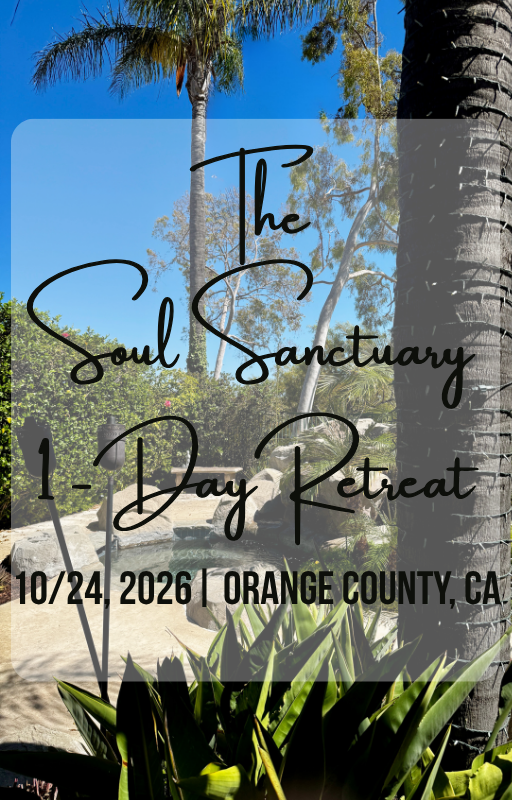
  5. Consider a Soul Sanctuary Retreat to immerse yourself in deep rest, movement, and connection without pressure.

Make This Season Work For You

You don’t have to wait for spring to feel better. Winter can be a season of clarity, connection, and strength—if you claim it. The routines you choose now can shape how you feel not just in the cold months, but long after. This isn’t about doing more. It’s about choosing what truly sustains you.

Warmly, Laura

You don’t have to choose between success and well-being. Step away from the chaos, reset your mind and body, and realign with what truly matters. Our wellness retreats, online courses, free resources give you the space to breathe, reflect, and design a life that feels fulfilling—without guilt, without compromise.

Be the first to know about upcoming retreats—join the info list for dates and details.

Let’s stay connected! Follow us on InstagramFacebookYouTubeLinkedIn, and Pinterest, and join the LAYLO Shala for exclusive updates and insights.

The Unexpected Power Move That Reignites Friendships

Physical Resilience Is Social Resilience

Somewhere between work obligations, caregiving, and the invisible labor of showing up for everyone else, your body has absorbed more than stress.

It’s absorbed silence. Stillness. A kind of erosion that isn’t always easy to name—but it shows up in how you feel, how you move, and how you connect.

The truth is, physical strength isn’t just about staying mobile or managing your health. It fundamentally changes how you inhabit your life. When your body feels strong, you navigate the world with more presence, more self-trust, and more confidence in your interactions. You stop bracing for exhaustion. You begin anticipating engagement.

The Science Behind Strength and Social Engagement

Research consistently shows that people who maintain physical activity as they age experience sharper cognitive function, reduced anxiety, and more emotional regulation—all critical ingredients for healthy social relationships. The National Institutes of Health notes that adults who engage in regular physical activity are more likely to report stronger social ties.

In fact, a 2023 study published in Frontiers in Psychology found that individuals with higher physical functioning were more socially active and reported greater satisfaction in their friendships. Movement boosts serotonin, improves mood, and helps reduce the friction that makes social interaction feel like a chore instead of a gift.

But beyond mood, there’s a deeper transformation that takes place when you actively rebuild strength. It isn’t just your muscles adapting. Your mind is, too.

How Strength Training Shapes Mental Confidence

When you begin lifting weights or engaging in structured strength training, you start to witness measurable progress. You see what you can do. You recognize what you once thought was difficult is now manageable. That shift—from doubt to belief—builds a kind of quiet self-assurance that bleeds into every other area of your life.

Strength training doesn’t just change your physique. It changes your internal narrative. You stop questioning whether you can handle what life throws at you. You know you can. The barbell becomes a metaphor: if you can learn proper form, stay consistent, and trust the process in the gym, what else might you be able to approach differently?

And that mental clarity? That steady, grounded confidence? It follows you into conversations. Into friendships. Into rooms where you might have once stayed silent.

Why It Feels So Hard Right Now

As we get older, maintaining strength takes more intention—but it’s also more important than ever. What once came effortlessly now requires scheduling, preparation, and sometimes recovery. And in midlife, the stakes shift. You’re not working out for aesthetics or achievement. You’re doing it for capacity. For clarity. For connection.

If you’re hesitating to move because it feels indulgent, consider this: your body isn’t a vanity project.

It’s a vehicle for presence. When you feel physically depleted, it becomes harder to engage socially.

You cancel plans. You stay quiet in group settings. You retreat. Over time, this pattern affects your friendships more than you realize.

Physical Depletion Leads to Social Drift

There’s a compounding cost to not rebuilding your physical reserves. The CDC reports that inactivity increases the risk of depression by up to 30%. Add to that the emotional labor of caregiving or professional overfunctioning, and it’s no wonder so many women find themselves feeling disconnected.

Social drift doesn’t just happen because people move or get busy. It happens when we’re too tired to reach out. Too drained to be present. And often, too ashamed to admit it.

That’s why rebuilding your physical resilience is more than a health goal. It’s a social one.

Strength Is a Social Catalyst

Confidence isn’t always about charm or extroversion. Often, it’s about feeling at home in your own body. When you walk into a room knowing that you can lift your own groceries, climb stairs without needing a break, or hold a plank for a full minute, something in you changes.

You don’t shrink back. You don’t second-guess whether you belong. Strength training translates to a deeper belief in who you are—not just what you can physically do.

And that belief is contagious. When you show up as someone who feels grounded and self-assured, others respond differently. Conversations deepen. Invitations increase. Relationships shift from effortful to energizing.

Reclaiming Strength as a Social Strategy

You don’t need to run marathons. But you do need movement that restores.

Walking with a friend. Joining a community yoga class. Dancing in your kitchen. Lifting weights while listening to a podcast. The form matters less than the function: these actions create space for you to reconnect—to yourself and to others.

Think about the last time you said yes to an invitation and genuinely enjoyed it. Chances are, your body wasn’t in a state of depletion. Physical energy creates emotional availability.

Rebuild, Then Reach Out

If it’s been a while since you felt strong in your own body, begin small. Commit to 10 minutes of movement. Do it daily. As your body rebuilds strength, notice how it subtly changes the way you engage.

You might initiate plans instead of waiting for someone else. You might feel less guarded in conversation. You might even start to believe that new friendships are possible again.

Because they are.

And if you need support as you re-engage, consider:

Why This Matters Now

Physical resilience doesn’t just keep you standing tall. It keeps you socially open, emotionally present, and relationally alive. In midlife, when so much around you is changing, strength is one of the few things you can rebuild on your own terms.

And when you do, your relationships often follow.

Warmly, Laura

You don’t have to choose between success and well-being. Step away from the chaos, reset your mind and body, and realign with what truly matters. Our wellness retreats, online courses, free resources give you the space to breathe, reflect, and design a life that feels fulfilling—without guilt, without compromise.

Be the first to know about upcoming retreats—join the info list for dates and details.

Let’s stay connected! Follow us on InstagramFacebookYouTubeLinkedIn, and Pinterest, and join the LAYLO Shala for exclusive updates and insights.