WHEN A FRIENDSHIP NO LONGER FITS

You’ve Outgrown Your Circle. Now What?

It’s a quiet realization. One that doesn’t come with drama or a single moment of clarity. Just a slow recognition a friendship that once felt like your anchor no longer feels like home.

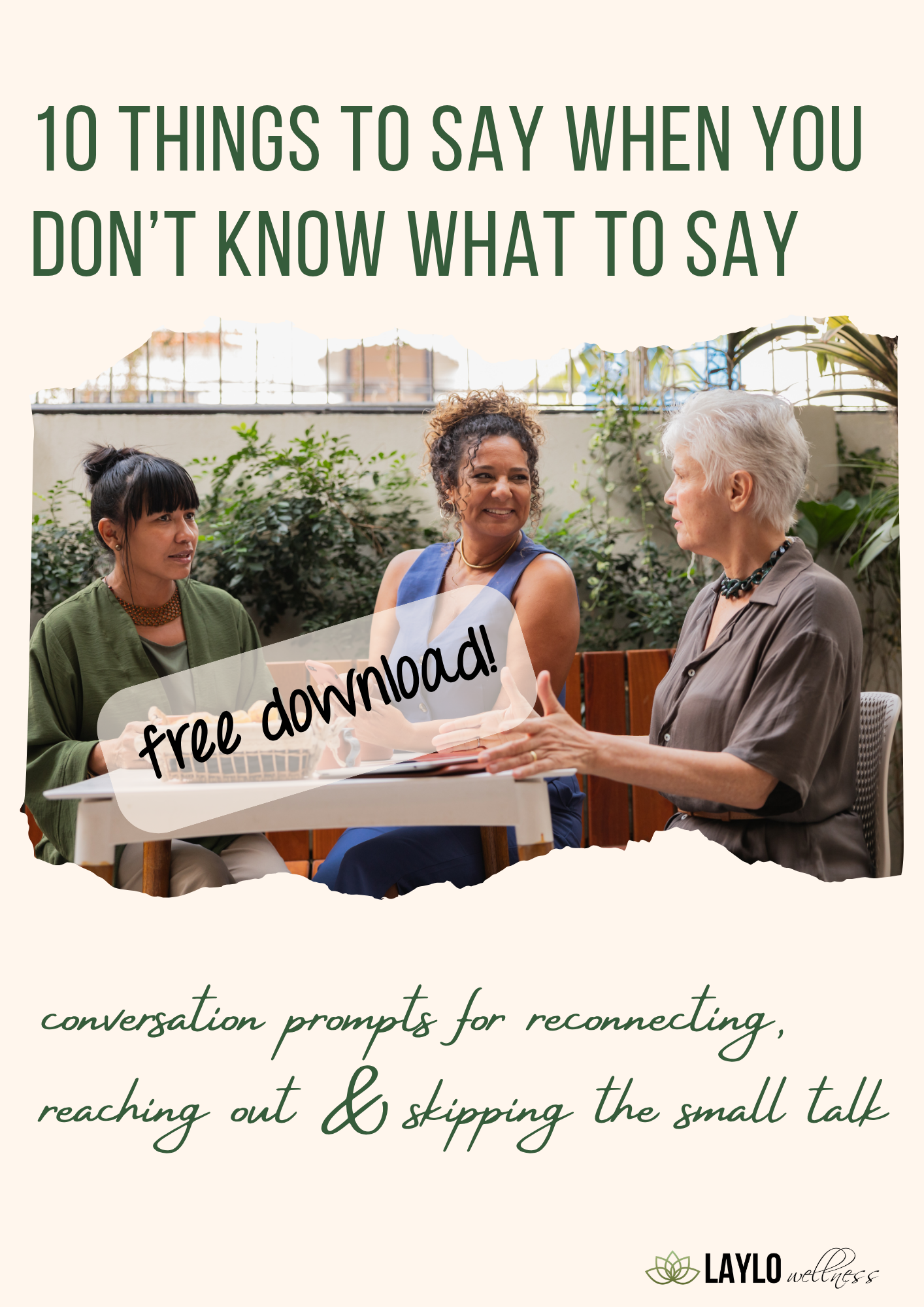
You sit across the table from a familiar face and feel like a stranger in your own life. The conversation loops. You’re different now. And you know it. Maybe you both know it.

This isn’t about blame or bitterness. It’s about growth. Life has changed, and so have you. But even as you evolve, one thing remains constant: the human need for deep, authentic connection.

So what happens when your current relationships can’t meet that need?

The Friendship Disconnect We Don’t Talk About

For women in their 40s, 50s, and beyond, this shift in connection is more common than we think. Career changes, caregiving responsibilities, hormonal shifts, and a reevaluation of personal priorities often lead to internal growth that existing relationships can’t always keep pace with.

According to a 2021 study published in SAGE Journals, middle-aged women are more likely to report dissatisfaction in social support networks than any other demographic. And a 2023 report by AARP revealed that over 60% of women in this age group feel they lack meaningful, emotionally supportive friendships.

That’s not a minor statistic. It’s a cultural signal.

As we age, the quality of our relationships becomes even more essential to our health and well-being. The Harvard Study of Adult Development, which has followed participants for over 80 years, found that strong social bonds are more predictive of long-term health than cholesterol levels, income, or even exercise habits.

Translation: having the right people around you matters more than most of us realize.

Why You’ve Outgrown the Familiar Friendship

This isn’t about superiority. Outgrowing a friend isn’t a judgment of their character—it’s an acknowledgment of your needs. The version of you who built those relationships might have prioritized different things. Shared history and convenience often play a bigger role in adult friendships than shared values or mutual growth.

But when you begin to question the way your time is spent—or when conversations begin to feel repetitive, one-sided, or emotionally draining—it’s a sign that something is misaligned.

This internal tension often arises when we’ve undergone deep change: a career pivot, spiritual shift, major family transition, or personal transformation. You may find yourself craving more emotionally intelligent conversations, more accountability, or simply more honesty.

Those cravings are valid. And they point to an unmet need for resonance—something surface-level friendships can’t satisfy.

What Happens If You Ignore It

There’s a cost to staying small in relationships that no longer nourish you. A 2020 study from Brigham Young University found that weak social ties contribute to a 29% increase in the risk of early mortality. That’s on par with the health risks associated with smoking 15 cigarettes a day!

When emotional needs go unmet, women experience higher rates of anxiety, inflammation, and burnout. Add to that the invisible labor many carry as executives, caregivers, and decision-makers, and the consequences multiply.

This isn’t just about mental health. It’s about physical well-being, career sustainability, and personal fulfillment.

Creating Space for What’s Next

The first step isn’t finding new friends. It’s naming what’s no longer working.

This process often starts with silence—observing how you feel after time spent with someone.

Do you feel seen? Understood? Energized? Or do you leave the interaction depleted, unheard, or disengaged?

Once you name what you’re outgrowing, you can create intentional space for what you want to invite in. That may look like:

  • Being more selective with how and where you spend time
  • Setting boundaries with people who drain your energy
  • Seeking out aligned spaces that prioritize emotional intelligence, personal growth, or values-driven conversation
  • Letting go of guilt around change

Many high-achieving women struggle to let relationships fade. The instinct to nurture, to hold everything together, is strong. But maturity in connection means knowing when to release, not just when to repair.

Where Real Connection Begins

Building new relationships later in life can feel awkward. But it can also be powerful—because this time, you’re not choosing based on proximity or convenience. You’re choosing based on resonance.

Whether it’s joining a purpose-driven group, attending a curated retreat, or participating in a facilitated course designed to deepen connection, investing in community is no longer optional—it’s foundational.

Women who prioritize emotionally aligned relationships experience improved cognitive health, reduced risk of heart disease, and higher life satisfaction, according to the Mayo Clinic and the National Institutes of Health. These are not just feel-good results—they are measurable outcomes.

And here’s what else we know: connection isn’t a luxury. It’s a health strategy. A leadership tool. A form of resilience.

Start With One Brave Step

You don’t need a full social reset. You need one real conversation. One aligned space. One new connection that makes you feel recognized.

If your current circle no longer reflects who you are or what you value, honor that. You’ve grown. That’s a good thing. Now it’s time to let your relationships grow with you—or make room for the ones that will.

Your next chapter isn’t about collecting more people. It’s about creating more meaning.

You don’t have to do it alone. But you do have to start.

laylo yoga and wellness

You don’t have to choose between success and well-being. Step away from the chaos, reset your mind and body, and realign with what truly matters. Our wellness retreats, online courses, and free resources give you the space to breathe, reflect, and design a life that feels fulfilling—without guilt, without compromise.

Be the first to know about upcoming retreats—join the info list for dates and details.

Let’s stay connected! Follow us on InstagramFacebookYouTubeLinkedIn, and Pinterest, and join the LAYLO Shala for exclusive updates and insights.

STOP MICROMANAGING YOUR LIFE AND START BUILDING RESILIENCE

Resilience vs. Micromanaging

Mental resilience isn’t about avoiding problems—it’s about developing the capacity to handle them.

Life doesn’t grant immunity from challenges, no matter how carefully we try to curate our environment. Conflict arises, stress builds, and difficult people cross our path.

The solution isn’t retreat. It’s expansion—strengthening our ability to stay calm, centered, and capable even when life gets difficult.

The High Cost of Avoidance

It’s tempting to remove every stressor possible: declining invitations, cutting people off, steering clear of conflict. But avoidance isn’t a long-term solution—it’s a short-term relief that often leads to greater stress over time. Studies show that chronic avoidance can increase anxiety and reduce overall well-being. A 2022 study published in The Journal of Anxiety Disorders found that avoidance behaviors contribute to a heightened stress response, making individuals more reactive to future challenges.

For Gen X women, the stakes are especially high. Many are managing careers, family responsibilities, and personal goals simultaneously. The American Psychological Association reports that women in this demographic experience some of the highest levels of stress, often due to caregiving roles and workplace demands. Without resilience, stress accumulates, affecting everything from physical health to emotional well-being.

Boundaries vs. Avoidance: The Key Distinction

Boundaries and avoidance are often confused, but they serve entirely different purposes. Boundaries are proactive; they define what is acceptable and protect energy without cutting off connection. Avoidance, on the other hand, is reactive. It seeks to eliminate discomfort rather than manage it.

Consider these differences:

  • Boundaries say: “I won’t take work calls after 8 PM.”
  • Avoidance says: “I’ll ignore my phone altogether because I don’t want to deal with work.”
  • Boundaries say: “I choose to engage in meaningful discussions rather than getting caught in gossip.”
  • Avoidance says: “I won’t go to the event at all because I might have to interact with difficult personalities.”

A life built on avoidance shrinks over time. Read that again. We want more out of life. A life built on boundaries expands, creating space for growth while maintaining stability.

The Health Impact of Poor Resilience

A lack of mental resilience affects more than just mood—it has measurable health consequences. Studies have linked chronic stress to cardiovascular disease, immune dysfunction, and cognitive decline. The Harvard Study of Adult Development, one of the longest-running studies on well-being, found that individuals with strong stress-management skills live longer, healthier lives compared to those who struggle with emotional regulation.

For Gen X women, the risk of stress-related illness is significant. The National Institute on Aging reports that midlife stress is associated with higher rates of hypertension, diabetes, and even dementia later in life. Developing resilience isn’t just about emotional balance—it’s a critical factor in long-term health.

Why Connection Matters More Than Ever

While internal strength is crucial, external support is equally important.

Relationships provide a buffer against stress, yet many professional women report feeling increasingly disconnected as they move through life.

Research from the American Journal of Health Promotion found that women with strong social ties experience lower levels of cortisol (the stress hormone) and better overall health.

Friendships also play a key role in cognitive health. A 2023 study from the Journal of Neurology found that women who maintain strong social connections in midlife have a significantly lower risk of cognitive decline. Engaging in meaningful conversations, sharing experiences, and offering mutual support strengthens both emotional and mental resilience.

Expanding Resilience: A Practical Approach

Building resilience isn’t about toughening up or pretending stress doesn’t exist. It’s about developing tools to handle life with greater ease.

1. Reframe Challenges as Growth Opportunities

Instead of viewing stress as a threat, see it as a chance to develop new skills. Studies show that a growth mindset improves emotional regulation and reduces anxiety.

2. Strengthen Emotional Regulation

Mindfulness practices, breathwork, and cognitive flexibility exercises help maintain composure in difficult situations. Neuroscientists have found that individuals who practice emotional regulation techniques show lower activity in the brain’s fear center (the amygdala), making them less reactive to stress.

3. Maintain Intentional Social Connections

Investing in high-quality relationships rather than increasing social interactions for the sake of it makes a significant difference. The quality of support—not just its presence—affects resilience.

4. Set and Reinforce Boundaries

Boundaries should be clearly defined and consistently upheld. They protect energy without isolating or over-controlling life circumstances.

5. Develop a Resilience Mindset

Resilience isn’t about eliminating discomfort; it’s about increasing capacity. Expanding resilience means strengthening the ability to stay calm under pressure, adapt to change, and engage with life fully, rather than shrinking away from challenges.

Avoidance may seem like an easy way to maintain peace, but true resilience comes from engaging with life—not retreating from it. Boundaries provide structure, but resilience provides strength.

By expanding capacity rather than restricting experiences, Gen X women can navigate challenges with confidence, maintain well-being, and build lives that are both fulfilling and sustainable.

laylo yoga and wellness

You don’t have to choose between success and well-being. Step away from the chaos, reset your mind and body, and realign with what truly matters. Our wellness retreats, online courses, and free resources give you the space to breathe, reflect, and design a life that feels fulfilling—without guilt, without compromise.

Be the first to know about upcoming retreats—join the info list for dates and details.

Let’s stay connected! Follow us on InstagramFacebookYouTubeLinkedIn, and Pinterest, and join the LAYLO Shala for exclusive updates and insights.

HOW STRONG IS YOUR SUPPORT SYSTEM?

When Life Gets Too Busy for Friendship

Balancing career, family, and personal responsibilities can make maintaining friendships and support feel impossible.

Time slips away between deadlines, caregiving duties, and everyday obligations.

The result? Connections weaken, and the benefits of close relationships begin to fade. While professional success and family commitments matter, friendships are just as essential for overall well-being.

The Health Risks of Lack of Support

Ignoring friendships doesn’t just lead to a sense of isolation—it has measurable effects on health. Studies show that women who lack strong social ties have a 26% higher risk of premature death, a 29% greater chance of developing heart disease, and a 32% higher likelihood of stroke. These numbers, reported by the American Heart Association, highlight the serious consequences of neglecting social connections.

Beyond physical health, the impact on emotional well-being is just as profound. A study published in JAMA Psychiatry found that women with weaker social networks experience significantly higher rates of anxiety and depression. Regular, meaningful interactions help regulate stress hormones, improve mood, and contribute to a greater sense of life satisfaction.

Why Friendships Fade—and How to Change It

Many women don’t intend to drift away from friendships, but daily demands make it easy to deprioritize them. Common reasons include:

  • Work overload. Long hours and high expectations make personal time feel like a luxury.
  • Family responsibilities. Caring for children, parents, or partners often takes precedence.
  • Scheduling conflicts. Coordinating time with friends becomes difficult when everyone is juggling commitments.
  • Emotional exhaustion. After a packed day, the idea of making plans can feel overwhelming.

The good news? These obstacles aren’t insurmountable. Prioritizing friendship doesn’t require massive life changes—small, consistent efforts can make a difference.

The Benefits of Prioritizing Connection

Research from the National Institute on Aging confirms that maintaining strong friendships improves cognitive function and reduces the risk of dementia by up to 40%. Engaging conversations and shared experiences stimulate the brain, keeping it sharp as the years go by.

Additionally, friendships act as a buffer against stress. The Mayo Clinic reports that spending time with supportive friends lowers cortisol levels, reduces blood pressure, and strengthens the immune system. Simply put, making time for friendships isn’t just enjoyable—it’s essential for long-term health.

How to Strengthen Friendships in a Busy Life

Maintaining strong connections doesn’t require significant sacrifices. Simple strategies can help keep friendships alive:

  • Prioritize quick check-ins. A five-minute call or voice message can maintain connection even on the busiest days.
  • Schedule standing meetups. Monthly gatherings or weekly walks create consistency without extra planning.
  • Combine activities. Exercising, running errands, or attending events together makes time for connection without disrupting routines.
  • Be intentional with outreach. Sending a thoughtful message or remembering important dates strengthens bonds.
  • Invest in shared experiences. Taking a trip, attending a retreat, or working on a joint project deepens friendships.

The Long-Term Impact of Intentional Connection

Friendships aren’t a luxury—they’re a necessity. Strong relationships enhance well-being, increase resilience, and contribute to a longer, healthier life. Ignoring these connections leads to increased stress, health risks, and emotional exhaustion.

Balancing life’s responsibilities is challenging, but friendships deserve a place on the priority list. Investing in meaningful connections isn’t about finding extra time—it’s about making the most of the time already available. The rewards far outweigh the effort, making it a choice worth committing to every day.

laylo yoga and wellness

You don’t have to choose between success and well-being. Step away from the chaos, reset your mind and body, and realign with what truly matters. Our wellness retreats, online courses, and free resources give you the space to breathe, reflect, and design a life that feels fulfilling—without guilt, without compromise.

Be the first to know about upcoming retreats—join the info list for dates and details.

Let’s stay connected! Follow us on Instagram, Facebook, YouTube, LinkedIn, and Pinterest, and join the LAYLO Shala for exclusive updates and insights.


THE SILENT COST OF PUTTING EVERYONE ELSE FIRST

The cost of building a career, managing family responsibilities, and staying on top of daily obligations is they often take priority over friendships.

It happens gradually—social plans get postponed, texts go unanswered, and before long, meaningful relationships start to fade. Many women assume friendships can wait, but research shows that neglecting them comes at a high cost.

The Science of Strong Relationships

Decades of research confirm that friendships are essential for mental, emotional, and physical health. A long-term study from Harvard found that the strongest predictor of long-term happiness and health isn’t career success, financial stability, or even genetics—it’s deep, supportive relationships.

Women who maintain strong friendships experience lower stress levels, better cardiovascular health, and greater life satisfaction. The benefits extend beyond emotional well-being, influencing cognitive function, longevity, and even the ability to navigate life’s inevitable challenges with resilience.

The Decline of Meaningful Connections

Despite the importance of friendships, many women in their 40s and 50s report a decline in social connections. A national survey by the AARP found that over half of women in this stage of life feel less connected to their close friends than they did a decade ago. This shift happens for several reasons: career demands, caregiving responsibilities, and the misconception that friendships should thrive without effort.

When friendships fade, social engagement decreases, making it harder to rebuild those lost connections. A report published by the National Institute on Aging found that women with weaker social networks experience higher rates of anxiety, depression, and cognitive decline. The effects extend beyond mood—studies link poor social connection to an increased risk of heart disease, high blood pressure, and a weakened immune system.

The Health Risks of Social Disconnection

Lack of meaningful friendships isn’t just an emotional challenge—it has tangible health consequences. Research from the Centers for Disease Control and Prevention (CDC) links weak social ties to a 29% increased risk of heart disease and a 32% higher likelihood of stroke. Women with fewer strong relationships are also more likely to experience chronic inflammation, which contributes to conditions like diabetes and autoimmune disorders.

Cognitive decline is another risk. A 2022 study from the National Academy of Sciences found that women with limited social interaction are 50% more likely to develop dementia. The human brain thrives on connection—engaging conversations, emotional support, and shared experiences stimulate neural activity, keeping cognitive functions sharp.

Why Friendships Require Intentional Effort

Many assume friendships will naturally withstand the pressures of life, but relationships require the same care and investment as any other priority.

Unlike family or work obligations, friendships don’t demand attention. There are no deadlines or urgent tasks forcing engagement, making them easy to neglect. Yet, the quality of friendships directly impacts overall well-being.

A study published in Personality and Social Psychology Review found that women who actively nurture their friendships experience significantly higher levels of happiness and life satisfaction. These relationships provide emotional support, encourage personal growth, and create a sense of belonging.

How to Rebuild and Strengthen Friendships

Reconnecting doesn’t have to be complicated. Simple, intentional actions can restore and deepen friendships over time.

  • Prioritize meaningful conversations. Surface-level exchanges don’t provide the same benefits as deep, thoughtful discussions. Make time for real conversations that go beyond small talk.
  • Schedule regular connection points. Set recurring times to check in with friends, whether it’s a monthly dinner, a weekend getaway, or a quick call during a commute.
  • Show up for life’s moments. Celebrating successes, offering support during challenges, and being present for both big and small milestones strengthens bonds.
  • Create shared experiences. Engaging in activities together—travel, wellness retreats, creative projects—deepens connection and strengthens relationships.
  • Be open and authentic. Vulnerability fosters trust and strengthens friendships. Honest conversations build deeper connections than keeping things at a surface level.

The Long-Term Impact of Strong Friendships

Investing in friendships isn’t just about social fulfillment—it’s about overall health, resilience, and well-being. Strong relationships reduce stress, improve emotional stability, and provide a critical support system through life’s transitions.

Research confirms that women with close friendships live longer, experience better mental health, and report higher levels of happiness. The time and energy spent on maintaining relationships aren’t luxuries—they’re necessities for a fulfilling and healthy life.

Friendships don’t thrive by accident. They require attention, intention, and a willingness to prioritize connection. The question isn’t whether meaningful relationships matter—it’s whether they are getting the investment they deserve.

laylo yoga and wellness

You don’t have to choose between success and well-being. Step away from the chaos, reset your mind and body, and realign with what truly matters. Our wellness retreats, online courses, and free resources give you the space to breathe, reflect, and design a life that feels fulfilling—without guilt, without compromise.

Be the first to know about upcoming retreats—join the info list for dates and details.

Let’s stay connected! Follow us on Instagram, Facebook, YouTube, LinkedIn, and Pinterest, and join the LAYLO Shala for exclusive updates and insights.