Who Told You That by Now You Should Have It All Figured Out?

You have heard the line a hundred times. Like a fine wine, like a good aged cheese, you only get better with age.

It usually shows up on a birthday card, written by someone two decades younger who assumes you will find it comforting.

For years I waved it off as the sort of thing people say to soften the math.

Turns out, that worn-out comparison was hiding something true. Past 65, a large share of us measurably improve, in memory, in physical function, or both. Researchers at Yale put some real numbers behind this. There is one condition attached, though.

The Setup You Were Handed Around 40

Somewhere along the way, a deadline got attached to your understanding of life. By 40 you were supposed to have the career sorted. By 50, the finances, the marriage, the parenting, the purpose. At 60, presumably, enlightenment with a pension. Nobody signs this contract on purpose. It seeps in from every direction, and most of us absorbed it without noticing.

So when something still feels unsettled at 52, the reflex is embarrassment. You start to wonder what you missed, why everyone else seems to have the manual. The honest answer is that the manual never existed. The people who look settled are managing the same open questions you are, with better lighting.

What the Research Shows

Here’s where it gets interesting. A 2026 study from the Yale School of Public Health followed more than 11,000 adults over 65 for up to twelve years. Nearly half of them, 45 percent, showed measurable improvement over time in cognitive function, physical function, or both. They got better, well into the years our culture tends to write off.

The researchers, led by Becca Levy, described it as a reserve capacity for improvement in later life. We carry more room to grow than we have been told. And the gains were not random. The people most likely to improve were the ones who held positive beliefs about their own aging in the first place. The story you tell yourself about getting older shapes whether you keep developing or start coasting.

That tracks with the broader science on the brain. The 2024 Lancet Commission on dementia found that cognitive engagement across life builds protective reserve, and that staying mentally active is one of the levers we actually control. At this point in life, learning functions as maintenance for the brain.

Here’s the Catch

None of this happens by drifting. The improvement is real, and it is earned. We have all met the two people who prove the point by default.

The first one has it all figured out, or so they’d have you believe. Every conversation is a verdict already reached. New information bounces off. You can watch curiosity close, and from there, the world only gets smaller.

The second has stopped trying altogether, settled into a chair labeled “this is who I am now,” and treats every new idea as someone else’s problem.

Both have made the same move. They decided the learning was done. And the research suggests that is the moment the gains stop, because the people who keep improving are the ones still treating themselves as a work in progress.

You do know things. You’ve learned plenty, much of it the hard way, and that knowledge is real and worth respecting. Knowing some things and still having more to learn are true at the same time. The trouble starts only when you confuse the first for permission to quit the second.

The Pause Is Part of the Work

Growth is not a straight climb, and anyone who sells it that way is, well, selling something. Some stretches are for moving forward. Others are for standing still on purpose, letting a hard year settle before you reach for what is next. A pause does its own work. It gives you time to rest, process, and integrate what you learned into something you can use later.

I think of the times in my own life when everything changed at once, when I was learning an entirely new set of skills and building something while an old chapter wound down. The forward motion mattered. So did the flat stretches in between, where nothing visible was happening, and the real integration was. Both belong on the same path.

The People Who Keep Getting Better

Curiosity is a primary driving force for discovery and learning, so much so that even Einstein believed it was more important than innate talent. He famously said, “I have no special talent. I am only passionately curious.” Put yourself in Einstein’s company and stay curious. Ask questions. Don’t be afraid to be a beginner at something.

The people who stay sharp tend to surround themselves with others who are also still asking questions, still reading the thing, still changing their minds out loud. That is not a coincidence. Connection itself shows up on the Lancet list of factors that protect the aging brain, and isolation shows up as a risk to it. Staying engaged with people keeps you engaged with ideas.

You were never supposed to have it all figured out. You were supposed to keep going. The cheese was right about one thing, but only for the ones who stay open to the next batch.

At LAYLO wellness, the whole point is building the kind of connected, curious life that keeps you growing for the long haul. If that is the direction you want, come find the rest at laylowellness.com.

LAYLO wellness centers social wellness—supported by mental clarity and movement—to help you live and work with more steadiness, connection, and longevity.

The LAYLO Editis where I share thoughtful, practical insight for real life.
Join for updates on upcoming experiences, including The LAYLO Collective, a small-group social wellness experience designed for real life, and Wellness Retreats.

Follow along on Instagram, Facebook, YouTube, LinkedIn, and Pinterest.

The One Word That Will Stick With You All Year

Resolutions tend to come from a place of pressure. Fix yourself. Get it together. Lose weight. Declutter your house, your inbox, your emotions. Be more of this, less of that. It’s exhausting.

Now take a breath. One word is a different kind of decision. Stop trying to “fix” yourself—instead, try focusing on what matters to you.

One word that acts like a compass instead of a task list. Something you can come back to when the year inevitably goes sideways.

Choosing Your Word: Less Hype, More You

Start by asking the right questions:

  • What do I want to feel more of?
  • What’s been missing lately?
  • What am I craving under all the to-do lists?

Then listen. Your word might not show up immediately with a spotlight and theme music. It might sneak in while you’re folding laundry or zoning out in traffic.

Don’t force it. You’ll know when it feels right. It should feel like relief, not obligation.

Need a jumpstart? Try words like: steady, bold, ease, connect, light, rise, enough.

This year, mine is unbothered. Not because I plan to float through life ignoring everything, but because I’m over letting nonsense steal my peace. I want to care about what matters—and release the rest. It’s a gentle middle finger to performative busy and emotional hijacking.

What Does Your Word Mean To You?

Words are only useful if they’re personal.

“Strong” for one person might mean lifting weights. For someone else, it might mean speaking up in a boardroom or finally asking for help. Don’t borrow someone else’s interpretation.

Write your word down. Put it where you’ll see it. And define it—your way. What does this word actually look like in your life, on a Tuesday, when the carpool is late and your boss sends another 7 p.m. email?

How to Use Your Word (Without Turning It Into Homework)

This isn’t about making a vision board or tracking it in an app (unless you’re into that). The point isn’t to do more. It’s to remember what matters to you.

Try this:

  • Ask yourself on Sunday nights: Did I live my word this week?
  • Use it to guide hard decisions: Does this support [your word]?
  • Let it shape how you respond, not just what you do.

Growth is great. But so is satisfaction. And if you’ve been in fixer mode for the last decade, it might be time to ask: what do I actually want now?

That’s not selfish. That’s honest. And it’s powerful.

A Word Beats a Resolution Every Time

We already know resolutions crash and burn—a UK study found that 80% of resolutions are abandoned by February. That’s not a lack of willpower. That’s a broken method. One word gives you flexibility without failure. It adapts. It follows you through shifts, changes, curveballs. You don’t need to be perfect. You just need to stay present.

Want some support picking or living your word? The LAYLO Edit drops real-life ideas into your inbox every week. No blah, blah, blah, no guilt, just helpful nudges to stay in alignment with what matters to you.

And if your word turns out to be peace, space, or reconnect… take to look at the upcoming Wags & Wellness Retreat.

Resolutions may die. But the right word? That sticks.

Warmly, Laura

You don’t have to choose between success and well-being. Step away from the chaos, reset your mind and body, and realign with what truly matters. Our wellness retreats, online courses, free resources give you the space to breathe, reflect, and design a life that feels fulfilling—without guilt, without compromise.

Be the first to know about upcoming retreats—join the LAYLO Edit for exclusive updates and insights, as well as wellness tips for real life. 

Let’s stay connected! Follow us on InstagramFacebookYouTubeLinkedIn, and Pinterest.

How to End the Year With Mental Grace: 5 Reflective Rituals for Emotional Clarity

December can feel like a pressure cooker—year-end everything, inbox chaos, holiday expectations, and that nagging feeling you should already have next year mapped out.

And yet, somewhere between your 57th group text and one more “urgent” work email, your brain starts begging for a break.

Take it. No explanations required.

Catch your breath. Regroup. Shake off the fog. Zero in on what actually mattered this year and how you want to show up for the next one.

Here are five rituals that help you carve out a little space, see what you’re holding, and leave the unnecessary behind.

1. The Unsent Letter: Say It, Then Let It Go

Maybe some goals didn’t happen. Some conversations were awkward or avoided. Some months were just…meh. You’re not broken. You’re human.

Set a timer for 15 minutes. Write a letter to the version of you who kicked off the year full of energy and plans. Tell her the truth. Give her credit. Let her off the hook. Then delete it, burn it, shred it—whatever feels right.

According to a 2023 APA study, naming what didn’t go well (instead of stuffing it down) actually boosts mental clarity and decision-making. So yeah, this isn’t just feel-good advice—it works.

2. The Circle Up: Talk It Out With People Who Get It

You’ve probably been holding a lot in. Schedule a low-key chat with a couple of people who know the real you. Add snacks. Maybe wine. Keep the questions simple:

  • What did I handle better than I thought I would?
  • What wore me out?
  • What do I want more of next year?

No need for big breakthroughs. Just real talk. And maybe a few “same here” moments. Research backs this too: Shared reflection helps regulate emotions and boosts perspective. Translation: you’ll leave feeling lighter.

This is the vibe inside “Friendship After 40: The Blueprint to Finding Your People.” No performance. Just real connection.

3. The 3-Pile Sort: Mental Clutter Edition

If your brain feels like 27 tabs are open and 3 are playing music, it’s time for a brain dump.

Take a piece of paper. Make three columns:

  • KEEP: This is working.
  • RELEASE: This is draining the life out of me.
  • TRANSFORM: This needs a tune-up or better boundary.

Don’t overthink it. Just scribble. You’ll be surprised how much headspace you free up when your to-think list isn’t swirling in your mind 24/7.

This quick sort is a sneak peek into the LAYLO wellness Retreats, where mental load meets fresh perspective.

4. The Check-In: Fix It or Forget It?

Not every ghosted friendship or weird falling-out needs a revival tour. But if there’s one connection that still has a pulse, maybe it’s worth a nudge.

Shoot a message. Something simple: “You crossed my mind. Hope you’re good.” That’s it.

Psychiatrist Dr. Luana Marques says leaving important disconnections unaddressed creates more stress than we realize—especially for people who are used to being fine all the time.

And if you’re stuck on words? “10 Things to Say When You Don’t Know What to Say” helps take the edge off.

5. The Empty Chair Trick: Meet Next-Year You

Put a chair in front of you. Sit across from it. Picture the you of next December. She’s not a fantasy version of you with six-pack abs and color-coded goals. She’s you, just a little clearer. Still sharp. Still real.

Ask her: What are you glad I dropped? What do you wish I’d faced head-on? What needs my attention now?

This might sound strange, but research shows visualizing your future self makes you more likely to follow through on the stuff that matters.

Forget About New Year, New You

The current you is pretty awesome. No reinvention required. All you really need is a bit of breathing room to think clearly and move into the next season with your brain and heart a little lighter.

Grace doesn’t always look polished. Sometimes it looks like cleaning out the emotional junk drawer, sending that awkward text, or saying no for once.

When you’re ready for something deeper, LAYLO wellness is here. Bring your contradictions, your questions, and your real self.

Warmly, Laura

You don’t have to choose between success and well-being. Step away from the chaos, reset your mind and body, and realign with what truly matters. Our wellness retreats, online courses, free resources give you the space to breathe, reflect, and design a life that feels fulfilling—without guilt, without compromise.

Be the first to know about upcoming retreats—join the info list for dates and details.

Let’s stay connected! Follow us on InstagramFacebookYouTubeLinkedIn, and Pinterest, and join the LAYLO Shala for exclusive updates and insights.

The One Essential Mindset Shift That Deepens Relationships Instantly

When the world moves too fast, clarity and connections become a luxury.

For women navigating midlife’s complexity—career leadership, caregiving demands, and evolving identity—mental clutter can silently crowd out connection. It’s not always obvious. But when the mind is overloaded, relationships start to suffer.

Let’s pause and ask: What would happen if we cleared the digital and mental noise long enough to truly see and hear each other?

The High Cost of Mental Clutter

Cognitive overload isn’t just a modern nuisance; it’s a barrier to intimacy. When the brain is in constant task-switching mode—managing emails, group chats, calendar conflicts—it has less capacity for presence. Studies from Harvard University show that people spend nearly 47% of their waking hours thinking about something other than what they’re doing. The result? Disconnection, distraction, and a weakened ability to form and maintain meaningful bonds.

Unresolved mental strain is cumulative. Neuroscience confirms that chronic mental fatigue reduces empathy, increases irritability, and weakens memory—a perfect storm for eroding relationships. And after 40, our brains don’t bounce back from that strain as quickly. The risk isn’t just a foggy mind. It’s the slow loss of emotional depth in our closest connections.

Technology: A Double-Edged Sword

It’s easy to blame tech—and in some ways, we should. The average adult checks their phone over 85 times a day. Constant pings from texts, notifications, and social feeds fragment attention and create the illusion of connection while starving real-world relationships.

But the solution isn’t ditching our devices. It’s learning to use them with intention. A digital detox isn’t about abandoning tech; it’s about reclaiming attention.

Mental Space Is Relationship Space

To cultivate deeper connection, we must create internal room for it. That starts with protecting our cognitive bandwidth. Consider this: the brain needs “white space” the way muscles need recovery. Without downtime, emotional availability becomes scarce.

When mental space increases, so does relational depth. That friend who’s always been on the edge of your life? You notice her more. That partner whose stories you’ve tuned out? You hear nuance again. Stillness doesn’t just soothe the mind—it reopens the heart.

Start Small, Go Deep

For high-functioning women in midlife, silence can feel indulgent or even impossible. But depth doesn’t demand a sabbatical. It starts with micro-habits:

  • Turn off non-essential notifications for 24 hours
  • Protect one hour a week for screen-free rest
  • Practice five minutes of focused breath before a conversation
  • Designate one evening as a “no digital zone”

These aren’t productivity hacks. They’re portals back to presence.

Why It Matters Now More Than Ever

As we age, the quality of our relationships becomes a stronger predictor of health than diet or exercise.

A 2023 study published in the Journal of Social and Personal Relationships found that people over 45 who engage in meaningful in-person interactions at least twice a week report 30% lower levels of mental fatigue and 26% higher life satisfaction.

Yet, making space for these moments requires a deliberate trade: less noise for more meaning.

When the Mind Clears, the Soul Listens

Quieting the mental noise isn’t a retreat from life. It’s a return to what matters. And it’s not a solo journey.

If you’re feeling overstimulated, under-connected, and unsure how to break the cycle, you’re not alone. That’s why I created:

Because when clarity returns, connection follows.

Warmly, Laura

You don’t have to choose between success and well-being. Step away from the chaos, reset your mind and body, and realign with what truly matters. Our wellness retreats, online courses, free resources give you the space to breathe, reflect, and design a life that feels fulfilling—without guilt, without compromise.

Be the first to know about upcoming retreats—join the info list for dates and details.

Let’s stay connected! Follow us on InstagramFacebookYouTubeLinkedIn, and Pinterest, and join the LAYLO Shala for exclusive updates and insights.

5 Ways to Deepen Friendships with Mindfulness

mindfulness

How Emotional Regulation and Intentional Presence Build Stronger Connections

Friendships in midlife don’t run on autopilot. They require care, presence, and just enough self-awareness to keep things from turning into emotional bumper cars.

The good news? You don’t need a degree in psychology to strengthen your connections—you just need mindfulness and emotional regulation.

These two practices are the under-the-radar power tools for deeper, more sustainable friendships. Here are five ways to put them into action.

1. Ask Better Questions

Surface-level conversations are fine for weather and small talk, but real connection lives in meaningful dialogue. A thoughtful question can shift a conversation from routine to resonant in seconds.

Instead of “How’s work?” try, “What’s something that surprised you this week?” You’ll be amazed what opens up.

Need help? 10 Things to Say When You Don’t Know What to Say offers prompts that go deeper without feeling forced—and they work especially well when conversations feel stuck.

2. Create Emotional Check-In Rituals

Friendships thrive on rhythm, and one of the best rhythms to build is the emotional check-in. This can be a weekly text, a standing call, or a shared journal prompt exchanged over coffee.

Ask: “What’s your emotional weather today?” or “What’s been emotionally real for you this week?”

In Friendship After 40, participants learn to develop these check-ins naturally. They become trusted rituals, helping everyone feel seen and supported.

3. Embrace the Mindful Pause

Mindfulness is not about perfection. It’s about the pause—the breath you take before reacting. Especially in emotionally charged conversations, this pause becomes powerful.

Instead of rushing to fix or advise, take a moment. Ask yourself: “Am I listening to understand, or just waiting to respond?”

This small shift creates space for honest dialogue and diffuses defensiveness before it starts.

4. Practice Emotional Regulation

Midlife friendships get tested. Life throws curveballs—losses, changes, stress. How you handle your own emotional state during those moments will either nurture or erode connection.

Emotional regulation means noticing your reaction and choosing your response. It’s saying, “I need a moment to process,” rather than pulling away without explanation.

Data shows adults who use these skills are 25% more likely to maintain long-term friendships. And they report fewer conflicts, less stress, and a stronger sense of belonging.

5. Be Fully Present

Presence is the currency of deep connection. But in a world of endless distractions, showing up fully has become a rare gift.

Being present means putting away the phone. Maintaining eye contact. Listening with the intention to understand, not to reply.

Friends feel the difference when you’re really there—and they respond in kind. Research shows that friendships with high levels of mindful presence report a 22% increase in emotional satisfaction.

The Payoff: Deeper, More Resilient Friendships

Ignore these practices, and friendships often drift. About 45% of adults report losing close friends due to unresolved emotional tension—and that loss carries a 33% drop in overall life satisfaction.

On the flip side, emotionally attuned, mindful friendships lead to 40% lower daily stress and significantly better well-being.

One Final Thought

Deep friendships don’t just happen. They’re built—moment by moment, pause by pause, question by question.

You don’t need to overhaul your life. Just start small. Choose one of these five habits to practice this week. Let the shift begin.

And when you’re ready to explore these tools more fully, resources like 10 Things to Say When You Don’t Know What to Say, Friendship After 40, and the immersive Friendship Retreat are here to support your next step.

Because the friendships worth keeping are always worth deepening.

Warmly, Laura

You don’t have to choose between success and well-being. Step away from the chaos, reset your mind and body, and realign with what truly matters. Our wellness retreats, online courses, free resources give you the space to breathe, reflect, and design a life that feels fulfilling—without guilt, without compromise.

Be the first to know about upcoming retreats—join the info list for dates and details.

Let’s stay connected! Follow us on InstagramFacebookYouTubeLinkedIn, and Pinterest, and join the LAYLO Shala for exclusive updates and insights.

HOW TO ASK BETTER QUESTIONS TO BUILD BETTER FRIENDSHIPS

Unlocking Deeper Dialogue Through Better Questions

There’s an art to meaningful connection, and sometimes, all it takes is the right question to transform a brief exchange into an opportunity for genuine rapport.

Conversations don’t need to be grand to be impactful. In fact, subtle inquiries can spark vulnerability, trust, and connection—especially as we mature.

Why Better Questions Matter


Good questions serve as bridges. According to recent studies, close friendships built after age 40 tend to provide more emotional support and satisfaction—and asking the right questions is the gateway to these deeper bonds. One survey found that 82% of women over 40 report increased well-being when they nurture meaningful connections.

Meanwhile, failing to foster closeness through conversation has been linked to rising stress and depression, with adults over 45 who lack supportive communication experiencing 25% higher cortisol levels and a 30% greater incidence of depressive symptoms.

Open-Ended vs. Surface-Level


Small talk often starts with “How are you?” but that rarely opens doors. What if instead, you asked, “What’s something you recently discovered that brought you joy?” or “What part of your week are you already looking forward to?”

These open-ended prompts encourage reflection and invite others to share meaningful details. Over time, this gradual deepening builds trust—turning acquaintances into confidantes.

The Science of Connection


Research consistently shows that adults who engage in deeper conversations experience:

  • Improved cognitive health — one study found conversational engagement helped protect memory and mental agility.
  • Reduced stress and anxiety — sharing personal experiences lowers cortisol responses by 20–30%.
  • Greater emotional resilience — having at least two close confidants in midlife correlates with a 40% increase in psychological resilience.

Clearly, prompting deeper dialogue isn’t just pleasant—it supports mental and emotional vitality for adults in midlife.

Questions That Spark Connection


Wooden questions don’t foster warmth. That’s why we created the “10 Things to Say When You Don’t Know What to Say” cheat sheet. It’s a free guide packed with conversation starters designed for social smoothness—and built around research. A few highlights include:

  1. “What’s something that went right for you today—even if it was tiny?”
  2. “What’s been giving you a little spark lately?”
  3. “Has anything stretched you in a good way recently?”

Each of these Q’s is designed to go beyond the expected and get the A’s that get people talking. They’re short, yet powerful. And they can serve as catalysts for connection—shifting the tone from pleasant to purposeful.

How to Use Them Strategically


When meeting someone familiar—or introducing yourself to someone new—start with one of these questions. Listen fully, then respond empathetically. Follow-up is key:

  • When someone says, “I had a challenge at work,” reply, “That sounds tough—what part stretched you the most?”
  • If the response is, “I’m enjoying an art class,” ask, “What’s surprised you about exploring art at this stage?”

It’s this combination of thoughtful inquiry and engaged listening that transforms casual talk into moments of authentic exchange.

The Ripple Effect Over Time


Small questions yield big impact. Regularly engaging in deeper dialogue can cultivate friendships that withstand life’s seasons—from busy work periods to family transitions. One longitudinal study revealed that people over 40 who maintained three or more close friends experienced:

  • 50% fewer sleep disturbances
  • 35% lower rates of midlife depressive symptoms
  • 60% higher self-reported life satisfaction

In other words, richer conversations ignite friendships that support long-term wellness.

Transitioning Toward Community


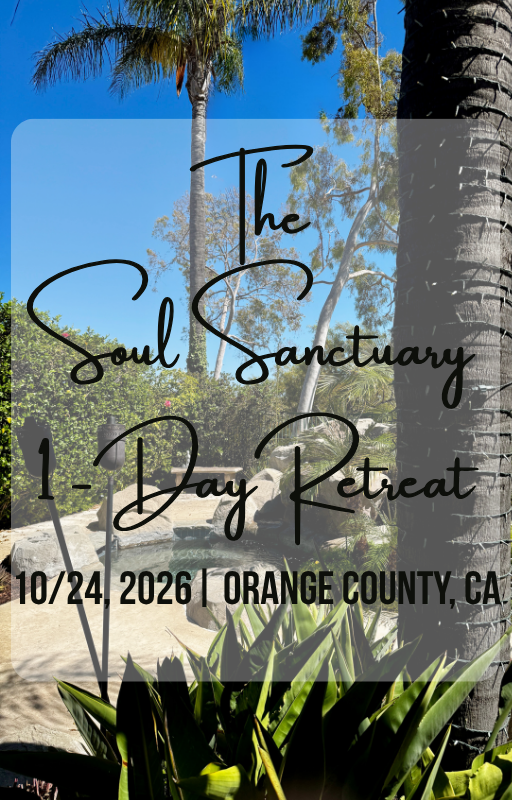
A single question can ignite a friendship—but what happens next? Community-building is a natural next step. That’s why our Friendship After 40 course was designed to turn friendship sparks into lasting networks. And for those seeking immersive experience, The Soul Sanctuary Retreat offers 4 days of curated conversation, shared meals, and meaningful connection – plus a whole lot of fun and adventure!

But you don’t need to attend a retreat to begin. Grab “10 Things to Say When You Don’t Know What to Say” guide as your first step. Use the prompts in gatherings, group settings, or everyday chats. Notice how the tone shifts, how invitations open, how relationships deepen.

Putting It All Together


To recap how better questions lead to deeper connections:

  1. Purposeful prompts invite reflection beyond surface chatter.
  2. Empathic listening validates feelings and fosters reciprocity.
  3. Follow-ups show true interest and encourage further sharing.
  4. Continued use strengthens bonds and builds lasting emotional support.

By weaving these elements into daily interaction, you’ll shift small moments into meaningful progress. And for ongoing support, the Friendship After 40 program and The Soul Sanctuary Retreat offer structures to sustain and elevate your commitment to caring, mindful connection.

Final Invitation


Ready to pivot from polite greetings to purposeful conversation? Begin with the “10 Things to Say When You Don’t Know What to Say” freebie. Let those questions be your conversational compass—and watch how small conversations yield big shifts.

Your journey toward intentional social wellness begins with simple curiosity and thoughtful listening. And as each connection deepens, you enrich not only others—but your own sense of belonging and well-being.

Warmly, Laura

You don’t have to choose between success and well-being. Step away from the chaos, reset your mind and body, and realign with what truly matters. Our wellness retreats, online courses, free resources give you the space to breathe, reflect, and design a life that feels fulfilling—without guilt, without compromise.

Be the first to know about upcoming retreats—join the info list for dates and details.

Let’s stay connected! Follow us on InstagramFacebookYouTubeLinkedIn, and Pinterest, and join the LAYLO Shala for exclusive updates and insights.