
BREAKING THE BURNOUT CYCLE: STRATEGIES FOR LASTING WELLNESS

In our previous articles, we’ve delved into the pressures that lead to burnout, explored its symptoms, and examined how it specifically impacts women, especially the Gen X cohort.

In this final installment, we’ll focus on actionable strategies to avoid burnout and steps to recover if you’re already experiencing it. This comprehensive guide aims to empower you with the tools to reclaim your well-being and thrive.

Preventing Burnout: Proactive Wellness Strategies

1. Prioritize Self-Care

Self-care is not a luxury; it’s a necessity. Incorporate daily practices that nurture your physical, mental, and emotional health. This can include activities like:

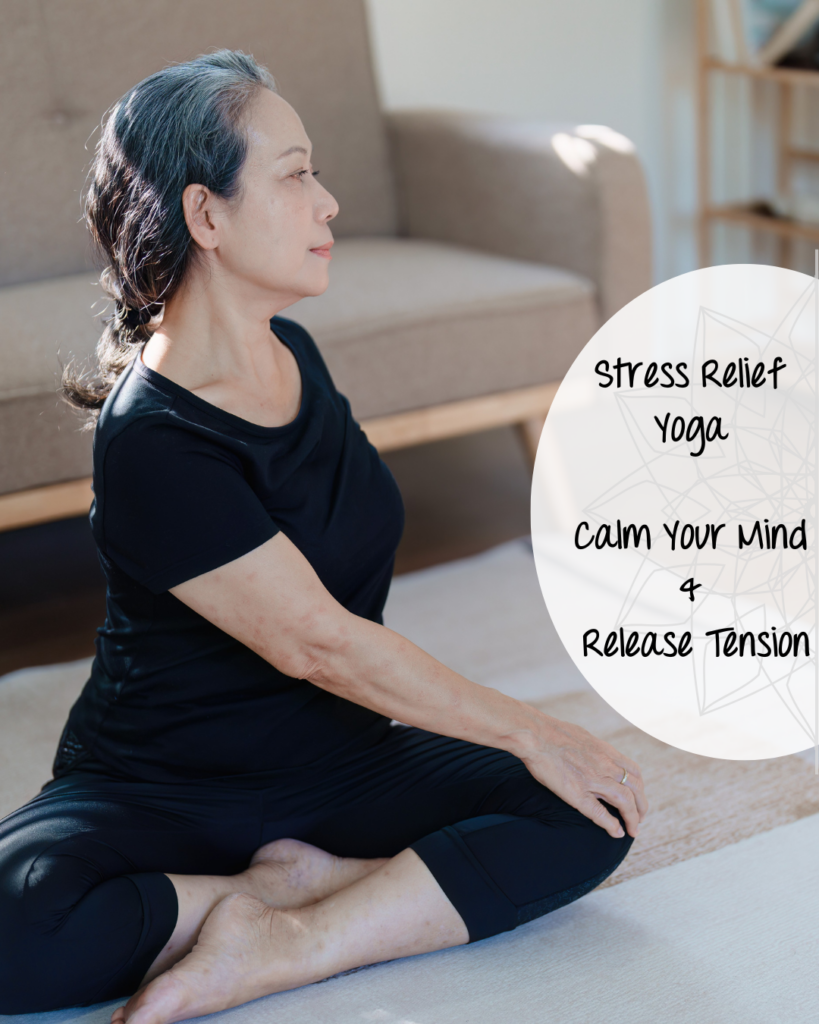
  • Exercise: Regular physical activity, whether it’s yoga, walking, or swimming, can significantly reduce stress levels and improve overall well-being.
  • Sleep: Aim for 7-9 hours of quality sleep each night. Create a relaxing bedtime routine to help you unwind and prepare for restful sleep.
  • Nutrition: Eat a balanced diet rich in fruits, vegetables, lean proteins, and whole grains. Avoid excessive caffeine and sugar, which can lead to energy crashes and mood swings.

2. Set Boundaries

Setting healthy boundaries is crucial to avoid burnout. This involves:

  • Work-Life Balance: Define clear boundaries between work and personal time. For example, avoid checking work emails after hours and take regular breaks during the day.
  • Saying No: It’s okay to decline additional responsibilities that you cannot manage. Overcommitting is a fast track to burnout.
  • Personal Space: Ensure you have time and space for yourself, free from the demands of work and family.

3. Foster Social Connections

Strong social connections can provide emotional support and a sense of belonging. Make time to connect with friends, family, and colleagues. Joining groups or clubs that align with your interests, whether it’s a book club, a fitness class, or a volunteer organization.

4. Manage Stress

Effective stress management techniques are essential for preventing burnout. Consider the following practices:

  • Mindfulness and Meditation: Regular mindfulness practice can help you stay present and reduce anxiety. Apps like Headspace or Calm can guide you through meditation sessions.
  • Hobbies: Engage in activities that you enjoy and that help you relax. This could be anything from gardening to painting to playing a musical instrument.
  • Professional Help: Don’t hesitate to seek help from a therapist or counselor if you’re struggling to manage stress on your own.

Recovering from Burnout: Steps to Rebuild Your Energy

1. Recognize and Accept

The first step in overcoming burnout is acknowledging it. Many women in midlife feel pressure to “power through” fatigue and stress, but this only exacerbates the problem. Accept that you are experiencing burnout and that it’s okay to take a step back.

2. Rest and Recharge

Rest is critical to recovery. Take time off work if possible, or at least reduce your workload. Use this time to:

  • Sleep: Prioritize getting enough rest. Aim to sleep more if you’re feeling particularly exhausted.
  • Disconnect: Limit your use of technology, especially work-related devices. Allow yourself to unplug and disconnect from constant demands.

3. Reevaluate Priorities

Burnout often signals a need for change. Reflect on your current lifestyle and responsibilities:

  • Assess Workload: Identify tasks that are draining your energy. Delegate or eliminate unnecessary obligations.
  • Life Goals: Reevaluate your long-term goals and align your daily activities to support these aspirations. This might involve career changes, pursuing new hobbies, or simplifying your lifestyle.

4. Seek Support

You don’t have to navigate burnout alone. Reach out to others for support:

  • Talk to Your Employer: Discuss your situation with your manager or HR department. They may offer flexible work arrangements or reduced hours.
  • Lean on Loved Ones: Share your feelings with family and friends. Their support can provide emotional relief and practical help.
  • Professional Guidance: Consider working with a coach or therapist to develop a personalized recovery plan.

5. Implement Long-Term Changes

Recovery from burnout is not just about immediate relief; it’s about making sustainable changes to prevent recurrence. Integrate long-term strategies such as:

  • Regular Self-Care: Make self-care a non-negotiable part of your routine.
  • Continuous Learning: Stay informed about burnout prevention and recovery techniques. Resources like Laylo Yoga & Wellness’ Radical Wellness guide offer valuable insights and support.
  • Mindful Living: Cultivate mindfulness in everyday activities to maintain a balanced perspective and reduce stress.

Wellness for the Future

Burnout is a significant challenge, but it can be managed and overcome with the right strategies.

By prioritizing self-care, setting boundaries, fostering social connections, and managing stress effectively, you can prevent burnout from taking hold.

If you are already experiencing burnout, recognize it, take time to rest and recharge, reevaluate your priorities, seek support, and implement long-term changes to rebuild your energy and well-being.

Remember, the journey to recovery and prevention is a personal one. Each step you take towards better self-care and balance is a step towards a healthier, more fulfilling life. For further guidance and support, consider exploring resources from Laylo wellness, where you can find additional tips and practices to enhance your journey toward well-being.

In closing, we hope this series has provided you with valuable insights and practical tools to navigate the complexities of burnout. Embrace the process of self-discovery and healing, and know that you have the power to create a balanced and vibrant life. Stay committed to your well-being, and let each day be a testament to your strength and resilience.

laylo yoga and wellness

You don’t have to choose between success and well-being. Step away from the chaos, reset your mind and body, and realign with what truly matters. Our wellness retreats, online courses, and free resources give you the space to breathe, reflect, and design a life that feels fulfilling—without guilt, without compromise.

Be the first to know about upcoming retreats—join the info list for dates and details.

Let’s stay connected! Follow us on InstagramFacebookYouTubeLinkedIn, and Pinterest, and join the LAYLO Shala for exclusive updates and insights.

THE HIDDEN BURNOUT TRIGGERS DRAINING YOUR ENERGY

Burnout is a growing concern in today’s fast-paced world, affecting individuals across various demographics.

Characterized by emotional exhaustion, depersonalization, and a diminished sense of personal accomplishment, burnout is a state of chronic stress that can severely impact your health, productivity, and quality of life.

Among the myriad causes of burnout, job stress and family responsibilities, including caring for children, grandchildren, and aging parents, are particularly significant. And of critical importance to note, these responsibilities are often things we are happy to do. At first.

The ongoing nature of the tasks involved, the gradual squeezing out of any time for yourself, and the general expectation that you will continue at this pace indefinitely, is often what pushes people from “glad to help” to “how do I get the hell out of here?!”

Let’s dive into these causes, who is affected, and examine why burnout tends to be more pronounced among women.

Job Stress: A Primary Culprit

Job stress is a major contributor to burnout, with numerous studies underscoring its pervasive impact. According to the American Psychological Association (APA), 79% of Americans report experiencing work-related stress.

Key factors contributing to job stress include:

  1. High Workload: Excessive work demands, tight deadlines, and long hours are commonplace in many industries, leading to chronic stress.
  2. Lack of Control: Employees often feel powerless in their roles, lacking control over their work processes or decisions, which exacerbates stress.
  3. Unclear Job Expectations: Uncertain expectations and inconsistent feedback can create confusion and anxiety.
  4. Work-Life Imbalance: The blurring of boundaries between work and personal life, especially with the rise of remote work, makes it challenging to disengage from job-related stressors.

A 2022 Gallup survey revealed that 44% of employees experience significant job-related stress daily, emphasizing the widespread nature of this issue.

Family Responsibilities: The Added Burden

While the World Health Organization categorizes burnout as an “occupational phenomenon”, there is far more to it than that. In addition to job stress, family responsibilities significantly contribute to burnout.

Caring for children, grandchildren, and aging parents presents unique challenges that can strain an individual’s emotional and physical resources.

  1. Childcare: Parenting demands constant attention, emotional support, and physical care, which can be exhausting. According to the Pew Research Center, 41% of working parents find it difficult to manage work and family responsibilities.
  2. Grandparenting: Many grandparents are stepping in to provide childcare, a trend that has increased during the COVID-19 pandemic. The American Grandparents Association reports that nearly 7.8 million children in the U.S. live in households headed by grandparents.
  3. Elder Care: Caring for aging parents involves managing medical appointments, providing daily care, and handling financial and legal matters. AARP estimates that about 53 million Americans are unpaid caregivers, with many reporting high levels of stress.

The Gender Disparity: Why Burnout is Worse for Women

While burnout affects everyone, it disproportionately impacts women due to a combination of societal expectations, workplace dynamics, and family responsibilities.

  1. Societal Expectations: Women often face societal pressure to excel both at work and in their roles as caregivers, leading to unrealistic expectations and chronic stress.
  2. Workplace Inequality: Despite advancements, women still encounter gender discrimination, pay disparities, and limited career advancement opportunities. The World Economic Forum reports that women are less likely to hold senior positions, contributing to job dissatisfaction and burnout.
  3. Double Burden: Women are more likely to shoulder the majority of household and caregiving responsibilities. The International Labour Organization notes that women perform 76.2% of total hours of unpaid care work, significantly more than men.
  4. Emotional Labor: Women are often expected to manage the emotional needs of their families, adding another layer of stress. This invisible labor includes everything from planning family activities to providing emotional support.

A 2020 study by Lean In and McKinsey & Company found that 1 in 4 women were considering downshifting their careers or leaving the workforce due to burnout, highlighting the severe impact of these combined stressors.

What burnout is not

It’s important to understand that burnout it not just a bad day or even a bad week. It’s more than working long hours or juggling too many tasks. These are contributing factors of course.

It is the prolonged nature of these challenges that turn a rough patch into burnout. It’s why taking breaks, setting boundaries, and learning effective coping strategies are so critical.

How do you know if you are experiencing burnout or are headed that way? Take a moment to reflect and honestly ask yourself the following questions:

Emotional Exhaustion

  1. Do I feel emotionally drained and depleted most of the time?
  2. Do I find it difficult to muster the energy to start or complete tasks?
  3. Am I feeling overwhelmed by my responsibilities and tasks?

Physical Symptoms

  1. Am I experiencing frequent headaches, stomach issues, or other physical symptoms that weren’t there before?
  2. Do I feel constantly tired, even after getting enough sleep?
  3. Have my sleep patterns changed significantly (trouble falling asleep, staying asleep, or sleeping too much)?

Cognitive Symptoms

  1. Is it hard for me to concentrate or make decisions?
  2. Do I find myself forgetting things more often than usual?
  3. Am I experiencing a sense of detachment or feeling disconnected from my surroundings or activities?

Emotional Symptoms

  1. Have I become more irritable, impatient, or short-tempered with others?
  2. Do I feel a sense of apathy or lack of interest in things I used to enjoy?
  3. Am I feeling a persistent sense of hopelessness or helplessness?

Behavioral Changes

  1. Have I noticed any changes in my eating habits, such as eating significantly more or less than usual?
  2. Am I withdrawing from social activities or isolating myself from friends and family?
  3. Have my work habits changed, such as procrastinating more or being less productive?

Attitude Towards Work

  1. Do I feel a sense of dread about going to work or starting my workday?
  2. Am I feeling cynical or negative about my job or work environment?
  3. Do I feel unappreciated or undervalued in my work?

Overall Satisfaction

  1. Do I feel a lack of accomplishment or a sense of ineffectiveness in my work or personal life?
  2. Am I questioning whether my work or efforts are making a difference?

Personal Reflection

  1. Am I struggling to find a sense of purpose or meaning in my daily activities?
  2. Do I feel that my work-life balance is heavily skewed or non-existent?
  3. Am I neglecting self-care and not taking time for activities that I find relaxing or enjoyable?

Answering “yes” to several of these questions might indicate that you are experiencing burnout. If this is the case, it may be beneficial to seek support, whether through speaking with a supervisor about your workload, consulting a mental health professional, or finding ways to incorporate more rest and self-care into your routine.

Burnout is real!

Burnout is a multifaceted issue influenced by job stress and extensive family responsibilities. Understanding the underlying causes is crucial for developing effective strategies to mitigate its impact.

For women, the challenge is particularly acute due to the compounded pressures of professional and personal expectations.

Addressing burnout requires a holistic approach that includes workplace reforms, societal support systems, and a shift in cultural norms to promote a more balanced and equitable distribution of responsibilities.

laylo yoga and wellness

You don’t have to choose between success and well-being. Step away from the chaos, reset your mind and body, and realign with what truly matters. Our wellness retreats, online courses, and free resources give you the space to breathe, reflect, and design a life that feels fulfilling—without guilt, without compromise.

Be the first to know about upcoming retreats—join the info list for dates and details.

Let’s stay connected! Follow us on Instagram, Facebook, YouTube, LinkedIn, and Pinterest, and join the LAYLO Shala for exclusive updates and insights.


BUSTING BURNOUT MYTHS

BURNOUT

Unmasking Burnout: Debunking Common Myths

Burnout is an increasingly recognized issue in our fast-paced world, but it’s also widely misunderstood.

Many people attribute burnout to simple dissatisfaction with one’s job or believe it’s solely a job-related issue.

These misconceptions can hinder effective prevention and recovery. Let’s delve into what burnout truly is, what it is not, and debunk some prevalent myths.

Understanding Burnout

Burnout is a state of chronic physical and emotional exhaustion. It is often accompanied by feelings of cynicism and detachment from work or personal life, as well as a sense of reduced accomplishment. It was first recognized in the 1970s by psychologist Herbert Freudenberger, who observed it in professions with high stress levels.

Today, burnout is considered a legitimate occupational phenomenon by the World Health Organization (WHO), which defines it specifically in the context of work. However, understanding it requires recognizing that it extends beyond just job-related issues.

Myth 1: You Don’t Like What You Do

One of the most pervasive myths is that burnout only happens because you don’t like your job. While job dissatisfaction can contribute to it, it is far from the whole story. Many people who love their jobs still experience burnout.

Passionate individuals often push themselves harder, set higher expectations, and may neglect self-care in pursuit of their goals. This is a recipe for burnout. Enjoying your work doesn’t make you immune to the pressures and stresses that cause burnout.

Myth 2: Burnout is Only Job-Related

Another common myth is that this situation is exclusively a job-related issue. While work stress is a significant factor, these feelings can also stem from other areas of life. This might include caregiving responsibilities, personal relationships, or even relentless personal pursuits.

The key elements — exhaustion, cynicism, and feelings of inefficacy—can emerge from any prolonged and intense stress, not just job-related stress.

What It Is

  1. Chronic Stress Response: Burnout is a response to prolonged stress, leading to exhaustion, cynicism, and a feeling of reduced professional efficacy. It’s the result of a constant demand on your resources without adequate time for recovery.
  2. Emotional and Physical Exhaustion: It often manifests as a deep fatigue that isn’t alleviated by rest. This exhaustion impacts both emotional and physical well-being, making it hard to find motivation or energy.
  3. Cynicism and Detachment: People experiencing burnout often become cynical about their work and feel detached from their tasks and colleagues. This can lead to a decline in performance and satisfaction. The same can be true of feelings toward family obligations.
  4. Sense of Inefficacy: It includes a sense of ineffectiveness and lack of accomplishment. Even when tasks are completed, you have a pervasive feeling that nothing is truly achieved.

What It Is Not

  1. Simple Dislike for Work: Disliking your job can cause stress, but burnout is a deeper, more chronic issue. It that goes beyond simple dissatisfaction. It’s an erosion of the soul caused by an imbalance between demands and resources.
  2. A Sign of Weakness: Experiencing burnout doesn’t mean you are weak or incapable. It’s a signal that the environment you’re in, or the way you’re managing stress, is unsustainable. It’s a call to reassess and adjust, not a reflection of personal failure.
  3. A Professional Issue: Burnout isn’t confined to the workplace. Stay-at-home parents, caregivers, students, and anyone facing continuous stress without adequate support can experience burnout.

Addressing Burnout

To effectively combat burnout, it’s crucial to:

  1. Recognize the Signs Early: Understanding the symptoms—chronic fatigue, detachment, and feelings of inefficacy—can help in seeking help sooner.
  2. Promote Work-Life Balance: Ensuring adequate rest, engaging in hobbies, and spending time with loved ones can help mitigate burnout.
  3. Seek Support: Professional help, whether from a mental health professional or a supportive network, can provide strategies and relief.
  4. Prioritize Self-Care: Regular exercise, healthy eating, and mindfulness practices are vital in maintaining overall well-being and resilience against burnout.

Burnout is a complex, multifaceted issue that cannot be reduced to simple dislike for a job or confined to the workplace alone. By debunking these myths and understanding the true nature of it. We can better address it and foster healthier, more sustainable environments both at work and at home.

What Can I Do About It?

We will be talking more about this over the next few posts! Learn to recognize it early, avoid or combat it, and if you are already knee deep, how to overcome it. Stay tuned!

laylo yoga and wellness

You don’t have to choose between success and well-being. Step away from the chaos, reset your mind and body, and realign with what truly matters. Our wellness retreats, online courses, and free resources give you the space to breathe, reflect, and design a life that feels fulfilling—without guilt, without compromise.

Be the first to know about upcoming retreats—join the info list for dates and details.

Let’s stay connected! Follow us on Instagram, Facebook, YouTube, LinkedIn, and Pinterest, and join the LAYLO Shala for exclusive updates and insights.

BATTLING BURNOUT: NAVIGATING MODERN LIFE

Burnout – the struggle is real!

burnout

We are talking about burnout because it’s as real as that third cup of coffee you’re eyeing right now.

It’s that feeling of being utterly drained, mentally fried, and emotionally wrung out. If you’re nodding along, feeling like your life is a constant game of juggling balls made of glass, then you’re not alone.

So, what exactly is burnout? Well, it’s like trying to run a marathon with lead weights strapped to your ankles. It’s that overwhelming sensation of being pulled in a million different directions, with every task feeling like it’s due yesterday and will be due again tomorrow. Sound familiar?

Picture this: you’re juggling a demanding job, maybe climbing the corporate ladder or running your own business.

Now, add in the pressures of dealing with adult kids who still haven’t quite figured out this whole “adulting” thing. You know the drill: they need advice, financial support, emotional reassurance, and maybe grandkid babysitting while they’re at it. And let’s not forget about the job that’s demanding more from you than ever before. Deadlines, meetings, projects – it’s a never-ending cycle.

Another ball to juggle? Taking care of Mom and/or Dad. Doctor’s appointments, medication schedules, making sure they’re comfortable and cared for while trying to navigate the murky waters of healthcare, finances, and emotional support. It’s a whole other level of responsibility.

How does burnout affect us?

Sounds exhausting, doesn’t it? Well, that’s because it is! Burnout doesn’t discriminate; it can strike anyone, regardless of age, gender, or background. It can wreak havoc on both our personal and professional lives faster than you can say “take a breather.” From sleepless nights to snapping at loved ones, the signs are all there.

But for us, seasoned women who’ve seen our fair share of battles, the stakes can feel even higher. We’ve spent decades honing our multitasking skills, balancing countless responsibilities, and putting everyone else’s needs before our own. The harsh truth, however, is that you can’t pour from an empty cup.

There is good news though! There are ways to combat burnout and reclaim your sanity. Here are a few tips to help you kick burnout to the curb:

6 tips to battle burnout

  1. Set Boundaries: Learn to say no without feeling guilty – both at work and at home. You don’t have to be superwoman, and it’s okay to prioritize your own well-being.
  2. Delegate Like a Boss: You don’t have to do it all yourself. Whether it’s at work or within your family, learn to delegate tasks and share the load.
winning burnout battle

3. Prioritize Self-Care: I cannot stress this enough. Self-care isn’t selfish; it’s survival. Make time for the things that bring you joy, whether it’s a bubble bath, a walk in nature, taking a yoga class, or losing yourself in a good book. And don’t skimp on sleep – your body and mind will thank you for it. Prioritize self-care like it’s your job.

4. Seek Support: Don’t be afraid to lean on friends, family, or even professional support if you need it. You’re not in this alone, and it’s okay to ask for help. This could look like hiring a cleaning service, delegating tasks at work, or enlisting your siblings to pitch in with or hire help for caregiving duties for your parents.

5. Find Balance: Balance is key to avoiding burnout. Take a step back and assess your priorities. Are you spreading yourself too thin? Are there areas of your life that need more attention?

6. Practice Mindfulness: In a world that’s constantly pulling us in a million different directions, mindfulness is like a life raft in a stormy sea. Take a few minutes each day to breathe, center yourself, and tune out the noise. Whether it’s meditation, yoga, or simply savoring a cup of tea (or glass of wine!), find what works for you and make it a non-negotiable part of your routine.

Burnout is NOT a badge of honor. It’s okay to take a step back, reassess, and reprioritize. Your mental and emotional well-being should always come first. So, take a deep breath, put down those juggling balls for a moment, and give yourself the grace to recharge.

You’ve got this! ??

laylo yoga and wellness

You don’t have to choose between success and well-being. Step away from the chaos, reset your mind and body, and realign with what truly matters. Our wellness retreats, online courses, and free resources give you the space to breathe, reflect, and design a life that feels fulfilling—without guilt, without compromise.

Be the first to know about upcoming retreats—join the info list for dates and details.

Let’s stay connected! Follow us on Instagram, Facebook, YouTube, LinkedIn, and Pinterest, and join the LAYLO Shala for exclusive updates and insights.

“NO” IS A SUPERPOWER

no is a boundary

You may have heard that “no” is a complete sentence.

Honestly, though, it is more than that: it is a superpower!

NO is all about boundaries

Yep, those little lines we draw to keep ourselves sane amidst the chaos. Whether you’re juggling career, family, aging parents, or all of the above, setting boundaries is like slapping a “Do Not Disturb” sign on your door so you can actually catch a breath.

Picture this: You’re knee-deep in work, trying to meet deadlines and climb that career ladder. But then your phone pings with messages from your kiddos needing help with college issues/grandkids/money troubles, and your mom’s calling about dad’s doctor’s appointment. Sound familiar? Welcome to the life of the modern-day Wonder Woman, where multitasking isn’t just a skill, it’s a way of life.

But here’s the thing – without boundaries, we’re like rubber bands stretched to the breaking point. Sure, we might bend and flex to meet everyone’s needs, but eventually, something’s gotta give. That’s where setting boundaries comes in.

Think of boundaries as your personal force field. They’re not about shutting people out; they’re about protecting your own well-being so you can show up as the best version of yourself. It’s like stabilizing your own footing before helping others climb; you gotta take care of yourself first.

Your boundaries are also not a prison wall – keeping everyone and everything out while sequestering you inside. Healthy boundaries allow for extenuating circumstances, temporary situations, and allowances when needed. The trick is knowing when to allow that flexibility.

One of the biggest challenges we face is the constant tug-of-war between work, family, and everything else life throws our way. We’re the ultimate multitaskers, juggling a million things at once while trying to keep our heads above water. Your secret to staying sane is boundaries. They are the key to finding balance in the chaos.

Let’s break it down:

First off, saying “no” isn’t a bad word

It’s a superpower. Seriously, learning to say no – whether it’s to extra work projects, social obligations, or anything else that doesn’t align with your priorities – is like reclaiming control over your own time and energy.

No doesn’t always mean never, either. It may just mean no for now, until some of your bandwidth opens up.

And trust me, you’ll thank yourself for it later.

Now get assertive

That means speaking up for yourself and setting clear expectations with those around you. Whether it’s letting your boss know you won’t be available after hours or telling your family you need some alone time to recharge, assertive communication is key to establishing healthy boundaries.

And let’s not forget about self-care

I know, I know – it sounds like a buzzword these days, but it’s seriously important. Whether it’s carving out time for a bubble bath, hitting the gym, or simply curling up with a good book, prioritizing self-care is like hitting the reset button on your sanity.

Enter yoga

Since yoga is an exploration of self – your physical and mental limits – it is the perfect support system when exploring boundary setting.

You start with setting boundaries for yourself. What kind of energy will you allow in your space, coming from outside of you or from within? What will you allow in? How will you hold strong?

Yoga gives you a vehicle to practice healthy boundaries while building your mental muscles to deal with external noise. What might that look like?

Let’s say you are in a class and your teacher tells to you to hold a position in a way that doesn’t feel right for your body. Will you force yourself into it? What might happen if you do? Will you honor your body and take another option? How will you determine if that position is truly out of alignment with your body or is just challenging because you have never done it before? When will you say no to it and when will you stretch your comfort zone and give something tough a try?

As you begin to leverage what you learn on the mat into your practice, you gain strength to integrate those learnings into your life off the mat.

Lastly, don’t be afraid to ask for help when you need it

We’re all in this together, and there’s no shame in leaning on your support network when things get tough. Whether it’s delegating tasks to your partner, hiring a house cleaner for a much-needed break, or reaching out to friends for emotional support, remember that you don’t have to do it all alone.

So there you have it – boundaries are the secret sauce to finding balance in a hectic world. By learning to say no, communicating assertively, prioritizing self-care, and asking for help when you need it, you can reclaim control over your own life and show up as the badass Wonder Woman you were always meant to be.

laylo yoga and wellness

You don’t have to choose between success and well-being. Step away from the chaos, reset your mind and body, and realign with what truly matters. Our wellness retreats, online courses, and free resources give you the space to breathe, reflect, and design a life that feels fulfilling—without guilt, without compromise.

Be the first to know about upcoming retreats—join the info list for dates and details.

Let’s stay connected! Follow us on Instagram, Facebook, YouTube, LinkedIn, and Pinterest, and join the LAYLO Shala for exclusive updates and insights.
DIGITAL DETOX AND MINDFUL LIVING IN THE DIGITAL AGE

digital detox

In our fast-paced, digital-driven world, finding moments of tranquility and mindfulness can be a challenge.

On the one hand, the digital landscape offers unprecedented opportunities for networking, productivity, and advancement. However, the line between connectivity and digital addiction can be thin, and the repercussions on personal well-being are significant.

Nonstop connectivity to our screens poses a myriad of dangers for people aiming to excel in their careers. The constant barrage of emails, notifications, and social media updates can lead to heightened stress levels, anxiety, and burnout. As career demands intensify, the temptation to stay plugged in 24/7 becomes more pronounced, jeopardizing not only mental health but also hindering the ability to unwind and recharge.

Detaching from email, text, video games, TV, smartphones, tablets, laptops, and computers periodically allows us to regain control over our lives, fostering a healthier work-life balance.

Finding that balance in our lives is more crucial to our well-being than ever before. Let’s explore the concept of digital detox and how incorporating mindfulness into our daily routines can lead to a more fulfilling and peaceful existence.

The Digital Dilemma

In an era dominated by smartphones, social media, and constant connectivity, it’s easy to become ensnared in the web of digital distractions. While technology has undoubtedly brought convenience and efficiency into our lives, it has also given rise to a new form of addiction—digital addiction. The incessant notifications, endless scrolling, and constant exposure to screens can take a toll on our mental and physical well-being.

The Need for Digital Detox

A digital detox involves consciously and temporarily disconnecting from digital devices to recalibrate and recenter ourselves. As a yoga student, you can think of it as a mental and emotional savasana—a conscious pause to rejuvenate the mind and soul. Here are some practical steps to initiate a digital detox:

1. Set Boundaries:

Establish specific times during the day when you’ll be device-free. This could be during meals, before bedtime, or during your yoga practice. Create sacred spaces where screens are not allowed.

2. Unplug from Social Media:

Consider taking a break from social media platforms. The constant comparison and information overload can contribute to stress and anxiety. Use this time to connect with real-life experiences and relationships.

3. Tech-Free Retreats:

Participate in tech-free retreats where individuals can immerse themselves in yoga, meditation, and nature without the interference of digital devices. This can be a transformative experience, fostering a deeper connection with oneself and others.

  • Mindful Technology Usage Workshops: A digital detox yoga retreat can incorporate workshops on mindful technology usage, empowering participants to establish healthy boundaries in their digital lives.
  • Yoga and Meditation Practices: Engaging in yoga and meditation sessions can help people develop mindfulness skills, allowing them to be present in the moment and reduce reliance on digital distractions.
  • Nature Immersion: Many yoga retreats are set in serene natural environments, offering a break from the digital hustle. Connecting with nature has been proven to reduce stress and promote overall well-being.
  • Community Support: Participating in a yoga retreat fosters a sense of community. Sharing experiences and challenges related to digital detox with like-minded individuals creates a supportive network that extends beyond the retreat.

How Do I Know If I Need a Break?

You may be experiencing the need to back off from tech in a more vague way – feeling overwhelmed or anxious after checking social media. Perhaps realizing you are picking up your phone every few minutes “just to check in”. Or maybe you feel a sense of panic at the thought leaving your phone behind.

Anytime you are looking to remove or limit something in your life, you need to replace it with something else, something more positive and with greater reward. If not, your brain wants to slip back into its familiar patterns.

Nature hates a vacuum!

The Rewards Are Many!

Turn your focus on how you will feel by limiting your digital usage:

  • Improved Mental Health: Constant exposure to screens has been linked to increased stress and anxiety. A digital detox provides an opportunity to reset, reduce mental clutter, and promote overall well-being.
  • Enhanced Productivity: Paradoxically, excessive digital engagement can diminish productivity. Unplugging allows for increased focus and concentration, enabling women to approach tasks with renewed energy and efficiency.
  • Strengthened Relationships: Building and maintaining meaningful connections with friends, family, and colleagues requires genuine, offline interactions. A digital detox allows people to invest time in nurturing these relationships, fostering a sense of connection and support.
  • Increased Creativity: Continuous exposure to digital stimuli can stifle creativity. Stepping away from screens encourages the mind to wander, fostering new ideas and perspectives that might be overlooked in the constant buzz of digital engagement.
  • Better Sleep: Turning off electronic devices a few hours before bed can dramatically improve your ability to fall asleep and have quality sleep.
  • More Time: Less time buried in your screen gives you back time during the day for the things that light you up! Maybe you love to paint, hike, read, cook – whatever makes you happy. Time away from your devices can deepen your joy and satisfaction in life. You can reinvest that time in the things that are about YOU.

Mindful Living in the Digital Age

Mindfulness is at the heart of yoga philosophy, and bringing this awareness into our digital lives can have profound effects. Here’s how you can infuse mindfulness into your daily routine:

1. Conscious Consumption:

Be mindful of the content you consume online. Choose information that uplifts and inspires rather than drains your energy. Unfollow accounts that promote negativity.

2. Tech-Free Yoga Practice:

Designate a specific space for your yoga practice that is free from digital distractions. This sacred space will allow you to immerse yourself fully in the present moment, enhancing the benefits of your practice.

3. Digital Mindfulness Techniques:

Incorporate mindfulness techniques into your digital activities. Practice conscious breathing while responding to emails or take short breaks for mindful stretches during prolonged screen time.

Your Wellbeing Matters!

I encourage you to embrace the concept of digital detox and mindful living. By finding a balance between the digital world and the present moment, we can cultivate a more harmonious and fulfilling life.

Remember, it’s not about completely shunning technology but about using it consciously to enhance, rather than detract from, our overall well-being. So, unplug, unwind, and embark on a journey of digital detox and mindful living—one breath at a time.

You don’t have to choose between success and well-being. Step away from the chaos, reset your mind and body, and realign with what truly matters. Our wellness retreats, online courses, and free resources give you the space to breathe, reflect, and design a life that feels fulfilling—without guilt, without compromise.

Be the first to know about upcoming retreats—join the info list for dates and details.

Let’s stay connected! Follow us on Instagram, Facebook, YouTube, LinkedIn, and Pinterest, and join the LAYLO Shala for exclusive updates and insights.