6 Powerful Exercise Shifts That Boost Mood and Protect Your Social Life

If your mood has felt heavier lately, pay attention.

This isn’t weakness. It isn’t laziness. And it’s not “just stress.”

It’s often biology meeting a sedentary life.

The research on exercise and depression has become impossible to ignore. Large reviews now show that structured exercise can significantly reduce depressive symptoms. In some analyses, the effects look similar to psychotherapy — and in limited head-to-head comparisons, even antidepressant medication.

That doesn’t mean you throw your prescription in the trash.

Medication decisions belong with your physician. Period.

What it does mean is this: movement deserves to be taken seriously as part of your mental health strategy.

For people juggling careers, families, aging parents, and their own expectations — that matters.

Because when your mood dips, your social life quietly shrinks. Plans get canceled. Texts go unanswered. You start telling yourself you’ll reach out when you “feel better,” but isolation lowers stimulation, reduces emotional buffering, and removes the very interactions that help regulate mood.

Over time, that withdrawal feeds the depression, and the depression feeds the withdrawal — a slow downward spiral that affects cognitive health, stress resilience, and even long-term physical outcomes.

Here are six exercise shifts that change that.

Stop Treating Exercise Like It’s About Your Jeans

    This is not about fitting into old denim.

    Exercise alters brain chemistry. It influences serotonin, dopamine, and norepinephrine. It reduces inflammatory markers linked to depressive symptoms. You’ll experience improved sleep architecture and stabilized energy.

    That’s psychiatric support, not vanity.

    Years ago, when my life felt unstable on multiple fronts, movement wasn’t about aesthetics. It was regulation. I found a measure of control when other things felt chaotic. It was proof that I could do something hard and come out stronger.

    If your mood feels unpredictable, start looking at exercise as maintenance for your brain.

    Discuss it with your clinician. Layer it into your care plan intelligently.

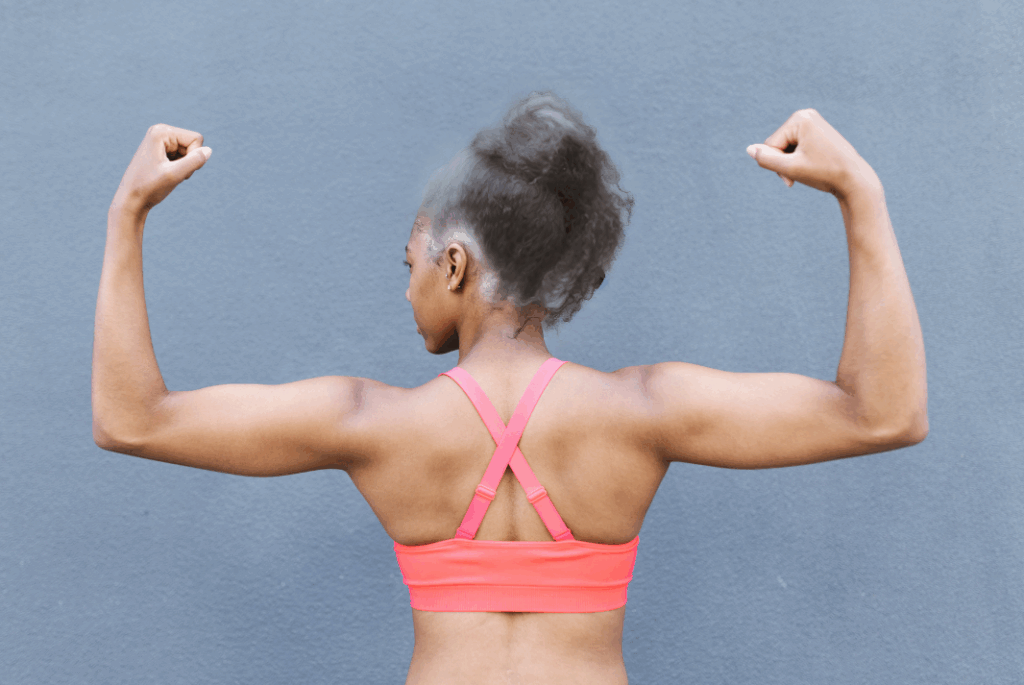
    Lift Heavy. Not Cute. Heavy.

      Resistance training consistently shows meaningful reductions in depressive symptoms across age groups.

      More importantly, it changes how you carry yourself.

      There’s something different about putting weight on a bar and standing up with it. Strength builds competence. Competence builds confidence. Confidence changes how you enter rooms.

      Muscle mass declines after 40. Mood can decline right along with it if you’re not careful.

      Strong women don’t disappear from their own lives as easily. They initiate plans and keep those commitments. They tolerate discomfort better.

      Your friendships benefit from that stability.

      Walk Like It’s Prescribed

        Brisk walking shows up repeatedly in depression research as effective. Nothing fancy required.

        Consistency beats intensity here.

        Thirty minutes. Most days of the week. No drama.

        Now add a layer most people skip.

        Invite someone.

        Meet at the same time every week. Take the same route. Let familiarity do the heavy lifting.

        Friendship erodes when repetition disappears. Walking restores repetition without turning connection into an obligation.

        Put Yourself in Rooms With Other People

          Depression narrows your world. It convinces you staying home is safer.

          Group exercise pushes back without forcing vulnerability.

          You show up, move, and leave. Over time, faces become familiar. Conversations grow organically.

          Research suggests group-based exercise may amplify mood improvements, likely because social interaction is built in.

          No awkward icebreakers. No small talk marathons. Just shared effort.

          That’s enough.

          Protect Consistency Like It’s Non-Negotiable

            Motivation fluctuates when mood fluctuates. Waiting to “feel like it” is a losing strategy. Don’t be fooled into thinking the motivation fairy is going to show up to get you out the door.

            Adherence predicts outcome in exercise research. Regular, moderate sessions outperform sporadic bursts of intensity.

            Put workouts on your calendar like client meetings. Cancel something else before you cancel that.

            Stable sleep improves emotional regulation. Stable energy reduces irritability. Regulated mood makes you more socially available.

            Less canceling. Fewer withdrawals. Stronger bonds.

            Pair Movement With Intentional Social Repetition

              Adults over 50 report having fewer close friends than they did decades ago. Some report none. Social isolation increases mortality risk and is linked to higher dementia rates.

              Those are not soft statistics.

              Physical inactivity and social disconnection often travel together. Exercise can interrupt both.

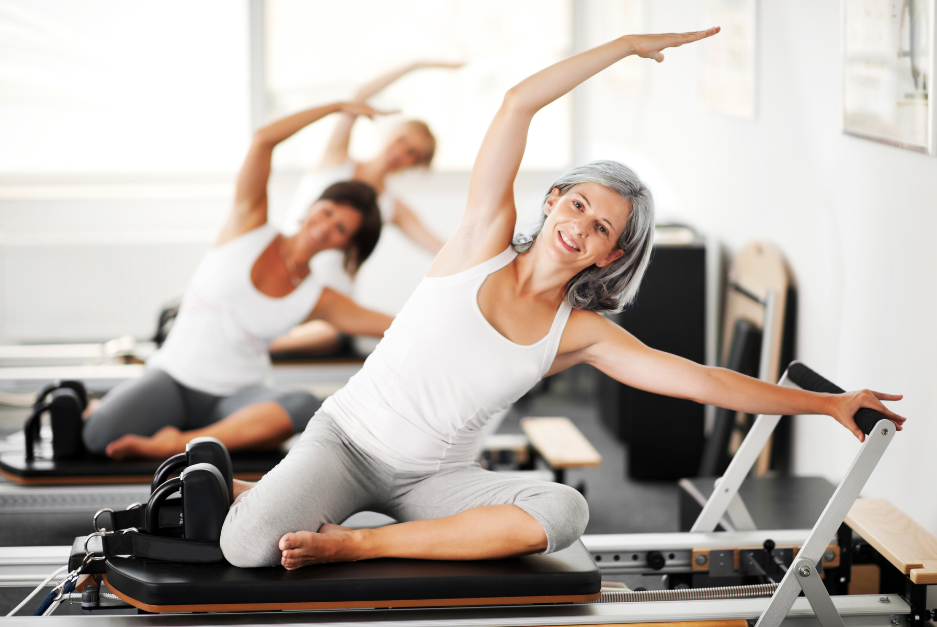
              Walking meetings. Weekly strength classes. Saturday hikes. A standing commitment that puts you in the same place at the same time with the same people.

              If conversation feels rusty, that’s normal. You’ve spent years managing logistics, not nurturing new friendships. Social reps work like muscle reps. They return with practice. Not sure how to get started? Find support from experts who can show you the ropes.

              A Clear Line in the Sand

              Exercise can significantly reduce depressive symptoms.

              It can complement therapy and medication.

              It should never replace prescribed treatment without medical supervision.

              Stopping antidepressants abruptly can cause withdrawal symptoms or relapse. Any treatment changes belong in a conversation with your healthcare provider.

              Be smart. Be strategic.

              Where This Lands

              You want steadier mood.
              You want more energy.
              And you want friendships that don’t feel like effort.

              Movement is one of the few interventions that touches all three at once.

              A stronger body supports a steadier mind. A steadier mind supports better connection. Better connection supports long-term health.

              That’s not hype.

              That’s leverage.

              Warmly, Laura

              LAYLO wellness centers social wellness—supported by mental clarity and movement—to help you live and work with more steadiness, connection, and longevity.

              The LAYLO Editis where I share thoughtful, practical insight for real life.
              Join for updates on upcoming experiences, including The LAYLO Collective, a small-group social wellness experience designed for real life, and Wellness Retreats.

              Follow along on Instagram, Facebook, YouTube, LinkedIn, and Pinterest.
              5 EXPERT TIPS TO RECLAIM YOUR FITNESS AFTER 40

              Reclaim Your Fitness!

              reclaim your fitness after 40

              Rebuilding physical health in midlife is more than just hitting the gym.

              It’s about redefining strength to support a thriving social life and a renewed sense of personal agency.

              For women in their 40s and 50s, particularly those navigating new chapters, physical fitness becomes a foundation for deeper connection and emotional well-being.

              Research shows that physical activity positively correlates with improved mood, increased energy, and greater social engagement. Yet, a 2023 report by the National Center for Health Statistics revealed that nearly 45% of women between 45 and 64 do not meet recommended physical activity guidelines. That gap doesn’t just impact cardiovascular health or flexibility—it can subtly erode confidence and reduce motivation to connect with others.

              Here are five evidence-based strategies to help reclaim your fitness and energize your midlife journey:

              1. Prioritize Functional Strength


              Rather than focusing solely on appearance, shift your attention to building functional strength. Exercises that mimic daily movements—like squats, lunges, and overhead presses—not only improve balance and coordination but also support everyday ease. Strength training twice a week can significantly improve bone density and muscle mass, which naturally decline after 40. According to the National Osteoporosis Foundation, women can lose up to 20% of their bone density in the five to seven years following menopause, making strength training a critical component of wellness.

              Functional training also supports metabolic health. A study published in the Journal of Aging and Physical Activity found that older adults who engaged in strength training experienced better glucose regulation and metabolic profiles than their sedentary peers.

              2. Make Movement Social


              Physical activity doesn’t have to be a solo endeavor. Walking groups, dance classes, or weekend hikes with friends are excellent ways to integrate social connection with fitness. Research from the American Journal of Health Promotion found that group exercise participants report higher satisfaction and lower stress levels than those who exercise alone. Moreover, studies have shown that social exercise increases adherence to movement routines by up to 76%, reinforcing both consistency and connection.

              Movement with others also creates shared memories and trust, essential elements for meaningful friendships. For those rebuilding or expanding their social circles, fitness becomes a safe and enjoyable gateway to connection.

              3. Honor Recovery as a Ritual


              Recovery is not optional in midlife—it’s essential. Muscles repair and grow during rest, not during exertion. Prioritize sleep, stay hydrated, and integrate practices like yoga, stretching, or foam rolling. These not only aid physical recovery but foster moments of reflection and calm, helping you stay present in your relationships and routines.

              The Sleep Foundation reports that adults over 40 often struggle with consistent, restorative sleep. Regular physical activity has been shown to improve sleep quality, but only when paired with adequate recovery. A 2020 study in Frontiers in Psychology found that active recovery practices, such as yoga and breathwork, significantly reduce cortisol levels and improve emotional resilience.

              4. Reframe Cardio as Exploration


              Let go of the treadmill dread. Choose cardiovascular activities that feel like adventures: cycling new routes, swimming laps in open water, or brisk walks in nature. Cardiovascular health supports brain function, which in turn helps you stay sharp and socially engaged. The Alzheimer’s Association notes that regular aerobic activity can lower the risk of cognitive decline and improve memory.

              Additionally, the Harvard T.H. Chan School of Public Health emphasizes that regular physical activity can reduce symptoms of anxiety and depression. Their research shows that people who engage in consistent aerobic exercise experience a 26% lower risk of developing depression. Physical movement, they assert, is one of the most effective natural ways to enhance mental health at any age.

              5. Track Progress, Not Perfection

              Celebrate the wins that matter. Maybe it’s carrying groceries with ease or climbing stairs without fatigue.

              Tracking progress through a journal or app can provide clarity and encouragement.

              The goal isn’t perfection—it’s forward movement that supports your social and emotional vitality.

              Keeping a visual log of milestones—whether in the form of notes, charts, or photos—can increase motivation and foster a deeper connection to your personal goals. A 2021 study published in Health Psychology found that individuals who self-monitor their exercise were more than twice as likely to meet fitness goals over a six-month period compared to those who did not.

              Bonus Tip: Train Your Balance


              Balance training is an often-overlooked element of midlife fitness, yet it’s critical for maintaining independence and preventing injury. The risk of falling increases significantly with age. According to the Centers for Disease Control and Prevention (CDC), one in four adults over 65 falls each year, and falls are the leading cause of injury-related deaths in this age group. Even non-fatal falls can lead to serious consequences, such as fractures, long-term hospitalization, or reduced mobility.

              Incorporating balance exercises—such as single-leg stands, heel-to-toe walking, or tai chi—into your routine can improve proprioception and lower-body strength. A 2020 meta-analysis in the British Journal of Sports Medicine found that balance training reduced fall risk by up to 37% among older adults. Early adoption of these exercises in your 40s and 50s can set the foundation for long-term safety and confidence.

              Failing to engage in regular fitness during midlife doesn’t just impact physical health. A sedentary lifestyle is linked to increased risk of depression, decreased social engagement, and even cognitive decline. According to the Mayo Clinic, regular exercise helps release endorphins, promotes better sleep, and improves interpersonal responsiveness.

              These tips offer more than a path to physical strength—they open the door to richer conversations, shared experiences, and deeper friendships. As you build strength, you reinforce your capacity for presence, connection, and vitality.

              Explore tools like our 10 Things to Say When You Don’t Know What to Say to bring more intention to your social moments, or deepen your journey with Friendship After 40: The Blueprint to Finding Your People. Ready to take it even further? Our immersive Soul Sanctuary Retreat integrates wellness, movement, and authentic bonding for lasting transformation.

              Strength supports connection. And connection, in midlife, is everything.

              laylo wellness

              You don’t have to choose between success and well-being. Step away from the chaos, reset your mind and body, and realign with what truly matters. Our wellness retreats, online courses, and free resources give you the space to breathe, reflect, and design a life that feels fulfilling—without guilt, without compromise.

              Be the first to know about upcoming retreats—join the info list for dates and details.

              Let’s stay connected! Follow us on InstagramFacebookYouTubeLinkedIn, and Pinterest, and join the LAYLO Shala for exclusive updates and insights.