7 Powerful Movement Habits That Strengthen Your Brain, Body, and Friendships

You already know movement matters. That part isn’t new.

What tends to get missed is how closely movement ties into how you think, how steady you feel day to day, and how connected you stay to other people. These don’t operate separately. They influence each other more than most people realize.

At this stage of life, you’re managing a lot. Work, family, responsibilities that don’t leave much room for trial and error. Your body may not feel as cooperative as it once did either. Still, the goal remains the same.

You want to stay sharp. You want to stay capable. You want relationships that feel easy, not forced.

Movement supports all of that in a very real, practical way.

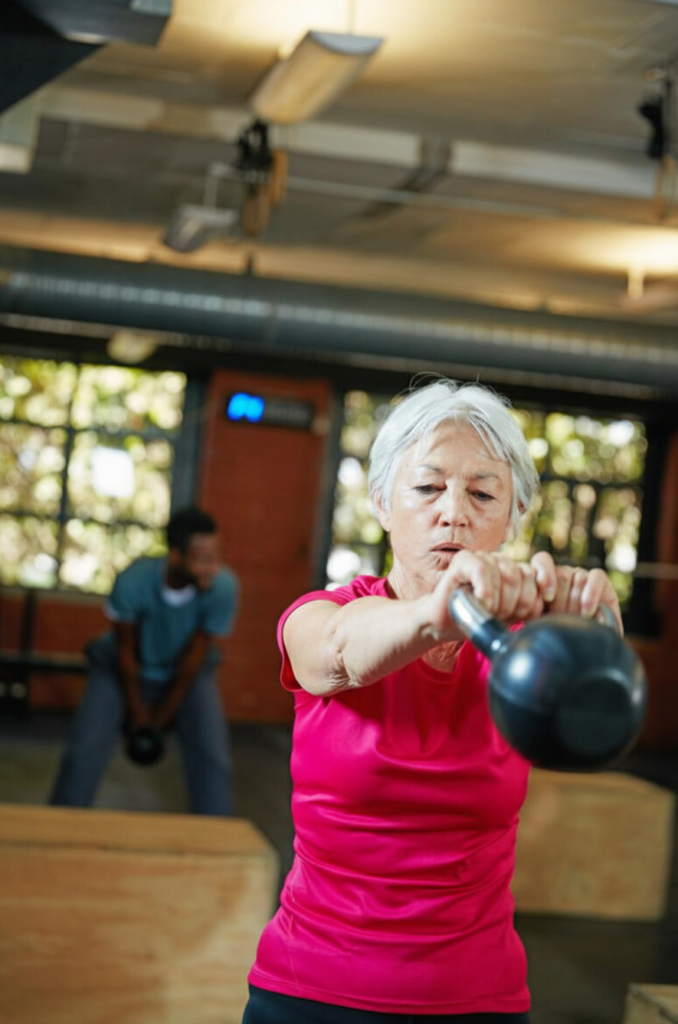
1. Lift Heavy Things. Yes, You Still Need To.

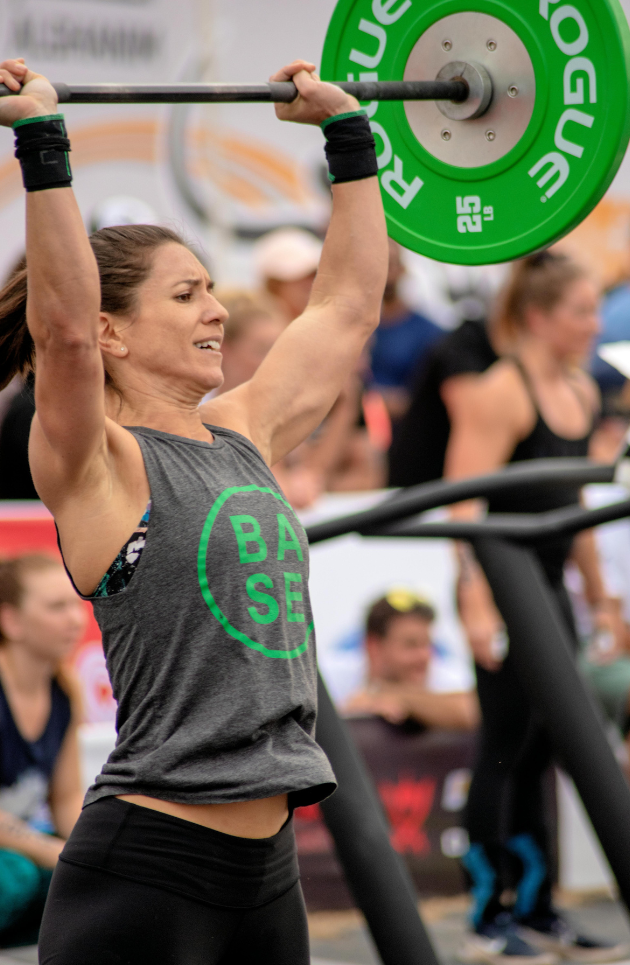
Strength training changes the trajectory of how you age, both physically and cognitively. It supports memory, focus, and overall brain function. It also keeps you capable in your everyday life, which becomes more important with each passing year.

And this is where many people start negotiating.

They switch to lighter weights. They avoid anything that feels challenging. They tell themselves they’ll get back to it later.

That’s usually when strength starts to decline.

Your body needs resistance. Not reckless intensity, but enough load to signal that strength still matters. That signal carries through your muscles, your bones, and your brain.

Work with where you are. That part is non-negotiable.

I have osteoarthritis in my back, hips, feet, and hands, and it’s moving into my knees. I still lift three times a week. I teach yoga three times a week. I walk most days. Some days I move slower. Some days I scale things back.

I don’t stop.

Because once you stop, it gets harder to start again. Strength fades, then confidence follows. That’s a cycle you want to interrupt early.

Of course, pay attention to sharp or unfamiliar pain. That’s your body asking for adjustment, not stubbornness. At the same time, general aches are part of having a body that has been used. You work with that, not against it.

2. Keep Your Movement Predictable Enough to Stick

There’s a tendency to overcomplicate fitness, especially when motivation dips. New plans, new classes, new goals every few weeks.

That approach usually burns out quickly.

Your brain responds better to patterns it can rely on. When movement becomes predictable, it lowers the mental effort required to keep going. You don’t debate it. You just do it.

That might look like a regular walking route most days of the week, strength training on set days, or a class you attend without having to convince yourself first.

Consistency builds a rhythm your body and mind both recognize. That rhythm supports focus, reduces stress, and makes the habit easier to maintain long term.

Of course, you want to mix things up occasionally. Trying something new is a good thing. It’s just that you want to find what you like, what you will keep doing consistently, and then mix it up within that framework. The goal is to keep yourself moving.

3. Put Yourself in Rooms Where Movement and People Overlap

Connection often feels harder now than it did years ago. Not because you’ve changed, but because your environment has.

Work is demanding. Social circles shift. Free time shrinks.

Movement solves part of that problem by creating built-in opportunities to be around other people without pressure.

You don’t need to walk into a room and make instant friendships. You need repeated exposure. Familiar faces. Small interactions that gradually become something more.

A group class. A gym where you recognize people. A weekly walk with someone who lives nearby.

Those moments seem small, but they compound.

Strong social ties are directly linked to better brain health and longer life expectancy. On the other side, a lack of meaningful connection increases the risk of cognitive decline and chronic health issues.

That’s not abstract. That shows up in how you feel and function over time.

4. Use Movement as a Reset, Not a Reward

A lot of people treat movement as something they earn once everything else is done.

That mindset doesn’t hold up when life gets busy.

Movement works better as a reset button you use throughout your week. It helps regulate stress, clear mental buildup, and improve your ability to focus.

You don’t need a perfect mood to start. You just need to begin. Motivation is not part of this equation. Waiting for the motivation fairy to sprinkle you with “I can’t wait to work out” energy is not going to happen. Schedule it in. Then do it.

A walk after a long day can shift your energy more effectively than sitting and replaying everything that went wrong. A strength session can cut through mental fog that’s been hanging around for hours.

This is one of the simplest ways to support your mental state without overthinking it.

5. Train for the Life You Actually Live

It’s easy to get pulled into workouts that look good but don’t translate into anything useful.

What matters more is whether your training supports your real life.

Can you carry what you need without hesitation? Can you move through your day without feeling fragile or limited? Do you trust your body to handle what’s in front of you?

Muscle plays a central role in all of that. After 40, muscle mass declines steadily if you don’t actively maintain it. Bone density follows a similar pattern, increasing the risk of injury over time.

Strength training helps counter both.

We aren’t talking about getting extreme. We are aiming to stay capable in ways that keep your life open and flexible.

6. Combine Movement and Social Time So It Actually Happens

One of the biggest barriers to maintaining friendships is time. Not lack of interest, just lack of space in the calendar.

You can solve that by overlapping movement with connection.

Walk with a friend instead of meeting for coffee. Take a class together. Set a recurring plan so you’re not constantly coordinating schedules.

This removes friction. It also creates consistency, which is where most friendships either grow or fade.

Many women at this stage report having fewer than three close friends they can rely on. That number doesn’t drop because people stop caring. It drops because connection isn’t built into daily life anymore.

Movement gives you a way to rebuild that structure without adding more pressure.

7. Stay in Motion, Even When It’s Not Your Best Day

There will be days when your body feels off. Days when your energy is low, or your motivation is nowhere to be found. See motivation fairy above.

Those days matter more than the easy ones.

You don’t need to push through at full intensity. You do need to stay in motion.

Shorten the workout. Lighten the load. Change what you’re doing.

Keep the habit intact.

That consistency supports your brain, your physical strength, and your ability to stay engaged with your life. When the habit disappears, it becomes hard to rebuild.

Where This Starts to Shift Things

When movement becomes part of your routine, you will experience changes beyond the physical. Take the time to really notice it.

Your thinking feels clearer. Your reactions soften. You have more capacity for the people around you.

You also find it easier to stay connected because you’re already placing yourself in environments where connection can happen naturally.

And if you’re out of practice socially, you’re not alone in that. It’s a skill that fades when you don’t use it. Tools like 10 Things to Say When You Don’t Know What to Say help remove that initial friction so you’re not second-guessing every interaction.

Staying sharp, strong, and connected doesn’t happen by accident.

It comes from what you do consistently.

Warmly, Laura

LAYLO wellness centers social wellness—supported by mental clarity and movement—to help you live and work with more steadiness, connection, and longevity.

The LAYLO Editis where I share thoughtful, practical insight for real life.
Join for updates on upcoming experiences, including The LAYLO Collective, a small-group social wellness experience designed for real life, and Wellness Retreats.

Follow along on Instagram, Facebook, YouTube, LinkedIn, and Pinterest.
6 Powerful Exercise Shifts That Boost Mood and Protect Your Social Life

If your mood has felt heavier lately, pay attention.

This isn’t weakness. It isn’t laziness. And it’s not “just stress.”

It’s often biology meeting a sedentary life.

The research on exercise and depression has become impossible to ignore. Large reviews now show that structured exercise can significantly reduce depressive symptoms. In some analyses, the effects look similar to psychotherapy — and in limited head-to-head comparisons, even antidepressant medication.

That doesn’t mean you throw your prescription in the trash.

Medication decisions belong with your physician. Period.

What it does mean is this: movement deserves to be taken seriously as part of your mental health strategy.

For people juggling careers, families, aging parents, and their own expectations — that matters.

Because when your mood dips, your social life quietly shrinks. Plans get canceled. Texts go unanswered. You start telling yourself you’ll reach out when you “feel better,” but isolation lowers stimulation, reduces emotional buffering, and removes the very interactions that help regulate mood.

Over time, that withdrawal feeds the depression, and the depression feeds the withdrawal — a slow downward spiral that affects cognitive health, stress resilience, and even long-term physical outcomes.

Here are six exercise shifts that change that.

Stop Treating Exercise Like It’s About Your Jeans

    This is not about fitting into old denim.

    Exercise alters brain chemistry. It influences serotonin, dopamine, and norepinephrine. It reduces inflammatory markers linked to depressive symptoms. You’ll experience improved sleep architecture and stabilized energy.

    That’s psychiatric support, not vanity.

    Years ago, when my life felt unstable on multiple fronts, movement wasn’t about aesthetics. It was regulation. I found a measure of control when other things felt chaotic. It was proof that I could do something hard and come out stronger.

    If your mood feels unpredictable, start looking at exercise as maintenance for your brain.

    Discuss it with your clinician. Layer it into your care plan intelligently.

    Lift Heavy. Not Cute. Heavy.

      Resistance training consistently shows meaningful reductions in depressive symptoms across age groups.

      More importantly, it changes how you carry yourself.

      There’s something different about putting weight on a bar and standing up with it. Strength builds competence. Competence builds confidence. Confidence changes how you enter rooms.

      Muscle mass declines after 40. Mood can decline right along with it if you’re not careful.

      Strong women don’t disappear from their own lives as easily. They initiate plans and keep those commitments. They tolerate discomfort better.

      Your friendships benefit from that stability.

      Walk Like It’s Prescribed

        Brisk walking shows up repeatedly in depression research as effective. Nothing fancy required.

        Consistency beats intensity here.

        Thirty minutes. Most days of the week. No drama.

        Now add a layer most people skip.

        Invite someone.

        Meet at the same time every week. Take the same route. Let familiarity do the heavy lifting.

        Friendship erodes when repetition disappears. Walking restores repetition without turning connection into an obligation.

        Put Yourself in Rooms With Other People

          Depression narrows your world. It convinces you staying home is safer.

          Group exercise pushes back without forcing vulnerability.

          You show up, move, and leave. Over time, faces become familiar. Conversations grow organically.

          Research suggests group-based exercise may amplify mood improvements, likely because social interaction is built in.

          No awkward icebreakers. No small talk marathons. Just shared effort.

          That’s enough.

          Protect Consistency Like It’s Non-Negotiable

            Motivation fluctuates when mood fluctuates. Waiting to “feel like it” is a losing strategy. Don’t be fooled into thinking the motivation fairy is going to show up to get you out the door.

            Adherence predicts outcome in exercise research. Regular, moderate sessions outperform sporadic bursts of intensity.

            Put workouts on your calendar like client meetings. Cancel something else before you cancel that.

            Stable sleep improves emotional regulation. Stable energy reduces irritability. Regulated mood makes you more socially available.

            Less canceling. Fewer withdrawals. Stronger bonds.

            Pair Movement With Intentional Social Repetition

              Adults over 50 report having fewer close friends than they did decades ago. Some report none. Social isolation increases mortality risk and is linked to higher dementia rates.

              Those are not soft statistics.

              Physical inactivity and social disconnection often travel together. Exercise can interrupt both.

              Walking meetings. Weekly strength classes. Saturday hikes. A standing commitment that puts you in the same place at the same time with the same people.

              If conversation feels rusty, that’s normal. You’ve spent years managing logistics, not nurturing new friendships. Social reps work like muscle reps. They return with practice. Not sure how to get started? Find support from experts who can show you the ropes.

              A Clear Line in the Sand

              Exercise can significantly reduce depressive symptoms.

              It can complement therapy and medication.

              It should never replace prescribed treatment without medical supervision.

              Stopping antidepressants abruptly can cause withdrawal symptoms or relapse. Any treatment changes belong in a conversation with your healthcare provider.

              Be smart. Be strategic.

              Where This Lands

              You want steadier mood.
              You want more energy.
              And you want friendships that don’t feel like effort.

              Movement is one of the few interventions that touches all three at once.

              A stronger body supports a steadier mind. A steadier mind supports better connection. Better connection supports long-term health.

              That’s not hype.

              That’s leverage.

              Warmly, Laura

              LAYLO wellness centers social wellness—supported by mental clarity and movement—to help you live and work with more steadiness, connection, and longevity.

              The LAYLO Editis where I share thoughtful, practical insight for real life.
              Join for updates on upcoming experiences, including The LAYLO Collective, a small-group social wellness experience designed for real life, and Wellness Retreats.

              Follow along on Instagram, Facebook, YouTube, LinkedIn, and Pinterest.

              7 Winter Wellness Rituals That Actually Fit Into a Full Life

              As the temperature drops and daylight shortens, so does the natural inclination to withdraw.

              Cold seasons often invite us to retreat indoors and hibernate, but this can quietly chip away at both our physical fitness and sense of connection.

              For many, the winter months can also amplify an already subtle ache for deeper friendships and sustained energy. This season holds a unique opportunity: to reclaim both movement and connection in ways that ground and energize.

              Why Cold-Season Rituals Matter More Than Ever

              Winter has a measurable effect on both body and mind. Research from the CDC notes that physical activity in adults significantly declines during colder months, and this drop is more pronounced in women over 45. What starts as skipping a walk due to cold can quickly become a pattern of decreased mobility, lower mood, and diminished connection.

              At the same time, studies from the National Institute on Aging show that people with fewer meaningful social interactions face increased risks of cognitive decline, heart disease, and even shortened lifespans. Movement and social engagement are not seasonal luxuries. They are non-negotiable pillars of midlife wellness.

              7 Rituals to Reclaim Energy and Connection This Winter

              These winter wellness rituals are designed to be sustainable, nourishing, and genuinely effective. Choose one or two to start, and let them anchor your season.

              1. The 15-Minute Morning Movement
              Begin the day with gentle motion: yoga stretches, a short walk, or resistance band work. Keep it simple and consistent. This ritual awakens your body and signals the start of a day centered on care rather than urgency.

              2. The Connection Walk
              Bundle up and walk while leaving a voice message for someone you miss. Or schedule a walk-and-talk with a friend. Movement paired with connection builds momentum in both areas.

              3. The Window Stretch Reset
              In the afternoon slump, stand by a window for five minutes and move gently: neck rolls, hamstring stretches, shoulder openers. Let natural light reset your internal rhythms.

              4. The Two-Way Check-In
              Every week, choose two people to reach out to: one to check in on, and one to open up with. Use a prompt from 10 Things to Say When You Don’t Know What to Say if conversation feels rusty.

              5. The Cozy Gathering
              Plan one simple in-person event for the month: a soup swap, book circle, or tea hour. Keep the vibe low-prep and authentic. These grounded rituals lay the foundation for lasting connection.

              6. The Movement Buddy Ritual
              Commit to a weekly movement session with someone else—even virtually. Shared accountability makes movement more enjoyable and more likely to happen.

              7. The Restorative Review
              Each Sunday evening, take 10 minutes to review what felt good that week. Was it the walk? The text exchange? The stretch? Let what worked guide the week ahead.

              Why These Rituals Work

              Each of these seven rituals blends movement and social nourishment in small, doable ways.

              Research from Brigham Young University shows that strong social ties increase survival rates by over 50%. Meanwhile, studies on behavior change confirm that pairing movement with existing routines makes it more likely to stick.

              More importantly, these rituals remind you that wellness doesn’t require an overhaul. Just intention, consistency, and a willingness to show up for yourself in small ways.

              Let Winter Teach You How to Reconnect

              Winter invites inwardness—not isolation, but inner recalibration. It’s a season that can strengthen your inner circle and your physical body, if you let it. The key is not to fight the season, but to work with it. To create rituals that invite movement and connection in small, sustaining ways.

              Start with just one change. One friend. One movement ritual. Then let it grow.

              What You Can Do Today

              1. Text one person and invite them for a short walk this weekend.
              2. Try a new movement class online that feels fun and approachable.
              3. Use a prompt from 10 Things to Say When You Don’t Know What to Say to restart a paused conversation.
              4. Explore the Blueprint if your social landscape feels like it’s shifted and you’re unsure where to begin.
              5. Consider a Soul Sanctuary Retreat to immerse yourself in deep rest, movement, and connection without pressure.

              Make This Season Work For You

              You don’t have to wait for spring to feel better. Winter can be a season of clarity, connection, and strength—if you claim it. The routines you choose now can shape how you feel not just in the cold months, but long after. This isn’t about doing more. It’s about choosing what truly sustains you.

              Warmly, Laura

              You don’t have to choose between success and well-being. Step away from the chaos, reset your mind and body, and realign with what truly matters. Our wellness retreats, online courses, free resources give you the space to breathe, reflect, and design a life that feels fulfilling—without guilt, without compromise.

              Be the first to know about upcoming retreats—join the info list for dates and details.

              Let’s stay connected! Follow us on InstagramFacebookYouTubeLinkedIn, and Pinterest, and join the LAYLO Shala for exclusive updates and insights.

              WHY MOVEMENT BUILDS MORE THAN MUSCLE AFTER 40

              Evidence-based strategies to build strength, self-esteem, and social bonds in midlife.

              As individuals reach their 40s and beyond, the benefits of physical activity go far beyond muscle tone and cardiovascular health.

              Recent science shows that regular movement becomes a cornerstone for cultivating confidence, social courage, and psychological openness—qualities that enrich both physical wellness and interpersonal connection.

              The Physical Foundation: Strength, Stability, and Resilience

              At a physiological level, movement and strength training offer tangible, measurable advantages for adults over 40. In particular, resistance training supports bone density, critical for women who face increased osteoporosis risk during and after menopause. Studies show that strength training twice a week can significantly reduce the risk of fractures, improve insulin sensitivity, and boost metabolic rate even at rest. Women who engaged in consistent strength training saw up to a 4.5% increase in lean body mass and a 1–3% reduction in body fat within six months. Beyond body composition, movement improves joint stability, posture, and balance—directly reducing fall risk and supporting greater independence as people age. These gains form the bedrock on which emotional, social, and psychological benefits can grow.

              The Confidence–Movement Connection

              Physical activity is one of the most reliable ways to build self-regard in midlife. Multiple studies focused on adults aged 45–60 found that those with higher activity levels reported significantly better self-esteem. One systematic review of older adults concluded that every study showed regular physical activity improves self-esteem—whether walking, yoga, or moderate aerobic exercise.

              Why does this matter? Because confidence acts as a gateway to social openness. When individuals feel physically capable, they’re more likely to engage in novel experiences and build new relationships. Exercise becomes a psychological workout as much as a physical one—each success builds self-efficacy, which spill over into social domains.

              Movement Supports Social Engagement

              This effect isn’t just hypothetical. Research from the 1970 British Cohort Study (participants tracked from their 40s) shows those who stayed involved in societies or clubs had 6% higher daily step counts and exercised about 30 minutes more weekly at age 46 compared to those who didn’t. Their lifestyle was shaped not only by fitness but by community ties that reinforced healthy habits.

              This aligns with the “activity theory of aging,” which suggests staying socially active leads to better outcomes as people grow older. Physical activities often double as social rituals—group hikes, dance nights, pickleball meetups—that foster psychological well-being and sense of belonging.

              Openness to New Experiences & Social Curiosity

              One often-overlooked benefit of midlife movement is its impact on openness to experience—a trait linked to creativity, emotional awareness, and curiosity. Exercise, especially novel forms like dance or team sports, invites adults to try unfamiliar patterns, learn new skills, and meet different people. These experiences can stimulate the cognitive flexibility and fluid consciousness that define openness.

              Dance as a Unique Catalyst

              Dance offers a prime example of how movement enhances both physical and social pathways.

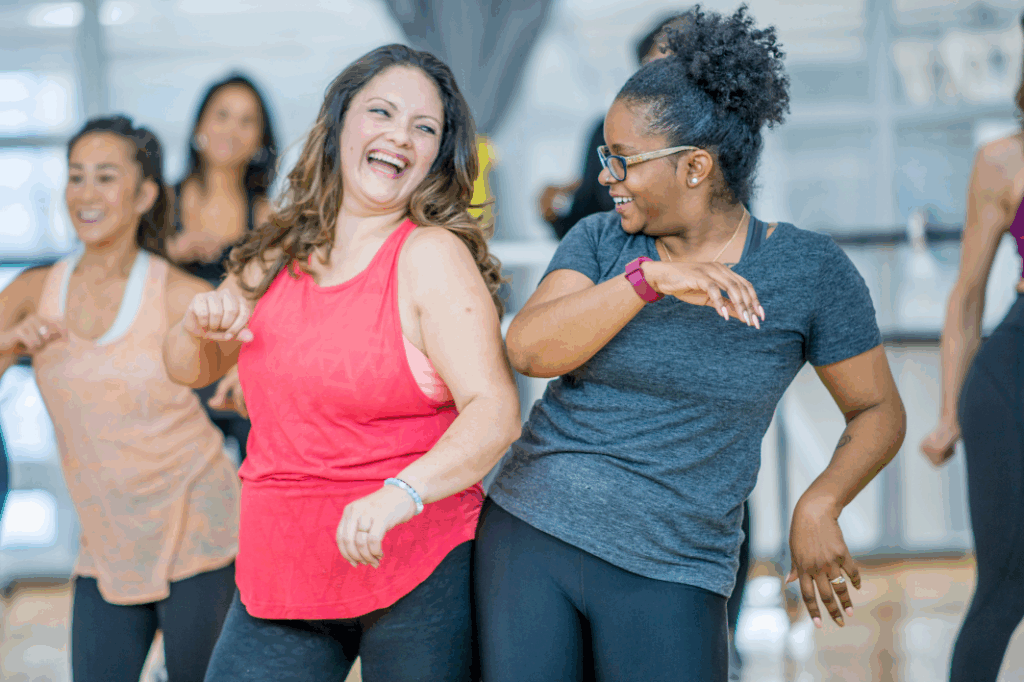
              A variety of studies report that free-flow dance improves mood and confidence; choreographed dance strengthens brain structure; synchronized movement enhances social bonding and tolerance for discomfort (releasing endorphins that reinforce group solidarity).

              Synchronized dance has been shown to foster closeness, raising individuals’ pain threshold—a signal that social connection is strengthened physiologically.

              Dancing thus acts as a multifaceted tool: it offers aerobic fitness, group interaction, cognitive challenges, and collective emotion—all feeding into one another.

              How Confidence and Social Engagement Reinforce Activity

              This isn’t a one-way street. Confidence and community engagement reinforce consistent activity. For example, competitive—yet friendly—group environments can boost exercise adherence by 90%, compared with solo or “supportive-only” groups. And people embedded in social circles where physical activity is valued are more likely to keep their healthy routines over time.

              This positive feedback loop—movement supports confidence; confidence encourages sociality; sociality sustains movement—becomes a virtuous cycle, especially relevant after 40.

              Why It Matters Now

              Statistics highlight why this synergy is urgent:

              • Americans over 40 who achieve top-tier activity levels can live 5.3 years longer. And up to 11 extra years if currently inactive people adopt high activity levels.
              • Even small improvements matter: every 1 bpm increase in resting heart rate in midlife correlates with higher mortality. Women who were most active from 20s to 40s showed a resting heart rate of ~72 bpm. The least active? ~78 bpm. That’s enough to impact longevity.

              Beyond longevity, the mental-health implications are stark. Lower self-esteem, social disconnection, and reduced openness are features of isolative aging. It’s also linked to anxiety, depression, stress, and the urge to withdraw.

              From Physiology to Connection

              Let’s summarize the science pathway:

              1. Movement enhances neuroplasticity and sends fitness signals to the brain.
              2. This boosts physical self-concept and self-esteem, especially in midlife.
              3. Social components—clubs, group classes, dancing, sports—provide shared goals and community engagement that multiply confidence gains.
              4. Growing confidence makes one more open to group experiences and even competitive dynamics.
              5. Openness to experience increases, encouraging new forms of movement, interaction, and growth.
              6. Greater openness and connection feed back into routine movement, creating stability in habits and health.

              How Movement Rewrites the Story of Midlife

              Movement after 40 isn’t just about maintaining strength—it’s about building confidence, fostering curiosity, and nurturing meaningful connections. The metrics are clear: physical activity boosts self-esteem, encourages social engagement, supports mental resilience, and even extends lifespan. By embracing movement that includes community and variety, adults can create a self-reinforcing cycle of health and connection that reshapes their experience of midlife and beyond.

              laylo wellness

              You don’t have to choose between success and well-being. Step away from the chaos, reset your mind and body, and realign with what truly matters. Our wellness retreatsonline courses, and free resources give you the space to breathe, reflect, and design a life that feels fulfilling—without guilt, without compromise.

              Be the first to know about upcoming retreats—join the info list for dates and details.

              Let’s stay connected! Follow us on InstagramFacebookYouTubeLinkedIn, and Pinterest, and join the LAYLO Shala for exclusive updates and insights.