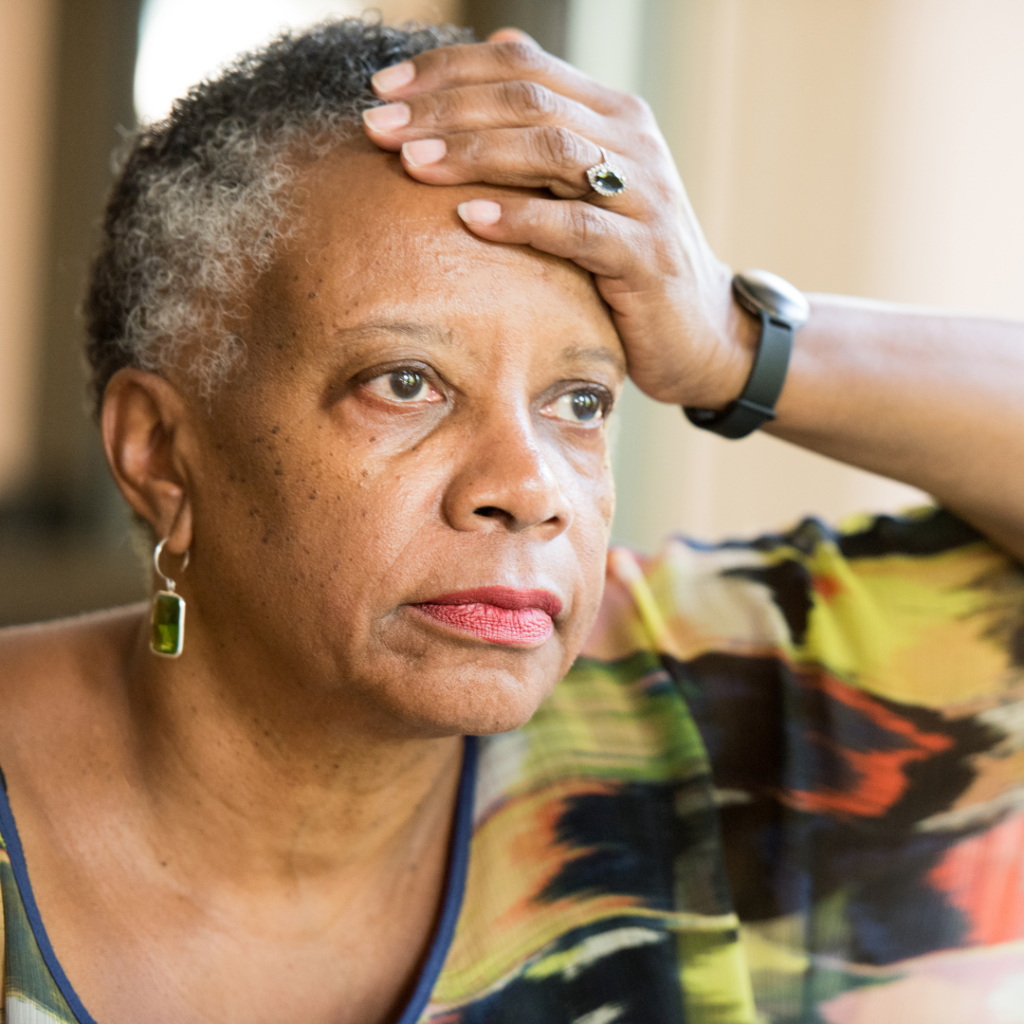
How to Outgrow a Friendship Without Burning It Down

If I put you on a stage and handed you a microphone and asked, “Who here feels fully supported by all their friendships right now?” a lot of you would shift in your seats.

You have a full life. A good life. You’ve done the work. Career. Marriage. Kids. Parents. Health. You show up. You deliver.

But when it comes to friendships? It’s murkier.

Here’s what nobody says out loud: sometimes you outgrow people. And it doesn’t make you a bad person.

It makes you honest.

Friendship After 40 Hits Different

In your twenties, proximity did a lot of the heavy lifting. Coworkers, neighbors, playgroups, carpools. You didn’t have to think about alignment. You just showed up, and the friendship formed.

Now? Time is tighter. Energy is finite. Your tolerance for nonsense has dropped dramatically.

Research backs up what you’re feeling. Nearly half of adults report having three or fewer close friends. Social circles shrink as we age. At the same time, decades of data from the Harvard Study of Adult Development show that the quality of our relationships predicts how well and how long we live.

That’s not a small detail.

Connection affects blood pressure. It affects immune health. It affects cognitive decline. Social strain raises stress hormones and disrupts sleep. We obsess over strength training and protein intake, and we that’s not a bad thing. It’s just not the whole thing. Relational stress quietly chips away at longevity.

So yes, the conversation about friendship is also a conversation about health.

When a Friendship Starts to Feel Off

You know the feeling.

You leave lunch slightly irritated.
Maybe you brace before seeing her name pop up on your phone.
Or You edit yourself more than you used to.

Nothing dramatic happened. There was no explosion. Just a slow drift.

Maybe you’ve grown. Or she hasn’t. Maybe you both have, just in different directions.

For a woman who prides herself on loyalty, this feels uncomfortable. You don’t quit on people or create unnecessary conflict. You handle your life.

So you do what “responsible” women do: You get busy. Cancel more often. Keep it surface-level.

That works for a while.

But avoidance has a cost. Unspoken frustration sits in your body. It shows up as tension, low-grade resentment, fatigue after interactions that used to energize you.

Over time, that drains more than you realize.

Discernment Is Not Drama

Let’s get something straight. Outgrowing a friendship does not require a confrontation scene.

It does require clarity.

Ask yourself Do:

  • Our values still line up?
  • I feel respected?
  • I feel like I have to shrink around her?
  • Am I staying because of history rather than current connection?

Every friendship hits seasons. Stress happens. Life gets messy. That’s normal.

What’s different is chronic misalignment.

In my earlier life, I learned the hard way what conditional relationships look like. When connection depends on compliance, you lose yourself quickly. Rebuilding my life meant choosing friendships differently. Shared values. Mutual respect. Emotional safety. That changed everything.

You don’t need a dramatic exit. You need self-respect.

Three Ways to Handle It Like a Grown Woman

Adjust the frequency.
You don’t need a speech. Move from weekly to quarterly. Shift from one-on-one dinners to group settings. Let the cadence reflect reality.

Tell the truth when asked.
If she notices and asks what’s going on, keep it simple. “I’m focusing on a few priorities right now.” That’s enough. You don’t owe a dissertation.

Reinvest your energy wisely.
When you loosen one tie, tighten another. Reach out to someone you admire. Text the woman you keep meaning to know better. Initiate. Yes, it feels awkward. Do it anyway.

Most women over 40 are out of practice initiating friendships. We got used to reacting to what our kids needed, what work demanded, what family required. Starting a new connection can feel clumsy.

That’s exactly why language matters. When you know what to say, you move. When you move, connection follows.

Longevity Loves Aligned Relationships

A 2010 meta-analysis found that strong social relationships increase survival odds by about 50 percent. That’s on par with quitting smoking.

Read that again.

Quality friendships protect your brain, your heart, and your emotional steadiness. They buffer stress, keep you engaged, and challenge you to grow.

This stage of life calls for fewer but better.

Women who age well socially don’t cling to every relationship out of guilt. They refine. They choose. Find ways to nurture what fits and respectfully release what doesn’t.

That’s grit and grace.

The Goal Is Respect, Not Ruins

You can appreciate what a friendship was and still admit it no longer fits who you are now.

Reduce access without hostility.
You can protect your energy without announcing it to the room.
Grow without burning anything down.

And if you find yourself in a quieter social season, that’s not failure. It’s recalibration.

This is where intentional spaces matter. Real conversations. Practical scripts. Women who are also refining their circles. Whether that’s learning what to say when conversations stall, following a clear path to finding your people after 40, or stepping into a retreat where connection happens naturally, structure helps.

You’ve evolved. Your friendships are allowed to evolve too.

No drama required. Just maturity, discernment, and a long view on your health and your life.

Warmly, Laura

LAYLO wellness centers social wellness—supported by mental clarity and movement—to help you live and work with more steadiness, connection, and longevity.

The LAYLO Editis where I share thoughtful, practical insight for real life.
Join for updates on upcoming experiences, including The LAYLO Collective, a small-group social wellness experience designed for real life, and Wellness Retreats.

Follow along on Instagram, Facebook, YouTube, LinkedIn, and Pinterest.

Why Longevity Falls Flat If You Don’t Have This One Thing

So, you made it to 50-something. Congratulations.

You’re statistically likely to outlive your parents, spend a few decades post-menopause, and possibly still be paying off your kid’s college tuition while planning your retirement.

We’ve done it — we’re the generation with the highest life expectancy in history.
We’re also the generation that’s realizing, in real time, that no one warned us about what those extra years might actually feel like.

Yes, we’re living longer.
But are we living longer? Or just…stretching out the part where we carry all the weight without anyone checking if we’re okay?

The Fine Print on Living Longer

Here’s what they don’t mention when they celebrate life expectancy stats:

Living longer is only good news if your body still works, your mind still feels sharp, and you’ve got someone you can text when you’re spiraling at 11:38 p.m.

Otherwise, it’s just a longer stretch of pretending you’re fine while silently Googling “Why do I feel invisible?”

Research from the World Health Organization shows that, on average, we spend the last 5–10 years of life with diminished health — physical or cognitive or both.
Those years can start well before we’re ready if our support systems have quietly evaporated.

“Strong Social Ties Add Years to Your Life” Sounds Like a Small Thing — Until You Realize You Don’t Have Any

Social connection isn’t just a feel-good bonus. It’s a health factor. Strong relationships are proven to:

  • Lower your risk of heart disease, stroke, and cognitive decline
  • Improve immune function
  • Increase survival by up to 50%

But that stat hits differently when you’re in your fifties, looking around, and realizing the people you used to call don’t call back anymore. Or they moved. Or you changed. Or they didn’t.

You can have a full calendar and still feel unsupported.

That’s what makes aging harder than anyone admits. It’s not just the joints and the noise sensitivity. It’s the silence. The slow erosion of people who knew you when.

What Happens When You Live Long Enough to Outgrow Everyone?

No one talks about this part.

You grow. You heal. You finally figure some things out. But the people around you? Not all of them come with you.

Then you’re the most emotionally intelligent version of yourself, with no one to call on a Wednesday afternoon when life hits sideways.

The absence of real connection changes your health. It affects how your body recovers from stress, how fast your brain ages, and how vulnerable you are to chronic illness.

Wellness after 45 has to include social health. Anything less is just managing symptoms.

Here’s What No One Prepares You For

You might make it to 88.
You might still be working, traveling, staying active.
But if you get there without people who see you and hear you and sit with you in the messy middle of things, you will feel every minute of those extra years.

Most of us have already felt it.

That moment when you look up from the endless to-do list and think, “When did my life get so quiet?”
Not peaceful. Just absent of connection.

That’s when longevity stops feeling like a win.

You Can’t Schedule Meaningful Friendship, But You Can Choose to Rebuild It

There’s no adult version of homeroom. No group text waiting with the perfect support system.

If you want a connection, you have to initiate it.
If you want support, you have to build it.
If you want depth, you have to show up for it.

That takes energy. But not doing it takes more.

What Lasts is What YOU Build Today

If this is hitting a little close to home, you’re not broken. You’re just early to the truth most people try to avoid.

You don’t need 15 new friends.
You need one or two people who feel safe, honest, and easy to be around — people who remind you that connection doesn’t have to be complicated.

And if you don’t have that yet? Start where you are. You’re not behind. You’re ready.

LAYLO Wellness is here for that.
We are creating spaces where you can finally exhale, connect, and remember what feeling good actually feels like.

That’s when living longer feels like a reward; it means living better.

Warmly, Laura

LAYLO wellness centers social wellness—supported by mental clarity and movement—to help you live and work with more steadiness, connection, and longevity.

The LAYLO Editis where I share thoughtful, practical insight for real life.
Join for updates on upcoming experiences, including The LAYLO Collective, a small-group social wellness experience designed for real life, and Wellness Retreats.

Follow along on Instagram, Facebook, YouTube, LinkedIn, and Pinterest.

7 Simple Ways to Go from Text to Table

Somewhere between voice notes and emojis, something vital has gone missing: presence.

Our digital connections have never been more frequent, yet many women in their 50s are finding themselves underwhelmed by the very platforms meant to bring them together.

It isn’t that text threads and Zoom calls have no value. It’s that they rarely meet the deeper need for authentic, embodied connection.

The shift from digital communication to in-person friendship isn’t a nostalgic wish; it’s a health imperative.

According to the American Psychological Association, in-person social interaction significantly lowers stress and improves emotional regulation. One study showed that face-to-face connection is more predictive of long-term well-being than financial security or career success.

This becomes particularly relevant as we age: after 40, friendships become fewer but more vital. Research from the AARP found that nearly 40% of women over 45 report having fewer close friends than they did a decade ago. And yet, the presence of just one deeply connected friendship correlates with improved cardiovascular health, immune function, and cognitive longevity.

For women juggling professional ambition, caregiving roles, and a full calendar, the idea of adding in-person gatherings might feel like another item on an already saturated to-do list. But what if those gatherings were the very thing that helped clear the noise?

How to Start Creating Real Connection Again

In-person friendship doesn’t demand perfection. It asks for proximity, presence, and permission to be real.

Here are seven practical ways to move from group chats to real gatherings:

1. Issue a Simple Invitation


Start with one person. Suggest coffee, a walk, or lunch. Keep it short, direct, and low-pressure. The goal isn’t to plan a full reunion—it’s to create space for genuine presence.

2. Make It a Micro-Gathering


You don’t need a big event. Invite two or three women for something easy and consistent, like a monthly dinner, backyard catch-up, or Sunday morning hike.

3. Reclaim the Calendar


Block time for connection just like you would for work. Protect it. When connection is treated as essential, not optional, it shifts your priorities and energy.

4. Turn Digital Into Physical


Take the energy from a group text and move it offline. Use a funny meme as a reason to grab lunch. Let the virtual serve as a springboard to the real.

5. Choose Conversation-Friendly Environments


Avoid noisy venues or over-planned agendas. Pick places where connection flows easily—quiet cafes, walking trails, or cozy living rooms.

6. Name the Need


It’s okay to say: “I miss being with women in real life.” Vulnerability opens doors. Others are likely craving the same thing and just need a nudge.

7. Align Gatherings with Your Life Stage


Create space for conversations that reflect your now. This isn’t about reliving your twenties. It’s about honoring who you are today and what matters most.

Women in this life stage are often the emotional anchors for everyone else. Yet they quietly carry their own unmet need for connection. Digital chats might provide quick support, but they often reinforce performance over presence. Likes and heart reactions can never replace eye contact, laughter in real time, or the comfort of sitting beside someone who gets it.

Why These Small Shifts Matter So Much

The health risks of continued digital-only relationships are not minor. According to Harvard researchers, lack of meaningful in-person connection increases the risk of premature death as much as smoking 15 cigarettes a day. It elevates inflammation, disrupts sleep, and increases vulnerability to anxiety and depression. The body knows when something essential is missing.

Of course, digital communication has its place. It can maintain long-distance relationships and provide daily check-ins. But it shouldn’t be the foundation. A friendship rooted solely in group texts risks becoming shallow, performative, and emotionally unsatisfying. The warmth of real connection requires shared space.

For many high-achieving women, friendships have become something to squeeze in—a luxury, not a necessity. But the science says otherwise.

Social connection is as essential to health as movement and nutrition. And for those who crave deeper, more meaningful relationships, a blueprint exists.

You CAN Make This Happen In Your Life

Friendship After 40: The Blueprint to Finding Your People” offers a practical, reflective path forward. It’s not about increasing your social calendar. It’s about aligning it with what nourishes you. You deserve friendships that offer depth, not just updates.

Choosing to gather in person is an act of self-respect and a signal to others that connection matters. It reclaims time from the scroll and returns it to soul. It allows women to witness each other fully—not filtered through a screen, but in the glorious texture of real life.

So the next time the group chat pings, consider this: What if that message became an invitation? Not for more texts, but for tea. Not for reaction emojis, but for real-time reaction. What if the greatest shift in your social wellness started not with a swipe, but with a step out your front door?

The path from digital to embodied friendship isn’t a return to the past. It’s a return to what was always true: We are wired for presence. And the most transformative conversations still happen when we show up, not just sign on.

Warmly, Laura

You don’t have to choose between success and well-being. Step away from the chaos, reset your mind and body, and realign with what truly matters. Our wellness retreats, online courses, free resources give you the space to breathe, reflect, and design a life that feels fulfilling—without guilt, without compromise.

Be the first to know about upcoming retreats—join the info list for dates and details.

Let’s stay connected! Follow us on InstagramFacebookYouTubeLinkedIn, and Pinterest, and join the LAYLO Shala for exclusive updates and insights.

WHEN A FRIENDSHIP NO LONGER FITS

You’ve Outgrown Your Circle. Now What?

It’s a quiet realization. One that doesn’t come with drama or a single moment of clarity. Just a slow recognition a friendship that once felt like your anchor no longer feels like home.

You sit across the table from a familiar face and feel like a stranger in your own life. The conversation loops. You’re different now. And you know it. Maybe you both know it.

This isn’t about blame or bitterness. It’s about growth. Life has changed, and so have you. But even as you evolve, one thing remains constant: the human need for deep, authentic connection.

So what happens when your current relationships can’t meet that need?

The Friendship Disconnect We Don’t Talk About

For women in their 40s, 50s, and beyond, this shift in connection is more common than we think. Career changes, caregiving responsibilities, hormonal shifts, and a reevaluation of personal priorities often lead to internal growth that existing relationships can’t always keep pace with.

According to a 2021 study published in SAGE Journals, middle-aged women are more likely to report dissatisfaction in social support networks than any other demographic. And a 2023 report by AARP revealed that over 60% of women in this age group feel they lack meaningful, emotionally supportive friendships.

That’s not a minor statistic. It’s a cultural signal.

As we age, the quality of our relationships becomes even more essential to our health and well-being. The Harvard Study of Adult Development, which has followed participants for over 80 years, found that strong social bonds are more predictive of long-term health than cholesterol levels, income, or even exercise habits.

Translation: having the right people around you matters more than most of us realize.

Why You’ve Outgrown the Familiar Friendship

This isn’t about superiority. Outgrowing a friend isn’t a judgment of their character—it’s an acknowledgment of your needs. The version of you who built those relationships might have prioritized different things. Shared history and convenience often play a bigger role in adult friendships than shared values or mutual growth.

But when you begin to question the way your time is spent—or when conversations begin to feel repetitive, one-sided, or emotionally draining—it’s a sign that something is misaligned.

This internal tension often arises when we’ve undergone deep change: a career pivot, spiritual shift, major family transition, or personal transformation. You may find yourself craving more emotionally intelligent conversations, more accountability, or simply more honesty.

Those cravings are valid. And they point to an unmet need for resonance—something surface-level friendships can’t satisfy.

What Happens If You Ignore It

There’s a cost to staying small in relationships that no longer nourish you. A 2020 study from Brigham Young University found that weak social ties contribute to a 29% increase in the risk of early mortality. That’s on par with the health risks associated with smoking 15 cigarettes a day!

When emotional needs go unmet, women experience higher rates of anxiety, inflammation, and burnout. Add to that the invisible labor many carry as executives, caregivers, and decision-makers, and the consequences multiply.

This isn’t just about mental health. It’s about physical well-being, career sustainability, and personal fulfillment.

Creating Space for What’s Next

The first step isn’t finding new friends. It’s naming what’s no longer working.

This process often starts with silence—observing how you feel after time spent with someone.

Do you feel seen? Understood? Energized? Or do you leave the interaction depleted, unheard, or disengaged?

Once you name what you’re outgrowing, you can create intentional space for what you want to invite in. That may look like:

  • Being more selective with how and where you spend time
  • Setting boundaries with people who drain your energy
  • Seeking out aligned spaces that prioritize emotional intelligence, personal growth, or values-driven conversation
  • Letting go of guilt around change

Many high-achieving women struggle to let relationships fade. The instinct to nurture, to hold everything together, is strong. But maturity in connection means knowing when to release, not just when to repair.

Where Real Connection Begins

Building new relationships later in life can feel awkward. But it can also be powerful—because this time, you’re not choosing based on proximity or convenience. You’re choosing based on resonance.

Whether it’s joining a purpose-driven group, attending a curated retreat, or participating in a facilitated course designed to deepen connection, investing in community is no longer optional—it’s foundational.

Women who prioritize emotionally aligned relationships experience improved cognitive health, reduced risk of heart disease, and higher life satisfaction, according to the Mayo Clinic and the National Institutes of Health. These are not just feel-good results—they are measurable outcomes.

And here’s what else we know: connection isn’t a luxury. It’s a health strategy. A leadership tool. A form of resilience.

Start With One Brave Step

You don’t need a full social reset. You need one real conversation. One aligned space. One new connection that makes you feel recognized.

If your current circle no longer reflects who you are or what you value, honor that. You’ve grown. That’s a good thing. Now it’s time to let your relationships grow with you—or make room for the ones that will.

Your next chapter isn’t about collecting more people. It’s about creating more meaning.

You don’t have to do it alone. But you do have to start.

laylo yoga and wellness

You don’t have to choose between success and well-being. Step away from the chaos, reset your mind and body, and realign with what truly matters. Our wellness retreats, online courses, and free resources give you the space to breathe, reflect, and design a life that feels fulfilling—without guilt, without compromise.

Be the first to know about upcoming retreats—join the info list for dates and details.

Let’s stay connected! Follow us on InstagramFacebookYouTubeLinkedIn, and Pinterest, and join the LAYLO Shala for exclusive updates and insights.