7 Smart Ways to Navigate Big Life Transitions

Big life transitions don’t arrive quietly.

A relationship ends. You move across the country. Someone you love is no longer here. A career that defined your days comes to a close.

Even the changes you chose, the ones you worked toward for years, can feel unsteady once you’re inside them.

You expect change. You might not expect how much disappears with it.

Routines fall away. Familiar faces are no longer part of your day. Places that once felt automatic now require effort. Even small decisions take more energy than they used to.

That’s where vulnerability starts to show up.

Your energy feels inconsistent. You spend more time alone than you meant to. There’s a quiet sense that something is off, even if you can’t immediately name it.

This pattern runs through most major transitions. One of the biggest – retirement – amplifies it.

Because retirement doesn’t only shift your schedule. It removes a structure that shaped how you spent your time for most of your adult life, who you interacted with, and how you measured your value.

Few people are prepared for that part.

Research shows the first year after retirement often brings a drop in mental well-being, especially when social interaction declines. At the same time, strong relationships remain one of the most reliable predictors of long-term health. Social isolation increases the risk of early death by nearly 30%.

When your focus is tied up in adjusting, your social and mental stability can slip without much warning.

That’s where people lose their footing.

This next phase requires more than filling time. It asks for intention.

Create Structure Before the Drift Sets In

When structure disappears, most people assume they’ll naturally find a new rhythm.

That rarely happens.

Open space feels good at first. Then days start to blur. You delay decisions. You tell yourself you’ll get organized once things feel more settled.

That delay stretches longer than expected.

Retirement brings this into sharp focus. Without built-in commitments, it becomes easy to move through the day without direction.

Structure brings shape back to your time.

Set anchors. A morning walk you don’t skip. A standing plan with someone else. A commitment that gets you out of your own head.

Consistency matters more than intensity here.

Reevaluate Your Relationships Without Holding Onto Old Versions

Transitions reveal which relationships were built on convenience.

Shared schedules, proximity, overlapping responsibilities—remove those, and some connections fade quickly.

That shift can feel personal, but usually it isn’t.

Many people at this stage notice their circle getting smaller. At the same time, meaningful relationships become more important for emotional stability and cognitive health.

This is where discernment comes in.

Notice who still feels easy to be around. Pay attention to who shows up without needing to be chased. Be honest about who no longer fits your life as it is now.

Let some relationships go without overanalyzing them.

Then make space for new ones that reflect who you’ve become.

Stop Waiting for Connection to Happen

Connection used to be built into your day.

Now it isn’t.

That shift requires a different level of effort. Not constant effort, just willingness to act.

Hesitation tends to creep in here. You think about reaching out, then talk yourself out of it. You assume people are busy, thinking, “I don’t want to feel like I am coming out of left field”.

So nothing happens.

Days pass. Then weeks. Connection shrinks quietly when it isn’t maintained.

Take the lead. Send the message. Suggest the plan. Follow up.

If that feels unfamiliar, that’s normal. Most people are out of practice. Tools like “10 Things to Say When You Don’t Know What to Say” help remove that initial friction so you can move forward without overthinking.

Relationships require movement. Without it, they stall.

Stay Engaged in Work That Uses Your Experience

Work provided you with more than income.

It gave structure, relevance, and a place where your input mattered.

When that disappears, something feels off, even if you can’t immediately explain why.

Staying engaged fills that gap in a meaningful way.

Mentoring, consulting, contributing to projects where your experience has weight—these keep you connected to a sense of usefulness.

Research links this kind of engagement to better mental health and longer life expectancy.

You don’t need a packed schedule. You need something that reminds you your experience still matters.

Keep Your Mind and Body Challenged

It’s easy to slide into comfort when demands drop.

Less movement. Fewer new experiences. Lower expectations. That shift adds up.

Cognitive function declines faster without stimulation. Physical strength follows a similar pattern, especially after 50.

Staying active requires intention.

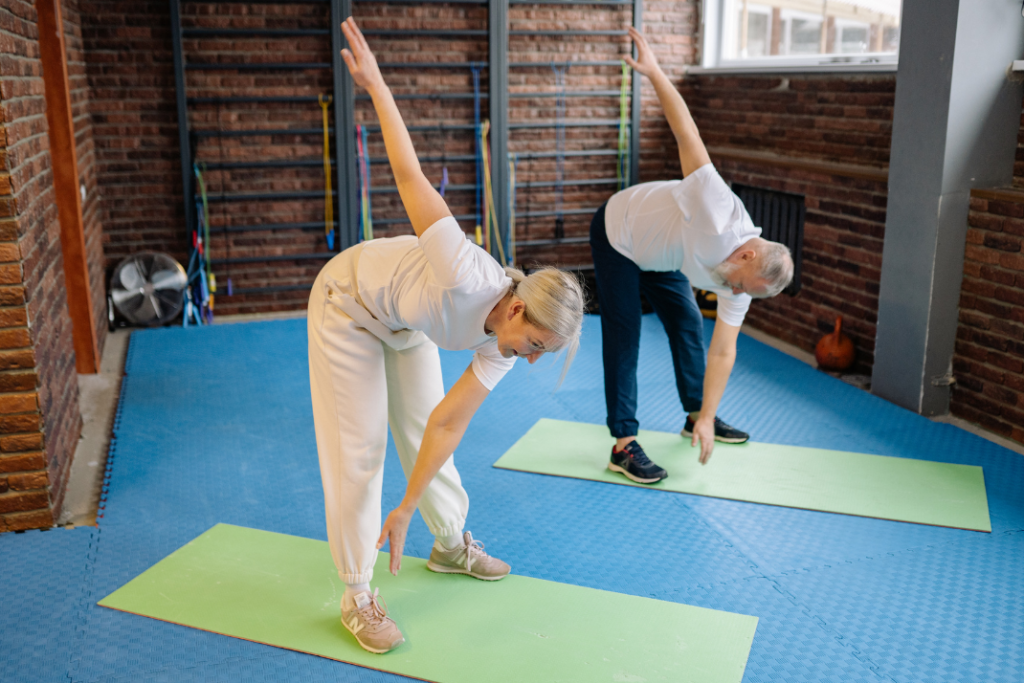
Learn something unfamiliar. Revisit an old interest with fresh focus. Move your body in ways that demand effort.

Challenge keeps you engaged with yourself.

Expand Your Environment

A smaller routine often leads to a smaller world.

Same places, same conversations, same patterns on repeat.

Changing your environment interrupts that cycle.

Travel works, but it doesn’t need to be elaborate. A short trip, a new setting, even a different part of your own city can shift your perspective.

New environments stimulate the brain and increase overall satisfaction with life.

Movement changes how you think.

Decide What This Next Phase Looks Like

Some people move through transitions by default.

They fill time where they can. They react to what’s in front of them. Maybe even avoid making clear decisions about what they actually want.

That approach creates a low-level dissatisfaction that lingers.

This phase gives you space. What you do with it matters.

Think about how you want your days to feel. Consider who you want around you. Be honest about what no longer fits.

Clarity changes how you move.

Without it, you fall into patterns that don’t serve you. With it, you begin to shape something that does.

When Everything Changed, This Is What Made the Difference

There was a period in my own life where everything shifted at once. Relationship, location, identity. Nothing familiar to lean on.

What stood out wasn’t the big decisions. It was the small moments where nothing felt automatic.

I remember standing in a grocery store in a new city, staring at the shelves longer than necessary. Not confusion, just a lack of familiarity. Even basic routines were gone.

That loss of autopilot is part of every major transition.

What helped was deciding, deliberately, what stayed and what changed. Who I kept close. Where I put my energy. What I allowed into my life moving forward.

Those little decisions rebuilt stability over time and actually opened a new career path for me.

The same approach applies here.

And when it comes to rebuilding your social world, “Friendship After 40: The Blueprint to Finding Your People” offers a clear way to create connections that actually fit your life now.

Because the people around you will shape how this next phase feels.

LAYLO wellness centers social wellness—supported by mental clarity and movement—to help you live and work with more steadiness, connection, and longevity.

The LAYLO Editis where I share thoughtful, practical insight for real life.
Join for updates on upcoming experiences, including The LAYLO Collective, a small-group social wellness experience designed for real life, and Wellness Retreats.

Follow along on Instagram, Facebook, YouTube, LinkedIn, and Pinterest.

7 Powerful Movement Habits That Strengthen Your Brain, Body, and Friendships

You already know movement matters. That part isn’t new.

What tends to get missed is how closely movement ties into how you think, how steady you feel day to day, and how connected you stay to other people. These don’t operate separately. They influence each other more than most people realize.

At this stage of life, you’re managing a lot. Work, family, responsibilities that don’t leave much room for trial and error. Your body may not feel as cooperative as it once did either. Still, the goal remains the same.

You want to stay sharp. You want to stay capable. You want relationships that feel easy, not forced.

Movement supports all of that in a very real, practical way.

1. Lift Heavy Things. Yes, You Still Need To.

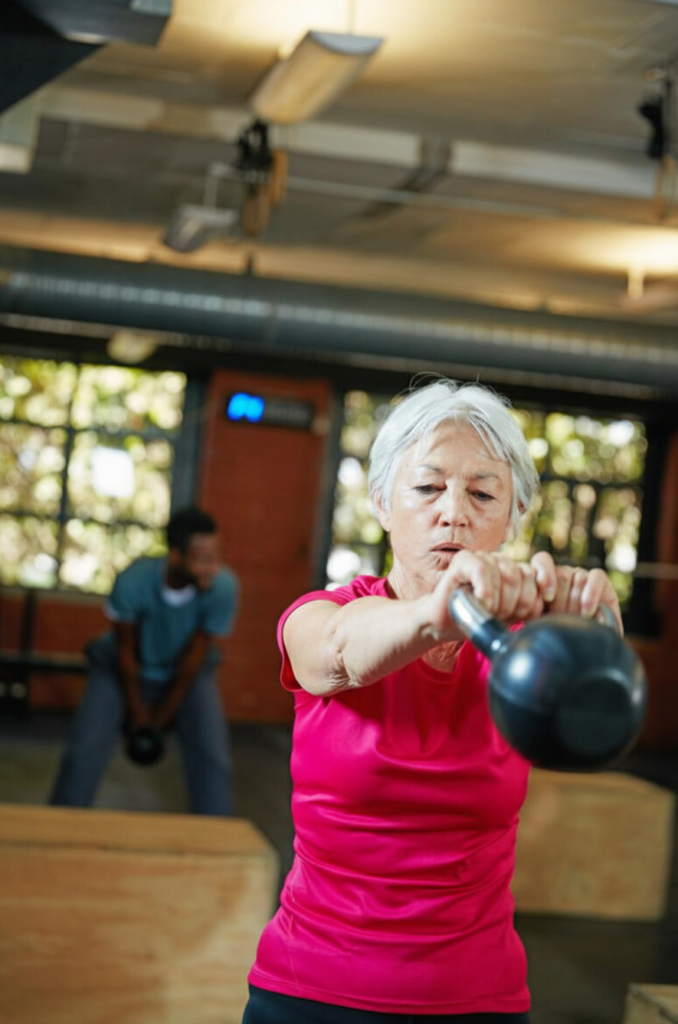
Strength training changes the trajectory of how you age, both physically and cognitively. It supports memory, focus, and overall brain function. It also keeps you capable in your everyday life, which becomes more important with each passing year.

And this is where many people start negotiating.

They switch to lighter weights. They avoid anything that feels challenging. They tell themselves they’ll get back to it later.

That’s usually when strength starts to decline.

Your body needs resistance. Not reckless intensity, but enough load to signal that strength still matters. That signal carries through your muscles, your bones, and your brain.

Work with where you are. That part is non-negotiable.

I have osteoarthritis in my back, hips, feet, and hands, and it’s moving into my knees. I still lift three times a week. I teach yoga three times a week. I walk most days. Some days I move slower. Some days I scale things back.

I don’t stop.

Because once you stop, it gets harder to start again. Strength fades, then confidence follows. That’s a cycle you want to interrupt early.

Of course, pay attention to sharp or unfamiliar pain. That’s your body asking for adjustment, not stubbornness. At the same time, general aches are part of having a body that has been used. You work with that, not against it.

2. Keep Your Movement Predictable Enough to Stick

There’s a tendency to overcomplicate fitness, especially when motivation dips. New plans, new classes, new goals every few weeks.

That approach usually burns out quickly.

Your brain responds better to patterns it can rely on. When movement becomes predictable, it lowers the mental effort required to keep going. You don’t debate it. You just do it.

That might look like a regular walking route most days of the week, strength training on set days, or a class you attend without having to convince yourself first.

Consistency builds a rhythm your body and mind both recognize. That rhythm supports focus, reduces stress, and makes the habit easier to maintain long term.

Of course, you want to mix things up occasionally. Trying something new is a good thing. It’s just that you want to find what you like, what you will keep doing consistently, and then mix it up within that framework. The goal is to keep yourself moving.

3. Put Yourself in Rooms Where Movement and People Overlap

Connection often feels harder now than it did years ago. Not because you’ve changed, but because your environment has.

Work is demanding. Social circles shift. Free time shrinks.

Movement solves part of that problem by creating built-in opportunities to be around other people without pressure.

You don’t need to walk into a room and make instant friendships. You need repeated exposure. Familiar faces. Small interactions that gradually become something more.

A group class. A gym where you recognize people. A weekly walk with someone who lives nearby.

Those moments seem small, but they compound.

Strong social ties are directly linked to better brain health and longer life expectancy. On the other side, a lack of meaningful connection increases the risk of cognitive decline and chronic health issues.

That’s not abstract. That shows up in how you feel and function over time.

4. Use Movement as a Reset, Not a Reward

A lot of people treat movement as something they earn once everything else is done.

That mindset doesn’t hold up when life gets busy.

Movement works better as a reset button you use throughout your week. It helps regulate stress, clear mental buildup, and improve your ability to focus.

You don’t need a perfect mood to start. You just need to begin. Motivation is not part of this equation. Waiting for the motivation fairy to sprinkle you with “I can’t wait to work out” energy is not going to happen. Schedule it in. Then do it.

A walk after a long day can shift your energy more effectively than sitting and replaying everything that went wrong. A strength session can cut through mental fog that’s been hanging around for hours.

This is one of the simplest ways to support your mental state without overthinking it.

5. Train for the Life You Actually Live

It’s easy to get pulled into workouts that look good but don’t translate into anything useful.

What matters more is whether your training supports your real life.

Can you carry what you need without hesitation? Can you move through your day without feeling fragile or limited? Do you trust your body to handle what’s in front of you?

Muscle plays a central role in all of that. After 40, muscle mass declines steadily if you don’t actively maintain it. Bone density follows a similar pattern, increasing the risk of injury over time.

Strength training helps counter both.

We aren’t talking about getting extreme. We are aiming to stay capable in ways that keep your life open and flexible.

6. Combine Movement and Social Time So It Actually Happens

One of the biggest barriers to maintaining friendships is time. Not lack of interest, just lack of space in the calendar.

You can solve that by overlapping movement with connection.

Walk with a friend instead of meeting for coffee. Take a class together. Set a recurring plan so you’re not constantly coordinating schedules.

This removes friction. It also creates consistency, which is where most friendships either grow or fade.

Many women at this stage report having fewer than three close friends they can rely on. That number doesn’t drop because people stop caring. It drops because connection isn’t built into daily life anymore.

Movement gives you a way to rebuild that structure without adding more pressure.

7. Stay in Motion, Even When It’s Not Your Best Day

There will be days when your body feels off. Days when your energy is low, or your motivation is nowhere to be found. See motivation fairy above.

Those days matter more than the easy ones.

You don’t need to push through at full intensity. You do need to stay in motion.

Shorten the workout. Lighten the load. Change what you’re doing.

Keep the habit intact.

That consistency supports your brain, your physical strength, and your ability to stay engaged with your life. When the habit disappears, it becomes hard to rebuild.

Where This Starts to Shift Things

When movement becomes part of your routine, you will experience changes beyond the physical. Take the time to really notice it.

Your thinking feels clearer. Your reactions soften. You have more capacity for the people around you.

You also find it easier to stay connected because you’re already placing yourself in environments where connection can happen naturally.

And if you’re out of practice socially, you’re not alone in that. It’s a skill that fades when you don’t use it. Tools like 10 Things to Say When You Don’t Know What to Say help remove that initial friction so you’re not second-guessing every interaction.

Staying sharp, strong, and connected doesn’t happen by accident.

It comes from what you do consistently.

Warmly, Laura

LAYLO wellness centers social wellness—supported by mental clarity and movement—to help you live and work with more steadiness, connection, and longevity.

The LAYLO Editis where I share thoughtful, practical insight for real life.
Join for updates on upcoming experiences, including The LAYLO Collective, a small-group social wellness experience designed for real life, and Wellness Retreats.

Follow along on Instagram, Facebook, YouTube, LinkedIn, and Pinterest.

How to Outgrow a Friendship Without Burning It Down

If I put you on a stage and handed you a microphone and asked, “Who here feels fully supported by all their friendships right now?” a lot of you would shift in your seats.

You have a full life. A good life. You’ve done the work. Career. Marriage. Kids. Parents. Health. You show up. You deliver.

But when it comes to friendships? It’s murkier.

Here’s what nobody says out loud: sometimes you outgrow people. And it doesn’t make you a bad person.

It makes you honest.

Friendship After 40 Hits Different

In your twenties, proximity did a lot of the heavy lifting. Coworkers, neighbors, playgroups, carpools. You didn’t have to think about alignment. You just showed up, and the friendship formed.

Now? Time is tighter. Energy is finite. Your tolerance for nonsense has dropped dramatically.

Research backs up what you’re feeling. Nearly half of adults report having three or fewer close friends. Social circles shrink as we age. At the same time, decades of data from the Harvard Study of Adult Development show that the quality of our relationships predicts how well and how long we live.

That’s not a small detail.

Connection affects blood pressure. It affects immune health. It affects cognitive decline. Social strain raises stress hormones and disrupts sleep. We obsess over strength training and protein intake, and we that’s not a bad thing. It’s just not the whole thing. Relational stress quietly chips away at longevity.

So yes, the conversation about friendship is also a conversation about health.

When a Friendship Starts to Feel Off

You know the feeling.

You leave lunch slightly irritated.
Maybe you brace before seeing her name pop up on your phone.
Or You edit yourself more than you used to.

Nothing dramatic happened. There was no explosion. Just a slow drift.

Maybe you’ve grown. Or she hasn’t. Maybe you both have, just in different directions.

For a woman who prides herself on loyalty, this feels uncomfortable. You don’t quit on people or create unnecessary conflict. You handle your life.

So you do what “responsible” women do: You get busy. Cancel more often. Keep it surface-level.

That works for a while.

But avoidance has a cost. Unspoken frustration sits in your body. It shows up as tension, low-grade resentment, fatigue after interactions that used to energize you.

Over time, that drains more than you realize.

Discernment Is Not Drama

Let’s get something straight. Outgrowing a friendship does not require a confrontation scene.

It does require clarity.

Ask yourself Do:

  • Our values still line up?
  • I feel respected?
  • I feel like I have to shrink around her?
  • Am I staying because of history rather than current connection?

Every friendship hits seasons. Stress happens. Life gets messy. That’s normal.

What’s different is chronic misalignment.

In my earlier life, I learned the hard way what conditional relationships look like. When connection depends on compliance, you lose yourself quickly. Rebuilding my life meant choosing friendships differently. Shared values. Mutual respect. Emotional safety. That changed everything.

You don’t need a dramatic exit. You need self-respect.

Three Ways to Handle It Like a Grown Woman

Adjust the frequency.
You don’t need a speech. Move from weekly to quarterly. Shift from one-on-one dinners to group settings. Let the cadence reflect reality.

Tell the truth when asked.
If she notices and asks what’s going on, keep it simple. “I’m focusing on a few priorities right now.” That’s enough. You don’t owe a dissertation.

Reinvest your energy wisely.
When you loosen one tie, tighten another. Reach out to someone you admire. Text the woman you keep meaning to know better. Initiate. Yes, it feels awkward. Do it anyway.

Most women over 40 are out of practice initiating friendships. We got used to reacting to what our kids needed, what work demanded, what family required. Starting a new connection can feel clumsy.

That’s exactly why language matters. When you know what to say, you move. When you move, connection follows.

Longevity Loves Aligned Relationships

A 2010 meta-analysis found that strong social relationships increase survival odds by about 50 percent. That’s on par with quitting smoking.

Read that again.

Quality friendships protect your brain, your heart, and your emotional steadiness. They buffer stress, keep you engaged, and challenge you to grow.

This stage of life calls for fewer but better.

Women who age well socially don’t cling to every relationship out of guilt. They refine. They choose. Find ways to nurture what fits and respectfully release what doesn’t.

That’s grit and grace.

The Goal Is Respect, Not Ruins

You can appreciate what a friendship was and still admit it no longer fits who you are now.

Reduce access without hostility.
You can protect your energy without announcing it to the room.
Grow without burning anything down.

And if you find yourself in a quieter social season, that’s not failure. It’s recalibration.

This is where intentional spaces matter. Real conversations. Practical scripts. Women who are also refining their circles. Whether that’s learning what to say when conversations stall, following a clear path to finding your people after 40, or stepping into a retreat where connection happens naturally, structure helps.

You’ve evolved. Your friendships are allowed to evolve too.

No drama required. Just maturity, discernment, and a long view on your health and your life.

Warmly, Laura

LAYLO wellness centers social wellness—supported by mental clarity and movement—to help you live and work with more steadiness, connection, and longevity.

The LAYLO Editis where I share thoughtful, practical insight for real life.
Join for updates on upcoming experiences, including The LAYLO Collective, a small-group social wellness experience designed for real life, and Wellness Retreats.

Follow along on Instagram, Facebook, YouTube, LinkedIn, and Pinterest.
Unwritten Rules, Unbothered Women: How to Defy the Age Police

There comes a point where you stop waiting for permission.

You stop looking for approval. You stop trying to dress, act, eat, or shrink into the version of aging the world has decided is appropriate.

And instead, you start showing up like the woman you are: unbothered, experienced, sharp, funny, and fully in charge of your life.

That point? It usually hits right around now.

Let’s be honest: The rules around aging were never made with us in mind. We’re supposed to cut our hair short. Fade into neutrals. Buy sensible shoes. Nod politely through hot flashes. Accept weight gain as a foregone conclusion. Stop having opinions about music, ambition, or sex. And don’t you dare laugh too loudly in public.

So what if we decide to ignore all of it?

The Myth of “Age-Appropriate” Dressing

Style doesn’t have an expiration date. The idea that women should “dress their age” was cooked up by people more invested in control than creativity. Clothes are expression. They are history, attitude, identity. They are art you get to wear. You don’t owe it to anyone to dial it down once you turn 50.

Wear the ripped jeans. Show some skin. Get the tattoo. If it makes you feel alive, that’s enough.

The women who lead rooms, launch businesses, raise generations, and run entire households do not suddenly forget how to dress themselves because they celebrated a birthday. When we pretend that self-expression has an expiration date, we participate in erasure. Let your closet reflect who you are now.

Menopause Is Not a Life Sentence

Yes, hot flashes, sleep disruption, brain fog, and shifting hormones and weight that won’t budge are real things. But menopause is not a punishment, and it is not a finish line. It’s not something to survive in silence. It’s something to move through, fully informed and fully supported.

There are tools. There are professionals who actually know what they’re doing. And there is research. For instance, weight gain in menopause is not just about hormones—it’s also about muscle mass, metabolism, and chronic stress. Addressing it means lifting heavy things, moving regularly, sleeping like it’s your job, and being smarter than the marketing that tries to sell shame.

You do not have to accept discomfort as the new normal. The stories you’ve been told—that brain fog is just part of aging, that night sweats are just a phase to endure, that losing muscle is just what happens—are outdated. You get to choose what works for your body.

Beauty Rules Are Meant to Be Broken

They told us to go gray – or not go gray. To cut our hair or keep it long. To age “gracefully,” which usually means invisibly. No thanks.

Let your hair be wild, short, purple, silver, or waist-length. Wear the bold lipstick. Ditch it altogether. Do Botox. Don’t do Botox. Wear SPF and drink water, not because you’re trying to stay young forever, but because you respect your body enough to take care of it.

None of it needs to signal anything to anyone but you. Beauty isn’t about youth—it’s about ownership. About confidence. About doing whatever the hell you want.

Age Is Not a Deadline

The idea that you should slow down, soften up, or stay small after 45 is pure nonsense. We grew up fast. Many of us were 30 by the time we were 15, carrying responsibility, survival skills, and emotional labor way too early. So it makes perfect sense that at 50, we still feel 30—and still have a lot to give.

This chapter is not a wrap-up. It’s not some gentle glide into irrelevance. It’s a power surge. The wisdom is sharper. The stakes are different. The priorities are clearer. And if you feel an inner rebellion brewing, you’re not alone.

We’re not going quietly.

Influencers Don’t Know You

Scrolling through 28-year-olds on social media telling you what your life should look like at 53 is not it. They don’t know the grit it took to build a life from scratch, raise children, support aging parents, maintain careers, manage households, and somehow still care for your body, mind, and soul.

You do.

So let them sell what they want. You are not their target demographic. You’re the generation that built the internet they market on. And you’re not done.

This Is the Celebration

You’re not becoming someone new. You’re finally being who you are. The version that isn’t trying to prove anything. That isn’t waiting for outside validation. That isn’t living by someone else’s script.

So wear what you want. Train your body because it makes you feel powerful. Talk about hot flashes, brain fog, libido, and energy—not as shameful secrets but as part of this stage of life. Laugh hard. Sleep well. Move often. Rest more.

Take care of your soul. Call your friends. And if you don’t have the ones you need, make them. Start with “Friendship After 40: The Blueprint to Finding Your People.” Learn what to say when you feel stuck with “10 Things to Say When You Don’t Know What to Say.” Or come sit with us in real life at a Soul Sanctuary Retreat, where no one asks you to shrink.

Because the most radical thing you can do in a world obsessed with youth is to age unapologetically. And the most powerful thing you can do is choose.

Every outfit. Whose opinions you’ll listen to. Every friend’s voice. Every single piece of this life.

Make it yours.

Warmly, Laura

LAYLO wellness centers social wellness—supported by mental clarity and movement—to help you live and work with more steadiness, connection, and longevity.

The LAYLO Editis where I share thoughtful, practical insight for real life.
Join for updates on upcoming experiences, including The LAYLO Collective, a small-group social wellness experience designed for real life, and Wellness Retreats.

Follow along on Instagram, Facebook, YouTube, LinkedIn, and Pinterest.

Why Longevity Falls Flat If You Don’t Have This One Thing

So, you made it to 50-something. Congratulations.

You’re statistically likely to outlive your parents, spend a few decades post-menopause, and possibly still be paying off your kid’s college tuition while planning your retirement.

We’ve done it — we’re the generation with the highest life expectancy in history.
We’re also the generation that’s realizing, in real time, that no one warned us about what those extra years might actually feel like.

Yes, we’re living longer.
But are we living longer? Or just…stretching out the part where we carry all the weight without anyone checking if we’re okay?

The Fine Print on Living Longer

Here’s what they don’t mention when they celebrate life expectancy stats:

Living longer is only good news if your body still works, your mind still feels sharp, and you’ve got someone you can text when you’re spiraling at 11:38 p.m.

Otherwise, it’s just a longer stretch of pretending you’re fine while silently Googling “Why do I feel invisible?”

Research from the World Health Organization shows that, on average, we spend the last 5–10 years of life with diminished health — physical or cognitive or both.
Those years can start well before we’re ready if our support systems have quietly evaporated.

“Strong Social Ties Add Years to Your Life” Sounds Like a Small Thing — Until You Realize You Don’t Have Any

Social connection isn’t just a feel-good bonus. It’s a health factor. Strong relationships are proven to:

  • Lower your risk of heart disease, stroke, and cognitive decline
  • Improve immune function
  • Increase survival by up to 50%

But that stat hits differently when you’re in your fifties, looking around, and realizing the people you used to call don’t call back anymore. Or they moved. Or you changed. Or they didn’t.

You can have a full calendar and still feel unsupported.

That’s what makes aging harder than anyone admits. It’s not just the joints and the noise sensitivity. It’s the silence. The slow erosion of people who knew you when.

What Happens When You Live Long Enough to Outgrow Everyone?

No one talks about this part.

You grow. You heal. You finally figure some things out. But the people around you? Not all of them come with you.

Then you’re the most emotionally intelligent version of yourself, with no one to call on a Wednesday afternoon when life hits sideways.

The absence of real connection changes your health. It affects how your body recovers from stress, how fast your brain ages, and how vulnerable you are to chronic illness.

Wellness after 45 has to include social health. Anything less is just managing symptoms.

Here’s What No One Prepares You For

You might make it to 88.
You might still be working, traveling, staying active.
But if you get there without people who see you and hear you and sit with you in the messy middle of things, you will feel every minute of those extra years.

Most of us have already felt it.

That moment when you look up from the endless to-do list and think, “When did my life get so quiet?”
Not peaceful. Just absent of connection.

That’s when longevity stops feeling like a win.

You Can’t Schedule Meaningful Friendship, But You Can Choose to Rebuild It

There’s no adult version of homeroom. No group text waiting with the perfect support system.

If you want a connection, you have to initiate it.
If you want support, you have to build it.
If you want depth, you have to show up for it.

That takes energy. But not doing it takes more.

What Lasts is What YOU Build Today

If this is hitting a little close to home, you’re not broken. You’re just early to the truth most people try to avoid.

You don’t need 15 new friends.
You need one or two people who feel safe, honest, and easy to be around — people who remind you that connection doesn’t have to be complicated.

And if you don’t have that yet? Start where you are. You’re not behind. You’re ready.

LAYLO Wellness is here for that.
We are creating spaces where you can finally exhale, connect, and remember what feeling good actually feels like.

That’s when living longer feels like a reward; it means living better.

Warmly, Laura

LAYLO wellness centers social wellness—supported by mental clarity and movement—to help you live and work with more steadiness, connection, and longevity.

The LAYLO Editis where I share thoughtful, practical insight for real life.
Join for updates on upcoming experiences, including The LAYLO Collective, a small-group social wellness experience designed for real life, and Wellness Retreats.

Follow along on Instagram, Facebook, YouTube, LinkedIn, and Pinterest.
The Fine Art of Being Yourself

You don’t need a new you. You need the real you.

Forget the reinvention. The rebrand. The polished version crafted to suit everyone else’s preferences.

The real version—the one who got quietly sidelined to keep things running smoothly—is overdue for a comeback.

Let’s be honest. Being yourself in today’s world is hard. Social pressure, family expectations, career roles—they all push you to mold and adapt. Especially for women over 45 who’ve spent decades managing other people’s needs, authenticity can feel like something you have to earn. And not without guilt.

I heard a Mel Robbins podcast recently on this very topic and it stuck with me. Her take made me think about how many of us are waiting for permission to be who we already are. It got me thinking about what it looks like in real life.

But here’s what actually happens: the longer you ignore your inner cues, the more depleted you feel. That inner friction? It’s your signal. Your nervous system knows something’s off. Your calendar doesn’t lie. Neither do your relationships.

And while the outside world might reward performance, what sustains you is honesty.

You Will Disappoint People

Especially the ones who’ve gotten used to you being easy.

Choosing yourself sometimes means saying no to what others expect just because they’re used to hearing yes. It means skipping the events, declining the tasks, and opting out of the roles that never quite fit.

Some people won’t like that.

Let them sit with it.

Their disappointment isn’t proof you’re wrong. It’s proof that you’re no longer interested in maintaining a version of yourself that never worked in the first place.

They will adapt. Or not. It is not your job to make yourself acceptable to them. It is your job to be yourself, and they can either recognize the importance of that or decide to opt out. Either way, you win because you are not longer putting energy towards things that don’t bring you joy.

Which brings me to the next point…

Look at What Drains You

Start there. The commitments that feel like chores. The conversations that leave you flat. The rituals that don’t feel like yours.

Redirect your energy to what aligns. Energy is a limited resource. If it’s being spent on obligation, it’s not available for truth.

Once you reclaim that energy, your day-to-day life starts feeling more like yours.

Confidence Comes Later

Confidence isn’t step one. It shows up after you start living differently.

You don’t have to wait to feel brave or certain. You just have to stop waiting.

Confidence grows when you speak your actual opinion, make a decision that honors your needs, or leave a situation that drains you. It compounds. Eventually, it becomes part of who you are.

Self-Respect Builds Better Relationships

The more honest you become, the more you draw in people who can actually meet you there.

You start noticing who values your time, who listens without needing you to shrink, and who doesn’t expect performance to maintain connection.

Real friendship starts where people stop pretending. That includes you.

Value What Sets You Apart

The preferences you filter? The instincts you override? The traits you’ve tried to soften?

Those are often the exact things that make you memorable.

It’s easy to underestimate your originality when you’ve spent years being practical. But your edges matter more than your polish.

Years ago, I didn’t celebrate Christmas. Sometimes, as a kid, I’ll admit that it made me feel out of step. Other kids felt sorry for me. But these days, I hear people say I’m lucky. Lucky not to deal with the forced hosting, gifting stress, or performative social calendars.

The very thing that once made me feel left out? It became something others quietly wish they could opt out of, too. That’s the thing about living honestly—the benefits often show up later, but they show up.

No One Else Lives Your Life

Your opinion of your life is the only one that follows you home.

Other people may offer commentary, judgment, or concern. They don’t live with the aftershocks. You do.

So your internal compass matters more than external noise. And if it feels like you’re out of sync with your reality, it’s time to make a new one.

You Can Have What Matters Most

Not everything needs to be done, achieved, or maintained at once.

Authenticity means making trade-offs that feel right. That kind of clarity isn’t failure—it’s relief.

Sometimes career is topping the charts. Other times, it’s your personal interests and hobbies. Maybe you are in a “family first” phase. Every season of life has it’s own demands and you can have all of it. You just need to be honest with yourself that, right now, X is taking priority.

If You’re Ready to Start Living Authentically:

Warmly, Laura

You don’t need another thing to keep up with. You need support that fits the life you’re already living.

LAYLO wellness centers social wellness—supported by mental clarity and movement—to help you live and work with more steadiness, connection, and longevity.

The LAYLO Edit is where I share thoughtful, practical insight for real life. Join for updates on upcoming experiences, including The LAYLO Collective, a small-group social wellness experience designed for real life, and Wellness Retreats.

Follow along on Instagram, Facebook, YouTube, LinkedIn, and Pinterest.