5 Ways to Rebuild a Friendship That Drifted Apart

It happens quietly. One day you’re texting daily, and the next, it’s been six months. Not because something went wrong, but because life accelerated and your friendship faded into the background.

Reconnection after this kind of drift feels vulnerable. What if it’s awkward? What if the timing is off? But what if it works?

Many midlife professionals carry the invisible weight of relationships left in limbo. As responsibilities grow, so does the tendency to withdraw. Yet social wellness isn’t a bonus in our 40s and 50s—it’s a cornerstone of health.

A growing body of research links strong adult friendships with improved longevity, emotional regulation, and even cognitive sharpness. Without these connections, the risks compound: a 2023 meta-analysis found that adults with weak social ties face a 29% higher risk of heart disease and a 32% increased likelihood of stroke.

The desire to reconnect isn’t just sentimental. It’s strategic.

Understanding a Friendship Drift

Midlife drift isn’t dramatic. It’s usually a slow fade. Careers evolve. Family obligations shift. Health, aging parents, and geographic changes all interfere. The result? Once-close friends become occasional “likes” on social media. For high-functioning women who excel at managing crises and multitasking, maintaining connection often falls to the bottom of the list.

Ignoring the drift doesn’t erase the longing for connection. It just masks it behind a busier calendar.

Sometimes, this disconnection also comes from unspoken assumptions. We assume they’ve moved on. We convince ourselves they’re too busy or wouldn’t want to hear from us. But often, the silence is mutual. They’re waiting, too. They’re juggling their own responsibilities, wrestling with their own quiet longing for reconnection. Someone just has to go first.

Why Reconnection Matters

Reconnecting is about reclaiming the parts of ourselves that only certain people bring out. Specific friendships hold mirrors to our truest selves—who we were, yes, but also who we still are underneath the layers of responsibility. When those mirrors are gone, self-awareness dims.

Friendship in this life stage focuses on resonance. Research from AARP shows that adults over 45 report significantly higher well-being when they maintain at least one emotionally supportive relationship. It’s more than just being social; it’s about being seen.

Quality connections buffer the stress of caregiving, career shifts, and even hormonal changes. Emotional closeness provides a type of regulation that no productivity hack can replace. This is why reconnection isn’t a luxury—it’s part of a broader commitment to wellbeing.

Approaching with Courage and Clarity

So how do you reach out after time has passed?

Clarity first. Get honest about why you want to reconnect. Is it guilt? Curiosity? Genuine affection? Nostalgia? Anchor in sincerity. The strongest reentries into friendship come from a place of grounded truth, not obligation.

Next, lead with courage. You don’t need a perfect script. A simple message can open the door:

“You’ve been on my mind. I’d love to catch up, if you’re open to it. No pressure—just wanted to reach out.”

This kind of message invites reconnection without demanding it. It leaves room for the other person to say yes, no, or not right now—and all of that is okay.

If that feels too direct, consider sending a small gesture: a thoughtful article, a shared memory, or even a compliment. These micro-signals can lower the stakes while still signaling care.

Navigating the Uncomfortable Middle

There might be some awkwardness. That’s natural. Give the conversation space to unfold. Don’t rush to fill silence. Avoid overexplaining the time gap. Instead, focus on the present:

What’s different in your life now?

What do you need in a friendship today?

What do you admire about how they show up in the world?

Meaningful reconnection happens when both people feel safe enough to be honest, even if that honesty includes uncertainty.

And remember: you’re not just resuming an old rhythm, you’re creating a new one. Your capacity, your needs, your rhythm—they’re all different now. Let the friendship evolve with you.

When It Doesn’t Rekindle

Not every attempt leads to renewal. Sometimes you reach out and realize the connection has shifted permanently. That doesn’t mean the effort was wasted. It means you honored your inner tug for wholeness. You practiced presence. You gave that chapter a conscious close.

In fact, clarity—even if it confirms distance—is still a form of connection. It frees you to invest in friendships that align with who you are now, not just who you were then.

Letting go with love is just as important as holding on with intention. And that kind of discernment builds the emotional maturity that deep, sustainable friendships require.

The Bigger Picture: Social Wellness as Strategy

Reconnection is more than relational. It’s restorative. When you reclaim meaningful ties, you reinforce your identity. You increase emotional bandwidth. You create micro-moments of joy and resonance that buffer against burnout.

One conversation can ripple into an entire season of change. When it feels right, consider spaces that support deeper community: small group dinners, a trusted women’s circle, or even a retreat designed for renewal. These aren’t indulgences. They’re infrastructure for a life that sustains you.

Some women find their way back to connection through structured support—like prompts that help open dialogue, a guided friendship blueprint, or immersive experiences that break the ice. These tools aren’t crutches. They’re bridges.

Reconnection after drift asks for courage. But the reward is clarity, community, and the quiet strength that comes from knowing you’re not alone.

Warmly, Laura

You don’t have to choose between success and well-being. Step away from the chaos, reset your mind and body, and realign with what truly matters. Our wellness retreats, online courses, free resources give you the space to breathe, reflect, and design a life that feels fulfilling—without guilt, without compromise.

Be the first to know about upcoming retreats—join the info list for dates and details.

Let’s stay connected! Follow us on InstagramFacebookYouTubeLinkedIn, and Pinterest, and join the LAYLO Shala for exclusive updates and insights.
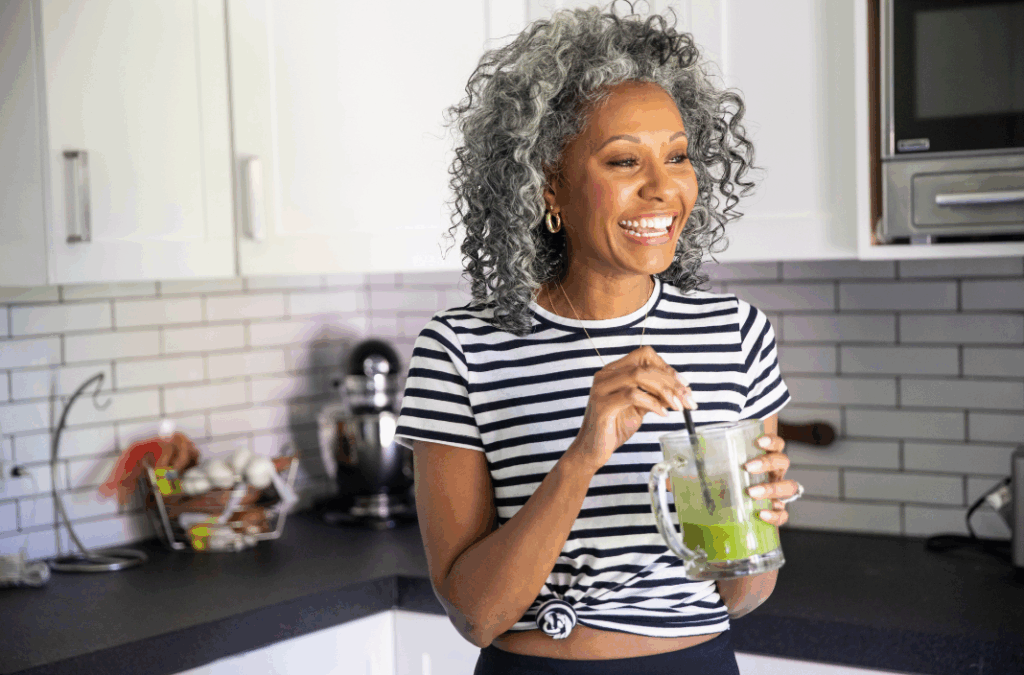
The Hidden Health Hack That Extends Longevity

For years, we’ve been told that the pillars of wellness are exercise, clean eating, sleep, and stress management.

While those matter, there’s a critical piece most women overlook—especially in midlife. It’s not a supplement, not a fitness app, not a detox plan. It’s friendship.

Real Connection is Non-Negotiable for Your Longevity

Not the casual wave-at-the-neighbor kind. Real, nourishing, life-expanding friendship.

Social wellness isn’t soft. It’s science-backed, measurable, and essential for everything from immune function to longevity. The data is staggering: meaningful connection increases survival rates by over 50%, lowers the risk of heart disease, strengthens cognitive health, and dramatically improves emotional regulation.

It’s not optional. It’s urgent.

The Wellness Gap No One Warned You About

Somewhere between supporting aging parents, guiding grown kids, showing up for a demanding career, and trying to keep a home running—connection faded. Not because it didn’t matter, but because it didn’t scream as loudly as everything else.

But here’s what isn’t said often enough: friendship is protective – against burnout, cognitive decline, and even the quiet drift into isolation that begins not with a crisis, but with busyness.

The Research Is Clear: Connection Extends Life

You don’t need 50 friends. But you do need a few who know the real you, witness your reality, and stay.

One comprehensive meta-analysis of 148 studies found that people with strong social ties had a 50% greater chance of survival, regardless of age or health condition. That’s the same risk reduction you’d get from quitting smoking or exercising regularly.

The Harvard Study of Adult Development—the longest study on human well-being ever conducted—identified one key determinant of long-term health and happiness: close relationships. It’s not accolades. Not income. It’s not even clean living. Relationships.

What’s Making Connection So Hard (Even for Capable Women)

If you’ve ever thought, “I know I need to connect, but I don’t have the energy,” you’re not alone—and you’re not wrong. Midlife introduces very real barriers:

1. Time Scarcity
You’re overscheduled and overcommitted. Friendship becomes another thing to manage, not something that restores you.

2. Emotional Exhaustion
You’re carrying the weight of others—parents, kids, teams—and when the day ends, you’re out of bandwidth.

3. Shifting Social Circles
People move. Kids grow. Roles change. Proximity fades, and effort feels one-sided.

4. Trust Hesitation
You’ve been hurt. Betrayed. Ghosted. Or just exhausted by friendships that take more than they give. So you opt out rather than risk more strain.

These aren’t character flaws. They’re survival strategies in a world that never taught adults how to build and maintain meaningful friendships.

Quality Connection: The Hidden Multivitamin

Let’s talk benefits. Not vague inspiration—real, measurable, physiological impact. Friendship:

Regulates Stress
Consistent, emotionally safe relationships reduce cortisol, lower inflammation, and protect cardiovascular health.

Boosts Immunity
Studies show socially connected individuals recover faster from illness and show stronger immune responses to viral exposure.

Enhances Mental Health
Consistent connection helps regulate mood, reduce anxiety, and buffer emotional burnout.

Preserves Cognitive Function
Adults with regular, stimulating social contact experience slower cognitive decline and lower risk of dementia.

Increases Lifespan
Lack of connection has the same mortality risk as smoking 15 cigarettes a day. Connection, on the other hand, supports regulated nervous systems, stabilized immunity, and longer life expectancy.

What Real Friendship Looks Like (And What It Doesn’t)

You don’t need to have a massive network. In fact, smaller circles are more impactful when built with intention. A healthy friendship includes:

  • Emotional safety: You can speak honestly and be heard.
  • Consistency: It doesn’t require daily check-ins—just ongoing investment.
  • Positive regard: You believe in each other. You don’t keep score.

What it doesn’t include: one-sided effort, emotional dumping, gossip-as-bonding, ghosting, or performative loyalty.

If Friendship Is a Skill—Here’s How to Rebuild It

No one taught us how to navigate adult friendship. But that doesn’t mean you’re stuck. These micro-strategies shift your connection landscape fast.

1. Micro-engagement matters.
Quick voice note. Funny article. Two-sentence text. Small moments build big trust.

2. Extend one invitation a week.
No pressure for perfection. Coffee. Walk. Call. Something low-lift that brings you together.

3. Use your real life.
Run errands together. Meal prep together. Go to a workout class. Friendship doesn’t require extra time—it fits into life as it is.

4. Speak up early.
Say: “I value communication. If something feels off between us, I’d rather check in than avoid it.”

5. Build a diversified circle.
No one person can be everything. Aim for variety: the growth friend, the fun friend, the grounding friend.

6. Plan shared experiences.
Retreats. Hikes. Dinner parties. Shared moments build deeper emotional memory.

Treat Friendship Like Preventive Care

Most women wait until everything feels off to realize they need more connection. But social wellness works best when you build it before you need it.

Consider this your invitation to prioritize it.

You’re allowed to want more—and to build a life that includes people who see you fully.

It’s Time To Create Something Better Now

Something that fits your life, honors your growth, and actually supports your health.

When you invest in connection, everything else stabilizes—your nervous system, your immune function, your emotional bandwidth.

It’s not too late. It never was.

Connection isn’t luck.
It’s a daily choice.
And it starts with one real moment.

Warmly, Laura

You don’t have to choose between success and well-being. Step away from the chaos, reset your mind and body, and realign with what truly matters. Our wellness retreats, online courses, free resources give you the space to breathe, reflect, and design a life that feels fulfilling—without guilt, without compromise.

Be the first to know about upcoming retreats—join the info list for dates and details.

Let’s stay connected! Follow us on InstagramFacebookYouTubeLinkedIn, and Pinterest, and join the LAYLO Shala for exclusive updates and insights.
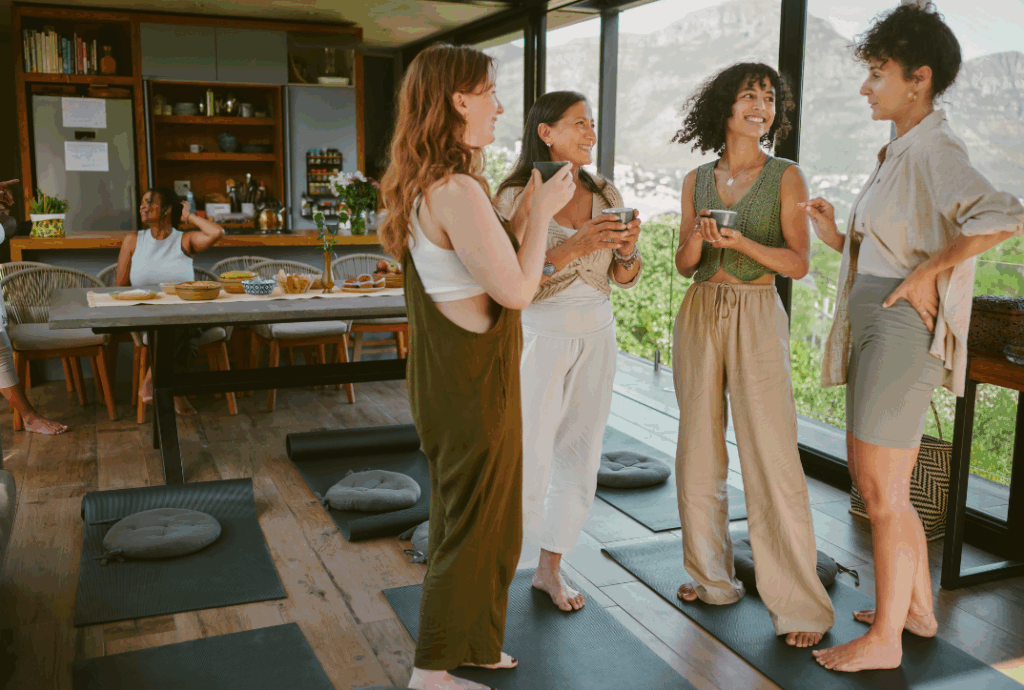
Why One‑Day Refresh Retreats Are the Next Big Thing in Friendship

How a One-Day Retreat Can Transform Your Friendships

Sometimes life demands both courage and grace.

When the everyday grind dulls connection, hosted, one-day retreats offers a reset—with both boldness and tenderness—that your relationships and soul genuinely need.

In this era of chronic busyness and screen fatigue, one-day refresh retreats are rapidly gaining traction. Called micro-retreats, reset getaways, or one-day immersions, these experiences are designed to deliver deep reconnection without demanding an entire weekend away. According to wellness trend analyses, micro-retreats are emerging as a sought-after response to time scarcity and digital overload. They answer a modern paradox: we want depth, but we have only hours to spare.

At the same time, the wellness retreat market is booming. The global wellness retreat market is projected to grow at a compound annual growth rate of around 10% in the next few years. And wellness tourism continues to expand, moving beyond luxury spas into accessible, meaningful experiences. Amid that growth, a shift is clear: people are seeking simpler, more human, low-tech ways to reset. That means retreats that favor authenticity over aesthetics, connection over spectacle.

Hosted one-day retreats sit squarely in that sweet spot. They carry the legitimacy (expert design, facilitation, curated space) while removing the burden from participants. You show up—no logistics, no planning stress—and are held by intention, care, and skill.

Why Micro-Retreats Matter More Now

Throughout our lives, the architecture of our social lives changes. Once we hit that midlife tipping point, though, our social lives can feel like they have been flipped upside down. Colleagues retire or move. Children become adults. The friendships once sustained by daily routines begin to fade unless tended to with care.

Research from the Survey Center on American Life shows that more than half of adults over 45 report having fewer close friendships than they did a decade ago. And the National Institute on Aging links strong social connections to a 50% increased chance of longevity, as well as reduced risks of heart disease, cognitive decline, and depression.

Conversely, the absence of meaningful friendship networks has been tied to increased cortisol levels, higher inflammation markers, and reduced immune function. In simple terms: our bodies and minds pay a steep price when connection erodes.

What Is a Hosted Micro-Retreat?

A micro-retreat is a one-day, highly intentional gathering designed to offer restoration and real connection. Think of it as a pause button on life’s noise—a dedicated space for truth-telling, reflection, laughter, and growth.

Unlike a vacation or even a traditional wellness retreat, a micro-retreat doesn’t require extensive travel, matching yoga pants, or a jam-packed schedule. What matters is the purpose behind it: to gather, reconnect, and be fully present.

Core Elements of a One-Day Retreat

What makes a hosted one-day retreat distinct:

  • Clear intention, themed around presence, truth, restoration
  • A setting that supports ease—calm studio, garden, retreat venue
  • A gentle, rhythmic agenda: check-in, reflection, movement, guided conversations, silence or rest
  • Sensory breaks (tea, food, nature, music) woven in
  • A closing ritual or integration practice

Examples of themes include:

  • The Unedited Self — a day of story-sharing and vulnerability
  • Circle Renewal — restoring bonds in your existing circle
  • Reset & Reinvent — focus on next steps, letting go, reimagining
  • Light & Play — combining rest with laughter, creativity, fun

At a one-day refresh like this, you don’t worry about the space, the flow, or the supplies. You only worry about showing up.

Micro-Retreat vs. Multi-Day Immersion: Why Both Matter

A hosted one-day retreat is a powerful dose of presence without asking too much of people’s schedules or energy. It’s a catalyst, a reawakening, a reminder that connection matters.

Multi-day retreats offer something deeper. When you step away entirely—no daily demands, no weekend calls—you give yourself space to recalibrate, to dig into inner work, to absorb new habits and rhythms. Multi-day retreats can:

  • Allow deeper disconnection from the noise of life
  • Enable you to go beyond surface levels in rest, reflection, transformation
  • Introduce new friends across days, with more time to bond
  • Help you soak in new practices (meditation, journaling, movement) until they feel familiar again
  • Offer an extended container for integration

In short: the one-day retreat gives you the spark. The multi-day retreat gives you momentum. And a one-day experience is often the bridge people need before stepping into something more immersive.

Why One Day Works

A one-day refresh is the act of courage with a soft edge. It says: “I believe I matter enough to invest a day of my time in.” And that matters.

You don’t have to be burned out or unraveling to want something more.

You just have to be honest enough to know when surface-level connection isn’t cutting it. Choosing to step into a space that’s real, thoughtful, and unscripted is more than self-care—it’s a quiet kind of defiance against the grinding pace of modern life.

It doesn’t just feel good. It helps you find you.

What People Gain

Participants often describe:

  • A sense of being seen in surprising depth
  • Release of relational fatigue
  • A reset of emotional perspective
  • Reconnection to dormant habits (journaling, quiet, intention)
  • Affirmation of who they are and what they long for
  • A tangible deepening of trust and belonging

Even one day can shift the relational soil enough for roots to deepen.

A Gateway to the Next Level

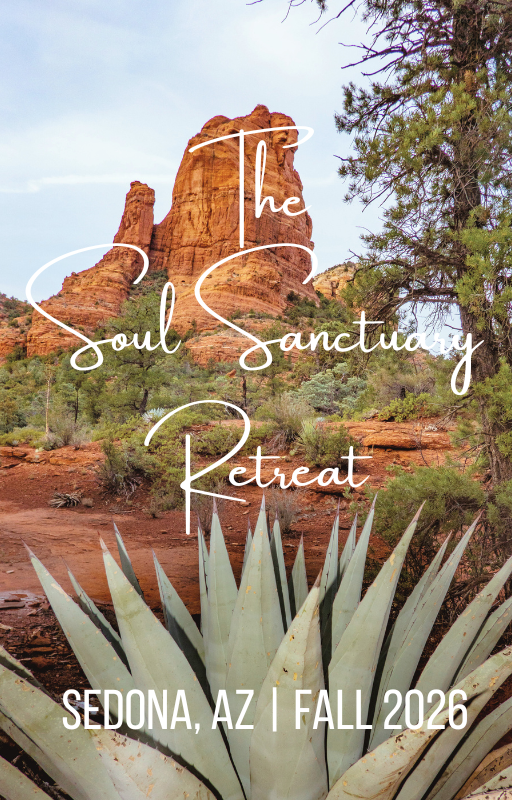
A one-day retreat is not the final destination—it’s a powerful doorway. For many women, it becomes the stepping stone into more immersive experiences, such as the Soul Sanctuary Retreat. If you long for the container a one-day refresh retreat is your ally.

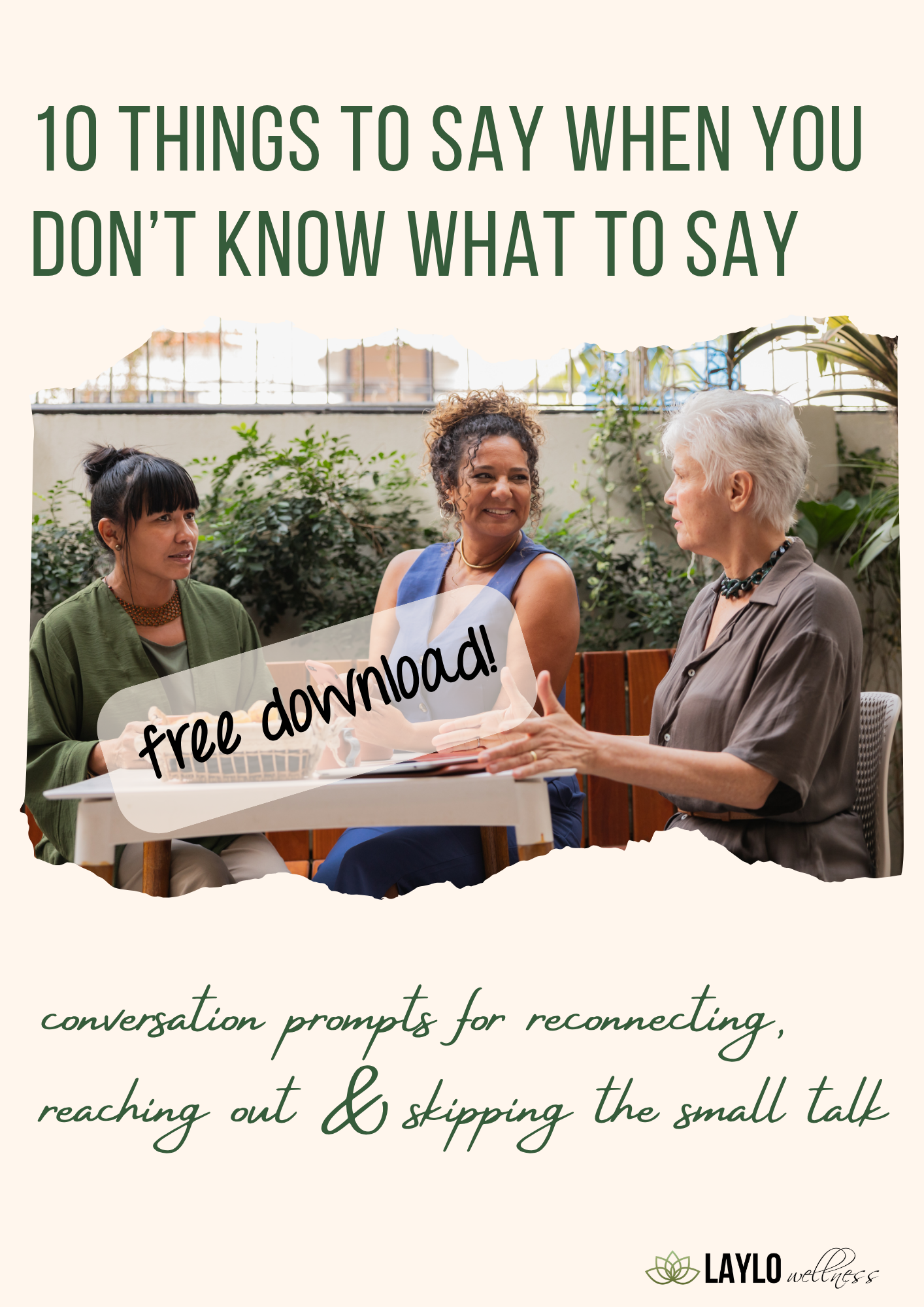
When you’re ready to bring in structure or support the invitation with clear messages, resources like “10 Things to Say When You Don’t Know What to Say” help open the conversation. And if you’re ready to go deeper, “Friendship After 40: The Blueprint to Finding Your People” lays the roadmap.

Don’t wait for the perfect moment. Start with one day. One intention. One circle.

Warmly, Laura

You don’t have to choose between success and well-being. Step away from the chaos, reset your mind and body, and realign with what truly matters. Our wellness retreats, online courses, free resources give you the space to breathe, reflect, and design a life that feels fulfilling—without guilt, without compromise.

Be the first to know about upcoming retreats—join the info list for dates and details.

Let’s stay connected! Follow us on InstagramFacebookYouTubeLinkedIn, and Pinterest, and join the LAYLO Shala for exclusive updates and insights.
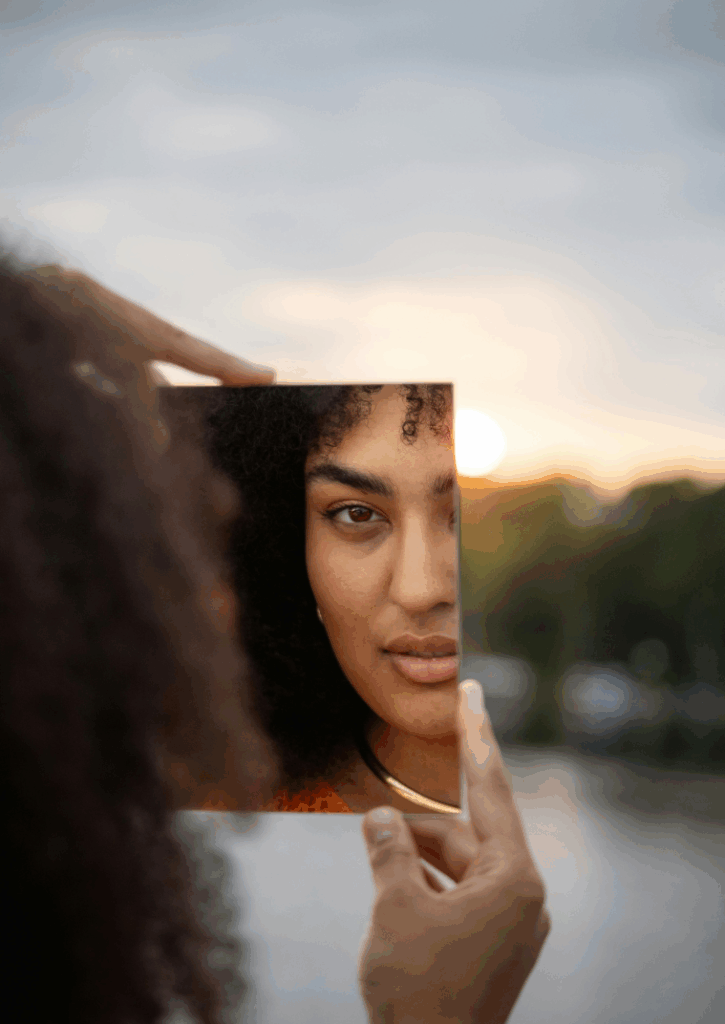
The Surprising Social Benefits of Exercising With Others

benefits of exercise with others

It often starts with good intentions. You carve out time, lace up your shoes, and promise yourself that this week, you’ll get back on track.

But by Thursday, life has stepped in—a meeting runs long, your kids/parents need something, or the energy simply isn’t there. The motivation fades quietly.

The treadmill sits untouched. Again.

This is where exercising with others can shift everything.

Shared physical activity offers more than fitness; it opens a door to meaningful social connection. For women navigating the complexity of midlife—juggling professional demands, caregiving, and an often-overlooked desire for personal fulfillment—movement becomes more sustainable and satisfying when it happens with others.

Why It Matters More After 40

As we age, maintaining physical activity becomes increasingly critical. After 40, muscle mass naturally declines by about 3-5% per decade, and bone density begins to drop, especially for women. According to the CDC, regular physical activity helps reduce the risk of chronic illnesses such as heart disease, type 2 diabetes, and osteoporosis. It also supports cognitive health, which becomes a growing concern in midlife.

But it’s not just about staying strong or staving off disease. What often gets overlooked is the profound connection between physical wellness and social health. Studies show that social connection is a critical predictor of long-term health. Adults with strong social relationships have a 50% increased likelihood of survival, according to research published in PLoS Medicine. Conversely, a lack of connection can increase risk for cardiovascular disease, cognitive decline, and even premature mortality.

And yet, for many women over 40, maintaining or forming new friendships feels harder than ever. Careers are demanding. Schedules are full. The old friend groups have drifted, and the idea of starting over feels overwhelming. But something powerful happens when you move your body alongside others: barriers drop, rhythms align, and relationships begin to form organically.

The Role of Positive Social Pressure

There’s a unique accountability that comes from showing up for someone other than yourself. When you commit to a walking group, a Pilates class, or a climbing session, you’re not just managing your own motivation—you’re part of something shared.

Positive social pressure keeps you engaged, even on the days when your energy is low or the calendar feels too full. It’s not about guilt or obligation; it’s about support. You move because others are moving too. You stay because you’re seen. Over time, this consistency builds both physical stamina and a sense of belonging.

Natural Community in Motion

Exercising with others doesn’t require deep conversations or forced bonding. It starts with a nod across the studio or a shared laugh in the parking lot. These small, repeated interactions create space for trust. Without the pressure of “catching up” or hosting coffee, movement-based meetups offer a low-maintenance way to reconnect with others and with yourself.

Whether it’s a spin class at your local gym, an early morning hike, or a casual game of pickleball, shared physical activity fosters a community of like-minded people. And for many women 40+, that’s exactly what’s missing: a circle of people who understand the mess, the beauty, and the realness of midlife.

What You Could Do (And How to Choose It)

You don’t need to go hardcore to feel connected.

What matters is choosing the kind of movement that aligns with your energy, your schedule, and your social bandwidth.

Here are a few ideas, categorized by how much social engagement they naturally invite:

High Interaction Activities:

  • Rock Climbing: This requires communication and trust. Whether you’re belaying or being belayed, you’re in constant dialogue. It builds not just strength but connection.
  • Partner Yoga: Involves physical coordination and shared intention. Often done in small, supportive groups.
  • Strength Training With a Friend: Alternating sets, spotting one another, and cheering each other on adds both safety and encouragement to the routine.

Moderate Interaction Activities:

  • Group Hikes or Walks: These provide a relaxed setting for conversation without intensity. Ideal for building rapport over time.
  • Fitness Classes (like Pilates or Barre): You share space and routine with others, offering light social exposure with the option to engage more deeply over time.

Low Interaction but Still Communal:

  • Zumba or Dance Classes: High energy, shared rhythm, and optional connection. Being in the room is often enough to feel uplifted.
  • Open Gym Sessions: Working out near others may not spark deep conversation, but it still offers a sense of shared momentum.

By choosing activities that match your current need for connection, you create a sustainable routine. Some days you may want full engagement. Others, you may just want to be near people without having to perform socially. Both are valid.

More Than a Workout

What begins as a commitment to health can quietly become a doorway to belonging. That’s the magic of shared movement. It’s physical wellness that supports emotional wellness. It’s consistency that doesn’t feel like a chore. It’s a new conversation without needing to say much at all.

And in a season where friendships have changed, roles have shifted, and space for self has shrunk, this kind of connection matters. You don’t have to force it. You just have to show up.

If finding your people through movement feels like the next right step, remember: connection doesn’t always look like deep heart-to-hearts. Sometimes, it looks like lacing up your shoes and joining someone else on the mat, the trail, or the wall.

You don’t have to go it alone. You were never meant to.

Warmly, Laura

You don’t have to choose between success and well-being. Step away from the chaos, reset your mind and body, and realign with what truly matters. Our wellness retreats, online courses, free resources give you the space to breathe, reflect, and design a life that feels fulfilling—without guilt, without compromise.

Be the first to know about upcoming retreats—join the info list for dates and details.

Let’s stay connected! Follow us on InstagramFacebookYouTubeLinkedIn, and Pinterest, and join the LAYLO Shala for exclusive updates and insights.

How Intentional Travel Can Change Your Life —Forever

A Different Kind of Travel

It begins with a moment of intention.

The new travel: intentional, immersive, transformative—how one trip can change your life, not just your calendar.

Not the hurried kind you squeeze between work and evening obligations. This is a deliberate pause, a choice to travel differently—not just across landscapes, but into presence.

In a world that rarely gives women space to simply be, more and more are seeking travel that feels less like escape and more like return. A return to self. Return to clarity. To relationships that feel grounded. And to meaning.

A 2025 travel trends report found that 77 percent of travelers now value the quality of their experience more than the price tag. That’s not just a statistic—it’s a quiet revolution. After years of accumulating things and juggling roles, many are realizing they want their time and money to bring something lasting.

They’re not interested in rushed itineraries. They’re not coming home satisfied by photo ops. They ARE booking experiences that leave a mark. That shape how they feel, how they relate, how they live.

Why This Shift Is Happening Now

This move toward intentional travel didn’t happen by accident. For many women in midlife, the need for change isn’t about crisis. It’s about awakening.

It’s about asking different questions: What do I actually need? Who am I outside of my roles? What spaces help me remember?

The travel industry is responding. McKinsey research shows that experiences are now the primary driver behind why people choose certain destinations. They’re not looking for amusement; they’re craving transformation.

And transformation doesn’t come from packed days or glossy hotel rooms. It comes from slowing down, being seen, and sharing moments that invite you to be more fully yourself.

Quiet Luxury, Real Impact

This trend has a name: quiet luxury. And it’s not about price. It’s about intentionality.

Quiet luxury shows up in retreats where there are no name tags or icebreakers. In dinners where no one asks what you do for a living. In walks where silence feels like connection.

Over 63 percent of travelers now choose under-the-radar destinations because they want something authentic, not orchestrated. They want to feel a sense of place, not performance.

And increasingly, women want that for themselves, too.

The Rise of Meaningful Retreats

One example of this trend is the rise of immersive, wellness-centered retreats. These aren’t spas or quick fixes. They are curated environments where presence is the goal, not productivity.

Some, like the Soul Sanctuary Retreat, focus on helping women reconnect through slow mornings, thoughtful conversation, movement, rest, and reflection. Finding a sense of adventure and exploring your surroundings with purpose. Not through forced vulnerability, but by creating the kind of space where genuine connection happens naturally.

These experiences are not designed to fix anyone. They are designed to honor who you already are—and give that version of you room to breathe.

Why Intentional Travel Works

When you remove yourself from the noise of daily life, something opens. The part of you that’s been in motion for decades finally gets a moment to exhale.

You begin to notice:

  • How good your body feels when it moves without an agenda.
  • How different conversations sound when they’re not being squeezed into a schedule.
  • How much more present you become when no one needs anything from you.

In that presence, you begin to connect—not just with others, but with yourself. With your thoughts and with your rhythms. With the version of you that’s been patiently waiting to be seen again.

What People Are Saying

The proof isn’t just in statistics. It’s in how people feel when they come home.

“I came back softer,” one retreat attendee shared. “Not smaller. Not less powerful. Just more aligned. Like my edges had finally been smoothed by rest and truth.”

Another woman described her experience as a remembering: “It wasn’t about learning new tools. It was about having space to remember who I was before the world told me who I needed to be.”

What’s Behind the Trend

What are people looking for when they make the decision to travel with intention?

Turns out they still want fun, but they want it to be immersive, memorable, and powerful. They are looking for comfort and self-care.

They want to return to their lives more than just renewed; they want to feel changed. And the last thing they want is a suitcase full of trinkets they will likely never look at again!

relaxed traveler
  • Experience over price: 77% of travelers prioritize meaningful experience over cost (TTS.com).
  • Transformative momentum: People increasingly use travel as a tool for identity, clarity, and growth (AClasses.org).
  • Experiences drive decisions: Travelers are choosing destinations based on emotional and immersive potential, not logistics (McKinsey).
  • Luxury redefined: Quiet, intentional, and personal travel is displacing material-focused tourism (MyJournalCourier).
  • Wellness meets authenticity: Wellness tourism, especially regenerative travel like farm stays, is on track to become a $1.35 trillion market by 2028 (Vogue).

What Happens When You Choose Differently

There’s a moment in every intentional trip when you realize: it’s not just a break. It’s a beginning.

You stop rushing. You start listening. Your thoughts slow down. And that voice that has been whispering for months—or maybe years—finally becomes clear.

That voice might say:

  • I need more of this.
  • I miss this part of myself.
  • I want to carry this feeling into my real life.

And you can. That’s the power of traveling with purpose. You don’t just return with souvenirs. You return with shifts.

Final Thoughts

Maybe the question isn’t “Where should I go next?”

Maybe it’s:

  • What do I want to feel?
  • What part of me needs space to speak?
  • What experience would be worth remembering a year from now?

When travel becomes a mirror, not a mask, everything changes.

And maybe, just maybe, that’s the trip you’ve been waiting for.

Warmly, Laura

You don’t have to choose between success and well-being. Step away from the chaos, reset your mind and body, and realign with what truly matters. Our wellness retreats, online courses, free resources give you the space to breathe, reflect, and design a life that feels fulfilling—without guilt, without compromise.

Be the first to know about upcoming retreats—join the info list for dates and details.

Let’s stay connected! Follow us on InstagramFacebookYouTubeLinkedIn, and Pinterest, and join the LAYLO Shala for exclusive updates and insights.

The Surprising Link Between GenX Grit and the Loneliness Epidemic

I was being interviewed on a podcast recently when the host said, “I hear it all the time from GenX women—they hate people. So if they hate people, why would they want to talk to you about building a support system?”

It was a great question. And it points directly to why so many GenX women struggle to build and maintain strong, lasting friendships—the kind that actually fit who we are now, not who we were decades ago.

It’s a classic case of GenX grit getting in our own way.

I get asked a lot about GenX and our wide streak of independence. If we’re so good at going it alone, do we really need a circle of friends?

We were raised to be resourceful. Latchkey kids with house keys strung around our necks. We handled things because no one else was going to do it for us. That made us scrappy and adaptable—and proud of it. We earned our independence the hard way, and it’s part of our DNA.

The flip side of all that GenX grit and decades of handling life solo has left many of us with tiny circles of friends, or sometimes none at all. Not because we don’t value connection, but because “do it yourself” became our default mode.

The Cost of Always Going It Alone

Independence has carried us far—through careers, raising families, caring for parents, and running our lives with grit. But that constant self-reliance has side effects. Many GenX women have spent years carrying the weight alone, rarely asking for support, and letting friendships fall to the bottom of the list.

This is where the loneliness epidemic comes in. Studies show loneliness is on the rise, and women in midlife are not immune. When you’ve spent decades building competence and independence, it’s easy to look up and realize your social circle has shrunk.

Independence as a Filter, Not a Wall

Here’s the shift: independence doesn’t mean isolation. What it gives us now is clarity. We’ve lived enough life to know who belongs in our world and who doesn’t. Independence becomes a filter.

That filter is powerful. It keeps out the noise, the draining relationships, and the acquaintances who don’t add value. And it makes room for the people who matter—the ones who bring depth, laughter, and perspective.

Why Friendships Are Fuel, Not Optional

When the right people make it past that filter, life expands. Friendships aren’t about filling a void; they’re about adding richness to what we’re already living on our own terms.

Research backs this up. The Harvard Study of Adult Development—one of the longest-running studies in history—found that quality relationships are the strongest predictor of long-term happiness and health. Blue Zones research echoes this: communities with long lifespans are built around strong social ties. In other words, friendship and longevity are linked.

We will not be giving up our independent streak any time soon. We will learn to use it wisely—to choose connection that strengthens us.

Building the Right Circle in Midlife

Here’s the opportunity. Midlife isn’t a dead end for friendships. It’s a reset point. We don’t need large groups or endless obligations.

We need intentional circles. People who understand our lives, our pressures, and the mix of independence and connection that defines our generation.

This is why creating space for friendships matters. Not the casual, surface-level interactions, but the ones that stick. The ones that make the next decade of life not just productive, but meaningful.

The Soul Sanctuary: A Step Toward Connection

That’s why I’ve built spaces like the Soul Sanctuary Retreat. It’s a space designed to give women the chance to reconnect with themselves and with others in a way that feels real.

Because in the middle of the loneliness epidemic, we don’t need more acquaintances. We need friendships that last. And we deserve to create them.

Grit is Good

Independence made us who we are. But friendships will shape who we become in the decades ahead. If you’ve been carrying everything on your own, this is the moment to widen your circle—with people who matter.

Warmly, Laura

You don’t have to choose between success and well-being. Step away from the chaos, reset your mind and body, and realign with what truly matters. Our wellness retreats, online courses, free resources give you the space to breathe, reflect, and design a life that feels fulfilling—without guilt, without compromise.

Be the first to know about upcoming retreats—join the info list for dates and details.

Let’s stay connected! Follow us on InstagramFacebookYouTubeLinkedIn, and Pinterest, and join the LAYLO Shala for exclusive updates and insights.