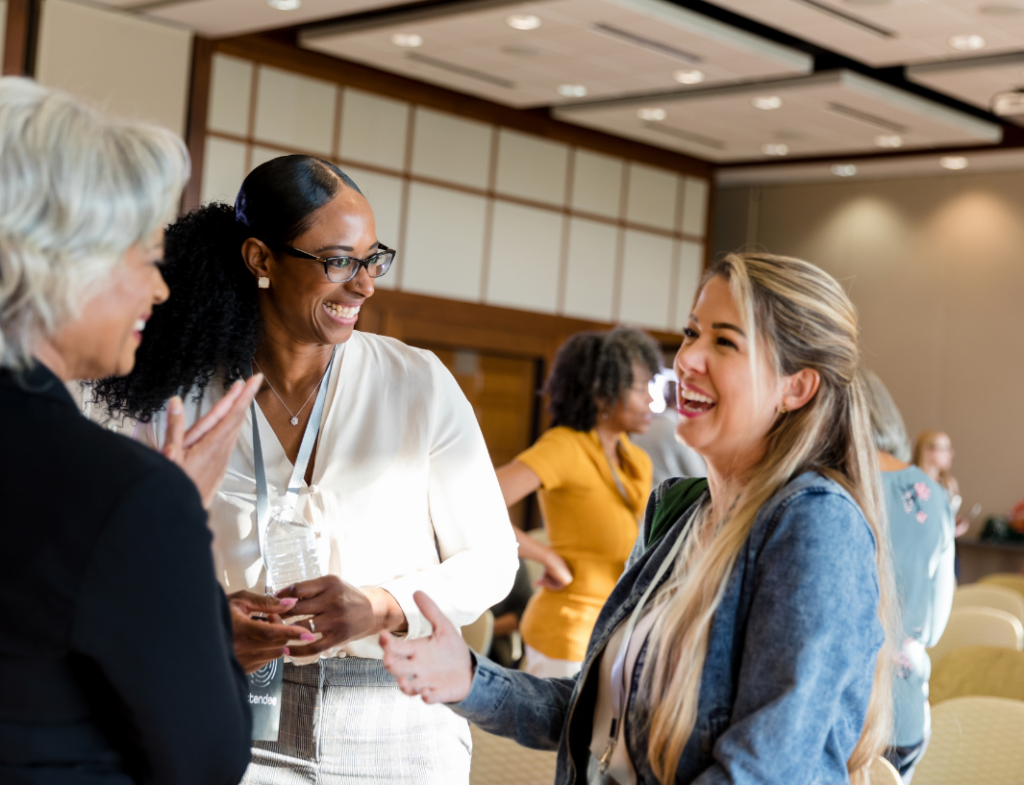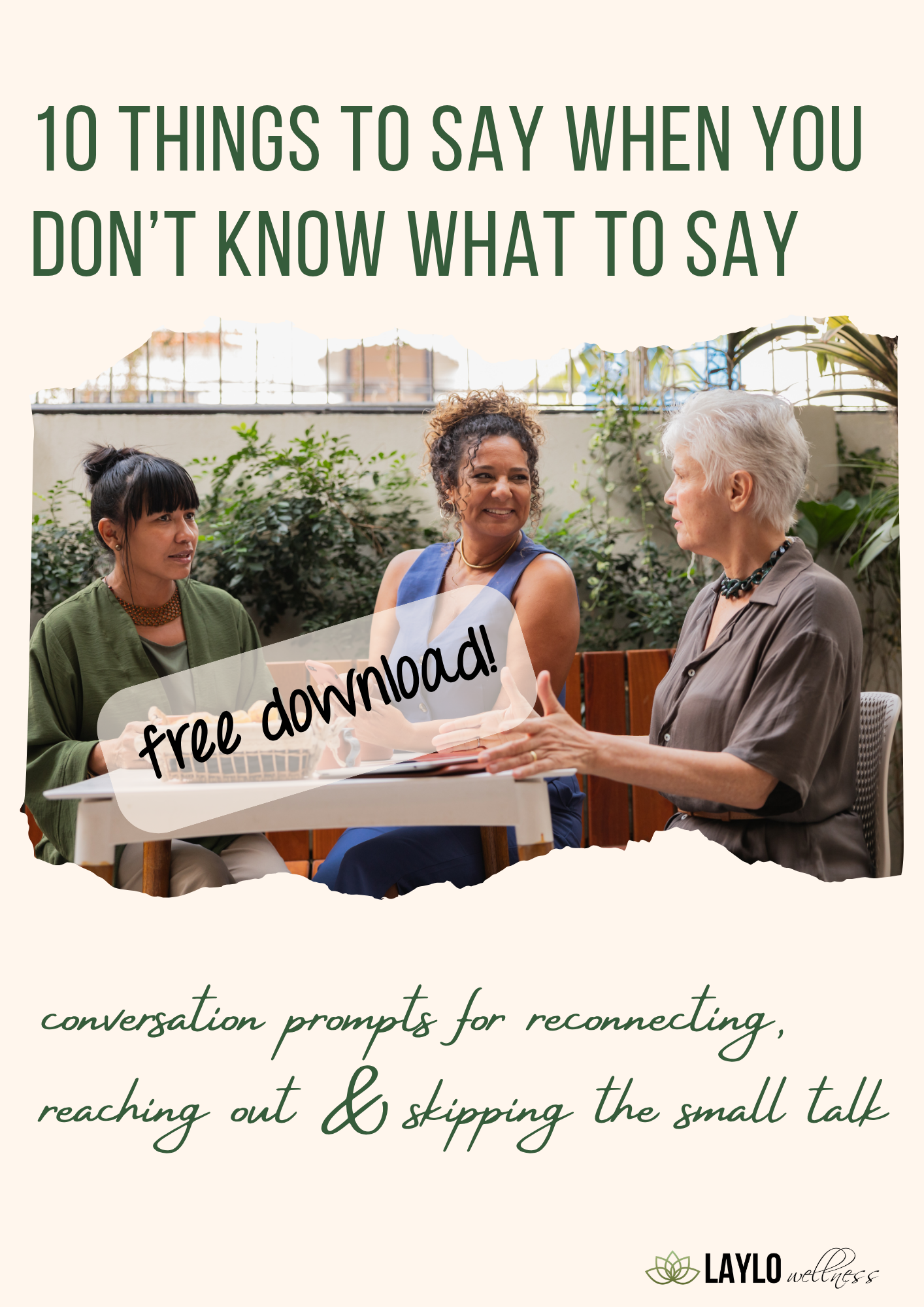
THE HIDDEN MENTAL STRAIN OF DISCONNECTION

DISCONNECTED

We often talk about mental wellness in terms of stress management, mindfulness, or self-care routines.

But there is a quieter, more insidious factor affecting mental health, especially for women in midlife: disconnection.

Disconnection disrupts emotional balance, clouds thinking, and erodes confidence, all while flying under the radar of daily awareness.

How Disconnection Disrupts Mental Health

For many people, especially those in the sandwich generation or navigating midlife, the competing demands of career, caregiving, and personal growth can allow social disconnection to quietly take hold. It doesn’t show up all at once, but gradually. It surfaces as decreased emotional resilience, trouble concentrating, irritability, or a dulling of joy. And the underlying cause can be surprisingly simple: a lack of consistent, meaningful connection.

According to a meta-analysis published in PLOS Medicine, weak social relationships increase the risk of early mortality by 50% — a rate comparable to smoking 15 cigarettes a day. While much of the conversation centers around physical health, the psychological burden is just as pressing. Disconnection impacts mood regulation, executive function, and stress hormone levels. Over time, this toll can manifest in ways that disrupt both mental clarity and emotional stability.

The Biological Toll of Disconnection

One 2023 study in the Journal of Health Psychology found that middle-aged women who reported low levels of social integration experienced significantly higher levels of cortisol, the body’s primary stress hormone. Elevated cortisol levels are linked with anxiety, memory lapses, and increased vulnerability to depression. This isn’t about a lack of social activity. It’s about the quality of connection.

Further research published in the American Journal of Psychiatry has shown that individuals who feel socially disconnected have a 60% higher risk of developing clinical depression. The authors note, “The absence of meaningful social bonds creates a vacuum where psychological distress thrives.” This is particularly significant for women in their 40s and 50s, who often juggle invisible labor and emotional caregiving roles, leaving little room for self-nourishing relationships.

Why Disconnection Grows in Midlife

As we age, maintaining high-quality relationships becomes both more vital and more complex. According to data from the Survey Center on American Life, 56% of women over 40 say their circle of close friends has shrunk in the past decade. Life transitions—moves, job changes, health challenges—can shrink our social networks without us even realizing it. The result is a growing sense of mental fatigue that many simply learn to live with.

This fatigue is not benign. Mental fatigue from disconnection can reduce motivation, increase emotional reactivity, and undermine confidence. It quietly conditions people to pull back, engage less, and accept a level of isolation that would have been unthinkable years earlier. This creates a feedback loop: the less connected someone feels, the harder it becomes to reach out.

The Physical and Cognitive Effects of Being Disconnected

Loneliness and social isolation have also been linked to increased inflammation, a known risk factor for many chronic conditions including heart disease, diabetes, and cognitive decline. A report from the National Institutes of Health highlights that “social isolation activates the body’s stress response, leading to systemic inflammation and long-term wear and tear on the body and brain.”

Interestingly, researchers at the University of Chicago found that social disconnection alters gene expression in immune cells, making people more susceptible to inflammation and disease. The study emphasized, “Social connection isn’t just a pleasant addition to life; it is a biological imperative.”

Moreover, disconnection has cognitive consequences. A 2021 study in Frontiers in Psychology observed that participants with fewer meaningful interactions showed declines in memory recall and decision-making speed. These aren’t just signs of aging—they are symptoms of social undernourishment.

Reversing the Mental Strain of Disconnection

The good news? This cycle can be interrupted—deliberately, and with grace.

Building emotional resilience in midlife isn’t about adding more to an already full plate. It’s about prioritizing what nourishes the mind and spirit.

That begins with reconnecting.

reconnection

Intentional reconnection may start with small shifts: a deeper question asked over coffee, a weekly walk with someone who “gets you,” or saying yes to an event designed to foster real connection. These aren’t indulgences. They are essentials.

Programs designed for reconnection aren’t just social experiences—they are mental wellness interventions. When someone participates in a space that emphasizes true connection, the brain benefits. Oxytocin, the neurochemical linked with trust and bonding, increases. So does serotonin, enhancing mood and emotional balance. A retreat or structured conversation series isn’t a luxury; it’s a recalibration.

Choose Connection to Support Mental Wellness

As a leader in social wellness, I see firsthand the quiet transformation that occurs when people invest in meaningful connection. They don’t just “feel better.” They think more clearly, make better decisions, and recover emotional energy that has long been depleted.

Reclaiming connection isn’t about chasing friendships of the past. It’s about intentionally shaping relationships that align with who we are now. And with the right tools and spaces, no one has to do it alone.

The hidden mental strain of feeling disconnected is real. But so is the relief and renewal that come from re-engaging with others in a way that is authentic, affirming, and enduring.

Connection is not a reward for having it all together. It’s the foundation that helps us hold everything else up.

laylo wellness

You don’t have to choose between success and well-being. Step away from the chaos, reset your mind and body, and realign with what truly matters. Our wellness retreats, online courses, and free resources give you the space to breathe, reflect, and design a life that feels fulfilling—without guilt, without compromise.

Be the first to know about upcoming retreats—join the info list for dates and details.

Let’s stay connected! Follow us on InstagramFacebookYouTubeLinkedIn, and Pinterest, and join the LAYLO Shala for exclusive updates and insights.

6 LIES AND A TRUTH

What’s really keeping you feeling lonely?

We can be masters at telling lies to ourselves. One of the biggest ways we do this is why we feel lonely.

You can be successful and admired. You can lead in your work, show up for your family, and keep the wheels turning every single day. And still — we feel profoundly alone. We think it doesn’t add up.

Not the “I don’t know anyone” kind of alone. The other kind. The quiet kind. The kind where no one really knows what you’re carrying. Where the texts are mostly logistics. Where your calendar is full, but your personal life feels hollow.

If this is you, you’re not broken. You’re not failing. But you are likely believing things that aren’t true. And those beliefs? Those lies? They’re keeping you disconnected.

Let’s talk about what’s actually in the way—and what to do about it.

1. The Comparison Trap

You scroll through group selfies, party pics, dinners out, and matching pajama traditions. Everyone else looks like they’re living inside a holiday commercial.

It’s easy to assume you’re the outlier. That other women have friend groups locked in, with standing brunch dates and late-night text threads you somehow missed out on.

They don’t.

Most of what you’re seeing is curated. Cropped. Posted with purpose. Real connection rarely makes it to the feed. Don’t mistake proximity for intimacy. Don’t confuse performance for presence.

If your life feels quieter, it doesn’t mean it has to stay that way. You don’t need to be invited in—you can initiate. Host a dinner. Start a group. Schedule a walk. Create the thing you wish existed. Chances are, others are waiting too.

2. The “Low Maintenance” Lies

You’ve told yourself you’re independent. That you don’t need a lot of friends. You’re too busy anyway. Too focused. Too grown to chase down social plans.

But needing fewer people doesn’t mean needing no one.

You need at least one person who knows your actual life—not just your resume.

Someone who checks in without an agenda. Someone who remembers your hard days and circles back.

The one who would notice if you disappeared for a week.

That kind of relationship isn’t optional. It’s essential. And it doesn’t fall out of the sky. It’s built. Slowly. Intentionally. Through effort and reciprocity, not convenience.

Stop making loyalty a personality trait and connection a luxury. You’re not “too much” for wanting deeper friendship. You’re human.

3. The Belief That You’re the Exception

Here’s something almost no one talks about: most people think others like them less than they actually do.

Psychologists call this the liking gap. It’s the persistent belief that you’re not coming across as well as you think—or worse, that people are just tolerating you. And it’s false.

Research shows people consistently underestimate how much others enjoy their presence. That voice in your head after a dinner out or a group call—the one that replays everything you said and twists it slightly? Those are lies. That’s insecurity. And it’s blocking your ability to feel seen.

You’re more likable than you think. But you’ll never know that if you keep staying home, skipping the invite, or assuming people don’t really want to hear from you.

4. The Pressure to Keep Every Friendship Forever

Some friendships are meant to last a season. But we treat them like lifetime contracts. The lies here are that we are bad people if we outgrow a friendship and we owe it to someone to stay friends forever, even when it just no longer fits.

You were close when your kids were little. When you were both navigating divorce. When you worked at the same company or lived on the same block. But now? Your values are different. The connection feels forced. The conversation doesn’t go anywhere.

Still, you keep showing up. Out of guilt. For the sake of nostalgia. Out of habit.

Let. it. go.

Keeping old relationships alive out of obligation drains your energy and creates resentment. More importantly—it takes up space. Space that could be used to invite in new people who align with who you are now, not who you were ten years ago.

Friendships aren’t failures because they end. They’re chapters. And part of maturing emotionally is knowing when to close one.

5. The Justified Excuses

Let’s name them:

  • I’m tired.
  • I’ve got too much going on.
  • I don’t have time to keep up with people.
  • I’m introverted.
  • I have social anxiety.
  • I’ve been burned before.

All of these may be true. None of them are disqualifiers.

Life is full. Energy is limited. But that doesn’t change this: you need people. Not hundreds. Not a curated tribe. But real connection. And connection takes effort.

You don’t need to be the life of the party. But you do need to participate in your own life.

You need to text first. Say yes when you’re tempted to cancel. Send a voice note instead of ghosting. Schedule the call. Join the thing. It will feel awkward. It will feel inconvenient. And it will be worth it.

Reframe: The Three Kinds of Friends **Truth Bomb**

Stop trying to make every friend into your forever person. I love this explanation from Mel Robbins: There are three kinds of friendships, and they all serve different purposes.

  • Reason – People tied to a role or situation. Work friends. Gym friends. Other moms in the drop-off line. They might not go deep, but they serve a real function.
  • Season – The friends who walk through a chapter with you. The ones you leaned on when you had toddlers, or during a breakup, or when you moved to a new city. They were everything, and now they’re a memory. That’s not a failure. It’s normal.
  • Lifetime – The rare few who are still there, year after year. The ones who know the details. Who don’t need context. Who show up when it’s inconvenient. These are your 4am people. Treasure them. And if you don’t have one yet, be one.

When you stop forcing friendships into the wrong categories, you’ll free yourself from disappointment—and build more honest, present relationships.

What Now?

Connection isn’t something you wait for. It’s something you build.

Start small:

  • Text someone you’ve been meaning to reach out to.
  • Record a 20-second video message instead of just liking their post.
  • Invite someone to walk, not to dinner—low pressure, no cleanup.
  • Be the one who goes first.

It’s not about becoming someone else. We don’t want to create more self-inflicted lies! It’s about remembering who you are—and making space for people who see that version of you.

The one who isn’t just accomplished, but alive.

laylo yoga and wellness

You don’t have to choose between success and well-being. Step away from the chaos, reset your mind and body, and realign with what truly matters. Our wellness retreats, online courses—including building deeper connection and community—and free resources give you the space to breathe, reflect, and design a life that feels fulfilling—without guilt, without compromise.

Be the first to know about upcoming retreats—join the info list for dates and details.

Let’s stay connected! Follow us on Instagram, Facebook, YouTube, LinkedIn, and Pinterest, and join the LAYLO Shala for exclusive updates and insights.


WHEN A FRIENDSHIP NO LONGER FITS

You’ve Outgrown Your Circle. Now What?

It’s a quiet realization. One that doesn’t come with drama or a single moment of clarity. Just a slow recognition a friendship that once felt like your anchor no longer feels like home.

You sit across the table from a familiar face and feel like a stranger in your own life. The conversation loops. You’re different now. And you know it. Maybe you both know it.

This isn’t about blame or bitterness. It’s about growth. Life has changed, and so have you. But even as you evolve, one thing remains constant: the human need for deep, authentic connection.

So what happens when your current relationships can’t meet that need?

The Friendship Disconnect We Don’t Talk About

For women in their 40s, 50s, and beyond, this shift in connection is more common than we think. Career changes, caregiving responsibilities, hormonal shifts, and a reevaluation of personal priorities often lead to internal growth that existing relationships can’t always keep pace with.

According to a 2021 study published in SAGE Journals, middle-aged women are more likely to report dissatisfaction in social support networks than any other demographic. And a 2023 report by AARP revealed that over 60% of women in this age group feel they lack meaningful, emotionally supportive friendships.

That’s not a minor statistic. It’s a cultural signal.

As we age, the quality of our relationships becomes even more essential to our health and well-being. The Harvard Study of Adult Development, which has followed participants for over 80 years, found that strong social bonds are more predictive of long-term health than cholesterol levels, income, or even exercise habits.

Translation: having the right people around you matters more than most of us realize.

Why You’ve Outgrown the Familiar Friendship

This isn’t about superiority. Outgrowing a friend isn’t a judgment of their character—it’s an acknowledgment of your needs. The version of you who built those relationships might have prioritized different things. Shared history and convenience often play a bigger role in adult friendships than shared values or mutual growth.

But when you begin to question the way your time is spent—or when conversations begin to feel repetitive, one-sided, or emotionally draining—it’s a sign that something is misaligned.

This internal tension often arises when we’ve undergone deep change: a career pivot, spiritual shift, major family transition, or personal transformation. You may find yourself craving more emotionally intelligent conversations, more accountability, or simply more honesty.

Those cravings are valid. And they point to an unmet need for resonance—something surface-level friendships can’t satisfy.

What Happens If You Ignore It

There’s a cost to staying small in relationships that no longer nourish you. A 2020 study from Brigham Young University found that weak social ties contribute to a 29% increase in the risk of early mortality. That’s on par with the health risks associated with smoking 15 cigarettes a day!

When emotional needs go unmet, women experience higher rates of anxiety, inflammation, and burnout. Add to that the invisible labor many carry as executives, caregivers, and decision-makers, and the consequences multiply.

This isn’t just about mental health. It’s about physical well-being, career sustainability, and personal fulfillment.

Creating Space for What’s Next

The first step isn’t finding new friends. It’s naming what’s no longer working.

This process often starts with silence—observing how you feel after time spent with someone.

Do you feel seen? Understood? Energized? Or do you leave the interaction depleted, unheard, or disengaged?

Once you name what you’re outgrowing, you can create intentional space for what you want to invite in. That may look like:

  • Being more selective with how and where you spend time
  • Setting boundaries with people who drain your energy
  • Seeking out aligned spaces that prioritize emotional intelligence, personal growth, or values-driven conversation
  • Letting go of guilt around change

Many high-achieving women struggle to let relationships fade. The instinct to nurture, to hold everything together, is strong. But maturity in connection means knowing when to release, not just when to repair.

Where Real Connection Begins

Building new relationships later in life can feel awkward. But it can also be powerful—because this time, you’re not choosing based on proximity or convenience. You’re choosing based on resonance.

Whether it’s joining a purpose-driven group, attending a curated retreat, or participating in a facilitated course designed to deepen connection, investing in community is no longer optional—it’s foundational.

Women who prioritize emotionally aligned relationships experience improved cognitive health, reduced risk of heart disease, and higher life satisfaction, according to the Mayo Clinic and the National Institutes of Health. These are not just feel-good results—they are measurable outcomes.

And here’s what else we know: connection isn’t a luxury. It’s a health strategy. A leadership tool. A form of resilience.

Start With One Brave Step

You don’t need a full social reset. You need one real conversation. One aligned space. One new connection that makes you feel recognized.

If your current circle no longer reflects who you are or what you value, honor that. You’ve grown. That’s a good thing. Now it’s time to let your relationships grow with you—or make room for the ones that will.

Your next chapter isn’t about collecting more people. It’s about creating more meaning.

You don’t have to do it alone. But you do have to start.

laylo yoga and wellness

You don’t have to choose between success and well-being. Step away from the chaos, reset your mind and body, and realign with what truly matters. Our wellness retreats, online courses, and free resources give you the space to breathe, reflect, and design a life that feels fulfilling—without guilt, without compromise.

Be the first to know about upcoming retreats—join the info list for dates and details.

Let’s stay connected! Follow us on InstagramFacebookYouTubeLinkedIn, and Pinterest, and join the LAYLO Shala for exclusive updates and insights.

STOP MICROMANAGING YOUR LIFE AND START BUILDING RESILIENCE

Resilience vs. Micromanaging

Mental resilience isn’t about avoiding problems—it’s about developing the capacity to handle them.

Life doesn’t grant immunity from challenges, no matter how carefully we try to curate our environment. Conflict arises, stress builds, and difficult people cross our path.

The solution isn’t retreat. It’s expansion—strengthening our ability to stay calm, centered, and capable even when life gets difficult.

The High Cost of Avoidance

It’s tempting to remove every stressor possible: declining invitations, cutting people off, steering clear of conflict. But avoidance isn’t a long-term solution—it’s a short-term relief that often leads to greater stress over time. Studies show that chronic avoidance can increase anxiety and reduce overall well-being. A 2022 study published in The Journal of Anxiety Disorders found that avoidance behaviors contribute to a heightened stress response, making individuals more reactive to future challenges.

For Gen X women, the stakes are especially high. Many are managing careers, family responsibilities, and personal goals simultaneously. The American Psychological Association reports that women in this demographic experience some of the highest levels of stress, often due to caregiving roles and workplace demands. Without resilience, stress accumulates, affecting everything from physical health to emotional well-being.

Boundaries vs. Avoidance: The Key Distinction

Boundaries and avoidance are often confused, but they serve entirely different purposes. Boundaries are proactive; they define what is acceptable and protect energy without cutting off connection. Avoidance, on the other hand, is reactive. It seeks to eliminate discomfort rather than manage it.

Consider these differences:

  • Boundaries say: “I won’t take work calls after 8 PM.”
  • Avoidance says: “I’ll ignore my phone altogether because I don’t want to deal with work.”
  • Boundaries say: “I choose to engage in meaningful discussions rather than getting caught in gossip.”
  • Avoidance says: “I won’t go to the event at all because I might have to interact with difficult personalities.”

A life built on avoidance shrinks over time. Read that again. We want more out of life. A life built on boundaries expands, creating space for growth while maintaining stability.

The Health Impact of Poor Resilience

A lack of mental resilience affects more than just mood—it has measurable health consequences. Studies have linked chronic stress to cardiovascular disease, immune dysfunction, and cognitive decline. The Harvard Study of Adult Development, one of the longest-running studies on well-being, found that individuals with strong stress-management skills live longer, healthier lives compared to those who struggle with emotional regulation.

For Gen X women, the risk of stress-related illness is significant. The National Institute on Aging reports that midlife stress is associated with higher rates of hypertension, diabetes, and even dementia later in life. Developing resilience isn’t just about emotional balance—it’s a critical factor in long-term health.

Why Connection Matters More Than Ever

While internal strength is crucial, external support is equally important.

Relationships provide a buffer against stress, yet many professional women report feeling increasingly disconnected as they move through life.

Research from the American Journal of Health Promotion found that women with strong social ties experience lower levels of cortisol (the stress hormone) and better overall health.

Friendships also play a key role in cognitive health. A 2023 study from the Journal of Neurology found that women who maintain strong social connections in midlife have a significantly lower risk of cognitive decline. Engaging in meaningful conversations, sharing experiences, and offering mutual support strengthens both emotional and mental resilience.

Expanding Resilience: A Practical Approach

Building resilience isn’t about toughening up or pretending stress doesn’t exist. It’s about developing tools to handle life with greater ease.

1. Reframe Challenges as Growth Opportunities

Instead of viewing stress as a threat, see it as a chance to develop new skills. Studies show that a growth mindset improves emotional regulation and reduces anxiety.

2. Strengthen Emotional Regulation

Mindfulness practices, breathwork, and cognitive flexibility exercises help maintain composure in difficult situations. Neuroscientists have found that individuals who practice emotional regulation techniques show lower activity in the brain’s fear center (the amygdala), making them less reactive to stress.

3. Maintain Intentional Social Connections

Investing in high-quality relationships rather than increasing social interactions for the sake of it makes a significant difference. The quality of support—not just its presence—affects resilience.

4. Set and Reinforce Boundaries

Boundaries should be clearly defined and consistently upheld. They protect energy without isolating or over-controlling life circumstances.

5. Develop a Resilience Mindset

Resilience isn’t about eliminating discomfort; it’s about increasing capacity. Expanding resilience means strengthening the ability to stay calm under pressure, adapt to change, and engage with life fully, rather than shrinking away from challenges.

Avoidance may seem like an easy way to maintain peace, but true resilience comes from engaging with life—not retreating from it. Boundaries provide structure, but resilience provides strength.

By expanding capacity rather than restricting experiences, Gen X women can navigate challenges with confidence, maintain well-being, and build lives that are both fulfilling and sustainable.

laylo yoga and wellness

You don’t have to choose between success and well-being. Step away from the chaos, reset your mind and body, and realign with what truly matters. Our wellness retreats, online courses, and free resources give you the space to breathe, reflect, and design a life that feels fulfilling—without guilt, without compromise.

Be the first to know about upcoming retreats—join the info list for dates and details.

Let’s stay connected! Follow us on InstagramFacebookYouTubeLinkedIn, and Pinterest, and join the LAYLO Shala for exclusive updates and insights.

THE SILENT COST OF PUTTING EVERYONE ELSE FIRST

The cost of building a career, managing family responsibilities, and staying on top of daily obligations is they often take priority over friendships.

It happens gradually—social plans get postponed, texts go unanswered, and before long, meaningful relationships start to fade. Many women assume friendships can wait, but research shows that neglecting them comes at a high cost.

The Science of Strong Relationships

Decades of research confirm that friendships are essential for mental, emotional, and physical health. A long-term study from Harvard found that the strongest predictor of long-term happiness and health isn’t career success, financial stability, or even genetics—it’s deep, supportive relationships.

Women who maintain strong friendships experience lower stress levels, better cardiovascular health, and greater life satisfaction. The benefits extend beyond emotional well-being, influencing cognitive function, longevity, and even the ability to navigate life’s inevitable challenges with resilience.

The Decline of Meaningful Connections

Despite the importance of friendships, many women in their 40s and 50s report a decline in social connections. A national survey by the AARP found that over half of women in this stage of life feel less connected to their close friends than they did a decade ago. This shift happens for several reasons: career demands, caregiving responsibilities, and the misconception that friendships should thrive without effort.

When friendships fade, social engagement decreases, making it harder to rebuild those lost connections. A report published by the National Institute on Aging found that women with weaker social networks experience higher rates of anxiety, depression, and cognitive decline. The effects extend beyond mood—studies link poor social connection to an increased risk of heart disease, high blood pressure, and a weakened immune system.

The Health Risks of Social Disconnection

Lack of meaningful friendships isn’t just an emotional challenge—it has tangible health consequences. Research from the Centers for Disease Control and Prevention (CDC) links weak social ties to a 29% increased risk of heart disease and a 32% higher likelihood of stroke. Women with fewer strong relationships are also more likely to experience chronic inflammation, which contributes to conditions like diabetes and autoimmune disorders.

Cognitive decline is another risk. A 2022 study from the National Academy of Sciences found that women with limited social interaction are 50% more likely to develop dementia. The human brain thrives on connection—engaging conversations, emotional support, and shared experiences stimulate neural activity, keeping cognitive functions sharp.

Why Friendships Require Intentional Effort

Many assume friendships will naturally withstand the pressures of life, but relationships require the same care and investment as any other priority.

Unlike family or work obligations, friendships don’t demand attention. There are no deadlines or urgent tasks forcing engagement, making them easy to neglect. Yet, the quality of friendships directly impacts overall well-being.

A study published in Personality and Social Psychology Review found that women who actively nurture their friendships experience significantly higher levels of happiness and life satisfaction. These relationships provide emotional support, encourage personal growth, and create a sense of belonging.

How to Rebuild and Strengthen Friendships

Reconnecting doesn’t have to be complicated. Simple, intentional actions can restore and deepen friendships over time.

  • Prioritize meaningful conversations. Surface-level exchanges don’t provide the same benefits as deep, thoughtful discussions. Make time for real conversations that go beyond small talk.
  • Schedule regular connection points. Set recurring times to check in with friends, whether it’s a monthly dinner, a weekend getaway, or a quick call during a commute.
  • Show up for life’s moments. Celebrating successes, offering support during challenges, and being present for both big and small milestones strengthens bonds.
  • Create shared experiences. Engaging in activities together—travel, wellness retreats, creative projects—deepens connection and strengthens relationships.
  • Be open and authentic. Vulnerability fosters trust and strengthens friendships. Honest conversations build deeper connections than keeping things at a surface level.

The Long-Term Impact of Strong Friendships

Investing in friendships isn’t just about social fulfillment—it’s about overall health, resilience, and well-being. Strong relationships reduce stress, improve emotional stability, and provide a critical support system through life’s transitions.

Research confirms that women with close friendships live longer, experience better mental health, and report higher levels of happiness. The time and energy spent on maintaining relationships aren’t luxuries—they’re necessities for a fulfilling and healthy life.

Friendships don’t thrive by accident. They require attention, intention, and a willingness to prioritize connection. The question isn’t whether meaningful relationships matter—it’s whether they are getting the investment they deserve.

laylo yoga and wellness

You don’t have to choose between success and well-being. Step away from the chaos, reset your mind and body, and realign with what truly matters. Our wellness retreats, online courses, and free resources give you the space to breathe, reflect, and design a life that feels fulfilling—without guilt, without compromise.

Be the first to know about upcoming retreats—join the info list for dates and details.

Let’s stay connected! Follow us on Instagram, Facebook, YouTube, LinkedIn, and Pinterest, and join the LAYLO Shala for exclusive updates and insights.
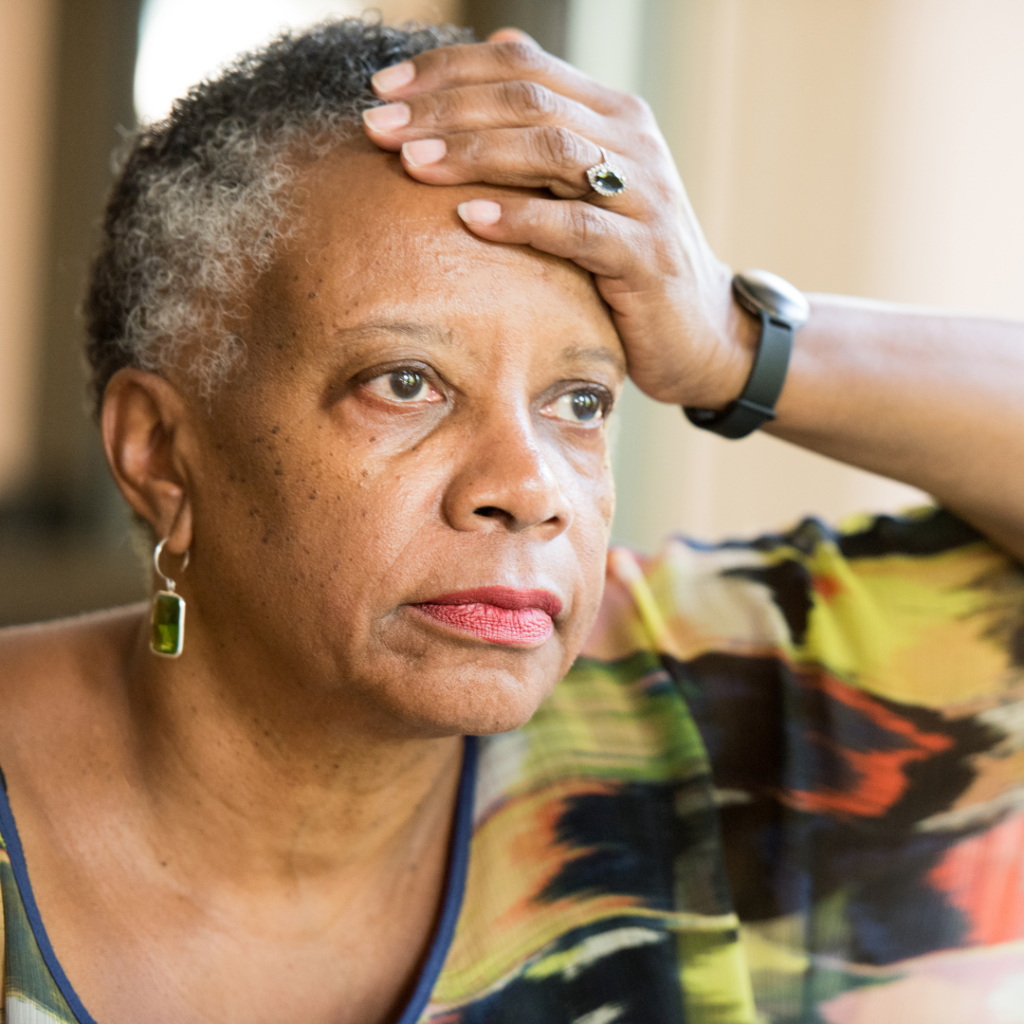
WHY DO YOU FEEL DISCONNECTED?

Many high-achieving women spend their days surrounded by colleagues, family, and acquaintances yet still disconnected from their lives.

Conversations happen, schedules are full, and responsibilities never stop, but something essential feels out of reach. This quiet struggle isn’t unique, and it’s more common than many realize.

A Common Yet Overlooked Challenge

Research shows that social fulfillment plays a critical role in overall well-being, yet many women in their 40s and 50s report a decline in close friendships. A study from the Harvard Study of Adult Development found that strong relationships are the most significant predictor of long-term health and happiness. However, as careers advance, family demands grow, and personal time diminishes, deep connections often take a backseat.

A 2021 study published in the American Journal of Health Promotion reported that women in midlife who lack a strong support system are at a higher risk for anxiety, depression, and even cardiovascular disease. The absence of meaningful relationships isn’t just an emotional struggle—it has tangible health consequences.

The Illusion of Connection

Many women assume that being busy and socially engaged prevents feelings of isolation. However, transactional interactions—work meetings, family logistics, casual social media exchanges—don’t replace genuine emotional support. The depth of a relationship matters far more than its frequency.

In a survey conducted by the National Institute on Aging, nearly 60% of women over 45 reported that they lacked close confidants. This gap isn’t about the number of people in one’s life but rather the quality of those connections. Superficial interactions do not provide the same emotional nourishment as deep, trusting relationships.

What Happens If I Don’t Fix This?

Without meaningful relationships, stress levels rise, mental clarity declines, and physical health deteriorates. The Centers for Disease Control and Prevention (CDC) has linked chronic social disconnection to a 29% increased risk of heart disease and a 32% higher likelihood of stroke. Cognitive decline also accelerates when social engagement diminishes.

A 2022 report from the National Academy of Sciences found that people with weak social ties are at a 50% higher risk of developing dementia compared to those with strong relationships. Connection isn’t just about emotional well-being—it’s fundamental to longevity and cognitive function.

The Power of Genuine Friendships

Rebuilding meaningful connections requires more than scheduling a coffee date or sending a text.

Authentic relationships develop through shared experiences, vulnerability, and mutual support.

Studies have shown that women with strong friendships experience lower stress levels, improved immune function, and greater life satisfaction.

Friendships act as a buffer against life’s inevitable challenges. A 2020 study published in Psychosomatic Medicine found that people who engage in regular, emotionally supportive conversations have lower cortisol levels and better heart health.

Reclaiming Connection

Deep relationships don’t happen by accident. Prioritizing connection means being intentional—investing time in the people who matter, seeking out spaces that encourage meaningful interactions, and allowing vulnerability in conversations.

A few strategies to start strengthening connections:

  • Identify the relationships that matter most. Who are the people you can trust, confide in, and rely on? Focus on deepening those connections.
  • Create time for meaningful conversations. Move beyond surface-level discussions. Ask questions that invite openness and authenticity.
  • Engage in shared experiences. Stronger bonds develop through meaningful activities, whether it’s a retreat, a regular gathering, or a collaborative project.
  • Join or build a community. Seeking out like-minded women who prioritize connection can make a significant difference.

Strengthening Bonds Over Time

Once relationships begin to deepen, maintaining them requires consistent effort. Long-term friendships aren’t just about reminiscing over the past; they evolve as both individuals grow. Regular check-ins, open communication, and shared life experiences keep these bonds strong.

Some practical ways to maintain and enhance deep connections include:

  • Scheduling regular meetups. Whether it’s a monthly dinner, a weekend retreat, or a virtual catch-up, making time for connection ensures relationships don’t fade due to busyness.
  • Being honest about needs and expectations. True friendships thrive on openness. Expressing what you need from a relationship and being receptive to what others need strengthens trust.
  • Offering support in meaningful ways. Small gestures, such as checking in during stressful times or celebrating milestones together, reinforce bonds.

A Lifelong Investment in Well-Being

Prioritizing meaningful relationships isn’t a luxury—it’s essential for overall well-being, longevity, and personal fulfillment. The benefits extend beyond emotional satisfaction, influencing mental clarity, resilience, and long-term health. The path to deeper connection starts with recognizing the need for it and taking action to cultivate relationships that truly matter.

By investing in meaningful connections, women create a foundation for a healthier, more fulfilling life—one where they feel understood, supported, and deeply connected to those who matter most.

laylo yoga and wellness

You don’t have to choose between success and well-being. Step away from the chaos, reset your mind and body, and realign with what truly matters. Our wellness retreats, online courses, and free resources give you the space to breathe, reflect, and design a life that feels fulfilling—without guilt, without compromise.

Be the first to know about upcoming retreats—join the info list for dates and details.

Let’s stay connected! Follow us on InstagramFacebookYouTubeLinkedIn, and Pinterest, and join the LAYLO Shala for exclusive updates and insights.