Making Space for Friendship in a Full Life: Time Strategies That Actually Work

You’re managing a high-stakes career, aging parents, adult kids who still need guidance, and a household that runs because you make it run.

Your calendar looks like a game of Tetris played by someone having a panic attack.

And somewhere in the back of your mind, you know you’re lonely.

Not the dramatic, sobbing-into-your-pillow lonely. The quiet kind. The kind where you realize you haven’t had a real conversationโ€”not about logistics or problems or who’s picking up whatโ€”in weeks. Maybe months.

Here’s what I’ve learned after 30 years in wellness and rebuilding my own life from scratch: friendship isn’t a luxury you get to when everything else is handled. It’s the foundation that makes handling everything else possible.

The Friendship Time Myth We Need to Destroy

We’ve been sold this idea that meaningful friendship requires hours of uninterrupted time. Spa weekends. Long lunches. Girls’ trips to Tuscany.

All lovely. None required.

Real friendship grows in the margins. It happens in 10-minute phone calls while you’re waiting for soccer practice to end. In text threads that span weeks. In showing up when it matters, not just when it’s convenient.

The research backs this up. Harvard’s Grant Studyโ€”the longest study on happiness ever conductedโ€”found that relationship quality, not quantity of time spent, predicts life satisfaction and longevity. Quality beats quantity every time.

Strategy 1: The Connection Audit

Before you can make space, you need to see where your time actually goes. This isn’t about judgmentโ€”it’s about awareness.

For one week, track your discretionary time. Not your work hours or sleep or essential family stuff. The pockets of time you control: scrolling social media, watching Netflix, organizing that junk drawer for the third time.

You’ll probably find 2-3 hours a week you didn’t realize you had. That’s enough to change your social landscape entirely.

Strategy 2: Friendship Stacking

Attach friendship activities to things you’re already doing. This is habit stacking for social wellness.

  • Walking meetings with friends instead of solo workouts
  • Meal prep sessions that become catch-up time
  • Carpooling that creates conversation space
  • Running errands together instead of separately

Last month, my friend Sarah and I started doing grocery runs together every other Saturday. Same task, half the time each, twice the connection. We solve life’s problems somewhere between produce and pasta.

Strategy 3: The 15-Minute Rule

Most meaningful conversations happen in the first 15 minutes anyway. After that, you’re often just repeating the same information in different ways.

Schedule 15-minute phone calls. Set a timer. This removes the pressure of open-ended time commitments while creating consistent touchpoints.

One client started doing this with her college roommate. Six months later, they talk every Tuesday at 7 AM during their respective commutes. Fifteen minutes. Every week. Their friendship is stronger now than it’s been in years.

Strategy 4: The Invitation Revolution

Stop waiting for the perfect plan. Start with imperfect invitations.

“I’m making dinner Sunday. Want to come fold laundry and talk while I cook?”

“I have to walk the dog. Want to join me?”

“I’m going to Target. Road trip?”

Real friends don’t need entertainment. They need presence.

Strategy 5: Text Thread Maintenance

Create group texts with intention. Not the ones where you forward memes (though those have their place). The ones where you share real life.

My “Real Talk” thread with three other women has become my sanity lifeline. We share wins, ask for advice, and call each other on our nonsense. It takes maybe 10 minutes a day total, but it’s changed how connected I feel in my daily life.

When You Don’t Know What to Say

Here’s the thing nobody tells you about deepening friendships: most of us are terrible at meaningful conversation. We default to surface-level check-ins because we genuinely don’t know how to go deeper without feeling awkward or intrusive.

You sit across from someone you care about, and your mind goes blank. You want to connect, but “How are you?” feels insufficient, and everything else feels too personal.

The solution isn’t more timeโ€”it’s better tools.

Having the right questions, the right responses, and the right ways to show up transforms those precious friendship moments from small talk into real talk. It’s the difference between “Fine, how are you?” and conversations that actually matter.

The Friendship Investment That Pays Dividends

Every hour you invest in friendship returns to you multiplied. Friends are your career network, your emotional support system, your adventure companions, and your accountability partners.

They’re also your health insurance policy. The research is clear: strong social connections reduce stress hormones, boost immune function, and literally add years to your life.

When you’re 80 and looking back, you won’t remember the extra hour you spent organizing your email inbox. You’ll remember the people who saw you, knew you, and chose to stick around anyway.

Your full life doesn’t need to become less full to make room for friendship. It needs to become more intentional.

Start with one strategy. This week. Because the women in your life are waiting for you to make the first move too.


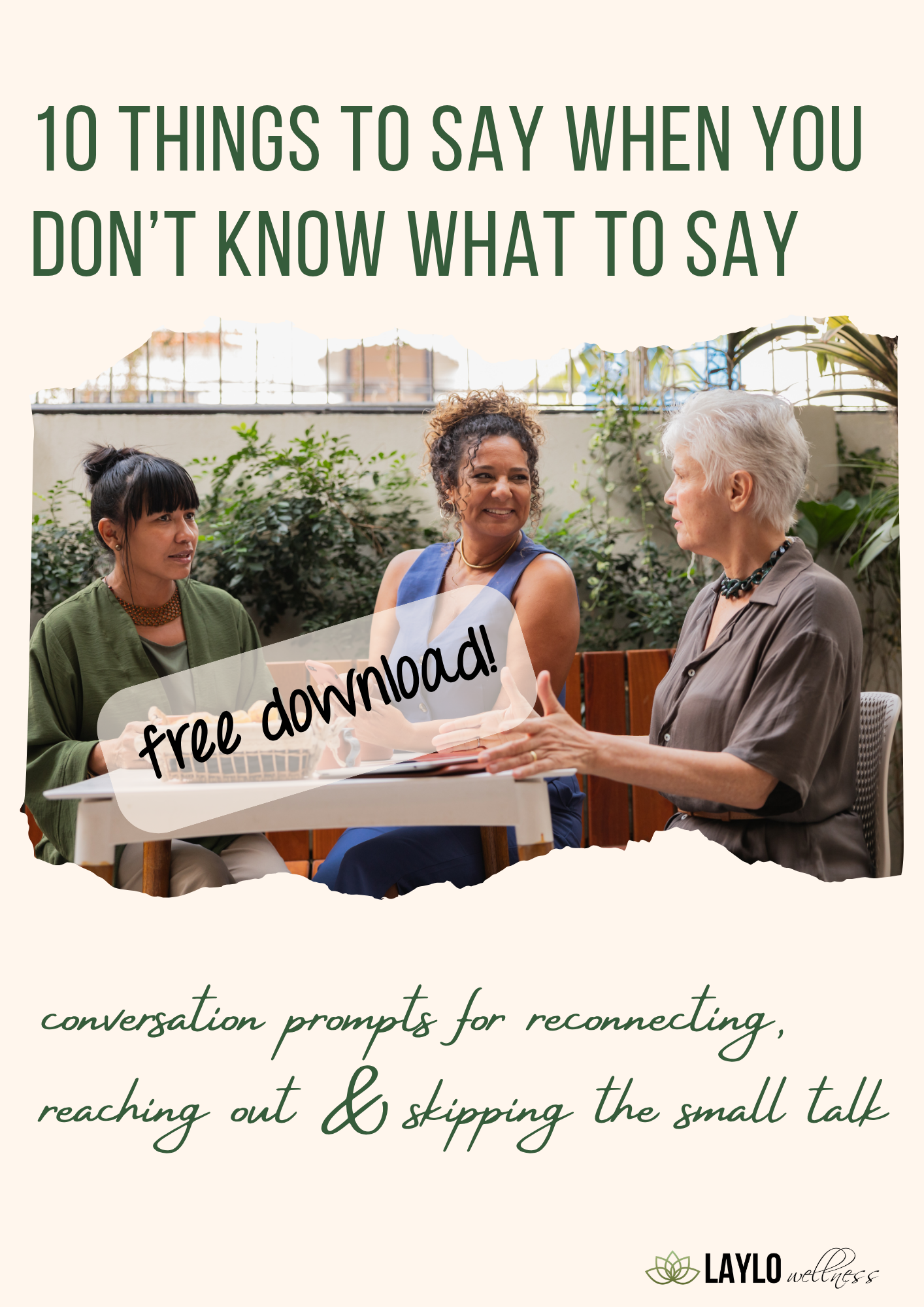
Ready to transform your friendship conversations from surface-level to soul-deep? My “10 Things to Say When You Don’t Know What to Say” guide gives you the exact words to deepen any friendship, create meaningful connections, and show up authenticallyโ€”even when your mind goes blank. [Download your free copy] and never wonder what to say again.

Warmly, Laura

You donโ€™t have to choose between success and well-being. Step away from the chaos, reset your mind and body, and realign with what truly matters. Our wellness retreats, online courses, free resources give you the space to breathe, reflect, and design a life that feels fulfillingโ€”without guilt, without compromise.

Be the first to know about upcoming retreatsโ€”join the info list for dates and details.

Letโ€™s stay connected! Follow us on InstagramFacebookYouTubeLinkedIn, and Pinterest, and join the LAYLO Shala for exclusive updates and insights.

The Surprising Social Benefits of Exercising With Others

benefits of exercise with others

It often starts with good intentions. You carve out time, lace up your shoes, and promise yourself that this week, youโ€™ll get back on track.

But by Thursday, life has stepped inโ€”a meeting runs long, your kids/parents need something, or the energy simply isnโ€™t there. The motivation fades quietly.

The treadmill sits untouched. Again.

This is where exercising with others can shift everything.

Shared physical activity offers more than fitness; it opens a door to meaningful social connection. For women navigating the complexity of midlifeโ€”juggling professional demands, caregiving, and an often-overlooked desire for personal fulfillmentโ€”movement becomes more sustainable and satisfying when it happens with others.

Why It Matters More After 40

As we age, maintaining physical activity becomes increasingly critical. After 40, muscle mass naturally declines by about 3-5% per decade, and bone density begins to drop, especially for women. According to the CDC, regular physical activity helps reduce the risk of chronic illnesses such as heart disease, type 2 diabetes, and osteoporosis. It also supports cognitive health, which becomes a growing concern in midlife.

But itโ€™s not just about staying strong or staving off disease. What often gets overlooked is the profound connection between physical wellness and social health. Studies show that social connection is a critical predictor of long-term health. Adults with strong social relationships have a 50% increased likelihood of survival, according to research published in PLoS Medicine. Conversely, a lack of connection can increase risk for cardiovascular disease, cognitive decline, and even premature mortality.

And yet, for many women over 40, maintaining or forming new friendships feels harder than ever. Careers are demanding. Schedules are full. The old friend groups have drifted, and the idea of starting over feels overwhelming. But something powerful happens when you move your body alongside others: barriers drop, rhythms align, and relationships begin to form organically.

The Role of Positive Social Pressure

Thereโ€™s a unique accountability that comes from showing up for someone other than yourself. When you commit to a walking group, a Pilates class, or a climbing session, youโ€™re not just managing your own motivationโ€”youโ€™re part of something shared.

Positive social pressure keeps you engaged, even on the days when your energy is low or the calendar feels too full. It’s not about guilt or obligation; it’s about support. You move because others are moving too. You stay because you’re seen. Over time, this consistency builds both physical stamina and a sense of belonging.

Natural Community in Motion

Exercising with others doesnโ€™t require deep conversations or forced bonding. It starts with a nod across the studio or a shared laugh in the parking lot. These small, repeated interactions create space for trust. Without the pressure of “catching up” or hosting coffee, movement-based meetups offer a low-maintenance way to reconnect with others and with yourself.

Whether itโ€™s a spin class at your local gym, an early morning hike, or a casual game of pickleball, shared physical activity fosters a community of like-minded people. And for many women 40+, thatโ€™s exactly whatโ€™s missing: a circle of people who understand the mess, the beauty, and the realness of midlife.

What You Could Do (And How to Choose It)

You donโ€™t need to go hardcore to feel connected.

What matters is choosing the kind of movement that aligns with your energy, your schedule, and your social bandwidth.

Here are a few ideas, categorized by how much social engagement they naturally invite:

High Interaction Activities:

  • Rock Climbing: This requires communication and trust. Whether youโ€™re belaying or being belayed, youโ€™re in constant dialogue. It builds not just strength but connection.
  • Partner Yoga: Involves physical coordination and shared intention. Often done in small, supportive groups.
  • Strength Training With a Friend: Alternating sets, spotting one another, and cheering each other on adds both safety and encouragement to the routine.

Moderate Interaction Activities:

  • Group Hikes or Walks: These provide a relaxed setting for conversation without intensity. Ideal for building rapport over time.
  • Fitness Classes (like Pilates or Barre): You share space and routine with others, offering light social exposure with the option to engage more deeply over time.

Low Interaction but Still Communal:

  • Zumba or Dance Classes: High energy, shared rhythm, and optional connection. Being in the room is often enough to feel uplifted.
  • Open Gym Sessions: Working out near others may not spark deep conversation, but it still offers a sense of shared momentum.

By choosing activities that match your current need for connection, you create a sustainable routine. Some days you may want full engagement. Others, you may just want to be near people without having to perform socially. Both are valid.

More Than a Workout

What begins as a commitment to health can quietly become a doorway to belonging. Thatโ€™s the magic of shared movement. Itโ€™s physical wellness that supports emotional wellness. Itโ€™s consistency that doesnโ€™t feel like a chore. Itโ€™s a new conversation without needing to say much at all.

And in a season where friendships have changed, roles have shifted, and space for self has shrunk, this kind of connection matters. You donโ€™t have to force it. You just have to show up.

If finding your people through movement feels like the next right step, remember: connection doesnโ€™t always look like deep heart-to-hearts. Sometimes, it looks like lacing up your shoes and joining someone else on the mat, the trail, or the wall.

You donโ€™t have to go it alone. You were never meant to.

Warmly, Laura

You donโ€™t have to choose between success and well-being. Step away from the chaos, reset your mind and body, and realign with what truly matters. Our wellness retreats, online courses, free resources give you the space to breathe, reflect, and design a life that feels fulfillingโ€”without guilt, without compromise.

Be the first to know about upcoming retreatsโ€”join the info list for dates and details.

Letโ€™s stay connected! Follow us on InstagramFacebookYouTubeLinkedIn, and Pinterest, and join the LAYLO Shala for exclusive updates and insights.

How Intentional Travel Can Change Your Life โ€”Forever

A Different Kind of Travel

It begins with a moment of intention.

The new travel: intentional, immersive, transformativeโ€”how one trip can change your life, not just your calendar.

Not the hurried kind you squeeze between work and evening obligations. This is a deliberate pause, a choice to travel differentlyโ€”not just across landscapes, but into presence.

In a world that rarely gives women space to simply be, more and more are seeking travel that feels less like escape and more like return. A return to self. Return to clarity. To relationships that feel grounded. And to meaning.

A 2025 travel trends report found that 77 percent of travelers now value the quality of their experience more than the price tag. Thatโ€™s not just a statisticโ€”itโ€™s a quiet revolution. After years of accumulating things and juggling roles, many are realizing they want their time and money to bring something lasting.

They’re not interested in rushed itineraries. They’re not coming home satisfied by photo ops. They ARE booking experiences that leave a mark. That shape how they feel, how they relate, how they live.

Why This Shift Is Happening Now

This move toward intentional travel didnโ€™t happen by accident. For many women in midlife, the need for change isnโ€™t about crisis. Itโ€™s about awakening.

Itโ€™s about asking different questions: What do I actually need? Who am I outside of my roles? What spaces help me remember?

The travel industry is responding. McKinsey research shows that experiences are now the primary driver behind why people choose certain destinations. Theyโ€™re not looking for amusement; theyโ€™re craving transformation.

And transformation doesnโ€™t come from packed days or glossy hotel rooms. It comes from slowing down, being seen, and sharing moments that invite you to be more fully yourself.

Quiet Luxury, Real Impact

This trend has a name: quiet luxury. And itโ€™s not about price. Itโ€™s about intentionality.

Quiet luxury shows up in retreats where there are no name tags or icebreakers. In dinners where no one asks what you do for a living. In walks where silence feels like connection.

Over 63 percent of travelers now choose under-the-radar destinations because they want something authentic, not orchestrated. They want to feel a sense of place, not performance.

And increasingly, women want that for themselves, too.

The Rise of Meaningful Retreats

One example of this trend is the rise of immersive, wellness-centered retreats. These arenโ€™t spas or quick fixes. They are curated environments where presence is the goal, not productivity.

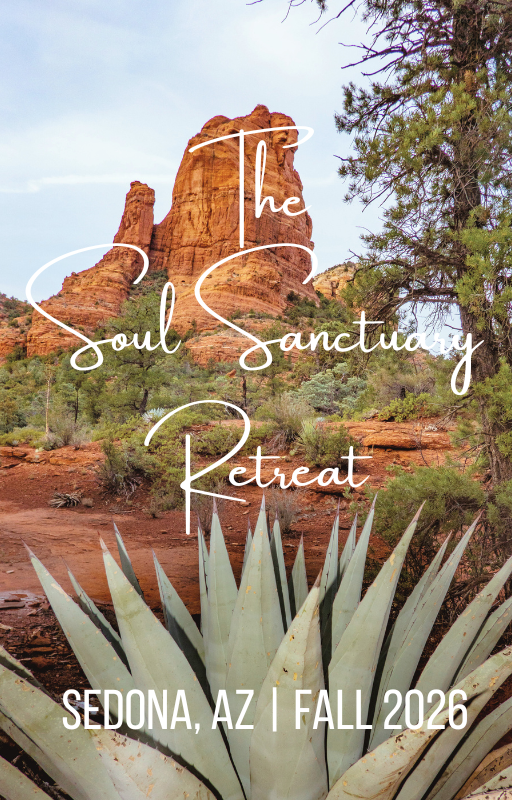
Some, like the Soul Sanctuary Retreat, focus on helping women reconnect through slow mornings, thoughtful conversation, movement, rest, and reflection. Finding a sense of adventure and exploring your surroundings with purpose. Not through forced vulnerability, but by creating the kind of space where genuine connection happens naturally.

These experiences are not designed to fix anyone. They are designed to honor who you already areโ€”and give that version of you room to breathe.

Why Intentional Travel Works

When you remove yourself from the noise of daily life, something opens. The part of you thatโ€™s been in motion for decades finally gets a moment to exhale.

You begin to notice:

  • How good your body feels when it moves without an agenda.
  • How different conversations sound when theyโ€™re not being squeezed into a schedule.
  • How much more present you become when no one needs anything from you.

In that presence, you begin to connectโ€”not just with others, but with yourself. With your thoughts and with your rhythms. With the version of you thatโ€™s been patiently waiting to be seen again.

What People Are Saying

The proof isnโ€™t just in statistics. Itโ€™s in how people feel when they come home.

“I came back softer,” one retreat attendee shared. “Not smaller. Not less powerful. Just more aligned. Like my edges had finally been smoothed by rest and truth.”

Another woman described her experience as a remembering: “It wasnโ€™t about learning new tools. It was about having space to remember who I was before the world told me who I needed to be.”

Whatโ€™s Behind the Trend

What are people looking for when they make the decision to travel with intention?

Turns out they still want fun, but they want it to be immersive, memorable, and powerful. They are looking for comfort and self-care.

They want to return to their lives more than just renewed; they want to feel changed. And the last thing they want is a suitcase full of trinkets they will likely never look at again!

relaxed traveler
  • Experience over price: 77% of travelers prioritize meaningful experience over cost (TTS.com).
  • Transformative momentum: People increasingly use travel as a tool for identity, clarity, and growth (AClasses.org).
  • Experiences drive decisions: Travelers are choosing destinations based on emotional and immersive potential, not logistics (McKinsey).
  • Luxury redefined: Quiet, intentional, and personal travel is displacing material-focused tourism (MyJournalCourier).
  • Wellness meets authenticity: Wellness tourism, especially regenerative travel like farm stays, is on track to become a $1.35 trillion market by 2028 (Vogue).

What Happens When You Choose Differently

Thereโ€™s a moment in every intentional trip when you realize: itโ€™s not just a break. Itโ€™s a beginning.

You stop rushing. You start listening. Your thoughts slow down. And that voice that has been whispering for monthsโ€”or maybe yearsโ€”finally becomes clear.

That voice might say:

  • I need more of this.
  • I miss this part of myself.
  • I want to carry this feeling into my real life.

And you can. Thatโ€™s the power of traveling with purpose. You donโ€™t just return with souvenirs. You return with shifts.

Final Thoughts

Maybe the question isnโ€™t “Where should I go next?”

Maybe itโ€™s:

  • What do I want to feel?
  • What part of me needs space to speak?
  • What experience would be worth remembering a year from now?

When travel becomes a mirror, not a mask, everything changes.

And maybe, just maybe, thatโ€™s the trip youโ€™ve been waiting for.

Warmly, Laura

You donโ€™t have to choose between success and well-being. Step away from the chaos, reset your mind and body, and realign with what truly matters. Our wellness retreats, online courses, free resources give you the space to breathe, reflect, and design a life that feels fulfillingโ€”without guilt, without compromise.

Be the first to know about upcoming retreatsโ€”join the info list for dates and details.

Letโ€™s stay connected! Follow us on InstagramFacebookYouTubeLinkedIn, and Pinterest, and join the LAYLO Shala for exclusive updates and insights.
The One Essential Mindset Shift That Deepens Relationships Instantly

When the world moves too fast, clarity and connections become a luxury.

For women navigating midlife’s complexityโ€”career leadership, caregiving demands, and evolving identityโ€”mental clutter can silently crowd out connection. It’s not always obvious. But when the mind is overloaded, relationships start to suffer.

Let’s pause and ask: What would happen if we cleared the digital and mental noise long enough to truly see and hear each other?

The High Cost of Mental Clutter

Cognitive overload isn’t just a modern nuisance; it’s a barrier to intimacy. When the brain is in constant task-switching modeโ€”managing emails, group chats, calendar conflictsโ€”it has less capacity for presence. Studies from Harvard University show that people spend nearly 47% of their waking hours thinking about something other than what they’re doing. The result? Disconnection, distraction, and a weakened ability to form and maintain meaningful bonds.

Unresolved mental strain is cumulative. Neuroscience confirms that chronic mental fatigue reduces empathy, increases irritability, and weakens memoryโ€”a perfect storm for eroding relationships. And after 40, our brains donโ€™t bounce back from that strain as quickly. The risk isnโ€™t just a foggy mind. Itโ€™s the slow loss of emotional depth in our closest connections.

Technology: A Double-Edged Sword

Itโ€™s easy to blame techโ€”and in some ways, we should. The average adult checks their phone over 85 times a day. Constant pings from texts, notifications, and social feeds fragment attention and create the illusion of connection while starving real-world relationships.

But the solution isn’t ditching our devices. It’s learning to use them with intention. A digital detox isn’t about abandoning tech; it’s about reclaiming attention.

Mental Space Is Relationship Space

To cultivate deeper connection, we must create internal room for it. That starts with protecting our cognitive bandwidth. Consider this: the brain needs “white space” the way muscles need recovery. Without downtime, emotional availability becomes scarce.

When mental space increases, so does relational depth. That friend whoโ€™s always been on the edge of your life? You notice her more. That partner whose stories you’ve tuned out? You hear nuance again. Stillness doesnโ€™t just soothe the mindโ€”it reopens the heart.

Start Small, Go Deep

For high-functioning women in midlife, silence can feel indulgent or even impossible. But depth doesnโ€™t demand a sabbatical. It starts with micro-habits:

  • Turn off non-essential notifications for 24 hours
  • Protect one hour a week for screen-free rest
  • Practice five minutes of focused breath before a conversation
  • Designate one evening as a “no digital zone”

These arenโ€™t productivity hacks. Theyโ€™re portals back to presence.

Why It Matters Now More Than Ever

As we age, the quality of our relationships becomes a stronger predictor of health than diet or exercise.

A 2023 study published in the Journal of Social and Personal Relationships found that people over 45 who engage in meaningful in-person interactions at least twice a week report 30% lower levels of mental fatigue and 26% higher life satisfaction.

Yet, making space for these moments requires a deliberate trade: less noise for more meaning.

When the Mind Clears, the Soul Listens

Quieting the mental noise isn’t a retreat from life. It’s a return to what matters. And it’s not a solo journey.

If you’re feeling overstimulated, under-connected, and unsure how to break the cycle, youโ€™re not alone. Thatโ€™s why I created:

Because when clarity returns, connection follows.

Warmly, Laura

You donโ€™t have to choose between success and well-being. Step away from the chaos, reset your mind and body, and realign with what truly matters. Our wellness retreats, online courses, free resources give you the space to breathe, reflect, and design a life that feels fulfillingโ€”without guilt, without compromise.

Be the first to know about upcoming retreatsโ€”join the info list for dates and details.

Letโ€™s stay connected! Follow us on InstagramFacebookYouTubeLinkedIn, and Pinterest, and join the LAYLO Shala for exclusive updates and insights.

The Surprising Link Between GenX Grit and the Loneliness Epidemic

I was being interviewed on a podcast recently when the host said, โ€œI hear it all the time from GenX womenโ€”they hate people. So if they hate people, why would they want to talk to you about building a support system?โ€

It was a great question. And it points directly to why so many GenX women struggle to build and maintain strong, lasting friendshipsโ€”the kind that actually fit who we are now, not who we were decades ago.

Itโ€™s a classic case of GenX grit getting in our own way.

I get asked a lot about GenX and our wide streak of independence. If weโ€™re so good at going it alone, do we really need a circle of friends?

We were raised to be resourceful. Latchkey kids with house keys strung around our necks. We handled things because no one else was going to do it for us. That made us scrappy and adaptableโ€”and proud of it. We earned our independence the hard way, and itโ€™s part of our DNA.

The flip side of all that GenX grit and decades of handling life solo has left many of us with tiny circles of friends, or sometimes none at all. Not because we donโ€™t value connection, but because โ€œdo it yourselfโ€ became our default mode.

The Cost of Always Going It Alone

Independence has carried us farโ€”through careers, raising families, caring for parents, and running our lives with grit. But that constant self-reliance has side effects. Many GenX women have spent years carrying the weight alone, rarely asking for support, and letting friendships fall to the bottom of the list.

This is where the loneliness epidemic comes in. Studies show loneliness is on the rise, and women in midlife are not immune. When youโ€™ve spent decades building competence and independence, itโ€™s easy to look up and realize your social circle has shrunk.

Independence as a Filter, Not a Wall

Hereโ€™s the shift: independence doesnโ€™t mean isolation. What it gives us now is clarity. Weโ€™ve lived enough life to know who belongs in our world and who doesnโ€™t. Independence becomes a filter.

That filter is powerful. It keeps out the noise, the draining relationships, and the acquaintances who donโ€™t add value. And it makes room for the people who matterโ€”the ones who bring depth, laughter, and perspective.

Why Friendships Are Fuel, Not Optional

When the right people make it past that filter, life expands. Friendships arenโ€™t about filling a void; theyโ€™re about adding richness to what weโ€™re already living on our own terms.

Research backs this up. The Harvard Study of Adult Developmentโ€”one of the longest-running studies in historyโ€”found that quality relationships are the strongest predictor of long-term happiness and health. Blue Zones research echoes this: communities with long lifespans are built around strong social ties. In other words, friendship and longevity are linked.

We will not be giving up our independent streak any time soon. We will learn to use it wiselyโ€”to choose connection that strengthens us.

Building the Right Circle in Midlife

Hereโ€™s the opportunity. Midlife isnโ€™t a dead end for friendships. Itโ€™s a reset point. We donโ€™t need large groups or endless obligations.

We need intentional circles. People who understand our lives, our pressures, and the mix of independence and connection that defines our generation.

This is why creating space for friendships matters. Not the casual, surface-level interactions, but the ones that stick. The ones that make the next decade of life not just productive, but meaningful.

The Soul Sanctuary: A Step Toward Connection

Thatโ€™s why Iโ€™ve built spaces like the Soul Sanctuary Retreat. Itโ€™s a space designed to give women the chance to reconnect with themselves and with others in a way that feels real.

Because in the middle of the loneliness epidemic, we donโ€™t need more acquaintances. We need friendships that last. And we deserve to create them.

Grit is Good

Independence made us who we are. But friendships will shape who we become in the decades ahead. If youโ€™ve been carrying everything on your own, this is the moment to widen your circleโ€”with people who matter.

Warmly, Laura

You donโ€™t have to choose between success and well-being. Step away from the chaos, reset your mind and body, and realign with what truly matters. Our wellness retreats, online courses, free resources give you the space to breathe, reflect, and design a life that feels fulfillingโ€”without guilt, without compromise.

Be the first to know about upcoming retreatsโ€”join the info list for dates and details.

Letโ€™s stay connected! Follow us onย Instagram,ย Facebook,ย YouTube,ย LinkedIn, andย Pinterest, and join theย LAYLO Shalaย for exclusive updates and insights.

5 Hidden Clues Your Body is Out of Sync

Some signs of stress are obvious. Deadlines. Family obligations. A calendar that never lets up.

But the body speaks in more subtle ways. Physical discomfort, shifts in energy, and even unexpected changes in mood can be early messages.

Sometimes, those messages have more to do with your mental health than anything else.

Other times, itโ€™s the body itself asking for care. Hormonal shifts, particularly during perimenopause and menopause, bring real physical changes. Sleep patterns alter. Muscles feel different. Skin, joints, and digestion begin to respond to aging in ways that feel unfamiliar. This isnโ€™t imagined; itโ€™s biology. And it deserves attention on its own terms.

Knowing which signals point to emotional depletion and which reflect physical changes isnโ€™t always easy. But noticing both is where real wellness begins. It’s why I start every yoga class with a few minutes of just observing how we feel, in our bodies and in our minds. Most of us have trained ourselves to ignore our bodies and our thoughts all day long. After all, we’ve got important things to do!

Your Health Isnโ€™t Just in Your Head, But Your Emotions Live in the Body

The research is clear. A well-connected social life is linked to longer life expectancy, lower inflammation, and improved immune function. People in midlife who feel emotionally supported tend to experience fewer chronic health issues and recover faster from illness.

Yet, the inverse also holds. When your days are filled with output but empty of meaningful connection, the body absorbs the strain. The 2023 American Psychological Association found that women over 45 who report relational dissatisfaction also report significantly higher levels of fatigue, sleep disruption, and physical pain. These symptoms arenโ€™t separate from social wellness. They often begin there.

Five Physical Clues You May Be Carrying More Than Stress

Not all somatic discomfort stems from a physical issue. Here are five signs that may point toward emotional or social imbalance:

  1. Persistent jaw or shoulder tension
    If stretching, massage, and rest donโ€™t relieve it, that stiffness might be emotional stress finding a home in your muscles.
  2. Afternoon energy crashes
    Not caused by food or sleep, these often result from mental depletion. Extended periods of surface-level interaction or emotional suppression can drain the nervous system.
  3. Digestive inconsistency
    Stress affects the gut. If you feel off after emotionally taxing conversations or when your schedule leaves no room for real connection, your body may be reacting through digestion.
  4. Restless limbs or tight hips
    These can often be linked to unmet emotional needs or a sense of feeling stuck. Movement can help, but so can meaningful human interaction.
  5. Pervasive sense of being “off”
    Hard to describe and easy to dismiss, this physical unease often occurs when you’re functioning but not fulfilled.

Each of these signals matters. The trick is figuring out what the root cause really is, determining if it is a physical issue or an emotional one. Or if it’s a combination of both.

Is It Hormones, Aging, or Emotional Overload?

Discerning the origin of discomfort matters. If your body feels different but your emotional life feels overall grounded and supported, thereโ€™s a good chance your symptoms stem from natural shifts like menopause, perimenopause, or aging. These changes can bring on:

  • Night sweats and disrupted sleep
  • Brain fog or difficulty concentrating
  • Weight gain around the abdomen despite activity
  • Dry skin, joint pain, or muscle stiffness
  • Fluctuating moods without an emotional trigger

However, if these symptoms appear alongside irritability, a short temper, or a deep sense of disinterest in once-meaningful relationships, the emotional root might be just as strong as the hormonal one.

Start by asking a few grounded questions:

  • Do I feel seen and supported, or am I often navigating this stage in silence?
  • Are my physical symptoms consistent, or do they show up most after emotionally draining days?
  • Is my body slowing down, or is it reacting to the pace and pressure of my life?

This kind of self-inquiry often reveals that the truth is not either/or but both. A tired body and a disconnected heart often travel together.

Supporting Both Body and Emotion Without Overwhelm

Addressing physical health starts with naming whatโ€™s real. Midlife means more than maintaining the status quo. It’s a period of deep physiological change. You are going to have to change things up!

Support might include hormone evaluation, shifts in nutrition, strength training, and better rest rhythms. None of that needs to be extreme. Small, consistent choices create momentum.

At the same time, social and emotional support cannot be optional. Restorative practices like real conversation, community with peers who understand this life stage, and time for solitude arenโ€™t luxuries. Theyโ€™re essentials. When physical health is paired with emotional clarity and relational ease, the body often responds with more energy, balance, and vitality.

Wellness at this stage isnโ€™t about perfecting anything. Most women arenโ€™t falling apart. Theyโ€™re finally tuning in and listening more closely.

Listen Now So Your Body Doesnโ€™t Have to Shout

Youโ€™ve already pushed through more than most people know. The fatigue, the fog, the shifts in how your body feelsโ€”none of it is weakness. Itโ€™s data. And the earlier you respond to that data, the more power you reclaim.

You donโ€™t have to solve everything at once. But you do have to notice. Start with one moment of honesty. Pay attention to one message your body keeps sending. Trust what itโ€™s trying to tell you.

Listening is the first form of healing. And itโ€™s always available to you.

Warmly, Laura

You donโ€™t have to choose between success and well-being. Step away from the chaos, reset your mind and body, and realign with what truly matters. Our wellness retreats, online courses, free resources give you the space to breathe, reflect, and design a life that feels fulfillingโ€”without guilt, without compromise.

Be the first to know about upcoming retreatsโ€”join the info list for dates and details.

Letโ€™s stay connected! Follow us on InstagramFacebookYouTubeLinkedIn, and Pinterest, and join the LAYLO Shala for exclusive updates and insights.