7 Winter Wellness Rituals That Actually Fit Into a Full Life

As the temperature drops and daylight shortens, so does the natural inclination to withdraw.

Cold seasons often invite us to retreat indoors and hibernate, but this can quietly chip away at both our physical fitness and sense of connection.

For many, the winter months can also amplify an already subtle ache for deeper friendships and sustained energy. This season holds a unique opportunity: to reclaim both movement and connection in ways that ground and energize.

Why Cold-Season Rituals Matter More Than Ever

Winter has a measurable effect on both body and mind. Research from the CDC notes that physical activity in adults significantly declines during colder months, and this drop is more pronounced in women over 45. What starts as skipping a walk due to cold can quickly become a pattern of decreased mobility, lower mood, and diminished connection.

At the same time, studies from the National Institute on Aging show that people with fewer meaningful social interactions face increased risks of cognitive decline, heart disease, and even shortened lifespans. Movement and social engagement are not seasonal luxuries. They are non-negotiable pillars of midlife wellness.

7 Rituals to Reclaim Energy and Connection This Winter

These winter wellness rituals are designed to be sustainable, nourishing, and genuinely effective. Choose one or two to start, and let them anchor your season.

1. The 15-Minute Morning Movement
Begin the day with gentle motion: yoga stretches, a short walk, or resistance band work. Keep it simple and consistent. This ritual awakens your body and signals the start of a day centered on care rather than urgency.

2. The Connection Walk
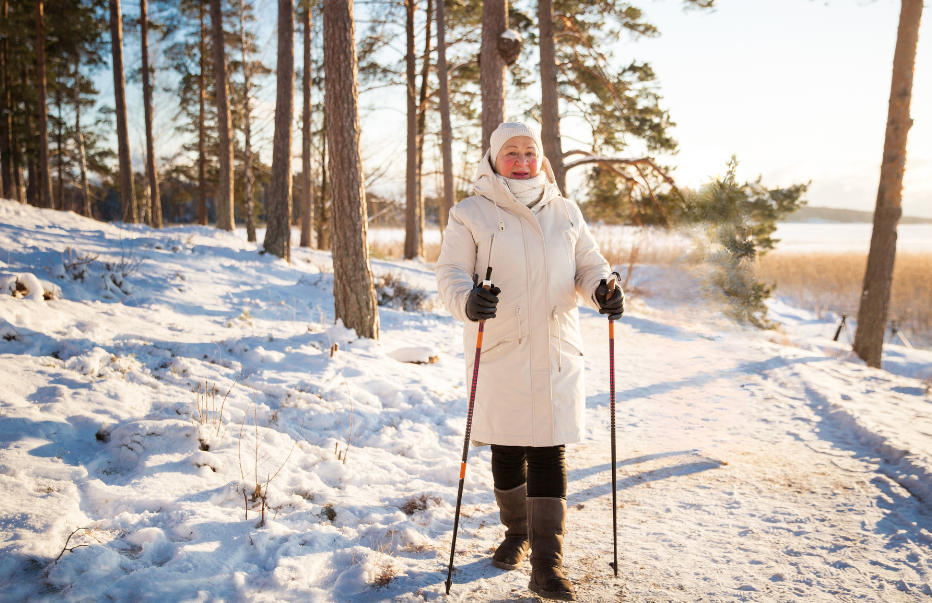
Bundle up and walk while leaving a voice message for someone you miss. Or schedule a walk-and-talk with a friend. Movement paired with connection builds momentum in both areas.

3. The Window Stretch Reset
In the afternoon slump, stand by a window for five minutes and move gently: neck rolls, hamstring stretches, shoulder openers. Let natural light reset your internal rhythms.

4. The Two-Way Check-In
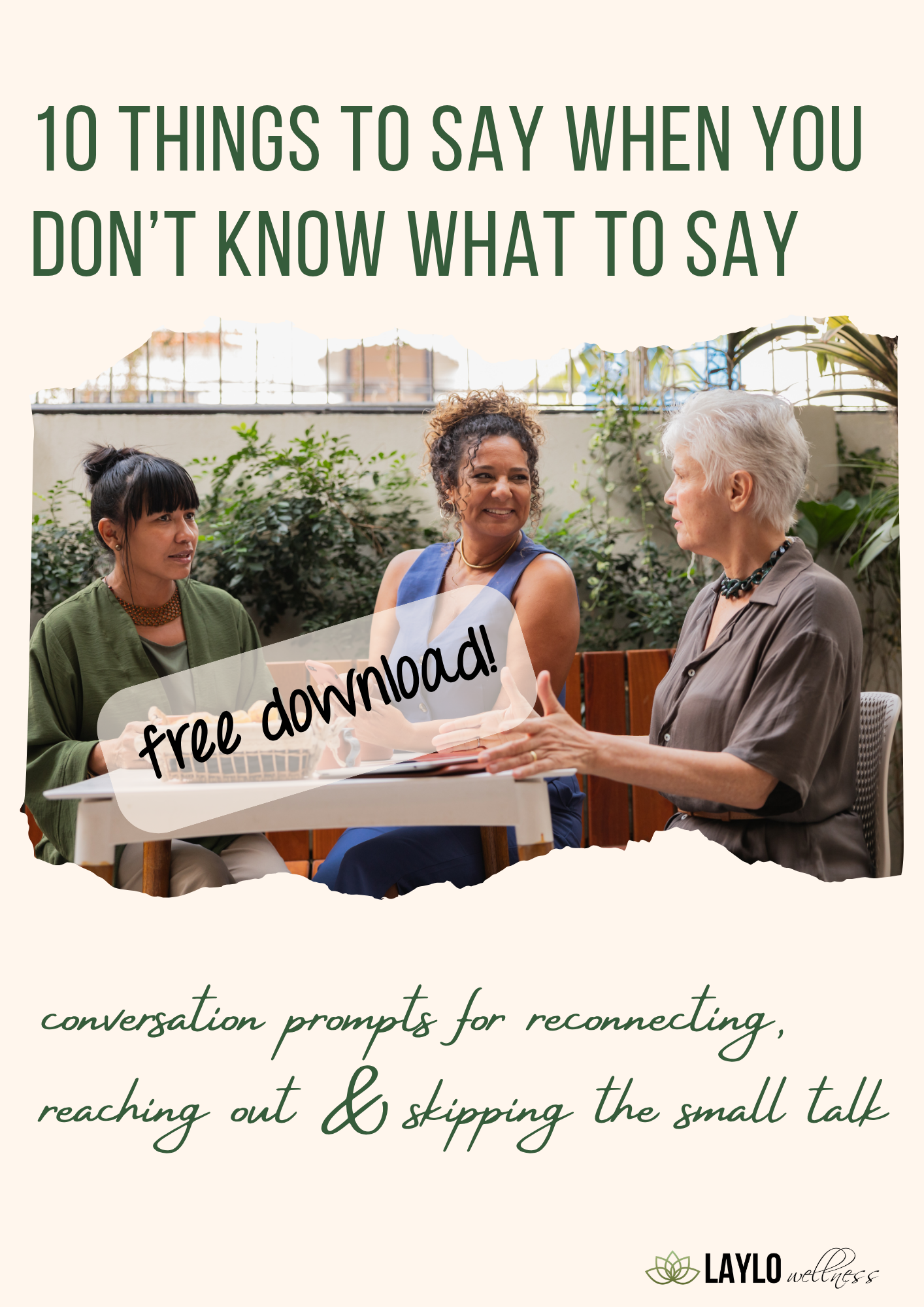
Every week, choose two people to reach out to: one to check in on, and one to open up with. Use a prompt from 10 Things to Say When You Don’t Know What to Say if conversation feels rusty.

5. The Cozy Gathering
Plan one simple in-person event for the month: a soup swap, book circle, or tea hour. Keep the vibe low-prep and authentic. These grounded rituals lay the foundation for lasting connection.

6. The Movement Buddy Ritual
Commit to a weekly movement session with someone else—even virtually. Shared accountability makes movement more enjoyable and more likely to happen.

7. The Restorative Review
Each Sunday evening, take 10 minutes to review what felt good that week. Was it the walk? The text exchange? The stretch? Let what worked guide the week ahead.

Why These Rituals Work

Each of these seven rituals blends movement and social nourishment in small, doable ways.

Research from Brigham Young University shows that strong social ties increase survival rates by over 50%. Meanwhile, studies on behavior change confirm that pairing movement with existing routines makes it more likely to stick.
More importantly, these rituals remind you that wellness doesn’t require an overhaul. Just intention, consistency, and a willingness to show up for yourself in small ways.

Let Winter Teach You How to Reconnect

Winter invites inwardness—not isolation, but inner recalibration. It’s a season that can strengthen your inner circle and your physical body, if you let it. The key is not to fight the season, but to work with it. To create rituals that invite movement and connection in small, sustaining ways.

Start with just one change. One friend. One movement ritual. Then let it grow.

What You Can Do Today

  1. Text one person and invite them for a short walk this weekend.
  2. Try a new movement class online that feels fun and approachable.
  3. Use a prompt from 10 Things to Say When You Don’t Know What to Say to restart a paused conversation.
  4. Explore the Blueprint if your social landscape feels like it’s shifted and you’re unsure where to begin.
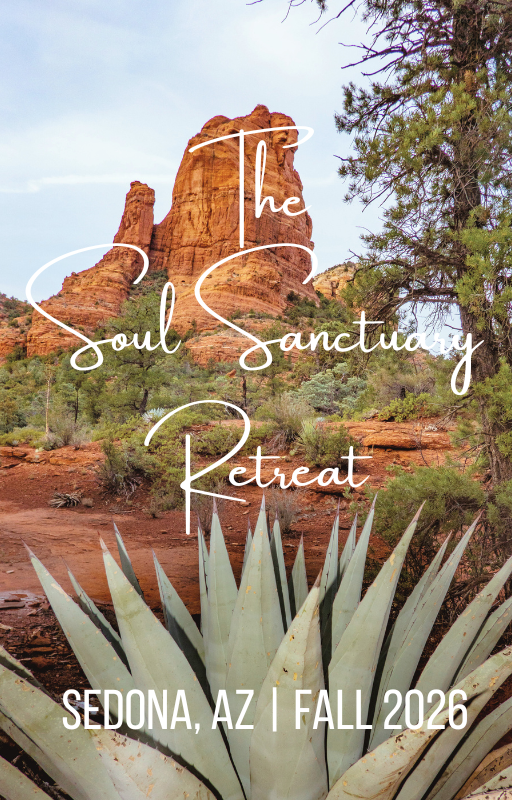
  5. Consider a Soul Sanctuary Retreat to immerse yourself in deep rest, movement, and connection without pressure.

Make This Season Work For You

You don’t have to wait for spring to feel better. Winter can be a season of clarity, connection, and strength—if you claim it. The routines you choose now can shape how you feel not just in the cold months, but long after. This isn’t about doing more. It’s about choosing what truly sustains you.

Warmly, Laura

You don’t have to choose between success and well-being. Step away from the chaos, reset your mind and body, and realign with what truly matters. Our wellness retreats, online courses, free resources give you the space to breathe, reflect, and design a life that feels fulfilling—without guilt, without compromise.

Be the first to know about upcoming retreats—join the info list for dates and details.

Let’s stay connected! Follow us on InstagramFacebookYouTubeLinkedIn, and Pinterest, and join the LAYLO Shala for exclusive updates and insights.
The Surprising Social Benefits of Exercising With Others

benefits of exercise with others

It often starts with good intentions. You carve out time, lace up your shoes, and promise yourself that this week, you’ll get back on track.

But by Thursday, life has stepped in—a meeting runs long, your kids/parents need something, or the energy simply isn’t there. The motivation fades quietly.

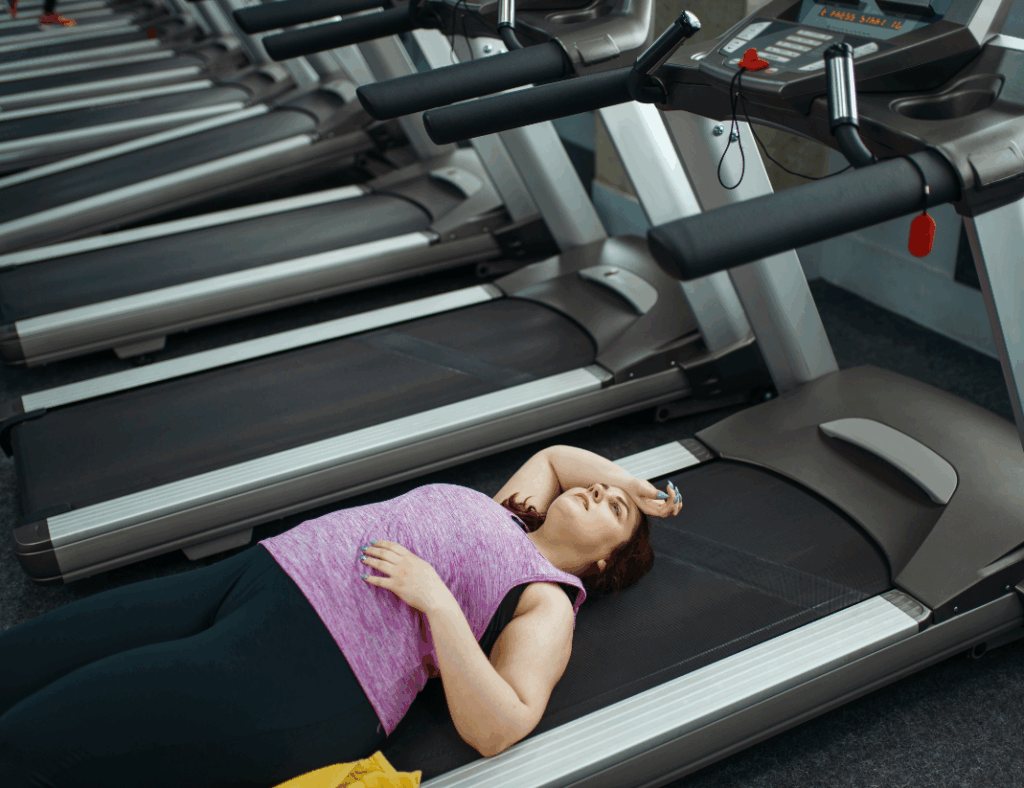
The treadmill sits untouched. Again.

This is where exercising with others can shift everything.

Shared physical activity offers more than fitness; it opens a door to meaningful social connection. For women navigating the complexity of midlife—juggling professional demands, caregiving, and an often-overlooked desire for personal fulfillment—movement becomes more sustainable and satisfying when it happens with others.

Why It Matters More After 40

As we age, maintaining physical activity becomes increasingly critical. After 40, muscle mass naturally declines by about 3-5% per decade, and bone density begins to drop, especially for women. According to the CDC, regular physical activity helps reduce the risk of chronic illnesses such as heart disease, type 2 diabetes, and osteoporosis. It also supports cognitive health, which becomes a growing concern in midlife.

But it’s not just about staying strong or staving off disease. What often gets overlooked is the profound connection between physical wellness and social health. Studies show that social connection is a critical predictor of long-term health. Adults with strong social relationships have a 50% increased likelihood of survival, according to research published in PLoS Medicine. Conversely, a lack of connection can increase risk for cardiovascular disease, cognitive decline, and even premature mortality.

And yet, for many women over 40, maintaining or forming new friendships feels harder than ever. Careers are demanding. Schedules are full. The old friend groups have drifted, and the idea of starting over feels overwhelming. But something powerful happens when you move your body alongside others: barriers drop, rhythms align, and relationships begin to form organically.

The Role of Positive Social Pressure

There’s a unique accountability that comes from showing up for someone other than yourself. When you commit to a walking group, a Pilates class, or a climbing session, you’re not just managing your own motivation—you’re part of something shared.

Positive social pressure keeps you engaged, even on the days when your energy is low or the calendar feels too full. It’s not about guilt or obligation; it’s about support. You move because others are moving too. You stay because you’re seen. Over time, this consistency builds both physical stamina and a sense of belonging.

Natural Community in Motion

Exercising with others doesn’t require deep conversations or forced bonding. It starts with a nod across the studio or a shared laugh in the parking lot. These small, repeated interactions create space for trust. Without the pressure of “catching up” or hosting coffee, movement-based meetups offer a low-maintenance way to reconnect with others and with yourself.

Whether it’s a spin class at your local gym, an early morning hike, or a casual game of pickleball, shared physical activity fosters a community of like-minded people. And for many women 40+, that’s exactly what’s missing: a circle of people who understand the mess, the beauty, and the realness of midlife.

What You Could Do (And How to Choose It)

You don’t need to go hardcore to feel connected.

What matters is choosing the kind of movement that aligns with your energy, your schedule, and your social bandwidth.

Here are a few ideas, categorized by how much social engagement they naturally invite:

High Interaction Activities:

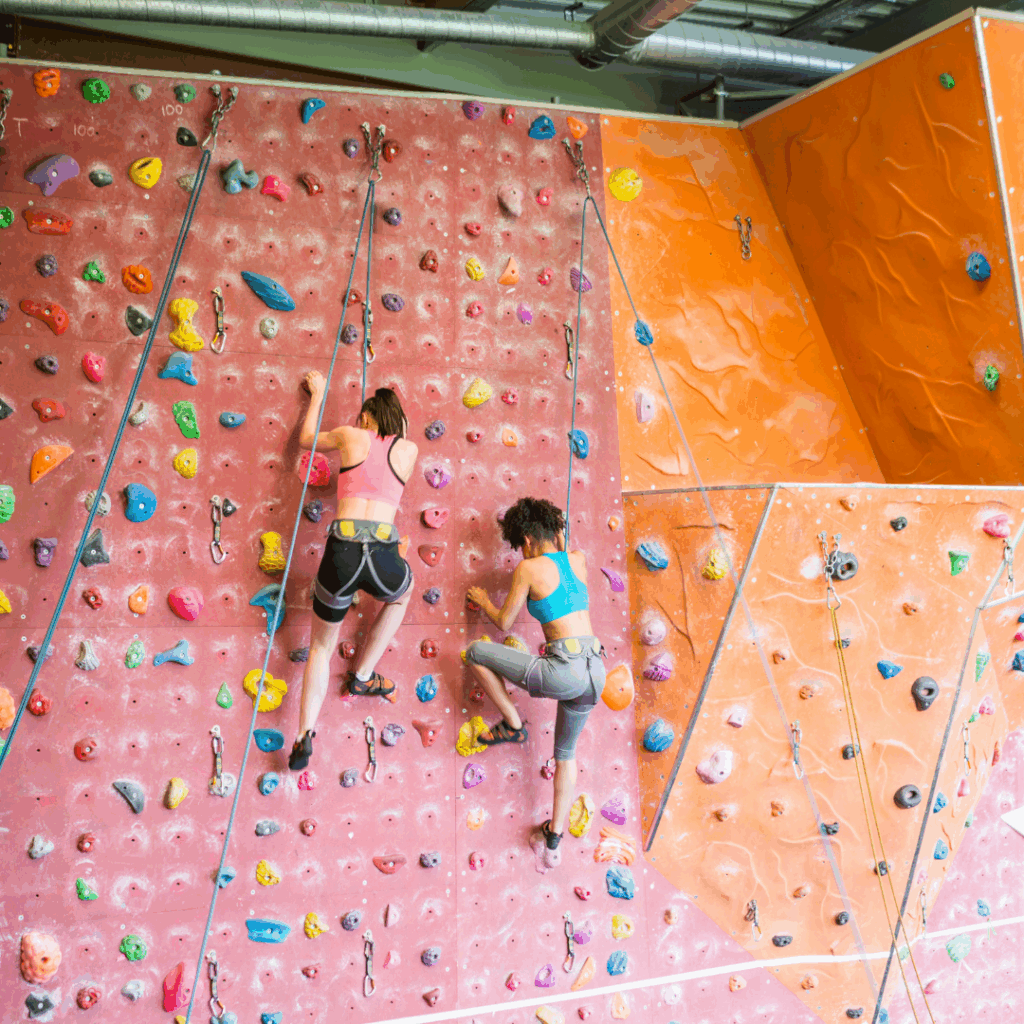
  • Rock Climbing: This requires communication and trust. Whether you’re belaying or being belayed, you’re in constant dialogue. It builds not just strength but connection.
  • Partner Yoga: Involves physical coordination and shared intention. Often done in small, supportive groups.
  • Strength Training With a Friend: Alternating sets, spotting one another, and cheering each other on adds both safety and encouragement to the routine.

Moderate Interaction Activities:

  • Group Hikes or Walks: These provide a relaxed setting for conversation without intensity. Ideal for building rapport over time.
  • Fitness Classes (like Pilates or Barre): You share space and routine with others, offering light social exposure with the option to engage more deeply over time.

Low Interaction but Still Communal:

  • Zumba or Dance Classes: High energy, shared rhythm, and optional connection. Being in the room is often enough to feel uplifted.
  • Open Gym Sessions: Working out near others may not spark deep conversation, but it still offers a sense of shared momentum.

By choosing activities that match your current need for connection, you create a sustainable routine. Some days you may want full engagement. Others, you may just want to be near people without having to perform socially. Both are valid.

More Than a Workout

What begins as a commitment to health can quietly become a doorway to belonging. That’s the magic of shared movement. It’s physical wellness that supports emotional wellness. It’s consistency that doesn’t feel like a chore. It’s a new conversation without needing to say much at all.

And in a season where friendships have changed, roles have shifted, and space for self has shrunk, this kind of connection matters. You don’t have to force it. You just have to show up.

If finding your people through movement feels like the next right step, remember: connection doesn’t always look like deep heart-to-hearts. Sometimes, it looks like lacing up your shoes and joining someone else on the mat, the trail, or the wall.

You don’t have to go it alone. You were never meant to.

Warmly, Laura

You don’t have to choose between success and well-being. Step away from the chaos, reset your mind and body, and realign with what truly matters. Our wellness retreats, online courses, free resources give you the space to breathe, reflect, and design a life that feels fulfilling—without guilt, without compromise.

Be the first to know about upcoming retreats—join the info list for dates and details.

Let’s stay connected! Follow us on InstagramFacebookYouTubeLinkedIn, and Pinterest, and join the LAYLO Shala for exclusive updates and insights.
5 EXPERT TIPS TO RECLAIM YOUR FITNESS AFTER 40

Reclaim Your Fitness!

reclaim your fitness after 40

Rebuilding physical health in midlife is more than just hitting the gym.

It’s about redefining strength to support a thriving social life and a renewed sense of personal agency.

For women in their 40s and 50s, particularly those navigating new chapters, physical fitness becomes a foundation for deeper connection and emotional well-being.

Research shows that physical activity positively correlates with improved mood, increased energy, and greater social engagement. Yet, a 2023 report by the National Center for Health Statistics revealed that nearly 45% of women between 45 and 64 do not meet recommended physical activity guidelines. That gap doesn’t just impact cardiovascular health or flexibility—it can subtly erode confidence and reduce motivation to connect with others.

Here are five evidence-based strategies to help reclaim your fitness and energize your midlife journey:

1. Prioritize Functional Strength


Rather than focusing solely on appearance, shift your attention to building functional strength. Exercises that mimic daily movements—like squats, lunges, and overhead presses—not only improve balance and coordination but also support everyday ease. Strength training twice a week can significantly improve bone density and muscle mass, which naturally decline after 40. According to the National Osteoporosis Foundation, women can lose up to 20% of their bone density in the five to seven years following menopause, making strength training a critical component of wellness.

Functional training also supports metabolic health. A study published in the Journal of Aging and Physical Activity found that older adults who engaged in strength training experienced better glucose regulation and metabolic profiles than their sedentary peers.

2. Make Movement Social


Physical activity doesn’t have to be a solo endeavor. Walking groups, dance classes, or weekend hikes with friends are excellent ways to integrate social connection with fitness. Research from the American Journal of Health Promotion found that group exercise participants report higher satisfaction and lower stress levels than those who exercise alone. Moreover, studies have shown that social exercise increases adherence to movement routines by up to 76%, reinforcing both consistency and connection.

Movement with others also creates shared memories and trust, essential elements for meaningful friendships. For those rebuilding or expanding their social circles, fitness becomes a safe and enjoyable gateway to connection.

3. Honor Recovery as a Ritual


Recovery is not optional in midlife—it’s essential. Muscles repair and grow during rest, not during exertion. Prioritize sleep, stay hydrated, and integrate practices like yoga, stretching, or foam rolling. These not only aid physical recovery but foster moments of reflection and calm, helping you stay present in your relationships and routines.

The Sleep Foundation reports that adults over 40 often struggle with consistent, restorative sleep. Regular physical activity has been shown to improve sleep quality, but only when paired with adequate recovery. A 2020 study in Frontiers in Psychology found that active recovery practices, such as yoga and breathwork, significantly reduce cortisol levels and improve emotional resilience.

4. Reframe Cardio as Exploration


Let go of the treadmill dread. Choose cardiovascular activities that feel like adventures: cycling new routes, swimming laps in open water, or brisk walks in nature. Cardiovascular health supports brain function, which in turn helps you stay sharp and socially engaged. The Alzheimer’s Association notes that regular aerobic activity can lower the risk of cognitive decline and improve memory.

Additionally, the Harvard T.H. Chan School of Public Health emphasizes that regular physical activity can reduce symptoms of anxiety and depression. Their research shows that people who engage in consistent aerobic exercise experience a 26% lower risk of developing depression. Physical movement, they assert, is one of the most effective natural ways to enhance mental health at any age.

5. Track Progress, Not Perfection

Celebrate the wins that matter. Maybe it’s carrying groceries with ease or climbing stairs without fatigue.

Tracking progress through a journal or app can provide clarity and encouragement.

The goal isn’t perfection—it’s forward movement that supports your social and emotional vitality.

Keeping a visual log of milestones—whether in the form of notes, charts, or photos—can increase motivation and foster a deeper connection to your personal goals. A 2021 study published in Health Psychology found that individuals who self-monitor their exercise were more than twice as likely to meet fitness goals over a six-month period compared to those who did not.

Bonus Tip: Train Your Balance


Balance training is an often-overlooked element of midlife fitness, yet it’s critical for maintaining independence and preventing injury. The risk of falling increases significantly with age. According to the Centers for Disease Control and Prevention (CDC), one in four adults over 65 falls each year, and falls are the leading cause of injury-related deaths in this age group. Even non-fatal falls can lead to serious consequences, such as fractures, long-term hospitalization, or reduced mobility.

Incorporating balance exercises—such as single-leg stands, heel-to-toe walking, or tai chi—into your routine can improve proprioception and lower-body strength. A 2020 meta-analysis in the British Journal of Sports Medicine found that balance training reduced fall risk by up to 37% among older adults. Early adoption of these exercises in your 40s and 50s can set the foundation for long-term safety and confidence.

Failing to engage in regular fitness during midlife doesn’t just impact physical health. A sedentary lifestyle is linked to increased risk of depression, decreased social engagement, and even cognitive decline. According to the Mayo Clinic, regular exercise helps release endorphins, promotes better sleep, and improves interpersonal responsiveness.

These tips offer more than a path to physical strength—they open the door to richer conversations, shared experiences, and deeper friendships. As you build strength, you reinforce your capacity for presence, connection, and vitality.

Explore tools like our 10 Things to Say When You Don’t Know What to Say to bring more intention to your social moments, or deepen your journey with Friendship After 40: The Blueprint to Finding Your People. Ready to take it even further? Our immersive Soul Sanctuary Retreat integrates wellness, movement, and authentic bonding for lasting transformation.

Strength supports connection. And connection, in midlife, is everything.

laylo wellness

You don’t have to choose between success and well-being. Step away from the chaos, reset your mind and body, and realign with what truly matters. Our wellness retreats, online courses, and free resources give you the space to breathe, reflect, and design a life that feels fulfilling—without guilt, without compromise.

Be the first to know about upcoming retreats—join the info list for dates and details.

Let’s stay connected! Follow us on InstagramFacebookYouTubeLinkedIn, and Pinterest, and join the LAYLO Shala for exclusive updates and insights.