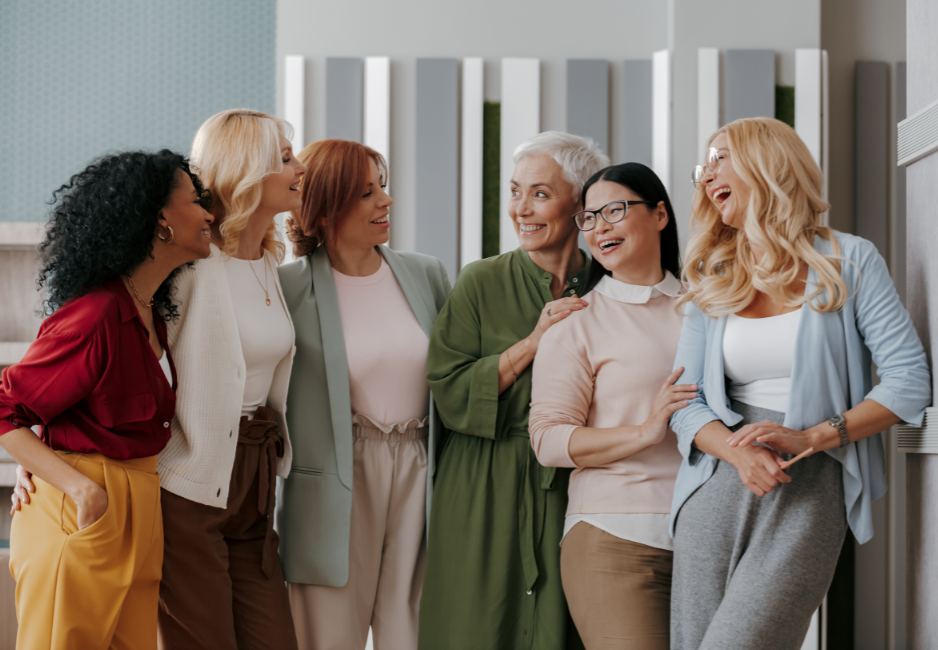
Healthy Aging Tips Women Over 45 Need Now

Aging isn’t something to resist or romanticize. It’s just what happens—if we’re lucky.

The question isn’t how to stop aging. It’s how to stay upright, sharp, and genuinely well while it happens. That’s where healthy aging comes in.

Women over 45 often find themselves inundated with advice: collagen powders, intermittent fasting, 90-minute morning routines, cryo chambers. And sure, some of that stuff is interesting. But most of it? Expensive, unsustainable, and ultimately irrelevant when real life includes a full-time job, caregiving, and a metabolism that refuses to negotiate.

Here’s what actually helps—backed by longevity science, not influencer trends.

Muscle Isn’t Optional. Strength Training Is Non-Negotiable.

Muscle mass declines up to 8% per decade after 40. After 50, the rate doubles. Loss of strength increases your risk of falls, fractures, insulin resistance, and general “why does everything hurt when I wake up” syndrome. Lifting weights just twice a week helps maintain bone density, improve metabolic function, and protect your joints.

You don’t need a fancy gym membership or to deadlift your body weight. You do need to consistently challenge your muscles with resistance—dumbbells, resistance bands, even bodyweight workouts. Muscle is metabolism. It improves mobility. Muscle equals freedom.

Your Brain Needs Sleep, Stress Management, and Something New to Learn.

Cognitive decline isn’t inevitable, but it is opportunistic. It creeps in when sleep becomes optional, when everything feels urgent, and when your brain runs the same loop on repeat.

Protecting cognitive health after 45 looks like prioritizing sleep (7-9 hours, not negotiable), actively reducing chronic stress (your nervous system isn’t a punching bag), and learning something new—a language, a skill, even a new podcast habit that doesn’t revolve around murder mysteries.

Chronic stress shrinks the brain. Sleep debt impairs memory and executive function. Novelty builds neural resilience. And you can’t outsource this. No supplement replaces sleep. No app replaces boredom-fighting learning.

Meaning Improves Lifespan. No, Really.

In long-term studies on longevity, having a sense of meaning—something to wake up for—outperformed clean eating, fitness, and even not smoking. People with a reason to get up each day live longer, fuller lives.

That doesn’t mean you need a five-year plan or a spiritual awakening. It means doing something regularly that feels personally valuable. Volunteering. Creating. Mentoring. Anything that feels like it still matters, especially when no one else is watching.

The Habit Personality Factor

Your best friend thrives on fitness challenges. You prefer structured classes. Someone else needs 1:1 accountability. Great. The trick is not copying someone else’s rhythm but finding yours. If you’re the spreadsheet type, track your workouts. If you’re the rebel type, gamify your progress with small rewards.

There’s no universal habit formula. But there is a universal truth: consistency beats intensity every time.

What Actually Stuck After 40? Slow Mornings.

One shift I made in my 40s that quietly changed everything: slow mornings. Not the kind where you meditate for an hour or write in five journals. Just 30 minutes to sit. Drink coffee. Breathe. Think. Not scroll.

Yes, it was easier when my son was a teenager and didn’t need help getting dressed or fed. But I still worked full-time. I still had the same pressure. And I carved out that time anyway. It was the first thing that taught me that how I start my day matters more than when I start it.

You Don’t Need a New Life. You Need Better Inputs.

Most women I work with don’t want a radical reinvention. They want energy that doesn’t crash at 3pm. A body that doesn’t feel like a stranger. A brain that doesn’t forget the thing they just walked into a room for. That starts with what you put in: movement, rest, connection, meaning.

Wellness isn’t a lifestyle brand. It’s how you live your actual life.

The LAYLO Edit offers real-world, research-backed wellness ideas for women who want their time and energy to matter. It’s not a program. It’s your sanity file. If you’re ready to stop chasing trends and start feeling better long-term, this is where you start.

Warmly, Laura

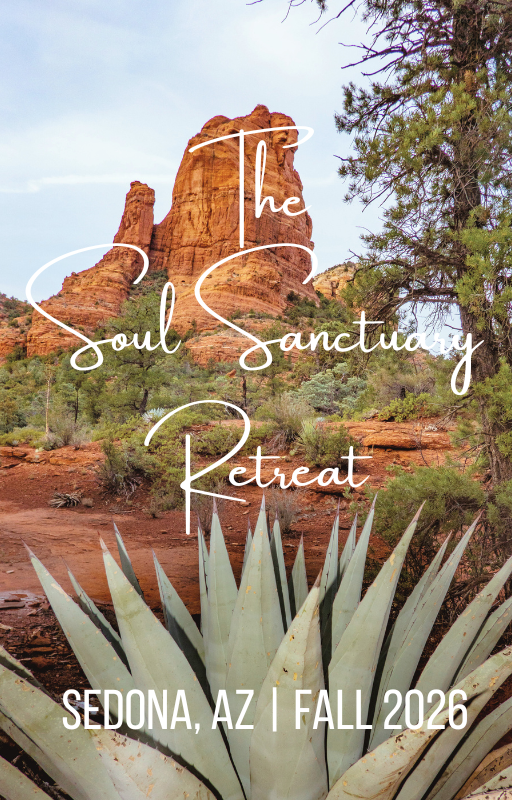
You don’t have to choose between success and well-being. Step away from the chaos, reset your mind and body, and realign with what truly matters. Our wellness retreats, online courses, free resources give you the space to breathe, reflect, and design a life that feels fulfilling—without guilt, without compromise.

Be the first to know about upcoming retreats—join the LAYLO Edit for exclusive updates and insights, as well as wellness tips for real life. 

Let’s stay connected! Follow us on InstagramFacebookYouTubeLinkedIn, and Pinterest.

The Hidden Health Hack That Extends Longevity

For years, we’ve been told that the pillars of wellness are exercise, clean eating, sleep, and stress management.

While those matter, there’s a critical piece most women overlook—especially in midlife. It’s not a supplement, not a fitness app, not a detox plan. It’s friendship.

Real Connection is Non-Negotiable for Your Longevity

Not the casual wave-at-the-neighbor kind. Real, nourishing, life-expanding friendship.

Social wellness isn’t soft. It’s science-backed, measurable, and essential for everything from immune function to longevity. The data is staggering: meaningful connection increases survival rates by over 50%, lowers the risk of heart disease, strengthens cognitive health, and dramatically improves emotional regulation.

It’s not optional. It’s urgent.

The Wellness Gap No One Warned You About

Somewhere between supporting aging parents, guiding grown kids, showing up for a demanding career, and trying to keep a home running—connection faded. Not because it didn’t matter, but because it didn’t scream as loudly as everything else.

But here’s what isn’t said often enough: friendship is protective – against burnout, cognitive decline, and even the quiet drift into isolation that begins not with a crisis, but with busyness.

The Research Is Clear: Connection Extends Life

You don’t need 50 friends. But you do need a few who know the real you, witness your reality, and stay.

One comprehensive meta-analysis of 148 studies found that people with strong social ties had a 50% greater chance of survival, regardless of age or health condition. That’s the same risk reduction you’d get from quitting smoking or exercising regularly.

The Harvard Study of Adult Development—the longest study on human well-being ever conducted—identified one key determinant of long-term health and happiness: close relationships. It’s not accolades. Not income. It’s not even clean living. Relationships.

What’s Making Connection So Hard (Even for Capable Women)

If you’ve ever thought, “I know I need to connect, but I don’t have the energy,” you’re not alone—and you’re not wrong. Midlife introduces very real barriers:

1. Time Scarcity
You’re overscheduled and overcommitted. Friendship becomes another thing to manage, not something that restores you.

2. Emotional Exhaustion
You’re carrying the weight of others—parents, kids, teams—and when the day ends, you’re out of bandwidth.

3. Shifting Social Circles
People move. Kids grow. Roles change. Proximity fades, and effort feels one-sided.

4. Trust Hesitation
You’ve been hurt. Betrayed. Ghosted. Or just exhausted by friendships that take more than they give. So you opt out rather than risk more strain.

These aren’t character flaws. They’re survival strategies in a world that never taught adults how to build and maintain meaningful friendships.

Quality Connection: The Hidden Multivitamin

Let’s talk benefits. Not vague inspiration—real, measurable, physiological impact. Friendship:

Regulates Stress
Consistent, emotionally safe relationships reduce cortisol, lower inflammation, and protect cardiovascular health.

Boosts Immunity
Studies show socially connected individuals recover faster from illness and show stronger immune responses to viral exposure.

Enhances Mental Health
Consistent connection helps regulate mood, reduce anxiety, and buffer emotional burnout.

Preserves Cognitive Function
Adults with regular, stimulating social contact experience slower cognitive decline and lower risk of dementia.

Increases Lifespan
Lack of connection has the same mortality risk as smoking 15 cigarettes a day. Connection, on the other hand, supports regulated nervous systems, stabilized immunity, and longer life expectancy.

What Real Friendship Looks Like (And What It Doesn’t)

You don’t need to have a massive network. In fact, smaller circles are more impactful when built with intention. A healthy friendship includes:

  • Emotional safety: You can speak honestly and be heard.
  • Consistency: It doesn’t require daily check-ins—just ongoing investment.
  • Positive regard: You believe in each other. You don’t keep score.

What it doesn’t include: one-sided effort, emotional dumping, gossip-as-bonding, ghosting, or performative loyalty.

If Friendship Is a Skill—Here’s How to Rebuild It

No one taught us how to navigate adult friendship. But that doesn’t mean you’re stuck. These micro-strategies shift your connection landscape fast.

1. Micro-engagement matters.
Quick voice note. Funny article. Two-sentence text. Small moments build big trust.

2. Extend one invitation a week.
No pressure for perfection. Coffee. Walk. Call. Something low-lift that brings you together.

3. Use your real life.
Run errands together. Meal prep together. Go to a workout class. Friendship doesn’t require extra time—it fits into life as it is.

4. Speak up early.
Say: “I value communication. If something feels off between us, I’d rather check in than avoid it.”

5. Build a diversified circle.
No one person can be everything. Aim for variety: the growth friend, the fun friend, the grounding friend.

6. Plan shared experiences.
Retreats. Hikes. Dinner parties. Shared moments build deeper emotional memory.

Treat Friendship Like Preventive Care

Most women wait until everything feels off to realize they need more connection. But social wellness works best when you build it before you need it.

Consider this your invitation to prioritize it.

You’re allowed to want more—and to build a life that includes people who see you fully.

It’s Time To Create Something Better Now

Something that fits your life, honors your growth, and actually supports your health.

When you invest in connection, everything else stabilizes—your nervous system, your immune function, your emotional bandwidth.

It’s not too late. It never was.

Connection isn’t luck.
It’s a daily choice.
And it starts with one real moment.

Warmly, Laura

You don’t have to choose between success and well-being. Step away from the chaos, reset your mind and body, and realign with what truly matters. Our wellness retreats, online courses, free resources give you the space to breathe, reflect, and design a life that feels fulfilling—without guilt, without compromise.

Be the first to know about upcoming retreats—join the info list for dates and details.

Let’s stay connected! Follow us on InstagramFacebookYouTubeLinkedIn, and Pinterest, and join the LAYLO Shala for exclusive updates and insights.

THE TRUTH ABOUT MAKING FRIENDS MIDLIFE

Why Building Bonds Feels Tougher in Midlife

First, we see shifts in priorities. Career demands peak. Parenting responsibilities weigh heavier. Self‑care routines fill gaps once reserved for socializing. Suddenly, friendship isn’t a free block in your calendar—it becomes something you must protect. Making friends midlife begins to take a backseat to all. the. things.

Second, behavioral outlook changes. After 40, many of us adopt a more selective mindset. We sense which relationships align with our values and goals. That clarity is powerful, but it also narrows the window for new connections. You’re not just meeting people—you’re hunting for deeper resonance. Consequently, casual conversations may feel surface‑level or unfulfilling.

Third, societal dynamics have evolved. Conventional ways to make friends—community gatherings, sports leagues, after‑hours meet‑ups—have eroded. Fewer working‑class events, decreased workplace socializing, and growing digital bubbles mean we encounter fewer strangers who could become close pals. These structural factors quiet the chance-to‑connect moments that built friendships in past decades.

Moreover, let’s consider solid data: 40 % of adults over 40 report having three or fewer close friends. Among those ages 50–59, nearly one‑fifth says they feel emotionally unsupported. Research links unresolved social disconnection to a 30 % higher risk of cardiovascular issues—and a 26 % greater risk of overall mortality. In short, friendships aren’t optional therapy—they support our health and well‑being after 40.

How COVID‑19 Changed the Landscape

Then came the pandemic. When lockdowns began in early 2020, our social world contracted overnight. Zoom chats and socially distanced walks substituted familiar routines. Many companies went remote, cutting out coffee‑break conversations and after‑work social mixers. Neighborhood promenades became cautious, masked encounters. The result? A temporary rupture of weak social ties—those casual connections that had untapped potential to deepen.

Today, that rupture lingers. Some former work colleagues or parent connections turned into acquaintances who drifted away. Others tried virtual meet‑ups but lost momentum without in‑person chemistry. For people in their 40s and 50s, whose routines already left little margin for social experimentation, this interruption had long‑term consequences. In surveys taken in 2023, nearly half of respondents over 45 said their primary social circles include fewer new people than they did before 2020.

Behavioral Tendencies That Follow a Social Pause

As normal life returned, the thinning of social circles created two reinforcing effects:

  1. Withdrawal from new opportunities – Many felt hesitant to attend in‑person events after two years of distancing. Anxiety about unpredictable schedules or obligations grew. It became easier to stick with the same few friends rather than risk disappointment.
  2. High expectations for connection – Our social discomfort made us value deeper bonds immediately. We wanted conversations that mattered. Quick chats at a networking event weren’t enough. So we often skipped social gatherings entirely, feeling they wouldn’t deliver.

These behaviors compound the cycle: fewer invitations lead to fewer connections, which cultivates higher social standards, which in turn discourages participation. We want more authentic friendships—but our structure makes them harder to build.

What Happens When We Don’t Act

Unresolved disconnection carries real implications. Inside Connection + Community, we reference studies showing:

  • Adults without a solid social network face 50 % greater risk of cognitive decline by age 65.
  • Stress‑related hormones remain elevated in people who report low perceived support.
  • Those who feel socially impeded experience 3× the rate of depression symptoms.

In short, it’s not about only-child status or occasional weekend boredom.

Our mental and physical wellness and longevity intertwine with having supportive relationships. Neglecting friendship can erode vitality—mentally and physically—over time.

Shifting the Midlife Momentum with Purpose

But there’s hope. With intention and support, it’s possible to reshape social patterns and grow meaningful relationships. That’s where our Connection + Community program becomes essential.

Here’s how it works:

  • Structured support — We guide you to identify friendship goals, then offer a framework to act on them.
  • Meaningful exposure — Meet other midlifers facing similar social challenges and desires for closeness.
  • Skill building — Learn conversation techniques tailored for low‑pressure, high‑resonance interactions.
  • Sustained accountability — Regular check‑ins ensure you don’t slip back into avoidance or perfectionism.

By addressing both inner barriers (mindsets) and external hurdles (time, opportunity), the program dismantles the barriers we’ve outlined—digital distance, selective behavior, structural constraints.

Why It’s More Effective Than Going It Alone

You could attempt this solo: the truth is, if you could do it solo, you would already have it handled. Like a boss! But that route often overlooks what makes midlife unique. What isn’t visible in the self-help route? Schedules that actually work for busy parents or professionals. Space to explore without overspending. Social chemistry at a slower, authentic pace.

Connection + Community provides that curated bridge. You’re not just “putting yourself out there”—you’re joining a group of people who understand your point in life. We craft experiences to foster trust, vulnerability, and mutual growth. This systematic approach makes new friendships less of a gamble and more of a natural progression.

Final Takeaway

Making friends after 40 no longer just happens; it requires choice and cultivation. Behaviors, career patterns, and the long shadow of COVID‑19 have created a steeper climb. Yet with structure and connection, deep, supportive companionship is achievable—and essential. If you’re ready to regain momentum and design friendships that reflect who you are today, Connection + Community opens the door. Let’s rebuild your social world together.

Looking forward to walking this path with you.

laylo wellness

You don’t have to choose between success and well-being. Step away from the chaos, reset your mind and body, and realign with what truly matters. Our wellness retreatsonline courses, and free resources give you the space to breathe, reflect, and design a life that feels fulfilling—without guilt, without compromise.

Be the first to know about upcoming retreats—join the info list for dates and details.

Let’s stay connected! Follow us on InstagramFacebookYouTubeLinkedIn, and Pinterest, and join the LAYLO Shala for exclusive updates and insights.