5 Ways to Deepen Friendships with Mindfulness

mindfulness

How Emotional Regulation and Intentional Presence Build Stronger Connections

Friendships in midlife don’t run on autopilot. They require care, presence, and just enough self-awareness to keep things from turning into emotional bumper cars.

The good news? You don’t need a degree in psychology to strengthen your connections—you just need mindfulness and emotional regulation.

These two practices are the under-the-radar power tools for deeper, more sustainable friendships. Here are five ways to put them into action.

1. Ask Better Questions

Surface-level conversations are fine for weather and small talk, but real connection lives in meaningful dialogue. A thoughtful question can shift a conversation from routine to resonant in seconds.

Instead of “How’s work?” try, “What’s something that surprised you this week?” You’ll be amazed what opens up.

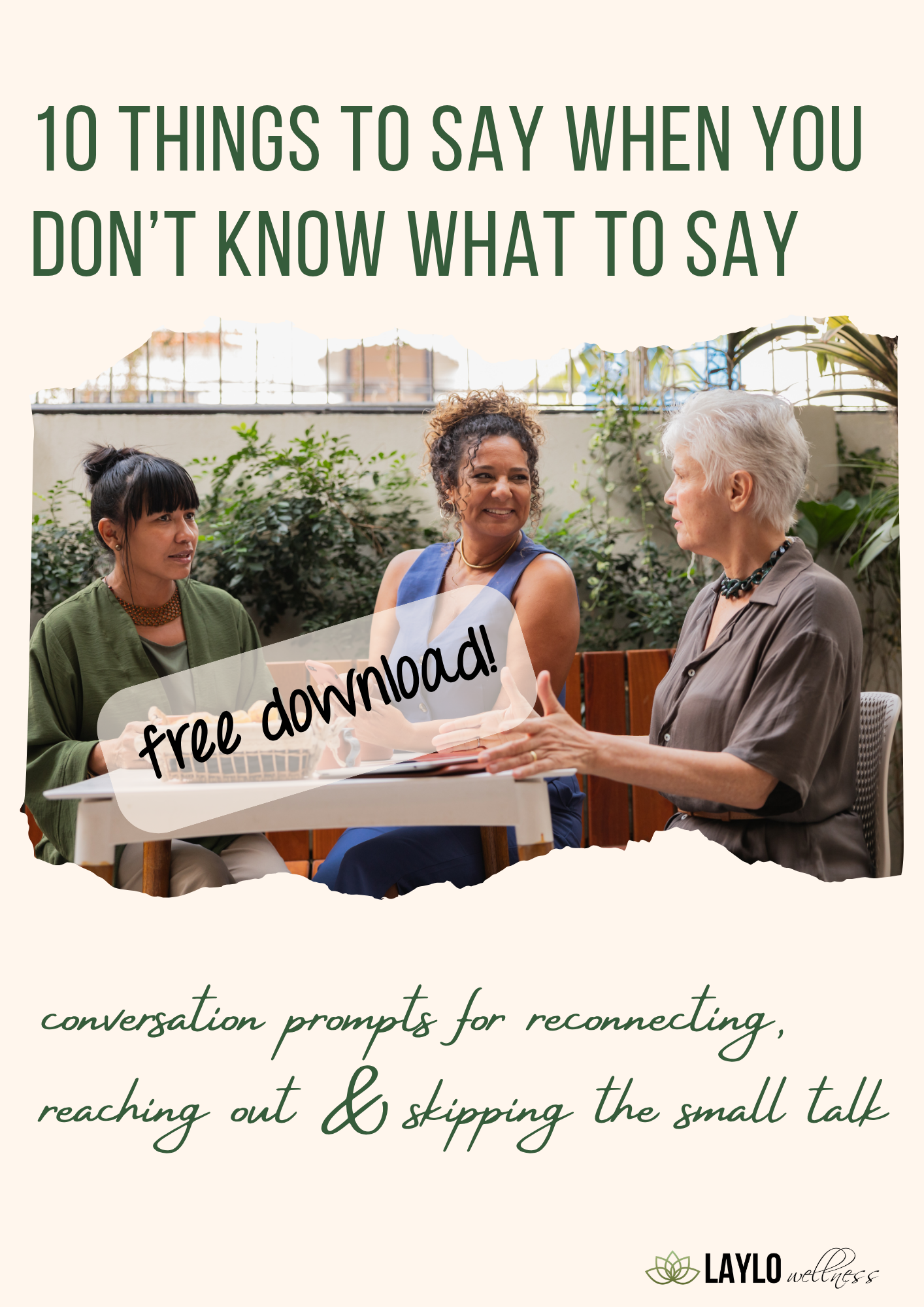
Need help? 10 Things to Say When You Don’t Know What to Say offers prompts that go deeper without feeling forced—and they work especially well when conversations feel stuck.

2. Create Emotional Check-In Rituals

Friendships thrive on rhythm, and one of the best rhythms to build is the emotional check-in. This can be a weekly text, a standing call, or a shared journal prompt exchanged over coffee.

Ask: “What’s your emotional weather today?” or “What’s been emotionally real for you this week?”

In Friendship After 40, participants learn to develop these check-ins naturally. They become trusted rituals, helping everyone feel seen and supported.

3. Embrace the Mindful Pause

Mindfulness is not about perfection. It’s about the pause—the breath you take before reacting. Especially in emotionally charged conversations, this pause becomes powerful.

Instead of rushing to fix or advise, take a moment. Ask yourself: “Am I listening to understand, or just waiting to respond?”

This small shift creates space for honest dialogue and diffuses defensiveness before it starts.

4. Practice Emotional Regulation

Midlife friendships get tested. Life throws curveballs—losses, changes, stress. How you handle your own emotional state during those moments will either nurture or erode connection.

Emotional regulation means noticing your reaction and choosing your response. It’s saying, “I need a moment to process,” rather than pulling away without explanation.

Data shows adults who use these skills are 25% more likely to maintain long-term friendships. And they report fewer conflicts, less stress, and a stronger sense of belonging.

5. Be Fully Present

Presence is the currency of deep connection. But in a world of endless distractions, showing up fully has become a rare gift.

Being present means putting away the phone. Maintaining eye contact. Listening with the intention to understand, not to reply.

Friends feel the difference when you’re really there—and they respond in kind. Research shows that friendships with high levels of mindful presence report a 22% increase in emotional satisfaction.

The Payoff: Deeper, More Resilient Friendships

Ignore these practices, and friendships often drift. About 45% of adults report losing close friends due to unresolved emotional tension—and that loss carries a 33% drop in overall life satisfaction.

On the flip side, emotionally attuned, mindful friendships lead to 40% lower daily stress and significantly better well-being.

One Final Thought

Deep friendships don’t just happen. They’re built—moment by moment, pause by pause, question by question.

You don’t need to overhaul your life. Just start small. Choose one of these five habits to practice this week. Let the shift begin.

And when you’re ready to explore these tools more fully, resources like 10 Things to Say When You Don’t Know What to Say, Friendship After 40, and the immersive Friendship Retreat are here to support your next step.

Because the friendships worth keeping are always worth deepening.

Warmly, Laura

You don’t have to choose between success and well-being. Step away from the chaos, reset your mind and body, and realign with what truly matters. Our wellness retreats, online courses, free resources give you the space to breathe, reflect, and design a life that feels fulfilling—without guilt, without compromise.

Be the first to know about upcoming retreats—join the info list for dates and details.

Let’s stay connected! Follow us on InstagramFacebookYouTubeLinkedIn, and Pinterest, and join the LAYLO Shala for exclusive updates and insights.

HOLIDAY SURVIVAL GUIDE: 6 STRATEGIES TO KEEP YOUR WELLNESS ON TRACK

The holidays bring together friends, family, and traditions, but they also come with their own set of challenges: jam-packed schedules, indulgent meals, late nights, and heightened emotions. Holiday survival seems doomed!

For busy professionals who prioritize wellness, this season can feel like a constant tug-of-war between celebrating and maintaining healthy habits.

The good news? It’s possible to enjoy the holiday magic and stay on track with your wellness goals. This guide breaks down six of the most common holiday challenges and provides actionable strategies to help you navigate them with ease and grace.

1. Mindful Eating: Savor the Season Without Overindulging

Food is central to holiday celebrations, but it’s easy to fall into the trap of overindulgence.

Research shows that the average person consumes about 4,500 calories on Thanksgiving Day alone, and overindulging at multiple gatherings can leave you feeling sluggish and bloated.

To navigate holiday meals mindfully:

  • Pause before eating: Take a moment to breathe and assess your hunger level. Are you truly hungry, or are you eating out of habit, stress, or excitement?
  • Use the “three-bite rule”: If there’s a rich dessert or dish you love, savor three small bites. You’ll satisfy your craving without going overboard.
  • Balance your plate: Fill half with vegetables or salads, one-quarter with protein, and one-quarter with indulgent holiday favorites.

When you practice mindful eating, you can enjoy every flavor of the season while maintaining balance.

2. Stress Management: Simple Wellness Routines for Busy Schedules

Holiday survival can be overwhelming. According to the American Psychological Association, 69% of people feel stressed by lack of time, 51% by pressure to give or get gifts, and 69% by financial concerns. Stress not only affects your mood but also your physical health, weakening your immune system and increasing fatigue.

Try these stress-busting strategies:

  • Practice mini-mindfulness breaks: Close your eyes for 2–5 minutes, focus on your breath, and let go of tension in your body. Apps like Calm or Insight Timer can guide you.
  • Set boundaries: Don’t be afraid to say no to events or activities that stretch you too thin. Prioritize quality over quantity.
  • Plan ahead: Create a holiday schedule to map out key commitments, leaving room for downtime and flexibility.

By managing your stress levels, you’ll feel more grounded and capable of fully enjoying the season.

3. Staying Active: Fun and Festive Fitness Ideas

When your calendar fills up, workouts are often the first thing to go. However, skipping movement for weeks at a time can lead to reduced energy, lower mood, and even holiday weight gain. Yet, staying active doesn’t mean you have to hit the gym every day.

Incorporate fitness into holiday fun:

  • Go for winter walks: Bundle up and explore your neighborhood’s holiday decorations. Walking for just 30 minutes a day improves cardiovascular health and reduces stress.
  • Try quick home workouts: If you’re short on time, do a 15-minute yoga flow or a high-intensity interval training (HIIT) session to get your heart rate up.
  • Host active traditions: Organize family-friendly activities like ice skating, sledding, or even a holiday-themed scavenger hunt.

Regular movement not only keeps you physically healthy but also boosts endorphins, helping you stay in a festive mood.

4. Holiday Self-Care: Prioritize Yourself Amid the Chaos

Self-care often takes a backseat during the holidays. In fact, 60% of people report neglecting their well-being due to holiday demands. But caring for yourself is essential for maintaining energy, focus, and joy.

Here’s how to make self-care non-negotiable:

  • Schedule it like an appointment: Block out time for yourself, whether it’s 20 minutes of reading, a yoga class, or a relaxing bath. Treat this time as sacred.
  • Learn to delegate: If you’re hosting, ask guests to bring dishes or help with cleanup. Sharing responsibilities prevents burnout.
  • Practice gratitude: Start or end your day by writing down three things you’re grateful for. Gratitude shifts your focus to the positive and improves emotional well-being.

By carving out moments of self-care, you’ll show up as your best self for others.

5. Sleep Smarter: Protect Your Rest During Holiday Festivities

Late nights at parties, long travel days, and early wake-ups to prep for celebrations can wreak havoc on your sleep.

Yet, getting enough rest is critical for mental clarity, immune function, and overall energy. According to the CDC, 35% of adults report getting less than seven hours of sleep per night during the holidays.

Keep your sleep on track with these strategies:

  • Limit caffeine and alcohol: Both can disrupt your sleep cycle, especially when consumed in the evening. Switch to herbal tea or water after dinner.
  • Stick to a routine: Aim to go to bed and wake up at the same time, even on weekends or holidays. This keeps your circadian rhythm stable.
  • Create a calming bedtime ritual: Wind down with activities like journaling, stretching, or listening to soothing music. Avoid screens at least 30 minutes before bed.

Protecting your sleep ensures you wake up refreshed and ready to tackle holiday activities. Your holiday survival depends on it!

6. Navigating Emotional Wellness at Family Gatherings

Family gatherings can be a source of joy—but also tension. A survey by the National Alliance on Mental Illness found that 64% of people feel emotionally strained during the holidays, often due to unresolved conflicts or unmet expectations.

Safeguard your emotional well-being with these tips:

  • Set realistic expectations: No family gathering is perfect. Focus on meaningful connections rather than aiming for an idealized version of the holidays.
  • Take breaks when needed: Step outside for fresh air, take a walk, or excuse yourself for a few moments to reset.
  • Practice compassion: Recognize that everyone is doing their best. Respond with kindness, even when emotions run high.

When you approach family events with mindfulness and empathy, you can create a more peaceful experience for yourself and others.

Stay Well, Stay Joyful

The holidays don’t have to derail your wellness journey. By staying mindful of what your body and mind need, you can navigate the season with balance, resilience, and joy. Remember, wellness isn’t about perfection—it’s about making intentional choices that support your well-being.

This holiday season, celebrate in a way that nourishes your body, mind, and spirit.

With these strategies, you’ll step into the New Year feeling refreshed and empowered.

What’s your biggest holiday survival challenge? Share your thoughts and tips in the comments below!

laylo yoga and wellness

You don’t have to choose between success and well-being. Step away from the chaos, reset your mind and body, and realign with what truly matters. Our wellness retreats, online courses, and free resources give you the space to breathe, reflect, and design a life that feels fulfilling—without guilt, without compromise.

Be the first to know about upcoming retreats—join the info list for dates and details.

Let’s stay connected! Follow us on InstagramFacebookYouTubeLinkedIn, and Pinterest, and join the LAYLO Shala for exclusive updates and insights.

SIMPLE, EFFECTIVE STRATEGIES TO BOOST YOUR MENTAL HEALTH

In today’s fast-paced world, balancing personal responsibilities, work pressures, and the stresses of the broader environment can feel overwhelming.

Mental health often takes a backseat, yet it is the foundation of overall wellness. Developing mental resilience and taking care of mental well-being is essential for navigating these challenges and living a more balanced, fulfilling life.

This guide breaks down practical strategies to improve mental health daily, monthly, and over the long term. By incorporating these approaches into your wellness routine, you can cultivate mental clarity, emotional strength, and a sense of peace, no matter the challenges you face.

Why Mental Health is Crucial for Wellness

Mental health is more than just avoiding stress or anxiety—it’s about maintaining a state of mental and emotional well-being that allows you to function in your day-to-day life and achieve your long-term goals. Good mental health fosters resilience, creativity, productivity, and meaningful relationships. It provides the emotional stability to manage stress, solve problems, and overcome obstacles with a positive mindset.

Ignoring mental health, on the other hand, can lead to burnout, chronic stress, and emotional exhaustion. Proactively caring for the mind is just as important as taking care of physical health, and the strategies below provide a roadmap for integrating mental wellness into your life.

Daily Mental Health Practices: Start Small for Big Impact

One of the most effective ways to strengthen mental health is by incorporating small, daily practices that help set a positive tone for the day. Personal development resources such as podcasts and audiobooks are powerful tools for this. Tuning into the wisdom of mental health experts, authors, and thought leaders can provide motivation, clarity, and a sense of purpose.

For example, many people find inspiration in the works of Brene Brown, a renowned psychologist who speaks on vulnerability, courage, and personal growth. Her TED Talks, books, and interviews offer practical insights into how to cultivate a mindset of emotional strength and resilience. Incorporating even 10 to 15 minutes of uplifting content into your daily routine—whether while commuting, exercising, or relaxing—can help maintain a balanced mental state.

Listening to audiobooks or podcasts can also be a more accessible option than reading, particularly when energy levels are low. These formats allow for passive consumption, making it easier to integrate self-care into busy schedules without sacrificing productivity.

Actionable Tip: Identify a few podcasts, audiobooks, or YouTube channels focused on personal development, mental health, or wellness. Set aside time each day to listen, reflect, and apply these insights to your own life.

Monthly Mental Health Check-ins: Gain Perspective

While daily practices are crucial, taking time each month for deeper reflection is equally important. Consider engaging in a monthly mental health check-in to assess how you’re feeling, process emotions, and adjust your mental wellness plan if necessary. This could involve a dedicated journaling session, a meditation retreat, or even attending therapy.

Therapy is an invaluable resource, whether it’s a one-on-one session with a licensed therapist or a group session. Talking with a professional can help untangle complex emotions and offer new perspectives. Often, issues that seem overwhelming become more manageable when discussed with someone trained to guide you through them. A fresh perspective can lead to breakthroughs that might not happen on your own.

Another option is participating in support groups, especially if you’re dealing with a specific challenge. Hearing others share their experiences fosters a sense of community and can be a reminder that you’re not alone in your struggles. It can also offer practical advice on how to overcome similar challenges.

Actionable Tip: Schedule a mental health “reset” day once a month. Use this time for therapy, group discussions, journaling, or reflecting on how you’ve been feeling. Seek out professionals or groups that resonate with your particular needs.

Long-Term Mental Health Goals: Plan for Success

Just as one might develop a fitness or nutrition plan, it’s important to have a structured mental health plan. Setting yearly goals around mental health helps you stay focused and gives direction to your personal growth. These goals might include addressing specific issues, such as overcoming anxiety, building emotional resilience, or reducing stress triggers.

Having a flexible mental health plan allows for adjustments as life changes. If you’re addressing a specific challenge, like trauma or PTSD, this might involve seeking professional support or following a long-term therapy regimen. If your goal is to experience more contentment or balance in life, the plan could involve integrating mindfulness, meditation, or relaxation techniques regularly.

A key part of achieving long-term mental health goals is breaking them down into actionable steps. For instance, if your goal is to reduce stress, this could involve incorporating stress-relieving activities like yoga, journaling, or spending more time outdoors. The idea is to set measurable, attainable goals that allow for consistent progress, even if life becomes unpredictable.

Actionable Tip: Develop a mental health plan for the year. Write down specific goals and break them into monthly and weekly tasks. Revisit this plan regularly and adjust it as needed to ensure it stays relevant to your current needs.

Micro-Steps: Small Steps Lead to Big Changes

If improving mental health feels overwhelming, start with micro-steps. These small actions, though seemingly insignificant, are crucial for building momentum. Whether it’s reaching out to a mental health professional, looking into what therapy your insurance covers, or simply researching wellness resources online, these small steps add up over time.

The beauty of micro-steps is that they require minimal effort but contribute to long-term progress. Over time, these small actions create habits that positively impact your mental health without overwhelming you.

Actionable Tip: Identify one small task you can accomplish this week that supports your mental health. It could be as simple as researching therapists in your area or spending 10 minutes practicing deep breathing techniques.

Build a Support Network: Know When to Seek Help

While it’s helpful to rely on friends and family for emotional support, it’s important to recognize that they may not always be objective. Loved ones often have their own emotional involvement in your well-being, which can make it difficult for them to provide unbiased advice. In certain situations, professional guidance is necessary to navigate more complex mental health challenges.

Connecting with a therapist, counselor, or mental health coach ensures that you have an impartial, trained person to talk to.

These professionals are equipped with the tools and techniques needed to help you process emotions, overcome mental roadblocks, and create a sustainable wellness plan.

Actionable Tip: If you’ve been feeling stuck, consider seeking support from a professional rather than relying solely on your immediate circle. A therapist can help you develop the strategies needed to move forward.

Take Charge of Your Mental Wellness Journey

Mental health is an essential part of your overall wellness, and taking intentional steps to nurture it will pay dividends in every aspect of your life. Whether through daily practices, monthly check-ins, or long-term planning, each action you take brings you closer to a balanced, peaceful, and fulfilling state of mind. With the right tools and support, achieving mental well-being becomes an empowering journey rather than a daunting task.

For additional resources, consider downloading the Radical Wellness ebook, available on the Laylo Yoga and Wellness website. This ebook includes worksheets, tips, and actionable steps to help guide you through your mental wellness journey. Start today, and take the first step towards a healthier, happier you.

laylo yoga and wellness

You don’t have to choose between success and well-being. Step away from the chaos, reset your mind and body, and realign with what truly matters. Our wellness retreats, online courses, and free resources give you the space to breathe, reflect, and design a life that feels fulfilling—without guilt, without compromise.

Be the first to know about upcoming retreats—join the info list for dates and details.

Let’s stay connected! Follow us on InstagramFacebookYouTubeLinkedIn, and Pinterest, and join the LAYLO Shala for exclusive updates and insights.

MIDLIFE MIND

Your brain on wellness.

There’s a point where it’s not your body that taps out first.

It’s your mind.

Something like a quiet wearing down. You’re still capable. Still sharp. Still handling things. But it takes more effort than it used to, and there’s less room for error or overload.

Midlife has a way of filling every mental corner.

Rethinking Wellness

Wellness isn’t something you add on. You’re already doing it. It’s how well the different parts of your life are holding together.

Your body, your mind, and your relationships are in constant conversation. When one starts pulling too hard, the others notice.

The Mental Reality of Midlife

By now, your brain has been running logistics for decades.

Work decisions. Family dynamics. Emotional undercurrents. Remembering who needs what and when. Thinking ahead so things don’t fall apart. You’re often the one keeping track of the details and the tone of the room.

That kind of mental responsibility doesn’t clock out.

It can feel like:

  • Your focus isn’t as reliable as it used to be
  • Words occasionally disappear mid-sentence
  • You’re mentally tired before the day really gets going
  • Your confidence in your own thinking wobbles more than you expect

Sleep doesn’t always help the way it once did. A lot of Gen X women deal with lighter, broken sleep, or nights that never quite restore anything. Hormonal shifts can be part of it. Life pressure is part of it too. When rest is inconsistent, your mind pays the price.

None of this is surprising. It’s what happens when your mental load stays high and recovery gets squeezed.

The Real Deal – What Mental Wellness Looks Like Now

At this stage, mental wellness is about having enough internal space to think straight. Forget about mindset hacks or positive thinking.

It’s finding enough steadiness to respond instead of snapping. Trust in your own judgment to stop replaying decisions at 2 a.m. Clarity that lets you feel like yourself again, even when life stays busy.

That kind of steadiness comes from:

  • Letting your mind pause without feeling guilty
  • Paying attention to fatigue before it turns into irritability or fog
  • Adjusting expectations instead of fighting how your brain works now
  • Supporting sleep, focus, and nervous system regulation in ways that fit real life

You don’t need to be fixed. You simply need tools that are sustainable.

This is the Purpose Which Drives LAYLO wellness

LAYLO wellness creates space for honest conversations about mental wellness in this stage of life.

No dramatizing. No minimizing. No one needs that! What we need is practical, grounded support for women who have a lot going on and want to feel clearer, steadier, and more at ease in their own heads.

Mental wellness here is connected to movement, rest, and connection. You don’t work on one without affecting the others.

Staying connected

If your brain went “ding, ding, ding” here are some ideas on what to consider:

  • Look at how movement supports focus and mental clarity through Prime Time Body
  • Notice how shared experience and connection lighten mental load through Gen X Soul
  • Stay in the conversation with The LAYLO Edit, curated insights and tools that meet you where you are

It’s time to take a seat at the table and dive into what supports you — so your mind isn’t doing all the heavy lifting on its own.

Warmly, Laura

LAYLO wellness centers social wellness—supported by mental clarity and movement—to help you live and work with more steadiness, connection, and longevity.

The LAYLO Editis where I share thoughtful, practical insight for real life.
Join for updates on upcoming experiences, including The LAYLO Collective, a small-group social wellness experience designed for real life, and Wellness Retreats.

Follow along on Instagram, Facebook, YouTube, LinkedIn, and Pinterest.

BATTLING BURNOUT: NAVIGATING MODERN LIFE

Burnout – the struggle is real!

burnout

We are talking about burnout because it’s as real as that third cup of coffee you’re eyeing right now.

It’s that feeling of being utterly drained, mentally fried, and emotionally wrung out. If you’re nodding along, feeling like your life is a constant game of juggling balls made of glass, then you’re not alone.

So, what exactly is burnout? Well, it’s like trying to run a marathon with lead weights strapped to your ankles. It’s that overwhelming sensation of being pulled in a million different directions, with every task feeling like it’s due yesterday and will be due again tomorrow. Sound familiar?

Picture this: you’re juggling a demanding job, maybe climbing the corporate ladder or running your own business.

Now, add in the pressures of dealing with adult kids who still haven’t quite figured out this whole “adulting” thing. You know the drill: they need advice, financial support, emotional reassurance, and maybe grandkid babysitting while they’re at it. And let’s not forget about the job that’s demanding more from you than ever before. Deadlines, meetings, projects – it’s a never-ending cycle.

Another ball to juggle? Taking care of Mom and/or Dad. Doctor’s appointments, medication schedules, making sure they’re comfortable and cared for while trying to navigate the murky waters of healthcare, finances, and emotional support. It’s a whole other level of responsibility.

How does burnout affect us?

Sounds exhausting, doesn’t it? Well, that’s because it is! Burnout doesn’t discriminate; it can strike anyone, regardless of age, gender, or background. It can wreak havoc on both our personal and professional lives faster than you can say “take a breather.” From sleepless nights to snapping at loved ones, the signs are all there.

But for us, seasoned women who’ve seen our fair share of battles, the stakes can feel even higher. We’ve spent decades honing our multitasking skills, balancing countless responsibilities, and putting everyone else’s needs before our own. The harsh truth, however, is that you can’t pour from an empty cup.

There is good news though! There are ways to combat burnout and reclaim your sanity. Here are a few tips to help you kick burnout to the curb:

6 tips to battle burnout

  1. Set Boundaries: Learn to say no without feeling guilty – both at work and at home. You don’t have to be superwoman, and it’s okay to prioritize your own well-being.
  2. Delegate Like a Boss: You don’t have to do it all yourself. Whether it’s at work or within your family, learn to delegate tasks and share the load.
winning burnout battle

3. Prioritize Self-Care: I cannot stress this enough. Self-care isn’t selfish; it’s survival. Make time for the things that bring you joy, whether it’s a bubble bath, a walk in nature, taking a yoga class, or losing yourself in a good book. And don’t skimp on sleep – your body and mind will thank you for it. Prioritize self-care like it’s your job.

4. Seek Support: Don’t be afraid to lean on friends, family, or even professional support if you need it. You’re not in this alone, and it’s okay to ask for help. This could look like hiring a cleaning service, delegating tasks at work, or enlisting your siblings to pitch in with or hire help for caregiving duties for your parents.

5. Find Balance: Balance is key to avoiding burnout. Take a step back and assess your priorities. Are you spreading yourself too thin? Are there areas of your life that need more attention?

6. Practice Mindfulness: In a world that’s constantly pulling us in a million different directions, mindfulness is like a life raft in a stormy sea. Take a few minutes each day to breathe, center yourself, and tune out the noise. Whether it’s meditation, yoga, or simply savoring a cup of tea (or glass of wine!), find what works for you and make it a non-negotiable part of your routine.

Burnout is NOT a badge of honor. It’s okay to take a step back, reassess, and reprioritize. Your mental and emotional well-being should always come first. So, take a deep breath, put down those juggling balls for a moment, and give yourself the grace to recharge.

You’ve got this! ??

laylo yoga and wellness

You don’t have to choose between success and well-being. Step away from the chaos, reset your mind and body, and realign with what truly matters. Our wellness retreats, online courses, and free resources give you the space to breathe, reflect, and design a life that feels fulfilling—without guilt, without compromise.

Be the first to know about upcoming retreats—join the info list for dates and details.

Let’s stay connected! Follow us on Instagram, Facebook, YouTube, LinkedIn, and Pinterest, and join the LAYLO Shala for exclusive updates and insights.


YOGA OFF THE MAT

Wait – don’t we need a mat for yoga?

yoga mat

Actually, no.

And I don’t mean you don’t need a mat to be more comfortable (because I kinda think you do!)

I mean, strictly speaking, you don’t need a mat to be practicing yoga.

Yoga – more than physical movement

When we think of yoga in Western cultures, we usually think of the physical practice of Asana. It’s what we experience in most yoga classes, for example. And yes – a mat is VERY helpful. I love mine and my body would be pretty unhappy with me if I didn’t use it during a class!

However, there is more to yoga than the physical movements. Of course, you can totally go to class and never delve into the 8 limbs of yoga, and that’s cool.

But if you want to understand a bit more about yoga and how it can benefit you OFF the mat, read on my friend!

8 limbs of yoga

Maybe you have heard of the 8 limbs of yoga or maybe it’s new to you. These are basically principles by which to live your life to allow you a peaceful existence.

While many of us already have guidelines by which we live, understanding these 8 limbs gives a more well rounded understanding of yoga itself and how to integrate it into our lives.

Most of us have a set of ethics based on personal experience, philosophy, and religious or spiritual ideals, so the 8 limbs are another way to look at things.

When you begin practicing yoga, translated to “union” you are working toward a union between mind, body, and spirit. It is to this end that the 8 limbs aim to support you with. It’s a path to integrity.

8 limbs off the mat

1. Yama: Control

The Yamas refer to moral standards in action, speech, and thought. These moral standards to which you hold yourself. There are 5 parts to the Yamas:

  1. Ahimsa – non-violence
  2. Satya – truthfulness
  3. Aseteya – non-stealing (including other’s time and energy)
  4. Brahmacharya – self-restraint or control in life and possessions
  5. Aparigraha – non-attachment, not being greedy

Sound familiar? Yes, these principles are fairly universal and found in many ancient texts. They represent the ability to find release from suffering and ignorance.

Putting them into action off the mat is not that hard to imagine for most of us; we tend to live this way anyway.

2. Niyama: Observance

Self-discipline in thoughts. Usually, our thoughts tend to be like a grade school playground. Loud, somewhat out of control, boisterous even. It’s our private world so hey, why not let ourselves get crazy here?

The trouble is, our thoughts are often liars and bullies. They make up stories about why Susan didn’t invite us to her party and then beat Susan up for it. They back us into a corner and demand our lunch money so we can’t eat lunch and tell us we are too fat/lazy/insert adjective here.

When that is what is happening on your playground, you don’t get to have a very happy life.

Shifting our focus – our self-discipline – to observing thoughts, being curious about them, and redirecting them takes work. Just like the adults keeping an eye on the playground so things don’t get crazy and no one gets hurt. Yes it takes work. But the end result is a lot happier playground!

There are also 5 parts to the Niyamas:

  1. Saucha – cleanliness, of your physical and mental space
  2. Samotosa – contentment
  3. Tapas – strengthen your passion and your will
  4. Svadhyaya – understanding what spirituality means to you so you can better understand yourself
  5. Ishvara Pranidhana – cultivating awareness of and surrender to the divine (which may mean your own higher self)

3. Asana: Physical Practice

Ahhh…this is the one we know best! Roll out your mat! Asana refers to the physical postures we practice in a typical yoga class.

More than just a workout though, these postures are about developing a sense of ease and stability in the body. We seek to release tension, train and educate our body to connect at a deeper level.

Taking care of our bodies support us in integrating the other 7 limbs in our lives.

4. Pranayama: Breath

Inhale. Exhale. So simple but also so complex.

I like to remind my classes that our breath is with us every single day of our lives. We take it for granted. But breath control, the deeper meaning of Pranayama, is a key to relating to our inner world.

Meditation, nervous system regulation, and creating a bridge between your mind, emotions, and mental state are all accessible through your breath. Breath work could easily be a class unto itself.

5. Pratyhara: Senses

Pratyahara takes a deeper dive into transcending our senses and focusing internally. It’s about connecting to our true selves, not the behaviors we do or the things we feel when inundated by the outside world.

Sometimes we practice this on the mat. You know when your yoga teacher says something like, “The pose begins when you want to get out of it”? It’s a cue to disregard the discomfort you may feel (“I’m bored, when will this end, what’s next”) and get curious about it.

We take a step back from who we think we are or should be and observe it. Maybe you see yourself as a person in constant motion, always busy, always productive. Your discomfort may come from being in stillness and how that doesn’t fit how you see yourself.

You can even take it a step further and then realize you want to cease always being a busy bee and want to be a calmer, more thoughtful person. Pratyhara helps you work toward that without self-judgment.

6. Dharana: Concentration

While Pratyhara helps us control our external distractions, Dharana turns that practice inward to our mind’s disruptions.

We live in a world of near-constant diversions. Even if we eliminate all outside interruptions, what about all the stuff going on inside our heads? That is a lot more challenging to tune out. Balancing asanas on the mat are a perfect way to practice that kind of focus. If you break your concentration, you fall out of the pose.

7. Dhyana: Meditation

This is like next-level Dharana. We ask more of our focus, and take it into deep reflection, staying present, and contemplation.

While some falsely think meditation means emptying your mind, its true purpose is much deeper. It is learning to turn that noisy kid’s playground into a calm garden of carefully cultivated flowers. When you hear the kids yelling, you simply return to the beauty of the flowers. As many times as it takes.

8. Samadhi: Enlightenment

Samadhi is when you are able to bring the other 7 limbs into alignment and find true joy and contentment. It is something you feel and experience. It’s the “goal”.

And it is not something most of us can live in all the time. But we move towards it, occasionally experience it, and with practice, can find it more easily.

Now grab your mat and notice the difference

You probably notice that there is a lot of overlap in these principles. the principles are also not uncommon and found in many people’s personal, spiritual, and religious ideals.

What can set the 8 limbs apart for you is walking into your next yoga class with them on your mind. Maybe choose one aspect and set it as an intention for your practice.

What might that look like?

Let’s say you choose Ahimsa, the first Yama. Before you even leave the house, you decide that will be your focus. On the way to class, someone cuts you off! Maybe your normal response is honking and yelling. But this time, you dial it down because, well, Ahimsa. Then you get to class and someone is in your spot! Rather than say something to them or even worse, silently stalk to another spot and fume about it, Ahimsa. When you leave you notice an even deeper sense of calm than usual. Ahhh…Ahimsa.

Mindfulness at it’s best!

laylo yoga and wellness

You don’t have to choose between success and well-being. Step away from the chaos, reset your mind and body, and realign with what truly matters. Our wellness retreats, online courses, and free resources give you the space to breathe, reflect, and design a life that feels fulfilling—without guilt, without compromise.

Be the first to know about upcoming retreats—join the info list for dates and details.

Let’s stay connected! Follow us on Instagram, Facebook, YouTube, LinkedIn, and Pinterest, and join the LAYLO Shala for exclusive updates and insights.