The Social Wellness Wake-Up Call

When we talk about wellness, we often jump straight to diet, exercise, or meditation.
But one of the most powerful, predictive indicators of long-term health isn’t a green juice or a workout regimen—it’s the strength of your relationships.
According to the Harvard Study of Adult Development, an ongoing 85-year study tracking the lives of hundreds of adults, the clearest predictor of a longer, healthier life isn’t cholesterol levels or career success. It’s connection. The quality of your relationships—particularly close friendships—correlates more closely with your physical health, emotional resilience, and even cognitive sharpness than almost any other factor.
And yet, friendships are the wellness habit we consistently ignore.
The Quiet Crisis of Disconnection
By the time you reach your 40s and 50s, the landscape of your social life has often shifted dramatically. The daily rhythms of raising children, managing careers, and caregiving for aging parents leave little time or space for cultivating meaningful connection. Many high-functioning, emotionally intelligent women—women who excel in every other area of life—are navigating this season with fewer close friendships than ever before.
Studies show that after the age of 40, women find it significantly harder to make new friends. A 2021 study published in the Journal of Social and Personal Relationships revealed that midlife adults report a steep decline in the number of people they consider confidants. For women, this loss is felt acutely: friendships have historically played a central role in female health and identity.
This isn’t just a social inconvenience—it’s a health hazard. Disconnection increases the risk of premature death at levels comparable to smoking 15 cigarettes a day, according to a meta-analysis by Brigham Young University.
Why Friendship Is Foundational, Not Optional
Connection isn’t a luxury—it’s a biological imperative. Relationships help regulate everything from heart rate to hormone levels. Close friendships can lower cortisol, reduce inflammation, and even bolster immune response.
What’s more, having people in your life who see you, who understand your history and your hopes, becomes especially important in midlife.
This is the season when roles shift—careers plateau, children leave, parents age—and the question of identity comes roaring to the surface.
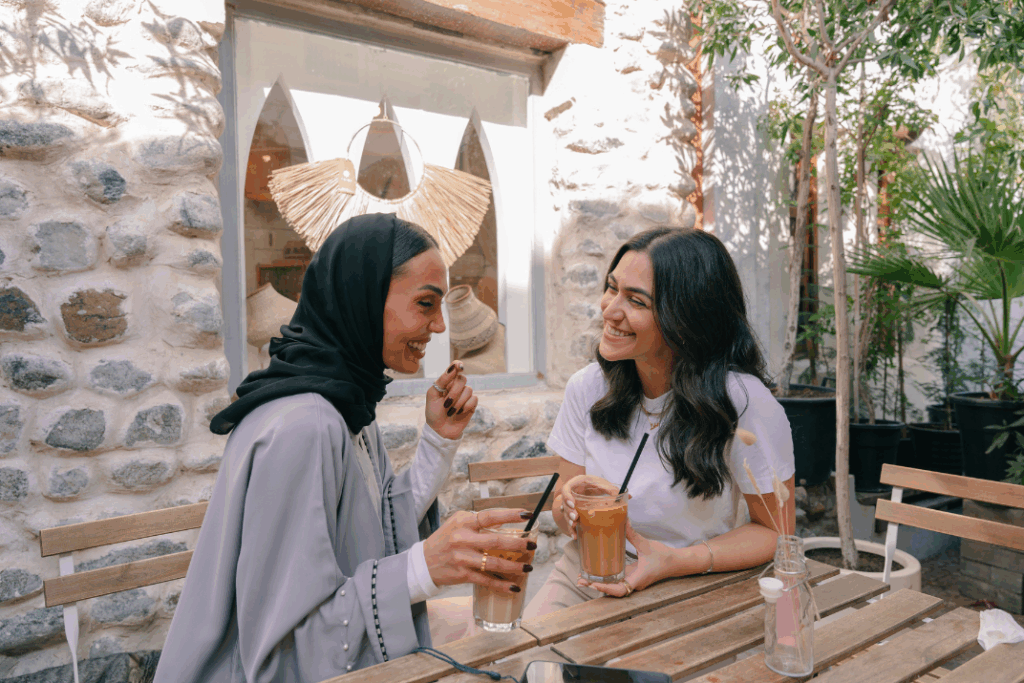
The people who know you beyond your titles and responsibilities are the ones who can help you navigate that terrain.
Yet despite this knowledge, many women in this life stage find themselves without a reliable circle of support. Not because they’ve failed—but because they’ve prioritized everything and everyone else for decades.
The Emotional Toll of “Fine”
One of the most common phrases you hear from women in midlife is “I’m fine.” It’s code for keeping it all together, for managing what needs to be managed, for pushing through. But “fine” isn’t the same as fulfilled. And over time, the emotional toll of being “fine” without real connection can manifest physically—fatigue, inflammation, insomnia, weight gain—and relationally, through misattunement or growing emotional distance.
This is the wake-up call: social wellness isn’t something you fix when everything else is done. It’s the foundation everything else rests on.
Rebuilding Your Social Health, Intentionally
So where do you start if your friendship muscles feel out of shape?
First, recognize that you’re not alone—or broken. Social wellness in midlife requires intention, not magic. It starts with a mindset shift: understanding that connection is as essential as your morning run or your annual check-up.
Then, begin where you are:
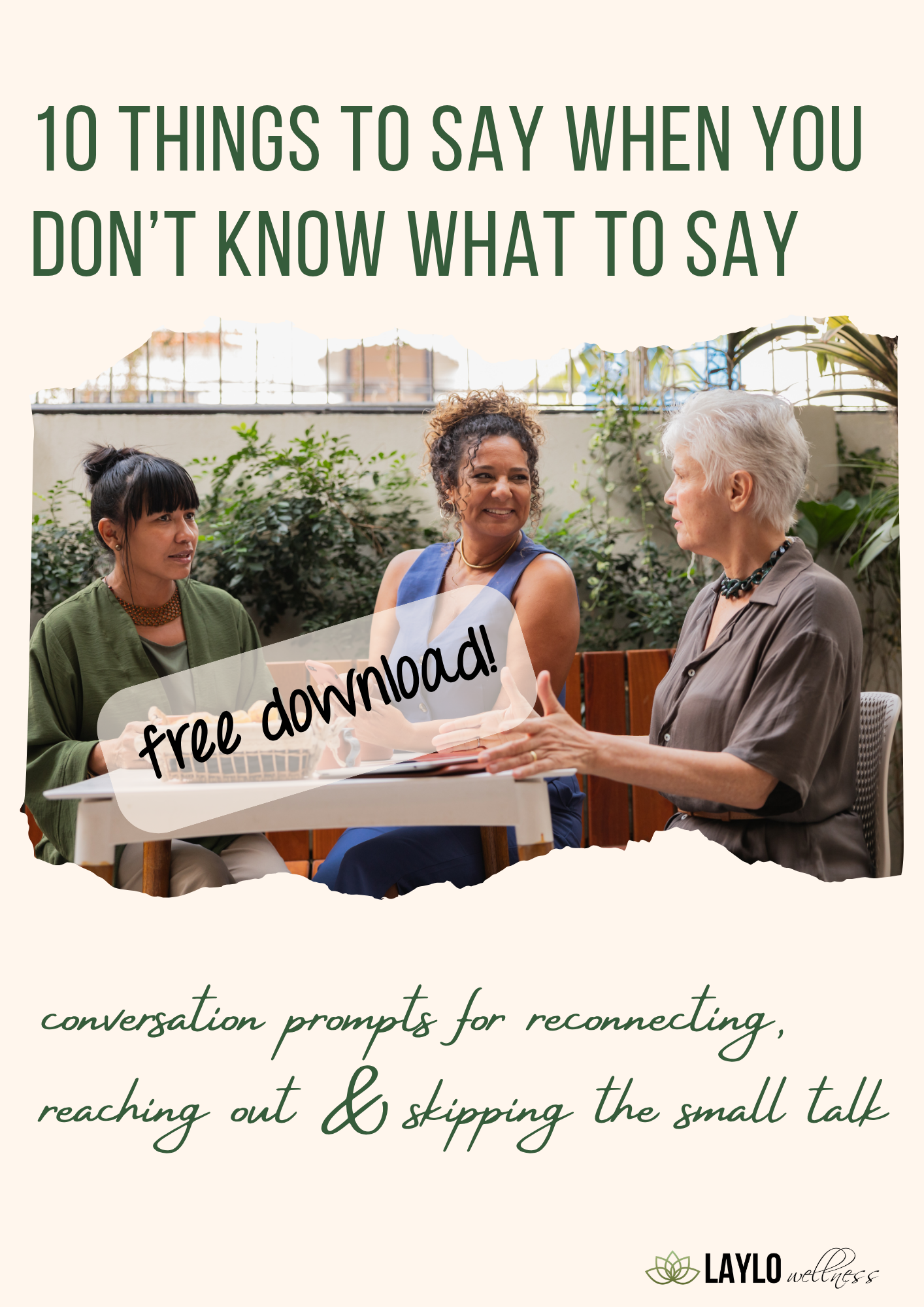
- Say something real. Small conversations are the seeds of deeper connection. If you’re unsure what to say, try a tool like “10 Things to Say When You Don’t Know What to Say.” These conversation starters are designed to help you move past small talk into real talk.
- Get in the room. Courses and communities like Friendship After 40: The Blueprint to Finding Your People provide structure and shared language. They’re not about forced bonding—they’re about giving women a chance to reconnect to themselves and each other.
- Prioritize immersion. Sometimes, you need a full reset. The Soul Sanctuary Retreat offers an intentional space where social wellness is integrated with rest, reflection, and real conversation. It’s not about escaping your life—it’s about returning to it more fully.
The Bottom Line: This Matters
If you’ve felt the nudge that something’s missing, pay attention. If your health feels “off” in ways you can’t name, consider that the missing piece might not be physical—it might be relational.
There’s no supplement for true friendship. No app that replaces being seen. No wellness tracker that can substitute for someone who checks in because they genuinely care.
Social wellness is not a side note. It’s the core.
And it’s never too late to tend to it.

You don’t have to choose between success and well-being. Step away from the chaos, reset your mind and body, and realign with what truly matters. Our wellness retreats, online courses, free resources give you the space to breathe, reflect, and design a life that feels fulfilling—without guilt, without compromise.
Be the first to know about upcoming retreats—join the info list for dates and details.
Let’s stay connected! Follow us on Instagram, Facebook, YouTube, LinkedIn, and Pinterest, and join the LAYLO Shala for exclusive updates and insights.