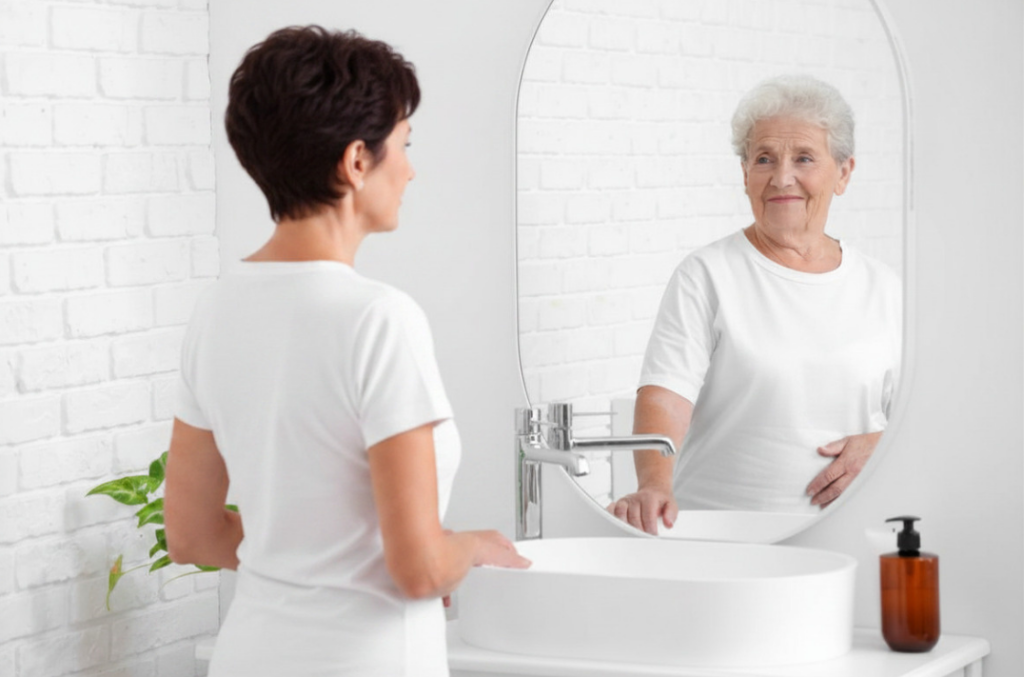
7 Smart Ways to Navigate Big Life Transitions

Big life transitions don’t arrive quietly.

A relationship ends. You move across the country. Someone you love is no longer here. A career that defined your days comes to a close.

Even the changes you chose, the ones you worked toward for years, can feel unsteady once you’re inside them.

You expect change. You might not expect how much disappears with it.

Routines fall away. Familiar faces are no longer part of your day. Places that once felt automatic now require effort. Even small decisions take more energy than they used to.

That’s where vulnerability starts to show up.

Your energy feels inconsistent. You spend more time alone than you meant to. There’s a quiet sense that something is off, even if you can’t immediately name it.

This pattern runs through most major transitions. One of the biggest – retirement – amplifies it.

Because retirement doesn’t only shift your schedule. It removes a structure that shaped how you spent your time for most of your adult life, who you interacted with, and how you measured your value.

Few people are prepared for that part.

Research shows the first year after retirement often brings a drop in mental well-being, especially when social interaction declines. At the same time, strong relationships remain one of the most reliable predictors of long-term health. Social isolation increases the risk of early death by nearly 30%.

When your focus is tied up in adjusting, your social and mental stability can slip without much warning.

That’s where people lose their footing.

This next phase requires more than filling time. It asks for intention.

Create Structure Before the Drift Sets In

When structure disappears, most people assume they’ll naturally find a new rhythm.

That rarely happens.

Open space feels good at first. Then days start to blur. You delay decisions. You tell yourself you’ll get organized once things feel more settled.

That delay stretches longer than expected.

Retirement brings this into sharp focus. Without built-in commitments, it becomes easy to move through the day without direction.

Structure brings shape back to your time.

Set anchors. A morning walk you don’t skip. A standing plan with someone else. A commitment that gets you out of your own head.

Consistency matters more than intensity here.

Reevaluate Your Relationships Without Holding Onto Old Versions

Transitions reveal which relationships were built on convenience.

Shared schedules, proximity, overlapping responsibilities—remove those, and some connections fade quickly.

That shift can feel personal, but usually it isn’t.

Many people at this stage notice their circle getting smaller. At the same time, meaningful relationships become more important for emotional stability and cognitive health.

This is where discernment comes in.

Notice who still feels easy to be around. Pay attention to who shows up without needing to be chased. Be honest about who no longer fits your life as it is now.

Let some relationships go without overanalyzing them.

Then make space for new ones that reflect who you’ve become.

Stop Waiting for Connection to Happen

Connection used to be built into your day.

Now it isn’t.

That shift requires a different level of effort. Not constant effort, just willingness to act.

Hesitation tends to creep in here. You think about reaching out, then talk yourself out of it. You assume people are busy, thinking, “I don’t want to feel like I am coming out of left field”.

So nothing happens.

Days pass. Then weeks. Connection shrinks quietly when it isn’t maintained.

Take the lead. Send the message. Suggest the plan. Follow up.

If that feels unfamiliar, that’s normal. Most people are out of practice. Tools like “10 Things to Say When You Don’t Know What to Say” help remove that initial friction so you can move forward without overthinking.

Relationships require movement. Without it, they stall.

Stay Engaged in Work That Uses Your Experience

Work provided you with more than income.

It gave structure, relevance, and a place where your input mattered.

When that disappears, something feels off, even if you can’t immediately explain why.

Staying engaged fills that gap in a meaningful way.

Mentoring, consulting, contributing to projects where your experience has weight—these keep you connected to a sense of usefulness.

Research links this kind of engagement to better mental health and longer life expectancy.

You don’t need a packed schedule. You need something that reminds you your experience still matters.

Keep Your Mind and Body Challenged

It’s easy to slide into comfort when demands drop.

Less movement. Fewer new experiences. Lower expectations. That shift adds up.

Cognitive function declines faster without stimulation. Physical strength follows a similar pattern, especially after 50.

Staying active requires intention.

Learn something unfamiliar. Revisit an old interest with fresh focus. Move your body in ways that demand effort.

Challenge keeps you engaged with yourself.

Expand Your Environment

A smaller routine often leads to a smaller world.

Same places, same conversations, same patterns on repeat.

Changing your environment interrupts that cycle.

Travel works, but it doesn’t need to be elaborate. A short trip, a new setting, even a different part of your own city can shift your perspective.

New environments stimulate the brain and increase overall satisfaction with life.

Movement changes how you think.

Decide What This Next Phase Looks Like

Some people move through transitions by default.

They fill time where they can. They react to what’s in front of them. Maybe even avoid making clear decisions about what they actually want.

That approach creates a low-level dissatisfaction that lingers.

This phase gives you space. What you do with it matters.

Think about how you want your days to feel. Consider who you want around you. Be honest about what no longer fits.

Clarity changes how you move.

Without it, you fall into patterns that don’t serve you. With it, you begin to shape something that does.

When Everything Changed, This Is What Made the Difference

There was a period in my own life where everything shifted at once. Relationship, location, identity. Nothing familiar to lean on.

What stood out wasn’t the big decisions. It was the small moments where nothing felt automatic.

I remember standing in a grocery store in a new city, staring at the shelves longer than necessary. Not confusion, just a lack of familiarity. Even basic routines were gone.

That loss of autopilot is part of every major transition.

What helped was deciding, deliberately, what stayed and what changed. Who I kept close. Where I put my energy. What I allowed into my life moving forward.

Those little decisions rebuilt stability over time and actually opened a new career path for me.

The same approach applies here.

And when it comes to rebuilding your social world, “Friendship After 40: The Blueprint to Finding Your People” offers a clear way to create connections that actually fit your life now.

Because the people around you will shape how this next phase feels.

LAYLO wellness centers social wellness—supported by mental clarity and movement—to help you live and work with more steadiness, connection, and longevity.

The LAYLO Editis where I share thoughtful, practical insight for real life.
Join for updates on upcoming experiences, including The LAYLO Collective, a small-group social wellness experience designed for real life, and Wellness Retreats.

Follow along on Instagram, Facebook, YouTube, LinkedIn, and Pinterest.
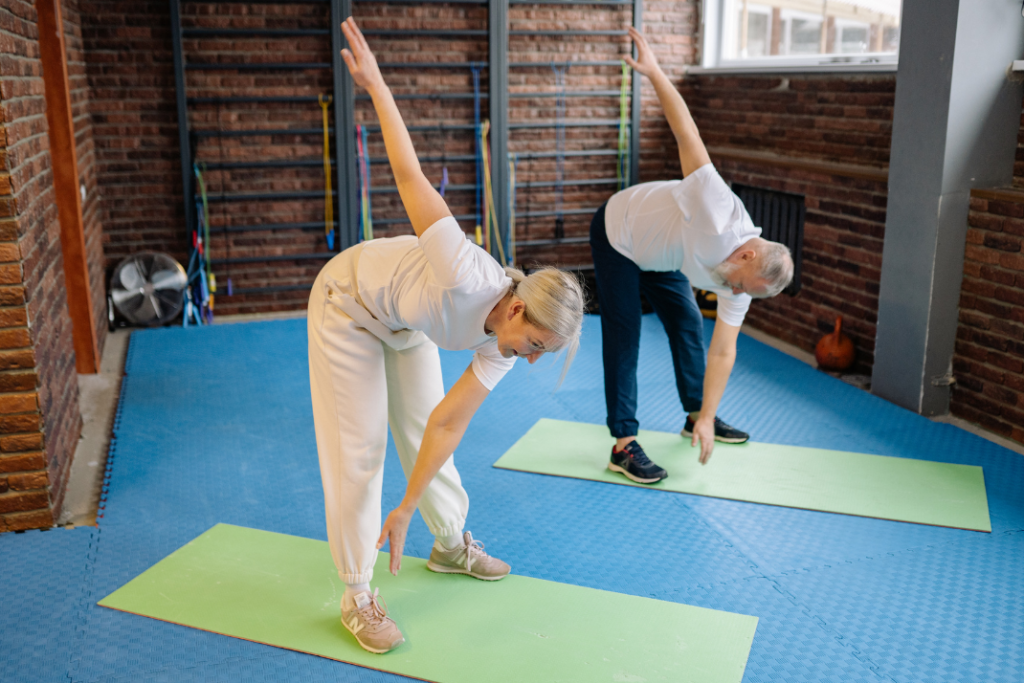
The Surprising Health Habit That Might Matter More Than Exercise

The Social Wellness Wake-Up Call

When we talk about wellness, we often jump straight to diet, exercise, or meditation.

But one of the most powerful, predictive indicators of long-term health isn’t a green juice or a workout regimen—it’s the strength of your relationships.

According to the Harvard Study of Adult Development, an ongoing 85-year study tracking the lives of hundreds of adults, the clearest predictor of a longer, healthier life isn’t cholesterol levels or career success. It’s connection. The quality of your relationships—particularly close friendships—correlates more closely with your physical health, emotional resilience, and even cognitive sharpness than almost any other factor.

And yet, friendships are the wellness habit we consistently ignore.

The Quiet Crisis of Disconnection

By the time you reach your 40s and 50s, the landscape of your social life has often shifted dramatically. The daily rhythms of raising children, managing careers, and caregiving for aging parents leave little time or space for cultivating meaningful connection. Many high-functioning, emotionally intelligent women—women who excel in every other area of life—are navigating this season with fewer close friendships than ever before.

Studies show that after the age of 40, women find it significantly harder to make new friends. A 2021 study published in the Journal of Social and Personal Relationships revealed that midlife adults report a steep decline in the number of people they consider confidants. For women, this loss is felt acutely: friendships have historically played a central role in female health and identity.

This isn’t just a social inconvenience—it’s a health hazard. Disconnection increases the risk of premature death at levels comparable to smoking 15 cigarettes a day, according to a meta-analysis by Brigham Young University.

Why Friendship Is Foundational, Not Optional

Connection isn’t a luxury—it’s a biological imperative. Relationships help regulate everything from heart rate to hormone levels. Close friendships can lower cortisol, reduce inflammation, and even bolster immune response.

What’s more, having people in your life who see you, who understand your history and your hopes, becomes especially important in midlife.

This is the season when roles shift—careers plateau, children leave, parents age—and the question of identity comes roaring to the surface.

The people who know you beyond your titles and responsibilities are the ones who can help you navigate that terrain.

Yet despite this knowledge, many women in this life stage find themselves without a reliable circle of support. Not because they’ve failed—but because they’ve prioritized everything and everyone else for decades.

The Emotional Toll of “Fine”

One of the most common phrases you hear from women in midlife is “I’m fine.” It’s code for keeping it all together, for managing what needs to be managed, for pushing through. But “fine” isn’t the same as fulfilled. And over time, the emotional toll of being “fine” without real connection can manifest physically—fatigue, inflammation, insomnia, weight gain—and relationally, through misattunement or growing emotional distance.

This is the wake-up call: social wellness isn’t something you fix when everything else is done. It’s the foundation everything else rests on.

Rebuilding Your Social Health, Intentionally

So where do you start if your friendship muscles feel out of shape?

First, recognize that you’re not alone—or broken. Social wellness in midlife requires intention, not magic. It starts with a mindset shift: understanding that connection is as essential as your morning run or your annual check-up.

Then, begin where you are:

  • Say something real. Small conversations are the seeds of deeper connection. If you’re unsure what to say, try a tool like 10 Things to Say When You Don’t Know What to Say. These conversation starters are designed to help you move past small talk into real talk.
  • Get in the room. Courses and communities like Friendship After 40: The Blueprint to Finding Your People provide structure and shared language. They’re not about forced bonding—they’re about giving women a chance to reconnect to themselves and each other.
  • Prioritize immersion. Sometimes, you need a full reset. The Soul Sanctuary Retreat offers an intentional space where social wellness is integrated with rest, reflection, and real conversation. It’s not about escaping your life—it’s about returning to it more fully.

The Bottom Line: This Matters

If you’ve felt the nudge that something’s missing, pay attention. If your health feels “off” in ways you can’t name, consider that the missing piece might not be physical—it might be relational.

There’s no supplement for true friendship. No app that replaces being seen. No wellness tracker that can substitute for someone who checks in because they genuinely care.

Social wellness is not a side note. It’s the core.

And it’s never too late to tend to it.

Warmly, Laura

You don’t have to choose between success and well-being. Step away from the chaos, reset your mind and body, and realign with what truly matters. Our wellness retreats, online courses, free resources give you the space to breathe, reflect, and design a life that feels fulfilling—without guilt, without compromise.

Be the first to know about upcoming retreats—join the info list for dates and details.

Let’s stay connected! Follow us on InstagramFacebookYouTubeLinkedIn, and Pinterest, and join the LAYLO Shala for exclusive updates and insights.

WHY MOVEMENT BUILDS MORE THAN MUSCLE AFTER 40

Evidence-based strategies to build strength, self-esteem, and social bonds in midlife.

As individuals reach their 40s and beyond, the benefits of physical activity go far beyond muscle tone and cardiovascular health.

Recent science shows that regular movement becomes a cornerstone for cultivating confidence, social courage, and psychological openness—qualities that enrich both physical wellness and interpersonal connection.

The Physical Foundation: Strength, Stability, and Resilience

At a physiological level, movement and strength training offer tangible, measurable advantages for adults over 40. In particular, resistance training supports bone density, critical for women who face increased osteoporosis risk during and after menopause. Studies show that strength training twice a week can significantly reduce the risk of fractures, improve insulin sensitivity, and boost metabolic rate even at rest. Women who engaged in consistent strength training saw up to a 4.5% increase in lean body mass and a 1–3% reduction in body fat within six months. Beyond body composition, movement improves joint stability, posture, and balance—directly reducing fall risk and supporting greater independence as people age. These gains form the bedrock on which emotional, social, and psychological benefits can grow.

The Confidence–Movement Connection

Physical activity is one of the most reliable ways to build self-regard in midlife. Multiple studies focused on adults aged 45–60 found that those with higher activity levels reported significantly better self-esteem. One systematic review of older adults concluded that every study showed regular physical activity improves self-esteem—whether walking, yoga, or moderate aerobic exercise.

Why does this matter? Because confidence acts as a gateway to social openness. When individuals feel physically capable, they’re more likely to engage in novel experiences and build new relationships. Exercise becomes a psychological workout as much as a physical one—each success builds self-efficacy, which spill over into social domains.

Movement Supports Social Engagement

This effect isn’t just hypothetical. Research from the 1970 British Cohort Study (participants tracked from their 40s) shows those who stayed involved in societies or clubs had 6% higher daily step counts and exercised about 30 minutes more weekly at age 46 compared to those who didn’t. Their lifestyle was shaped not only by fitness but by community ties that reinforced healthy habits.

This aligns with the “activity theory of aging,” which suggests staying socially active leads to better outcomes as people grow older. Physical activities often double as social rituals—group hikes, dance nights, pickleball meetups—that foster psychological well-being and sense of belonging.

Openness to New Experiences & Social Curiosity

One often-overlooked benefit of midlife movement is its impact on openness to experience—a trait linked to creativity, emotional awareness, and curiosity. Exercise, especially novel forms like dance or team sports, invites adults to try unfamiliar patterns, learn new skills, and meet different people. These experiences can stimulate the cognitive flexibility and fluid consciousness that define openness.

Dance as a Unique Catalyst

Dance offers a prime example of how movement enhances both physical and social pathways.

A variety of studies report that free-flow dance improves mood and confidence; choreographed dance strengthens brain structure; synchronized movement enhances social bonding and tolerance for discomfort (releasing endorphins that reinforce group solidarity).

Synchronized dance has been shown to foster closeness, raising individuals’ pain threshold—a signal that social connection is strengthened physiologically.

Dancing thus acts as a multifaceted tool: it offers aerobic fitness, group interaction, cognitive challenges, and collective emotion—all feeding into one another.

How Confidence and Social Engagement Reinforce Activity

This isn’t a one-way street. Confidence and community engagement reinforce consistent activity. For example, competitive—yet friendly—group environments can boost exercise adherence by 90%, compared with solo or “supportive-only” groups. And people embedded in social circles where physical activity is valued are more likely to keep their healthy routines over time.

This positive feedback loop—movement supports confidence; confidence encourages sociality; sociality sustains movement—becomes a virtuous cycle, especially relevant after 40.

Why It Matters Now

Statistics highlight why this synergy is urgent:

  • Americans over 40 who achieve top-tier activity levels can live 5.3 years longer. And up to 11 extra years if currently inactive people adopt high activity levels.
  • Even small improvements matter: every 1 bpm increase in resting heart rate in midlife correlates with higher mortality. Women who were most active from 20s to 40s showed a resting heart rate of ~72 bpm. The least active? ~78 bpm. That’s enough to impact longevity.

Beyond longevity, the mental-health implications are stark. Lower self-esteem, social disconnection, and reduced openness are features of isolative aging. It’s also linked to anxiety, depression, stress, and the urge to withdraw.

From Physiology to Connection

Let’s summarize the science pathway:

  1. Movement enhances neuroplasticity and sends fitness signals to the brain.
  2. This boosts physical self-concept and self-esteem, especially in midlife.
  3. Social components—clubs, group classes, dancing, sports—provide shared goals and community engagement that multiply confidence gains.
  4. Growing confidence makes one more open to group experiences and even competitive dynamics.
  5. Openness to experience increases, encouraging new forms of movement, interaction, and growth.
  6. Greater openness and connection feed back into routine movement, creating stability in habits and health.

How Movement Rewrites the Story of Midlife

Movement after 40 isn’t just about maintaining strength—it’s about building confidence, fostering curiosity, and nurturing meaningful connections. The metrics are clear: physical activity boosts self-esteem, encourages social engagement, supports mental resilience, and even extends lifespan. By embracing movement that includes community and variety, adults can create a self-reinforcing cycle of health and connection that reshapes their experience of midlife and beyond.

laylo wellness

You don’t have to choose between success and well-being. Step away from the chaos, reset your mind and body, and realign with what truly matters. Our wellness retreatsonline courses, and free resources give you the space to breathe, reflect, and design a life that feels fulfilling—without guilt, without compromise.

Be the first to know about upcoming retreats—join the info list for dates and details.

Let’s stay connected! Follow us on InstagramFacebookYouTubeLinkedIn, and Pinterest, and join the LAYLO Shala for exclusive updates and insights.