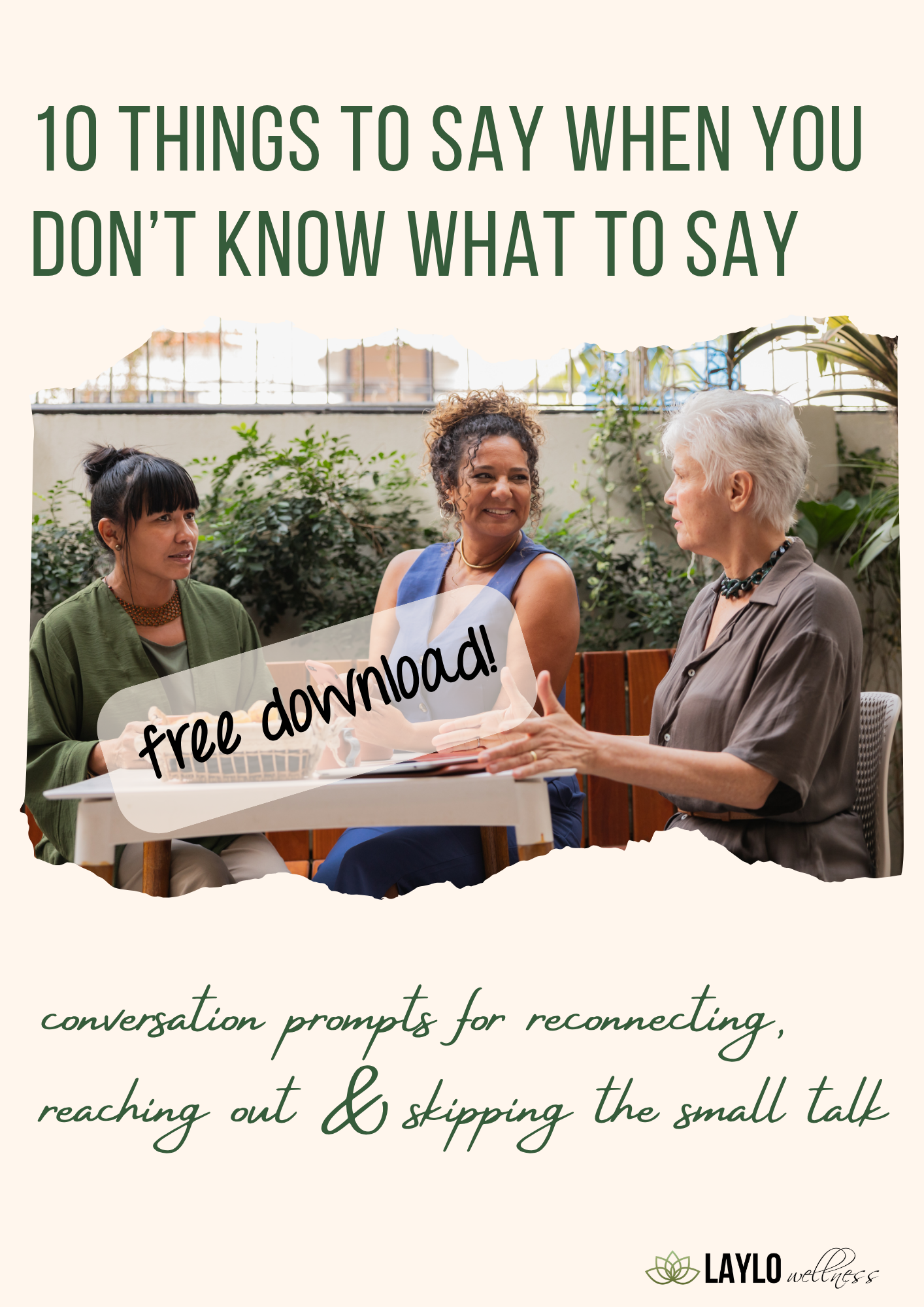
HOW TO RECOVER FROM SOCIAL DISCONNECTION

disconnection

That feeling of disconnection, that lack of a meaningful support network, affects more than just your daily mood.

It carries long-term consequences for your mental, physical, and emotional health. These effects often build quietly over time, showing up in ways that are easy to dismiss—until they’re not.

Shifting Social Landscapes

After 40, relationships often shift. Professional roles, caregiving responsibilities, and personal transitions can displace long-standing friendships. Even the most socially engaged individuals may find themselves without a consistent, dependable connection. This growing disconnection is not just a passing phase—it’s a health issue.

Mental Health Consequences

Research has made this clear. A 2023 study in the Journal of Health and Social Behavior found that adults with limited social ties had a 30 percent higher likelihood of developing symptoms associated with clinical depression. Disconnection disrupts emotional regulation and limits resilience, which in turn increases vulnerability to stress.

But the toll doesn’t stop at mood changes or motivation. Chronic stress—often a byproduct of lacking emotional support—elevates cortisol levels. Over time, that hormonal imbalance affects cognitive function, disrupts sleep, and impairs the immune system. Even memory and decision-making suffer, often without clear warning signs.

Physical Impact

Physically, the data is equally sobering. One study published in Circulation reported that poor social relationships are associated with a 29 percent increase in the risk of coronary heart disease and a 32 percent rise in the risk of stroke. These numbers aren’t anomalies. They reflect an ongoing, systemic challenge for midlife adults who struggle to maintain close, meaningful bonds.

Emotional Drain

There’s also the emotional erosion that disconnection creates. When daily life lacks companionship or meaningful exchanges, it becomes harder to process experiences. Small disappointments can feel amplified. Big decisions can feel paralyzing. Without someone to reflect with, the weight of ordinary life grows heavier.

The Health Spiral

These effects rarely occur in isolation. Instead, they create a compounding cycle. Elevated stress affects sleep. Poor sleep diminishes mental clarity and patience. Emotional exhaustion narrows perspective. The result is a feedback loop that reduces overall well-being—without any dramatic event triggering the decline.

Breaking the Cycle

What makes this particularly challenging is how normalized this condition has become. Many people assume that midlife simply comes with fewer social connections. But what’s often missing is intention. Friendships don’t fade due to time alone—they fade from lack of nurturing, reflection, and renewal.

Recognizing these risks is the first step toward protecting your health. The next is committing to re-engagement. Small, intentional steps can begin to reverse these trends. Scheduling regular meetups, expressing vulnerability, and investing in emotionally reciprocal conversations are all effective strategies. Reaching out to one person can be enough to reignite a dormant connection.

The Power of Environment

Environments matter, too. Immersive settings—away from daily demands—create the conditions where new bonds can take root more deeply.

That’s one reason why some midlife women seek out experiences designed to rebuild connection.

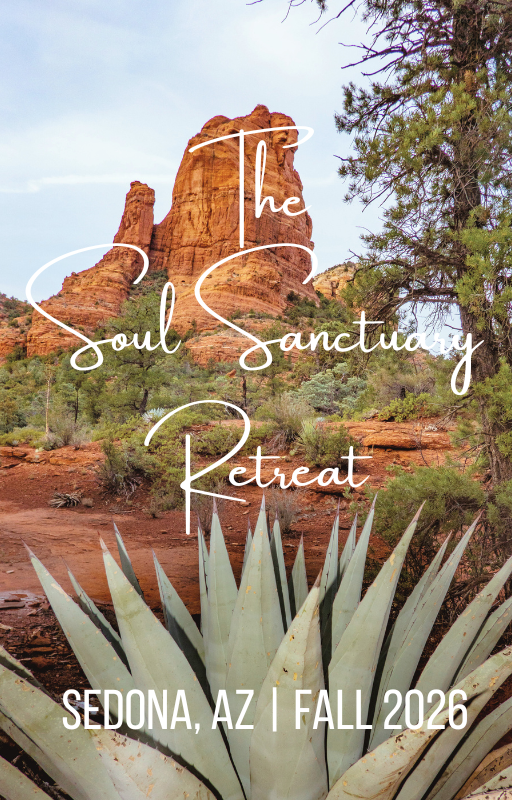
A well-designed retreat, for instance, allows for uninterrupted time, shared experiences, and structured reflection—key ingredients in forming lasting friendships.

sedona retreat to overcome disconnection

Health Through Connection

Most importantly, restoring connection isn’t about adding one more thing to an already full schedule. It’s about protecting long-term health and well-being. Creating time for real relationships is a form of health maintenance, not indulgence. Studies show that adults who engage regularly in mutual friendships experience improved cardiovascular health, stronger immunity, and higher life satisfaction.

Quiet Damage, Quiet Recovery

The costs of disconnection may be silent, but they are real. The benefits of reconnection are powerful—and well within reach. Taking that first step, even if it feels unfamiliar, has the potential to shift everything. For some, this may look like a thoughtful conversation. For others, it may mean joining a weekend designed to foster connection, like a retreat. Either way, what matters is the intention to reconnect.

laylo wellness

You don’t have to choose between success and well-being. Step away from the chaos, reset your mind and body, and realign with what truly matters. Our wellness retreats, online courses, and free resources give you the space to breathe, reflect, and design a life that feels fulfilling—without guilt, without compromise.

Be the first to know about upcoming retreats—join the info list for dates and details.

Let’s stay connected! Follow us on InstagramFacebookYouTubeLinkedIn, and Pinterest, and join the LAYLO Shala for exclusive updates and insights.
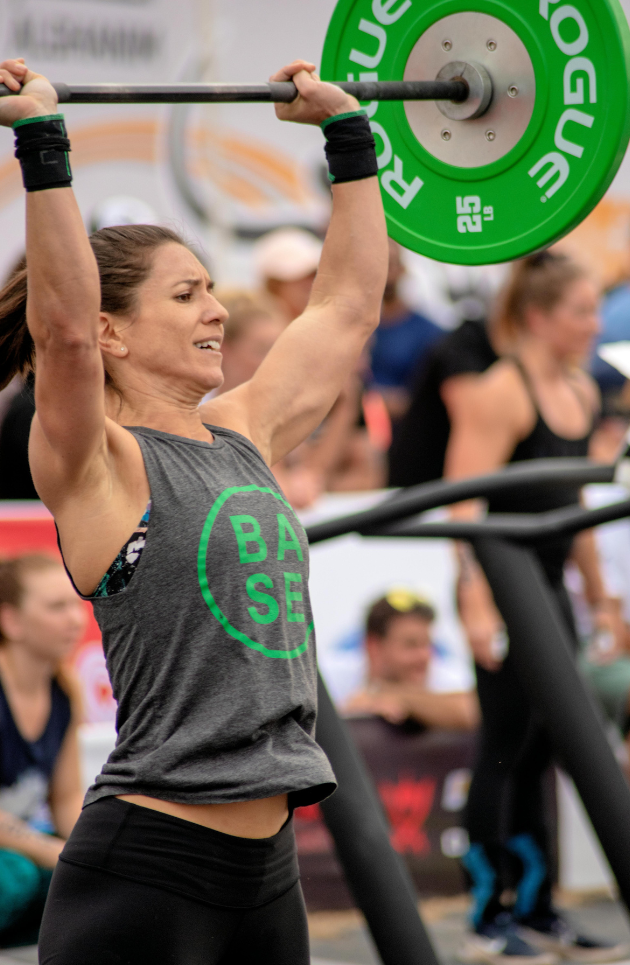
WHY MOVEMENT BUILDS MORE THAN MUSCLE AFTER 40

Evidence-based strategies to build strength, self-esteem, and social bonds in midlife.

As individuals reach their 40s and beyond, the benefits of physical activity go far beyond muscle tone and cardiovascular health.

Recent science shows that regular movement becomes a cornerstone for cultivating confidence, social courage, and psychological openness—qualities that enrich both physical wellness and interpersonal connection.

The Physical Foundation: Strength, Stability, and Resilience

At a physiological level, movement and strength training offer tangible, measurable advantages for adults over 40. In particular, resistance training supports bone density, critical for women who face increased osteoporosis risk during and after menopause. Studies show that strength training twice a week can significantly reduce the risk of fractures, improve insulin sensitivity, and boost metabolic rate even at rest. Women who engaged in consistent strength training saw up to a 4.5% increase in lean body mass and a 1–3% reduction in body fat within six months. Beyond body composition, movement improves joint stability, posture, and balance—directly reducing fall risk and supporting greater independence as people age. These gains form the bedrock on which emotional, social, and psychological benefits can grow.

The Confidence–Movement Connection

Physical activity is one of the most reliable ways to build self-regard in midlife. Multiple studies focused on adults aged 45–60 found that those with higher activity levels reported significantly better self-esteem. One systematic review of older adults concluded that every study showed regular physical activity improves self-esteem—whether walking, yoga, or moderate aerobic exercise.

Why does this matter? Because confidence acts as a gateway to social openness. When individuals feel physically capable, they’re more likely to engage in novel experiences and build new relationships. Exercise becomes a psychological workout as much as a physical one—each success builds self-efficacy, which spill over into social domains.

Movement Supports Social Engagement

This effect isn’t just hypothetical. Research from the 1970 British Cohort Study (participants tracked from their 40s) shows those who stayed involved in societies or clubs had 6% higher daily step counts and exercised about 30 minutes more weekly at age 46 compared to those who didn’t. Their lifestyle was shaped not only by fitness but by community ties that reinforced healthy habits.

This aligns with the “activity theory of aging,” which suggests staying socially active leads to better outcomes as people grow older. Physical activities often double as social rituals—group hikes, dance nights, pickleball meetups—that foster psychological well-being and sense of belonging.

Openness to New Experiences & Social Curiosity

One often-overlooked benefit of midlife movement is its impact on openness to experience—a trait linked to creativity, emotional awareness, and curiosity. Exercise, especially novel forms like dance or team sports, invites adults to try unfamiliar patterns, learn new skills, and meet different people. These experiences can stimulate the cognitive flexibility and fluid consciousness that define openness.

Dance as a Unique Catalyst

Dance offers a prime example of how movement enhances both physical and social pathways.

A variety of studies report that free-flow dance improves mood and confidence; choreographed dance strengthens brain structure; synchronized movement enhances social bonding and tolerance for discomfort (releasing endorphins that reinforce group solidarity).

Synchronized dance has been shown to foster closeness, raising individuals’ pain threshold—a signal that social connection is strengthened physiologically.

Dancing thus acts as a multifaceted tool: it offers aerobic fitness, group interaction, cognitive challenges, and collective emotion—all feeding into one another.

How Confidence and Social Engagement Reinforce Activity

This isn’t a one-way street. Confidence and community engagement reinforce consistent activity. For example, competitive—yet friendly—group environments can boost exercise adherence by 90%, compared with solo or “supportive-only” groups. And people embedded in social circles where physical activity is valued are more likely to keep their healthy routines over time.

This positive feedback loop—movement supports confidence; confidence encourages sociality; sociality sustains movement—becomes a virtuous cycle, especially relevant after 40.

Why It Matters Now

Statistics highlight why this synergy is urgent:

  • Americans over 40 who achieve top-tier activity levels can live 5.3 years longer. And up to 11 extra years if currently inactive people adopt high activity levels.
  • Even small improvements matter: every 1 bpm increase in resting heart rate in midlife correlates with higher mortality. Women who were most active from 20s to 40s showed a resting heart rate of ~72 bpm. The least active? ~78 bpm. That’s enough to impact longevity.

Beyond longevity, the mental-health implications are stark. Lower self-esteem, social disconnection, and reduced openness are features of isolative aging. It’s also linked to anxiety, depression, stress, and the urge to withdraw.

From Physiology to Connection

Let’s summarize the science pathway:

  1. Movement enhances neuroplasticity and sends fitness signals to the brain.
  2. This boosts physical self-concept and self-esteem, especially in midlife.
  3. Social components—clubs, group classes, dancing, sports—provide shared goals and community engagement that multiply confidence gains.
  4. Growing confidence makes one more open to group experiences and even competitive dynamics.
  5. Openness to experience increases, encouraging new forms of movement, interaction, and growth.
  6. Greater openness and connection feed back into routine movement, creating stability in habits and health.

How Movement Rewrites the Story of Midlife

Movement after 40 isn’t just about maintaining strength—it’s about building confidence, fostering curiosity, and nurturing meaningful connections. The metrics are clear: physical activity boosts self-esteem, encourages social engagement, supports mental resilience, and even extends lifespan. By embracing movement that includes community and variety, adults can create a self-reinforcing cycle of health and connection that reshapes their experience of midlife and beyond.

laylo wellness

You don’t have to choose between success and well-being. Step away from the chaos, reset your mind and body, and realign with what truly matters. Our wellness retreatsonline courses, and free resources give you the space to breathe, reflect, and design a life that feels fulfilling—without guilt, without compromise.

Be the first to know about upcoming retreats—join the info list for dates and details.

Let’s stay connected! Follow us on InstagramFacebookYouTubeLinkedIn, and Pinterest, and join the LAYLO Shala for exclusive updates and insights.
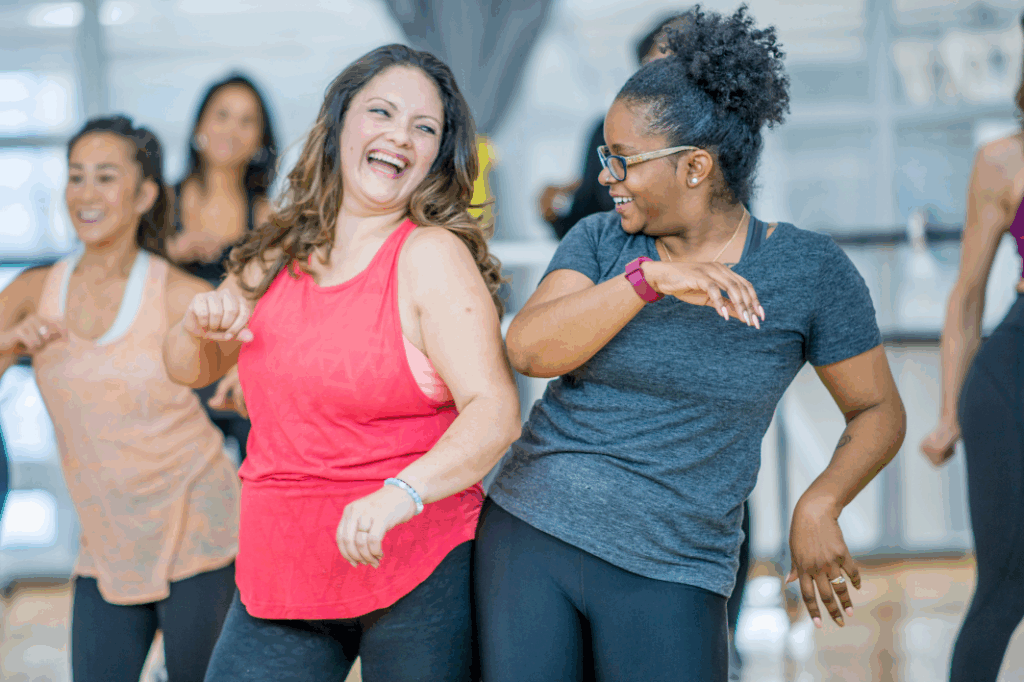
THE TRUTH ABOUT MAKING FRIENDS MIDLIFE

Why Building Bonds Feels Tougher in Midlife

First, we see shifts in priorities. Career demands peak. Parenting responsibilities weigh heavier. Self‑care routines fill gaps once reserved for socializing. Suddenly, friendship isn’t a free block in your calendar—it becomes something you must protect. Making friends midlife begins to take a backseat to all. the. things.

Second, behavioral outlook changes. After 40, many of us adopt a more selective mindset. We sense which relationships align with our values and goals. That clarity is powerful, but it also narrows the window for new connections. You’re not just meeting people—you’re hunting for deeper resonance. Consequently, casual conversations may feel surface‑level or unfulfilling.

Third, societal dynamics have evolved. Conventional ways to make friends—community gatherings, sports leagues, after‑hours meet‑ups—have eroded. Fewer working‑class events, decreased workplace socializing, and growing digital bubbles mean we encounter fewer strangers who could become close pals. These structural factors quiet the chance-to‑connect moments that built friendships in past decades.

Moreover, let’s consider solid data: 40 % of adults over 40 report having three or fewer close friends. Among those ages 50–59, nearly one‑fifth says they feel emotionally unsupported. Research links unresolved social disconnection to a 30 % higher risk of cardiovascular issues—and a 26 % greater risk of overall mortality. In short, friendships aren’t optional therapy—they support our health and well‑being after 40.

How COVID‑19 Changed the Landscape

Then came the pandemic. When lockdowns began in early 2020, our social world contracted overnight. Zoom chats and socially distanced walks substituted familiar routines. Many companies went remote, cutting out coffee‑break conversations and after‑work social mixers. Neighborhood promenades became cautious, masked encounters. The result? A temporary rupture of weak social ties—those casual connections that had untapped potential to deepen.

Today, that rupture lingers. Some former work colleagues or parent connections turned into acquaintances who drifted away. Others tried virtual meet‑ups but lost momentum without in‑person chemistry. For people in their 40s and 50s, whose routines already left little margin for social experimentation, this interruption had long‑term consequences. In surveys taken in 2023, nearly half of respondents over 45 said their primary social circles include fewer new people than they did before 2020.

Behavioral Tendencies That Follow a Social Pause

As normal life returned, the thinning of social circles created two reinforcing effects:

  1. Withdrawal from new opportunities – Many felt hesitant to attend in‑person events after two years of distancing. Anxiety about unpredictable schedules or obligations grew. It became easier to stick with the same few friends rather than risk disappointment.
  2. High expectations for connection – Our social discomfort made us value deeper bonds immediately. We wanted conversations that mattered. Quick chats at a networking event weren’t enough. So we often skipped social gatherings entirely, feeling they wouldn’t deliver.

These behaviors compound the cycle: fewer invitations lead to fewer connections, which cultivates higher social standards, which in turn discourages participation. We want more authentic friendships—but our structure makes them harder to build.

What Happens When We Don’t Act

Unresolved disconnection carries real implications. Inside Connection + Community, we reference studies showing:

  • Adults without a solid social network face 50 % greater risk of cognitive decline by age 65.
  • Stress‑related hormones remain elevated in people who report low perceived support.
  • Those who feel socially impeded experience 3× the rate of depression symptoms.

In short, it’s not about only-child status or occasional weekend boredom.

Our mental and physical wellness and longevity intertwine with having supportive relationships. Neglecting friendship can erode vitality—mentally and physically—over time.

Shifting the Midlife Momentum with Purpose

But there’s hope. With intention and support, it’s possible to reshape social patterns and grow meaningful relationships. That’s where our Connection + Community program becomes essential.

Here’s how it works:

  • Structured support — We guide you to identify friendship goals, then offer a framework to act on them.
  • Meaningful exposure — Meet other midlifers facing similar social challenges and desires for closeness.
  • Skill building — Learn conversation techniques tailored for low‑pressure, high‑resonance interactions.
  • Sustained accountability — Regular check‑ins ensure you don’t slip back into avoidance or perfectionism.

By addressing both inner barriers (mindsets) and external hurdles (time, opportunity), the program dismantles the barriers we’ve outlined—digital distance, selective behavior, structural constraints.

Why It’s More Effective Than Going It Alone

You could attempt this solo: the truth is, if you could do it solo, you would already have it handled. Like a boss! But that route often overlooks what makes midlife unique. What isn’t visible in the self-help route? Schedules that actually work for busy parents or professionals. Space to explore without overspending. Social chemistry at a slower, authentic pace.

Connection + Community provides that curated bridge. You’re not just “putting yourself out there”—you’re joining a group of people who understand your point in life. We craft experiences to foster trust, vulnerability, and mutual growth. This systematic approach makes new friendships less of a gamble and more of a natural progression.

Final Takeaway

Making friends after 40 no longer just happens; it requires choice and cultivation. Behaviors, career patterns, and the long shadow of COVID‑19 have created a steeper climb. Yet with structure and connection, deep, supportive companionship is achievable—and essential. If you’re ready to regain momentum and design friendships that reflect who you are today, Connection + Community opens the door. Let’s rebuild your social world together.

Looking forward to walking this path with you.

laylo wellness

You don’t have to choose between success and well-being. Step away from the chaos, reset your mind and body, and realign with what truly matters. Our wellness retreatsonline courses, and free resources give you the space to breathe, reflect, and design a life that feels fulfilling—without guilt, without compromise.

Be the first to know about upcoming retreats—join the info list for dates and details.

Let’s stay connected! Follow us on InstagramFacebookYouTubeLinkedIn, and Pinterest, and join the LAYLO Shala for exclusive updates and insights.
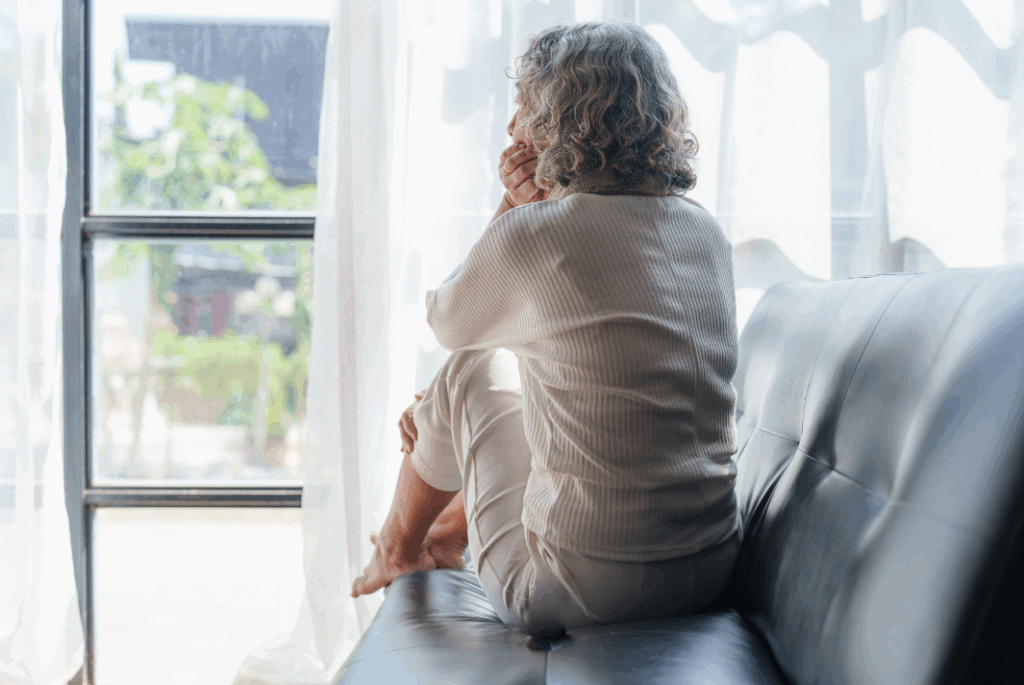
THE HIDDEN MENTAL STRAIN OF DISCONNECTION

DISCONNECTED

We often talk about mental wellness in terms of stress management, mindfulness, or self-care routines.

But there is a quieter, more insidious factor affecting mental health, especially for women in midlife: disconnection.

Disconnection disrupts emotional balance, clouds thinking, and erodes confidence, all while flying under the radar of daily awareness.

How Disconnection Disrupts Mental Health

For many people, especially those in the sandwich generation or navigating midlife, the competing demands of career, caregiving, and personal growth can allow social disconnection to quietly take hold. It doesn’t show up all at once, but gradually. It surfaces as decreased emotional resilience, trouble concentrating, irritability, or a dulling of joy. And the underlying cause can be surprisingly simple: a lack of consistent, meaningful connection.

According to a meta-analysis published in PLOS Medicine, weak social relationships increase the risk of early mortality by 50% — a rate comparable to smoking 15 cigarettes a day. While much of the conversation centers around physical health, the psychological burden is just as pressing. Disconnection impacts mood regulation, executive function, and stress hormone levels. Over time, this toll can manifest in ways that disrupt both mental clarity and emotional stability.

The Biological Toll of Disconnection

One 2023 study in the Journal of Health Psychology found that middle-aged women who reported low levels of social integration experienced significantly higher levels of cortisol, the body’s primary stress hormone. Elevated cortisol levels are linked with anxiety, memory lapses, and increased vulnerability to depression. This isn’t about a lack of social activity. It’s about the quality of connection.

Further research published in the American Journal of Psychiatry has shown that individuals who feel socially disconnected have a 60% higher risk of developing clinical depression. The authors note, “The absence of meaningful social bonds creates a vacuum where psychological distress thrives.” This is particularly significant for women in their 40s and 50s, who often juggle invisible labor and emotional caregiving roles, leaving little room for self-nourishing relationships.

Why Disconnection Grows in Midlife

As we age, maintaining high-quality relationships becomes both more vital and more complex. According to data from the Survey Center on American Life, 56% of women over 40 say their circle of close friends has shrunk in the past decade. Life transitions—moves, job changes, health challenges—can shrink our social networks without us even realizing it. The result is a growing sense of mental fatigue that many simply learn to live with.

This fatigue is not benign. Mental fatigue from disconnection can reduce motivation, increase emotional reactivity, and undermine confidence. It quietly conditions people to pull back, engage less, and accept a level of isolation that would have been unthinkable years earlier. This creates a feedback loop: the less connected someone feels, the harder it becomes to reach out.

The Physical and Cognitive Effects of Being Disconnected

Loneliness and social isolation have also been linked to increased inflammation, a known risk factor for many chronic conditions including heart disease, diabetes, and cognitive decline. A report from the National Institutes of Health highlights that “social isolation activates the body’s stress response, leading to systemic inflammation and long-term wear and tear on the body and brain.”

Interestingly, researchers at the University of Chicago found that social disconnection alters gene expression in immune cells, making people more susceptible to inflammation and disease. The study emphasized, “Social connection isn’t just a pleasant addition to life; it is a biological imperative.”

Moreover, disconnection has cognitive consequences. A 2021 study in Frontiers in Psychology observed that participants with fewer meaningful interactions showed declines in memory recall and decision-making speed. These aren’t just signs of aging—they are symptoms of social undernourishment.

Reversing the Mental Strain of Disconnection

The good news? This cycle can be interrupted—deliberately, and with grace.

Building emotional resilience in midlife isn’t about adding more to an already full plate. It’s about prioritizing what nourishes the mind and spirit.

That begins with reconnecting.

reconnection

Intentional reconnection may start with small shifts: a deeper question asked over coffee, a weekly walk with someone who “gets you,” or saying yes to an event designed to foster real connection. These aren’t indulgences. They are essentials.

Programs designed for reconnection aren’t just social experiences—they are mental wellness interventions. When someone participates in a space that emphasizes true connection, the brain benefits. Oxytocin, the neurochemical linked with trust and bonding, increases. So does serotonin, enhancing mood and emotional balance. A retreat or structured conversation series isn’t a luxury; it’s a recalibration.

Choose Connection to Support Mental Wellness

As a leader in social wellness, I see firsthand the quiet transformation that occurs when people invest in meaningful connection. They don’t just “feel better.” They think more clearly, make better decisions, and recover emotional energy that has long been depleted.

Reclaiming connection isn’t about chasing friendships of the past. It’s about intentionally shaping relationships that align with who we are now. And with the right tools and spaces, no one has to do it alone.

The hidden mental strain of feeling disconnected is real. But so is the relief and renewal that come from re-engaging with others in a way that is authentic, affirming, and enduring.

Connection is not a reward for having it all together. It’s the foundation that helps us hold everything else up.

laylo wellness

You don’t have to choose between success and well-being. Step away from the chaos, reset your mind and body, and realign with what truly matters. Our wellness retreats, online courses, and free resources give you the space to breathe, reflect, and design a life that feels fulfilling—without guilt, without compromise.

Be the first to know about upcoming retreats—join the info list for dates and details.

Let’s stay connected! Follow us on InstagramFacebookYouTubeLinkedIn, and Pinterest, and join the LAYLO Shala for exclusive updates and insights.
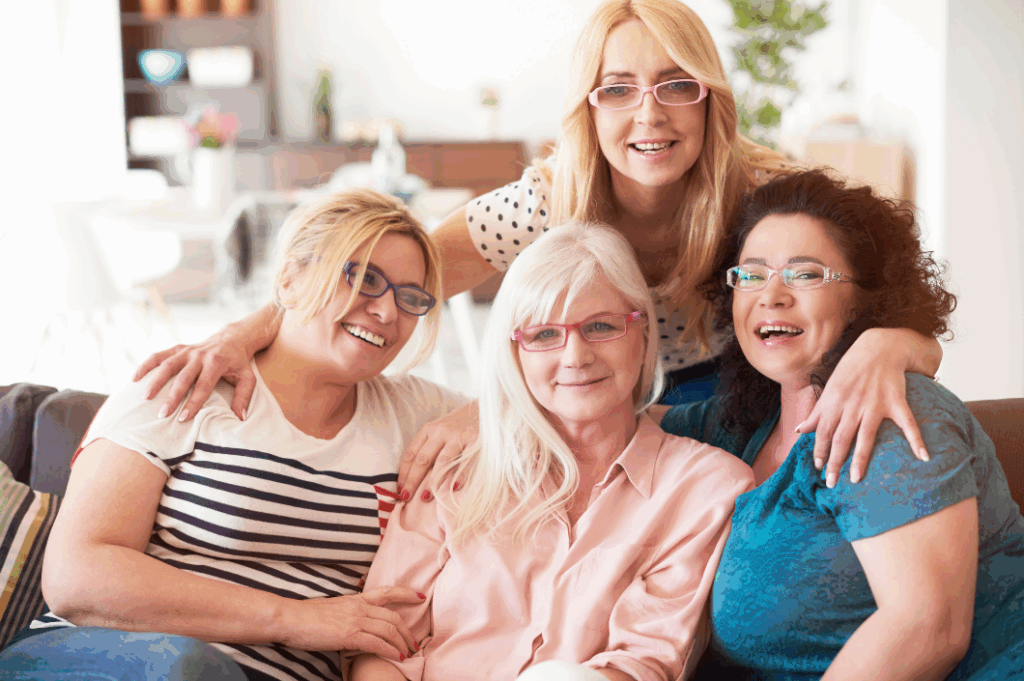
THE MYTH OF THE INDEPENDENT WOMAN: WHY WE STILL NEED EACH OTHER

independent woman

The Independent Woman.

We praise her. Admire her. Build entire cultural narratives around her.

She doesn’t ask for help. She handles her schedule, her family, her career—without complaint. You know she will move through crisis and burnout without missing a deadline. She makes it look easy.

But it’s not.

The image of the self-reliant, do-it-all woman may be aspirational, but it’s also a trap. Beneath the polish is a different truth: human beings are not wired to go it alone. Especially not in the second half of life, when connection becomes more than emotional support—it becomes a critical part of health, resilience, and identity.

So why are so many women still trying to carry it all?

Where the Myth Comes From

Being independent has long been marketed as the ultimate goal. Be your own boss. Own your choices. Don’t depend on anyone.

But somewhere along the way, independence turned into isolation. The same traits that help women succeed—efficiency, self-control, adaptability—can also make it harder to reach out, to ask for support, to admit that we’re craving something more.

Many professional women carry the belief that needing others equals weakness. That asking for help means you’re falling short. This belief is reinforced not only by the media, but also by decades of internalized messaging around self-sufficiency, performance, and perfection.

Being overly independent is costing us more than we realize.

The Hidden Roots of Hyper-Independence

For many women, the drive to handle everything alone isn’t just a personality trait—it’s a survival strategy rooted in early life experiences. Childhood emotional neglect, where caregivers consistently fail to meet a child’s emotional needs, can lead to profound effects on adult behavior.

When a child learns that expressing emotions or seeking support results in dismissal or indifference, they often adapt by becoming self-reliant. This adaptation, while protective in childhood, can manifest as hyper-independence in adulthood.

This form of hyper-independence is characterized by an ingrained emotional response to traumatic events, serving as a protective armor to guard against further harm and disappointment.

The High Cost of Disconnection

According to the U.S. Surgeon General’s 2023 advisory, lacking strong social connection increases the risk of premature death by over 60%. For women in midlife and beyond, the risks compound. During this life stage, physical health shifts, caregiving intensifies, and career demands peak—often all at once.

Without a strong support system, many women experience higher levels of anxiety, cardiovascular strain, and cognitive decline. A study published in PLOS Medicine found that individuals with low-quality social relationships were 1.5 times more likely to suffer from depression.

Even more compelling: emotional connection serves as a buffer against stress. Women with close, emotionally safe friendships show lower cortisol levels and improved immune function. These aren’t feel-good extras—they’re life-protecting variables.

We Still Need Each Other

The idea that you can (or should) do it all alone is outdated. The truth is, we need each other—more than ever. Connection isn’t just about conversation or social plans. It’s about being seen, understood, and supported in ways that feel real.

For women navigating career pressure, caregiving for aging parents, parenting adult children, and managing health transitions, support networks offer critical relief. But not just any kind of support—intentional, values-aligned, emotionally present relationships.

A 2022 study from the University of Michigan showed that women who maintained meaningful social ties had better memory retention and were more likely to engage in proactive healthcare practices. Emotional connection doesn’t just feel better—it leads to smarter decisions and more sustainable energy.

Why High-Achieving Women Resist Asking for Support

There’s often a gap between what independent women know they need and what they allow themselves to receive.

The resistance often sounds like:

  • “Everyone else is just as busy.”
  • “I should be able to handle this.”
  • “I don’t want to be a burden.”
  • “No one would really understand.”

These thoughts keep many women in cycles of overfunctioning and emotional suppression. It’s not that they don’t want connection—it’s that they’ve never been shown how to build it in a way that feels safe and sustainable.

The Shift Toward Interdependence

Interdependence is not dependence.

It’s not about losing autonomy. It’s about choosing mutual support—intentionally. The ability to show up as both strong and open. Capable and connected.

This shift often begins with a small question: Who really knows me right now?

If that list feels short, you’re not failing. You’re just waking up to a deeper need that’s long been unmet.

Building emotional connection later in life requires different tools than it did in your twenties. Proximity no longer creates closeness. Depth does. Shared values do. Curated spaces do.

Whether that’s through a facilitated group, an intentional course, or a peer-driven circle, finding the right people to walk beside you matters.

How to Begin (Without Overhauling Your Life)

You don’t need a dozen new friends. You need a few aligned people who see the world—and you—with clarity.

Here’s what that might look like:

  • Evaluate who you spend time with and how you feel afterward
  • Initiate conversations that go beyond logistics or small talk
  • Join spaces built around shared values, personal growth, or purpose-driven work
  • Let go of the pressure to “have it all together” in order to connect
  • Start where you are, with one relationship that feels worth investing in

These steps aren’t always comfortable. But they are essential.

Connection Is a Health Strategy

As we age, the stakes are different. Time becomes more valuable. Health becomes more fragile. Meaning becomes non-negotiable.

Building real connection is no longer a personal preference. It’s a health strategy. A leadership strategy. A path toward deeper fulfillment, not just more achievement.

The myth of the independent woman has served its purpose. It showed us what we’re capable of. But now, we need something more honest. More human.

You don’t need to be everything to everyone. You need to be fully yourself—with people who get it.

That’s where your energy returns. Where your clarity sharpens. Where your next chapter begins.

laylo yoga and wellness

You don’t have to choose between success and well-being. Step away from the chaos, reset your mind and body, and realign with what truly matters. Our wellness retreats, online courses, and free resources give you the space to breathe, reflect, and design a life that feels fulfilling—without guilt, without compromise.

Be the first to know about upcoming retreats—join the info list for dates and details.

Let’s stay connected! Follow us on InstagramFacebookYouTubeLinkedIn, and Pinterest, and join the LAYLO Shala for exclusive updates and insights.

INTENTIONS: THE SECRET TO A YEAR OF PURPOSE

As the calendar flips to a new year, many people eagerly set New Year’s resolutions.

These well-meaning commitments often focus on self-improvement—losing weight, exercising more, or saving money.

However, despite the initial enthusiasm, studies show that by the second Friday of January, known as “Quitters Day,” most resolutions have been abandoned.

According to a 2020 report by Strava, the social network for athletes, this day marks the point when motivation dwindles, and goals are left unmet. Many people set overly ambitious goals or lack a clear plan to achieve them, leading to feelings of overwhelm. As the initial excitement fades and real-life challenges arise, the gap between expectations and reality grows, causing many to lose their resolve.

The Challenge with Resolutions

New Year’s resolutions are typically outcome-focused and specific. While setting measurable goals has its merits, resolutions often lack flexibility and can lead to frustration when life inevitably throws curveballs. For instance, resolving to hit the gym five days a week might sound achievable on January 1, but by mid-January, the demands of daily life often derail these plans. The result? Feelings of failure and self-doubt.

Statistics underscore this trend. Research from the University of Scranton suggests that only 8% of people achieve their New Year’s resolutions. The issue lies not in setting goals but in the rigid, all-or-nothing mindset they often foster. This mindset stems from the pressure to achieve perfection, leaving little room for flexibility or setbacks. When individuals view a single misstep as failure, it can lead to abandoning the goal entirely, undermining long-term success and personal growth.

The Power of Intention

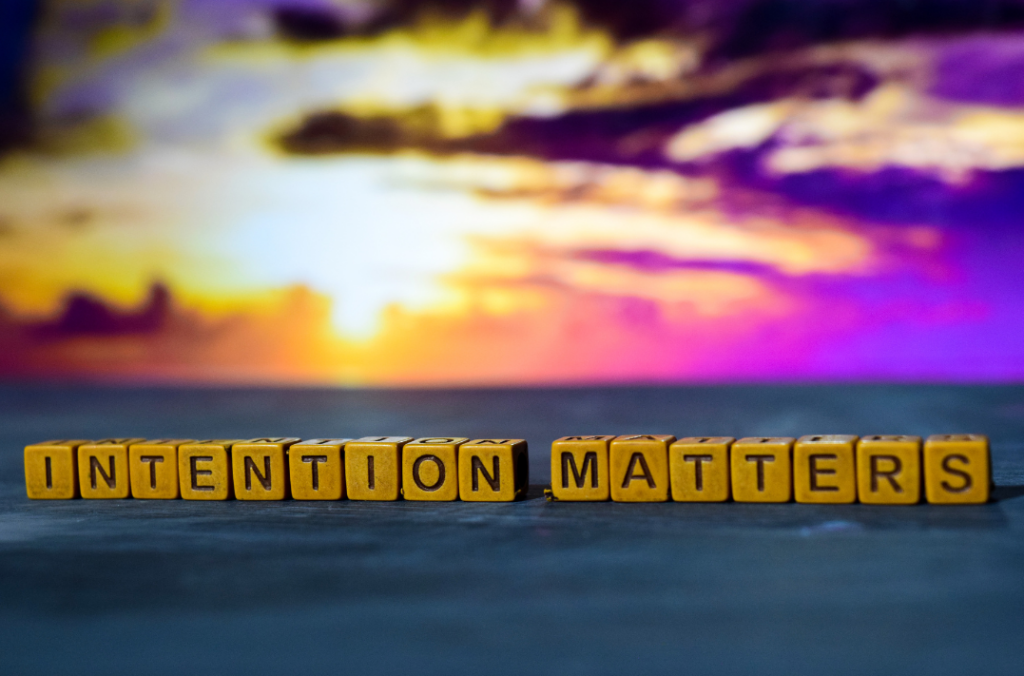
Rather than setting rigid resolutions, consider the practice of setting intentions.

An intention provides a guiding principle for how you want to live and feel throughout the year.

It’s less about achieving a specific outcome and more about aligning your actions with a greater purpose.

For example, instead of resolving to lose 20 pounds, you might set an intention to nurture your body. This shift allows for a variety of actions—eating nourishing foods, engaging in joyful movement, or prioritizing sleep—that align with your overarching purpose. Intentions are flexible and adaptable, which makes them more sustainable over time.

Why Intentions Work

Setting intentions taps into intrinsic motivation—the desire to do something because it aligns with your values and brings personal satisfaction. Research published in the journal Motivation and Emotion highlights the power of intrinsic motivation in sustaining long-term habits. When actions stem from a deeper purpose, they become more fulfilling and easier to maintain.

Additionally, intentions encourage mindfulness. By regularly reflecting on your intention, you stay present and connected to your goals, even when challenges arise. This practice can also enhance emotional resilience, helping you bounce back from setbacks more effectively.

Living with Purpose

A life without purpose can have detrimental effects on emotional and physical health. A 2019 study in JAMA Network Open found that individuals with a strong sense of purpose had a significantly lower risk of mortality and cardiovascular events. Purpose acts as a buffer against stress and provides a sense of direction, especially during difficult times.

Conversely, a lack of purpose can contribute to feelings of aimlessness, low self-worth, and even depression. The human need for meaning is deeply rooted, and neglecting it can lead to long-term dissatisfaction. By setting an intention, you create a touchstone that reminds you of what truly matters, fostering a sense of fulfillment and direction.

How to Set an Intention for the Year

  1. Reflect on Your Values: What matters most to you? Consider your priorities, passions, and the areas of life where you’d like to grow.
  2. Choose a Guiding Word or Phrase: Summarize your intention in a simple, inspiring way. Words like “balance,” “growth,” or “connection” can serve as daily reminders of your purpose.
  3. Visualize Your Ideal Life: Imagine how living in alignment with your intention would feel. Visualization can help cement your commitment and inspire actionable steps.
  4. Create Daily Practices: Incorporate small, meaningful actions that align with your intention. These could include journaling, meditating, or setting boundaries to protect your time and energy.
  5. Revisit and Adjust: Life evolves, and so can your intention. Regularly check in with yourself to ensure your intention still resonates and adapt as needed.

Embracing Intentions Over Resolutions

Intentions empower you to approach personal growth with compassion and flexibility. Unlike resolutions, which often hinge on external outcomes, intentions foster an internal shift that can ripple across all areas of your life. They encourage you to live purposefully, even when the path isn’t linear.

This year, as you consider what you want to accomplish, think beyond resolutions. Set an intention that aligns with your values and provides a sense of purpose. Start today by reflecting on what truly matters to you and taking the first small step toward a more meaningful year. Not only will it enhance your well-being, but it will also inspire meaningful and lasting change. With intention as your guide, the new year becomes an opportunity to cultivate a life of authenticity, balance, and joy.

laylo yoga and wellness

You don’t have to choose between success and well-being. Step away from the chaos, reset your mind and body, and realign with what truly matters. Our wellness retreats, online courses, and free resources give you the space to breathe, reflect, and design a life that feels fulfilling—without guilt, without compromise.

Be the first to know about upcoming retreats—join the info list for dates and details.

Let’s stay connected! Follow us on InstagramFacebookYouTubeLinkedIn, and Pinterest, and join the LAYLO Shala for exclusive updates and insights.