Evidence-based strategies to build strength, self-esteem, and social bonds in midlife.
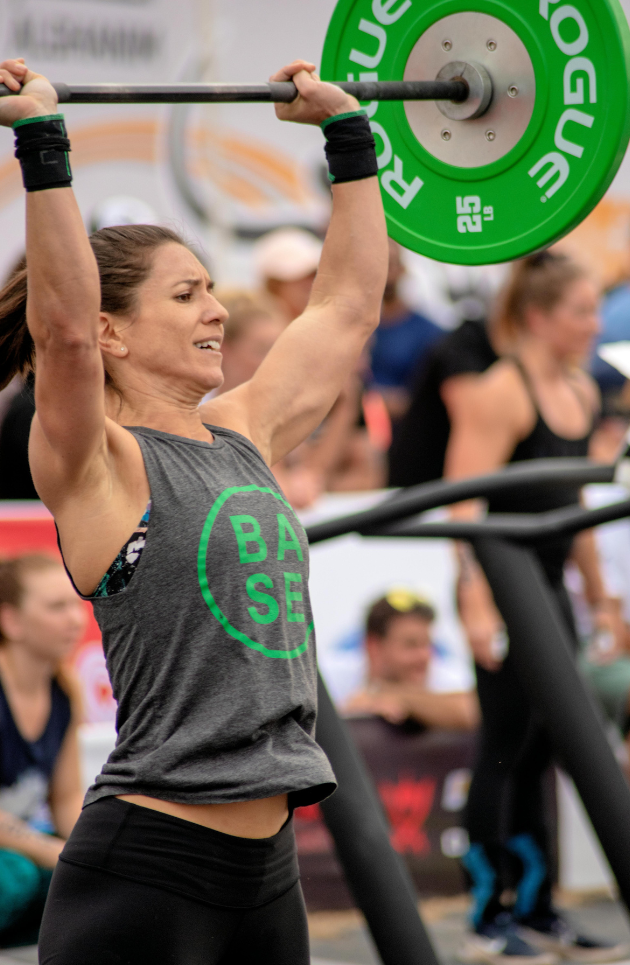
As individuals reach their 40s and beyond, the benefits of physical activity go far beyond muscle tone and cardiovascular health.
Recent science shows that regular movement becomes a cornerstone for cultivating confidence, social courage, and psychological openness—qualities that enrich both physical wellness and interpersonal connection.
The Physical Foundation: Strength, Stability, and Resilience
At a physiological level, movement and strength training offer tangible, measurable advantages for adults over 40. In particular, resistance training supports bone density, critical for women who face increased osteoporosis risk during and after menopause. Studies show that strength training twice a week can significantly reduce the risk of fractures, improve insulin sensitivity, and boost metabolic rate even at rest. Women who engaged in consistent strength training saw up to a 4.5% increase in lean body mass and a 1–3% reduction in body fat within six months. Beyond body composition, movement improves joint stability, posture, and balance—directly reducing fall risk and supporting greater independence as people age. These gains form the bedrock on which emotional, social, and psychological benefits can grow.
The Confidence–Movement Connection
Physical activity is one of the most reliable ways to build self-regard in midlife. Multiple studies focused on adults aged 45–60 found that those with higher activity levels reported significantly better self-esteem. One systematic review of older adults concluded that every study showed regular physical activity improves self-esteem—whether walking, yoga, or moderate aerobic exercise.
Why does this matter? Because confidence acts as a gateway to social openness. When individuals feel physically capable, they’re more likely to engage in novel experiences and build new relationships. Exercise becomes a psychological workout as much as a physical one—each success builds self-efficacy, which spill over into social domains.
Movement Supports Social Engagement
This effect isn’t just hypothetical. Research from the 1970 British Cohort Study (participants tracked from their 40s) shows those who stayed involved in societies or clubs had 6% higher daily step counts and exercised about 30 minutes more weekly at age 46 compared to those who didn’t. Their lifestyle was shaped not only by fitness but by community ties that reinforced healthy habits.
This aligns with the “activity theory of aging,” which suggests staying socially active leads to better outcomes as people grow older. Physical activities often double as social rituals—group hikes, dance nights, pickleball meetups—that foster psychological well-being and sense of belonging.
Openness to New Experiences & Social Curiosity
One often-overlooked benefit of midlife movement is its impact on openness to experience—a trait linked to creativity, emotional awareness, and curiosity. Exercise, especially novel forms like dance or team sports, invites adults to try unfamiliar patterns, learn new skills, and meet different people. These experiences can stimulate the cognitive flexibility and fluid consciousness that define openness.
Dance as a Unique Catalyst
Dance offers a prime example of how movement enhances both physical and social pathways.
A variety of studies report that free-flow dance improves mood and confidence; choreographed dance strengthens brain structure; synchronized movement enhances social bonding and tolerance for discomfort (releasing endorphins that reinforce group solidarity).
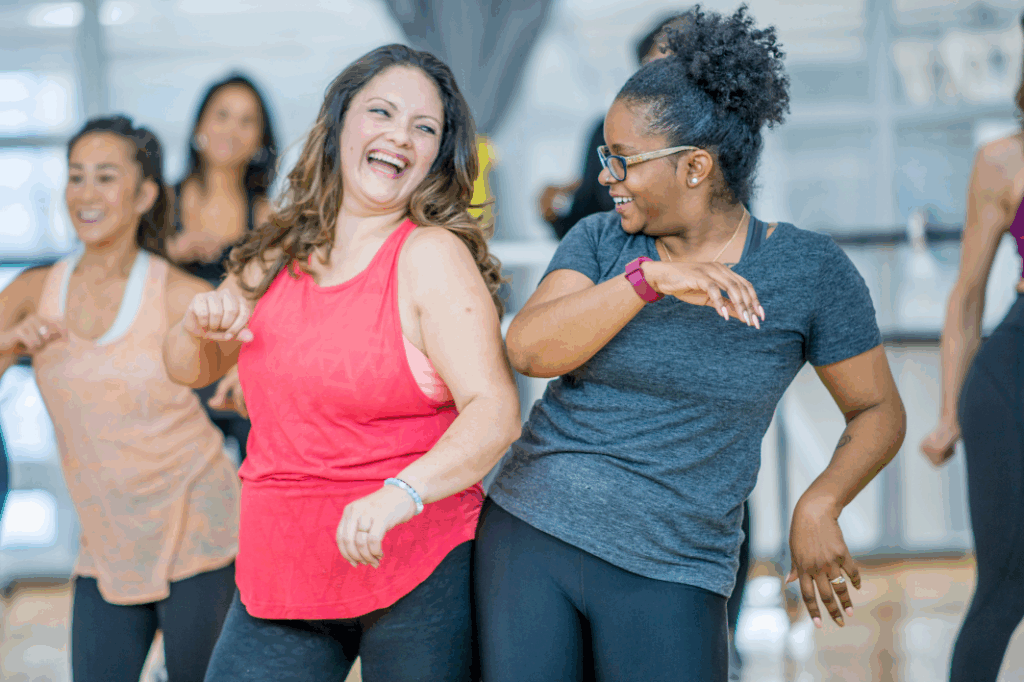
Synchronized dance has been shown to foster closeness, raising individuals’ pain threshold—a signal that social connection is strengthened physiologically.
Dancing thus acts as a multifaceted tool: it offers aerobic fitness, group interaction, cognitive challenges, and collective emotion—all feeding into one another.
How Confidence and Social Engagement Reinforce Activity
This isn’t a one-way street. Confidence and community engagement reinforce consistent activity. For example, competitive—yet friendly—group environments can boost exercise adherence by 90%, compared with solo or “supportive-only” groups. And people embedded in social circles where physical activity is valued are more likely to keep their healthy routines over time.
This positive feedback loop—movement supports confidence; confidence encourages sociality; sociality sustains movement—becomes a virtuous cycle, especially relevant after 40.
Why It Matters Now
Statistics highlight why this synergy is urgent:
- Americans over 40 who achieve top-tier activity levels can live 5.3 years longer. And up to 11 extra years if currently inactive people adopt high activity levels.
- Even small improvements matter: every 1 bpm increase in resting heart rate in midlife correlates with higher mortality. Women who were most active from 20s to 40s showed a resting heart rate of ~72 bpm. The least active? ~78 bpm. That’s enough to impact longevity.
Beyond longevity, the mental-health implications are stark. Lower self-esteem, social disconnection, and reduced openness are features of isolative aging. It’s also linked to anxiety, depression, stress, and the urge to withdraw.
From Physiology to Connection
Let’s summarize the science pathway:
- Movement enhances neuroplasticity and sends fitness signals to the brain.
- This boosts physical self-concept and self-esteem, especially in midlife.
- Social components—clubs, group classes, dancing, sports—provide shared goals and community engagement that multiply confidence gains.
- Growing confidence makes one more open to group experiences and even competitive dynamics.
- Openness to experience increases, encouraging new forms of movement, interaction, and growth.
- Greater openness and connection feed back into routine movement, creating stability in habits and health.
How Movement Rewrites the Story of Midlife
Movement after 40 isn’t just about maintaining strength—it’s about building confidence, fostering curiosity, and nurturing meaningful connections. The metrics are clear: physical activity boosts self-esteem, encourages social engagement, supports mental resilience, and even extends lifespan. By embracing movement that includes community and variety, adults can create a self-reinforcing cycle of health and connection that reshapes their experience of midlife and beyond.

You don’t have to choose between success and well-being. Step away from the chaos, reset your mind and body, and realign with what truly matters. Our wellness retreats, online courses, and free resources give you the space to breathe, reflect, and design a life that feels fulfilling—without guilt, without compromise.
Be the first to know about upcoming retreats—join the info list for dates and details.
Let’s stay connected! Follow us on Instagram, Facebook, YouTube, LinkedIn, and Pinterest, and join the LAYLO Shala for exclusive updates and insights.