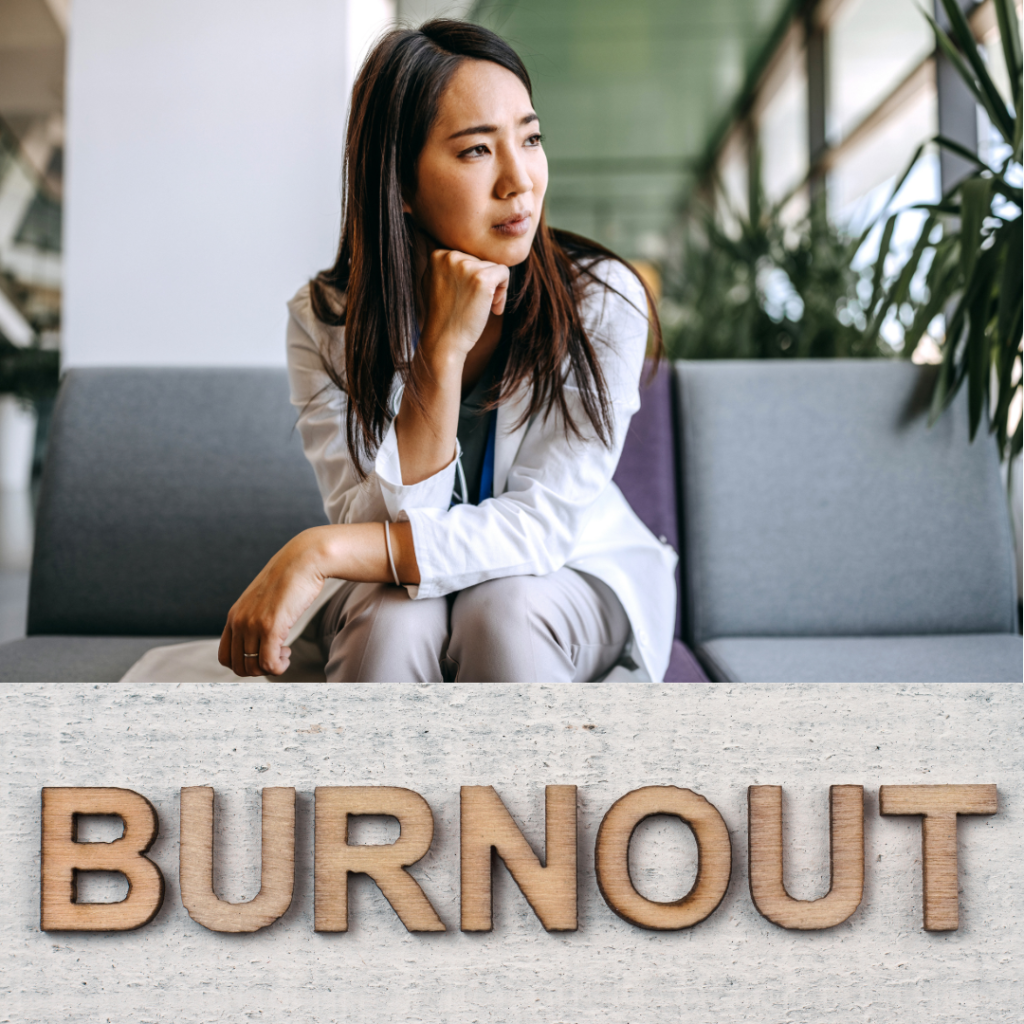
THE HIDDEN BURNOUT TRIGGERS DRAINING YOUR ENERGY

Burnout is a growing concern in today’s fast-paced world, affecting individuals across various demographics.

Characterized by emotional exhaustion, depersonalization, and a diminished sense of personal accomplishment, burnout is a state of chronic stress that can severely impact your health, productivity, and quality of life.

Among the myriad causes of burnout, job stress and family responsibilities, including caring for children, grandchildren, and aging parents, are particularly significant. And of critical importance to note, these responsibilities are often things we are happy to do. At first.

The ongoing nature of the tasks involved, the gradual squeezing out of any time for yourself, and the general expectation that you will continue at this pace indefinitely, is often what pushes people from “glad to help” to “how do I get the hell out of here?!”

Let’s dive into these causes, who is affected, and examine why burnout tends to be more pronounced among women.

Job Stress: A Primary Culprit

Job stress is a major contributor to burnout, with numerous studies underscoring its pervasive impact. According to the American Psychological Association (APA), 79% of Americans report experiencing work-related stress.

Key factors contributing to job stress include:

  1. High Workload: Excessive work demands, tight deadlines, and long hours are commonplace in many industries, leading to chronic stress.
  2. Lack of Control: Employees often feel powerless in their roles, lacking control over their work processes or decisions, which exacerbates stress.
  3. Unclear Job Expectations: Uncertain expectations and inconsistent feedback can create confusion and anxiety.
  4. Work-Life Imbalance: The blurring of boundaries between work and personal life, especially with the rise of remote work, makes it challenging to disengage from job-related stressors.

A 2022 Gallup survey revealed that 44% of employees experience significant job-related stress daily, emphasizing the widespread nature of this issue.

Family Responsibilities: The Added Burden

While the World Health Organization categorizes burnout as an “occupational phenomenon”, there is far more to it than that. In addition to job stress, family responsibilities significantly contribute to burnout.

Caring for children, grandchildren, and aging parents presents unique challenges that can strain an individual’s emotional and physical resources.

  1. Childcare: Parenting demands constant attention, emotional support, and physical care, which can be exhausting. According to the Pew Research Center, 41% of working parents find it difficult to manage work and family responsibilities.
  2. Grandparenting: Many grandparents are stepping in to provide childcare, a trend that has increased during the COVID-19 pandemic. The American Grandparents Association reports that nearly 7.8 million children in the U.S. live in households headed by grandparents.
  3. Elder Care: Caring for aging parents involves managing medical appointments, providing daily care, and handling financial and legal matters. AARP estimates that about 53 million Americans are unpaid caregivers, with many reporting high levels of stress.

The Gender Disparity: Why Burnout is Worse for Women

While burnout affects everyone, it disproportionately impacts women due to a combination of societal expectations, workplace dynamics, and family responsibilities.

  1. Societal Expectations: Women often face societal pressure to excel both at work and in their roles as caregivers, leading to unrealistic expectations and chronic stress.
  2. Workplace Inequality: Despite advancements, women still encounter gender discrimination, pay disparities, and limited career advancement opportunities. The World Economic Forum reports that women are less likely to hold senior positions, contributing to job dissatisfaction and burnout.
  3. Double Burden: Women are more likely to shoulder the majority of household and caregiving responsibilities. The International Labour Organization notes that women perform 76.2% of total hours of unpaid care work, significantly more than men.
  4. Emotional Labor: Women are often expected to manage the emotional needs of their families, adding another layer of stress. This invisible labor includes everything from planning family activities to providing emotional support.

A 2020 study by Lean In and McKinsey & Company found that 1 in 4 women were considering downshifting their careers or leaving the workforce due to burnout, highlighting the severe impact of these combined stressors.

What burnout is not

It’s important to understand that burnout it not just a bad day or even a bad week. It’s more than working long hours or juggling too many tasks. These are contributing factors of course.

It is the prolonged nature of these challenges that turn a rough patch into burnout. It’s why taking breaks, setting boundaries, and learning effective coping strategies are so critical.

How do you know if you are experiencing burnout or are headed that way? Take a moment to reflect and honestly ask yourself the following questions:

Emotional Exhaustion

  1. Do I feel emotionally drained and depleted most of the time?
  2. Do I find it difficult to muster the energy to start or complete tasks?
  3. Am I feeling overwhelmed by my responsibilities and tasks?

Physical Symptoms

  1. Am I experiencing frequent headaches, stomach issues, or other physical symptoms that weren’t there before?
  2. Do I feel constantly tired, even after getting enough sleep?
  3. Have my sleep patterns changed significantly (trouble falling asleep, staying asleep, or sleeping too much)?

Cognitive Symptoms

  1. Is it hard for me to concentrate or make decisions?
  2. Do I find myself forgetting things more often than usual?
  3. Am I experiencing a sense of detachment or feeling disconnected from my surroundings or activities?

Emotional Symptoms

  1. Have I become more irritable, impatient, or short-tempered with others?
  2. Do I feel a sense of apathy or lack of interest in things I used to enjoy?
  3. Am I feeling a persistent sense of hopelessness or helplessness?

Behavioral Changes

  1. Have I noticed any changes in my eating habits, such as eating significantly more or less than usual?
  2. Am I withdrawing from social activities or isolating myself from friends and family?
  3. Have my work habits changed, such as procrastinating more or being less productive?

Attitude Towards Work

  1. Do I feel a sense of dread about going to work or starting my workday?
  2. Am I feeling cynical or negative about my job or work environment?
  3. Do I feel unappreciated or undervalued in my work?

Overall Satisfaction

  1. Do I feel a lack of accomplishment or a sense of ineffectiveness in my work or personal life?
  2. Am I questioning whether my work or efforts are making a difference?

Personal Reflection

  1. Am I struggling to find a sense of purpose or meaning in my daily activities?
  2. Do I feel that my work-life balance is heavily skewed or non-existent?
  3. Am I neglecting self-care and not taking time for activities that I find relaxing or enjoyable?

Answering “yes” to several of these questions might indicate that you are experiencing burnout. If this is the case, it may be beneficial to seek support, whether through speaking with a supervisor about your workload, consulting a mental health professional, or finding ways to incorporate more rest and self-care into your routine.

Burnout is real!

Burnout is a multifaceted issue influenced by job stress and extensive family responsibilities. Understanding the underlying causes is crucial for developing effective strategies to mitigate its impact.

For women, the challenge is particularly acute due to the compounded pressures of professional and personal expectations.

Addressing burnout requires a holistic approach that includes workplace reforms, societal support systems, and a shift in cultural norms to promote a more balanced and equitable distribution of responsibilities.

laylo yoga and wellness

You don’t have to choose between success and well-being. Step away from the chaos, reset your mind and body, and realign with what truly matters. Our wellness retreats, online courses, and free resources give you the space to breathe, reflect, and design a life that feels fulfilling—without guilt, without compromise.

Be the first to know about upcoming retreats—join the info list for dates and details.

Let’s stay connected! Follow us on Instagram, Facebook, YouTube, LinkedIn, and Pinterest, and join the LAYLO Shala for exclusive updates and insights.


BUSTING BURNOUT MYTHS

BURNOUT

Unmasking Burnout: Debunking Common Myths

Burnout is an increasingly recognized issue in our fast-paced world, but it’s also widely misunderstood.

Many people attribute burnout to simple dissatisfaction with one’s job or believe it’s solely a job-related issue.

These misconceptions can hinder effective prevention and recovery. Let’s delve into what burnout truly is, what it is not, and debunk some prevalent myths.

Understanding Burnout

Burnout is a state of chronic physical and emotional exhaustion. It is often accompanied by feelings of cynicism and detachment from work or personal life, as well as a sense of reduced accomplishment. It was first recognized in the 1970s by psychologist Herbert Freudenberger, who observed it in professions with high stress levels.

Today, burnout is considered a legitimate occupational phenomenon by the World Health Organization (WHO), which defines it specifically in the context of work. However, understanding it requires recognizing that it extends beyond just job-related issues.

Myth 1: You Don’t Like What You Do

One of the most pervasive myths is that burnout only happens because you don’t like your job. While job dissatisfaction can contribute to it, it is far from the whole story. Many people who love their jobs still experience burnout.

Passionate individuals often push themselves harder, set higher expectations, and may neglect self-care in pursuit of their goals. This is a recipe for burnout. Enjoying your work doesn’t make you immune to the pressures and stresses that cause burnout.

Myth 2: Burnout is Only Job-Related

Another common myth is that this situation is exclusively a job-related issue. While work stress is a significant factor, these feelings can also stem from other areas of life. This might include caregiving responsibilities, personal relationships, or even relentless personal pursuits.

The key elements — exhaustion, cynicism, and feelings of inefficacy—can emerge from any prolonged and intense stress, not just job-related stress.

What It Is

  1. Chronic Stress Response: Burnout is a response to prolonged stress, leading to exhaustion, cynicism, and a feeling of reduced professional efficacy. It’s the result of a constant demand on your resources without adequate time for recovery.
  2. Emotional and Physical Exhaustion: It often manifests as a deep fatigue that isn’t alleviated by rest. This exhaustion impacts both emotional and physical well-being, making it hard to find motivation or energy.
  3. Cynicism and Detachment: People experiencing burnout often become cynical about their work and feel detached from their tasks and colleagues. This can lead to a decline in performance and satisfaction. The same can be true of feelings toward family obligations.
  4. Sense of Inefficacy: It includes a sense of ineffectiveness and lack of accomplishment. Even when tasks are completed, you have a pervasive feeling that nothing is truly achieved.

What It Is Not

  1. Simple Dislike for Work: Disliking your job can cause stress, but burnout is a deeper, more chronic issue. It that goes beyond simple dissatisfaction. It’s an erosion of the soul caused by an imbalance between demands and resources.
  2. A Sign of Weakness: Experiencing burnout doesn’t mean you are weak or incapable. It’s a signal that the environment you’re in, or the way you’re managing stress, is unsustainable. It’s a call to reassess and adjust, not a reflection of personal failure.
  3. A Professional Issue: Burnout isn’t confined to the workplace. Stay-at-home parents, caregivers, students, and anyone facing continuous stress without adequate support can experience burnout.

Addressing Burnout

To effectively combat burnout, it’s crucial to:

  1. Recognize the Signs Early: Understanding the symptoms—chronic fatigue, detachment, and feelings of inefficacy—can help in seeking help sooner.
  2. Promote Work-Life Balance: Ensuring adequate rest, engaging in hobbies, and spending time with loved ones can help mitigate burnout.
  3. Seek Support: Professional help, whether from a mental health professional or a supportive network, can provide strategies and relief.
  4. Prioritize Self-Care: Regular exercise, healthy eating, and mindfulness practices are vital in maintaining overall well-being and resilience against burnout.

Burnout is a complex, multifaceted issue that cannot be reduced to simple dislike for a job or confined to the workplace alone. By debunking these myths and understanding the true nature of it. We can better address it and foster healthier, more sustainable environments both at work and at home.

What Can I Do About It?

We will be talking more about this over the next few posts! Learn to recognize it early, avoid or combat it, and if you are already knee deep, how to overcome it. Stay tuned!

laylo yoga and wellness

You don’t have to choose between success and well-being. Step away from the chaos, reset your mind and body, and realign with what truly matters. Our wellness retreats, online courses, and free resources give you the space to breathe, reflect, and design a life that feels fulfilling—without guilt, without compromise.

Be the first to know about upcoming retreats—join the info list for dates and details.

Let’s stay connected! Follow us on Instagram, Facebook, YouTube, LinkedIn, and Pinterest, and join the LAYLO Shala for exclusive updates and insights.