Healthy Aging Tips Women Over 45 Need Now

Aging isn’t something to resist or romanticize. It’s just what happens—if we’re lucky.

The question isn’t how to stop aging. It’s how to stay upright, sharp, and genuinely well while it happens. That’s where healthy aging comes in.

Women over 45 often find themselves inundated with advice: collagen powders, intermittent fasting, 90-minute morning routines, cryo chambers. And sure, some of that stuff is interesting. But most of it? Expensive, unsustainable, and ultimately irrelevant when real life includes a full-time job, caregiving, and a metabolism that refuses to negotiate.

Here’s what actually helps—backed by longevity science, not influencer trends.

Muscle Isn’t Optional. Strength Training Is Non-Negotiable.

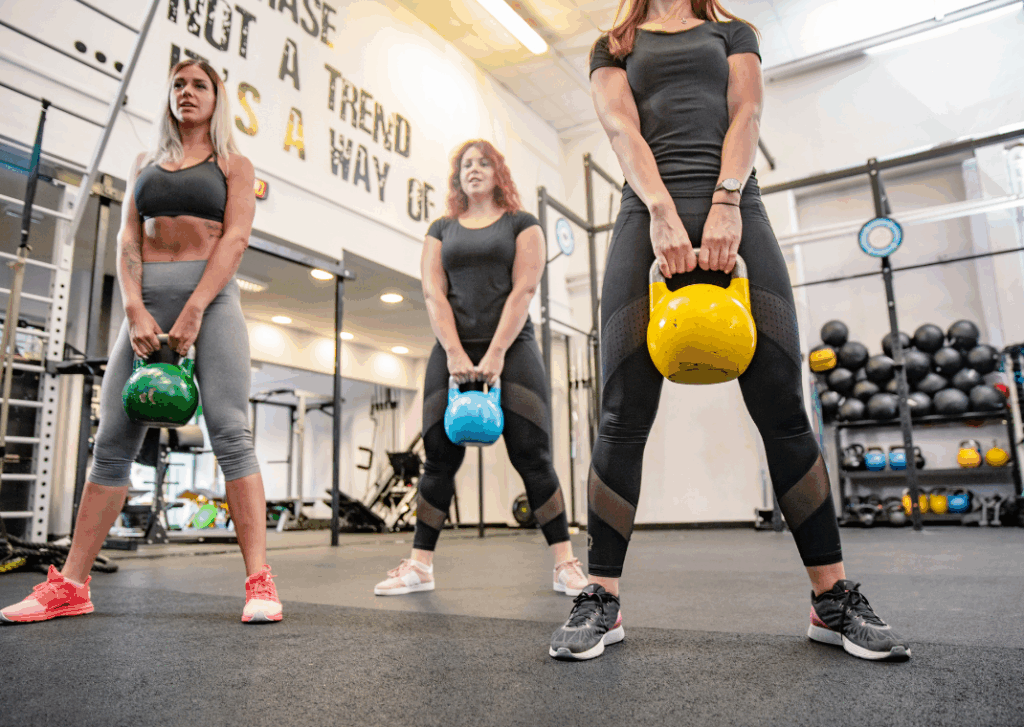
Muscle mass declines up to 8% per decade after 40. After 50, the rate doubles. Loss of strength increases your risk of falls, fractures, insulin resistance, and general “why does everything hurt when I wake up” syndrome. Lifting weights just twice a week helps maintain bone density, improve metabolic function, and protect your joints.

You don’t need a fancy gym membership or to deadlift your body weight. You do need to consistently challenge your muscles with resistance—dumbbells, resistance bands, even bodyweight workouts. Muscle is metabolism. It improves mobility. Muscle equals freedom.

Your Brain Needs Sleep, Stress Management, and Something New to Learn.

Cognitive decline isn’t inevitable, but it is opportunistic. It creeps in when sleep becomes optional, when everything feels urgent, and when your brain runs the same loop on repeat.

Protecting cognitive health after 45 looks like prioritizing sleep (7-9 hours, not negotiable), actively reducing chronic stress (your nervous system isn’t a punching bag), and learning something new—a language, a skill, even a new podcast habit that doesn’t revolve around murder mysteries.

Chronic stress shrinks the brain. Sleep debt impairs memory and executive function. Novelty builds neural resilience. And you can’t outsource this. No supplement replaces sleep. No app replaces boredom-fighting learning.

Meaning Improves Lifespan. No, Really.

In long-term studies on longevity, having a sense of meaning—something to wake up for—outperformed clean eating, fitness, and even not smoking. People with a reason to get up each day live longer, fuller lives.

That doesn’t mean you need a five-year plan or a spiritual awakening. It means doing something regularly that feels personally valuable. Volunteering. Creating. Mentoring. Anything that feels like it still matters, especially when no one else is watching.

The Habit Personality Factor

Your best friend thrives on fitness challenges. You prefer structured classes. Someone else needs 1:1 accountability. Great. The trick is not copying someone else’s rhythm but finding yours. If you’re the spreadsheet type, track your workouts. If you’re the rebel type, gamify your progress with small rewards.

There’s no universal habit formula. But there is a universal truth: consistency beats intensity every time.

What Actually Stuck After 40? Slow Mornings.

One shift I made in my 40s that quietly changed everything: slow mornings. Not the kind where you meditate for an hour or write in five journals. Just 30 minutes to sit. Drink coffee. Breathe. Think. Not scroll.

Yes, it was easier when my son was a teenager and didn’t need help getting dressed or fed. But I still worked full-time. I still had the same pressure. And I carved out that time anyway. It was the first thing that taught me that how I start my day matters more than when I start it.

You Don’t Need a New Life. You Need Better Inputs.

Most women I work with don’t want a radical reinvention. They want energy that doesn’t crash at 3pm. A body that doesn’t feel like a stranger. A brain that doesn’t forget the thing they just walked into a room for. That starts with what you put in: movement, rest, connection, meaning.

Wellness isn’t a lifestyle brand. It’s how you live your actual life.

The LAYLO Edit offers real-world, research-backed wellness ideas for women who want their time and energy to matter. It’s not a program. It’s your sanity file. If you’re ready to stop chasing trends and start feeling better long-term, this is where you start.

Warmly, Laura

You don’t have to choose between success and well-being. Step away from the chaos, reset your mind and body, and realign with what truly matters. Our wellness retreats, online courses, free resources give you the space to breathe, reflect, and design a life that feels fulfilling—without guilt, without compromise.

Be the first to know about upcoming retreats—join the LAYLO Edit for exclusive updates and insights, as well as wellness tips for real life. 

Let’s stay connected! Follow us on InstagramFacebookYouTubeLinkedIn, and Pinterest.

7 Real Reasons You’re Always Tired—and How To Fix It

Let’s be honest. You’re not “a little tired.” You’re bone-deep exhausted—and still getting it all done.

You show up to the meetings. And remember the birthdays. You handle the fallout when your mom’s pharmacy screws up her meds—again. And somewhere in there, you’re supposed to “prioritize self-care” and “move your body.”

Here’s the problem: Everyone keeps tossing generic advice at women like you, assuming a face mask and bubble bath will fix a body that’s screaming for a timeout.

Let’s get into what’s really going on—and what actually helps.

1. Hormones Are Hijacking Your Energy


Estrogen and progesterone used to be your silent teammates. Now they’re throwing tantrums at 2 a.m. and ghosting you by 3 p.m. Cortisol’s also acting up, adding stress spikes when you’re just trying to reply to one email without rage. And here’s the kicker—many women are dismissed when they bring this up. You’re told to relax, to wait it out, or to try meditation. It’s exhausting in a whole different way.

What helps: Find a doctor who listens. Track your symptoms. Use that data to ask better questions—and get better care. This isn’t the moment to accept mediocre medical support. Hormonal chaos isn’t a footnote. It’s a major player.

2. You Think You Slept, But Your Brain’s Been in a Bar Fight


You “slept,” but woke up feeling like someone poured cement into your skull. Welcome to post-45 sleep, where you fall asleep fine and then bolt awake at 3:17 a.m. thinking about taxes and your kid’s weird cough. And no, melatonin isn’t the magic fix. Your sleep architecture has changed, and stress has moved in like an uninvited roommate.

What helps: Start winding down sooner. Screens off earlier than you want. Make your bedroom dark and cold. Stop scrolling like it’s a part-time job. Try magnesium glycinate if your doctor gives the okay. And if your mind won’t shut up? A notebook next to your bed to brain-dump those racing thoughts helps more than you’d think.

3. Everyone’s Pulling From Your Energy Account—And You’re Not Making Deposits


You’re the go-to. The fixer. The one who remembers your friend’s kid’s allergy appointment and brings extra sunscreen to the picnic. It’s generous—and draining. The constant mental load is like a slow leak in your fuel tank. And the worst part? You barely notice it because being tired has become your baseline.

What helps: Make an actual list of what drains you and what fills you up. Look at your week and see where the energy leaks are. If everything in your calendar is for other people, that’s not sustainable. Rebuild your day with one small deposit into your own energy—every day.

4. Your Workout Routine Is From a Decade Ago—and Your Body Knows It

If dragging yourself through a punishing boot camp leaves you more exhausted than energized, it’s not working. You’re not “losing your edge.” Your nervous system is screaming for a new approach. Bodies after 45 are different—and that’s not defeat. It’s reality.

What helps: Strength training. Walking. Pilates. Yoga. Pick something that doesn’t trash you for 48 hours afterward. You don’t need to prove your worth in sweat. The goal isn’t soreness—it’s stamina and recovery. You’re training for longevity now, not punishment.

5. You’re Eating Like You’re Still 32 and Sleeping Like You’re 82

Skipping breakfast. Slamming caffeine at 3 p.m. Grazing on snacks because you “forgot” to eat lunch. Your energy crashes aren’t a mystery—they’re a math problem. Your blood sugar is on a rollercoaster, and that affects everything from mood to motivation.

What helps: Start with protein in the morning. Eat every 4-5 hours. Add real fiber and hydration. Cut the afternoon caffeine—it messes with sleep, even if you swear it doesn’t. And if your energy tank feels permanently low, get your iron and B12 checked. Nutrient depletion isn’t a vibe; it’s a health red flag.

6. You Don’t Ask Yourself What You Want Anymore


You’re used to putting out fires and making things run. But somewhere in there, you stopped checking in with your own preferences. You make decisions based on logistics, guilt, and who needs what. When someone asks, “What do you want to do?” the pause is long—and telling.

What helps: Practice wanting again. Start tiny. Say yes to Thai food even if your partner wants pizza. Say no to the event that drains you, without explaining. Desire is clarity, not chaos. When you know what you want, your energy has direction again.

7. You’ve Been in Survival Mode So Long It Feels Like Normal


The “you’ve got this” face is polished. But underneath? You’re fried. You’ve been running so long on performance and responsibility that you’ve forgotten what grounded even feels like. You’re not broken—you’re spent.

What helps: Cancel something this week. Say you’re off-duty. Let dinner be eggs and toast. Let silence be enough. The best energy recovery isn’t flashy—it’s slow, steady recalibration. One walk. One “no.” One early night. Small moves matter.

When I hit my own wall, it wasn’t dramatic. I wasn’t crying in the bathroom or quitting my job; I was just done. I canceled two meetings, ignored texts, and walked to the end of the block and back. It was quiet, boring, and wildly effective. That night, I slept through. And in the morning, I didn’t dread the day. That was the start.

You don’t need a five-year plan. You need a better week. One where your needs get a voice—not just a leftover scrap of time.

If you’re ready for smart, doable wellness without the noise, the LAYLO Edit was built for you. It’s not hype. No sugar coating here. It’s real-life support for real-life exhaustion. Don’t bother “bouncing back.” You get to rebuild forward—in a way that actually fits.

Warmly, Laura

You don’t have to choose between success and well-being. Step away from the chaos, reset your mind and body, and realign with what truly matters. Our wellness retreats, online courses, free resources give you the space to breathe, reflect, and design a life that feels fulfilling—without guilt, without compromise.

Be the first to know about upcoming retreats—join the info list for dates and details.

Let’s stay connected! Follow us on InstagramFacebookYouTubeLinkedIn, and Pinterest, and join the LAYLO Shala for exclusive updates and insights.

7 Winter Wellness Rituals That Actually Fit Into a Full Life

As the temperature drops and daylight shortens, so does the natural inclination to withdraw.

Cold seasons often invite us to retreat indoors and hibernate, but this can quietly chip away at both our physical fitness and sense of connection.

For many, the winter months can also amplify an already subtle ache for deeper friendships and sustained energy. This season holds a unique opportunity: to reclaim both movement and connection in ways that ground and energize.

Why Cold-Season Rituals Matter More Than Ever

Winter has a measurable effect on both body and mind. Research from the CDC notes that physical activity in adults significantly declines during colder months, and this drop is more pronounced in women over 45. What starts as skipping a walk due to cold can quickly become a pattern of decreased mobility, lower mood, and diminished connection.

At the same time, studies from the National Institute on Aging show that people with fewer meaningful social interactions face increased risks of cognitive decline, heart disease, and even shortened lifespans. Movement and social engagement are not seasonal luxuries. They are non-negotiable pillars of midlife wellness.

7 Rituals to Reclaim Energy and Connection This Winter

These winter wellness rituals are designed to be sustainable, nourishing, and genuinely effective. Choose one or two to start, and let them anchor your season.

1. The 15-Minute Morning Movement
Begin the day with gentle motion: yoga stretches, a short walk, or resistance band work. Keep it simple and consistent. This ritual awakens your body and signals the start of a day centered on care rather than urgency.

2. The Connection Walk
Bundle up and walk while leaving a voice message for someone you miss. Or schedule a walk-and-talk with a friend. Movement paired with connection builds momentum in both areas.

3. The Window Stretch Reset
In the afternoon slump, stand by a window for five minutes and move gently: neck rolls, hamstring stretches, shoulder openers. Let natural light reset your internal rhythms.

4. The Two-Way Check-In
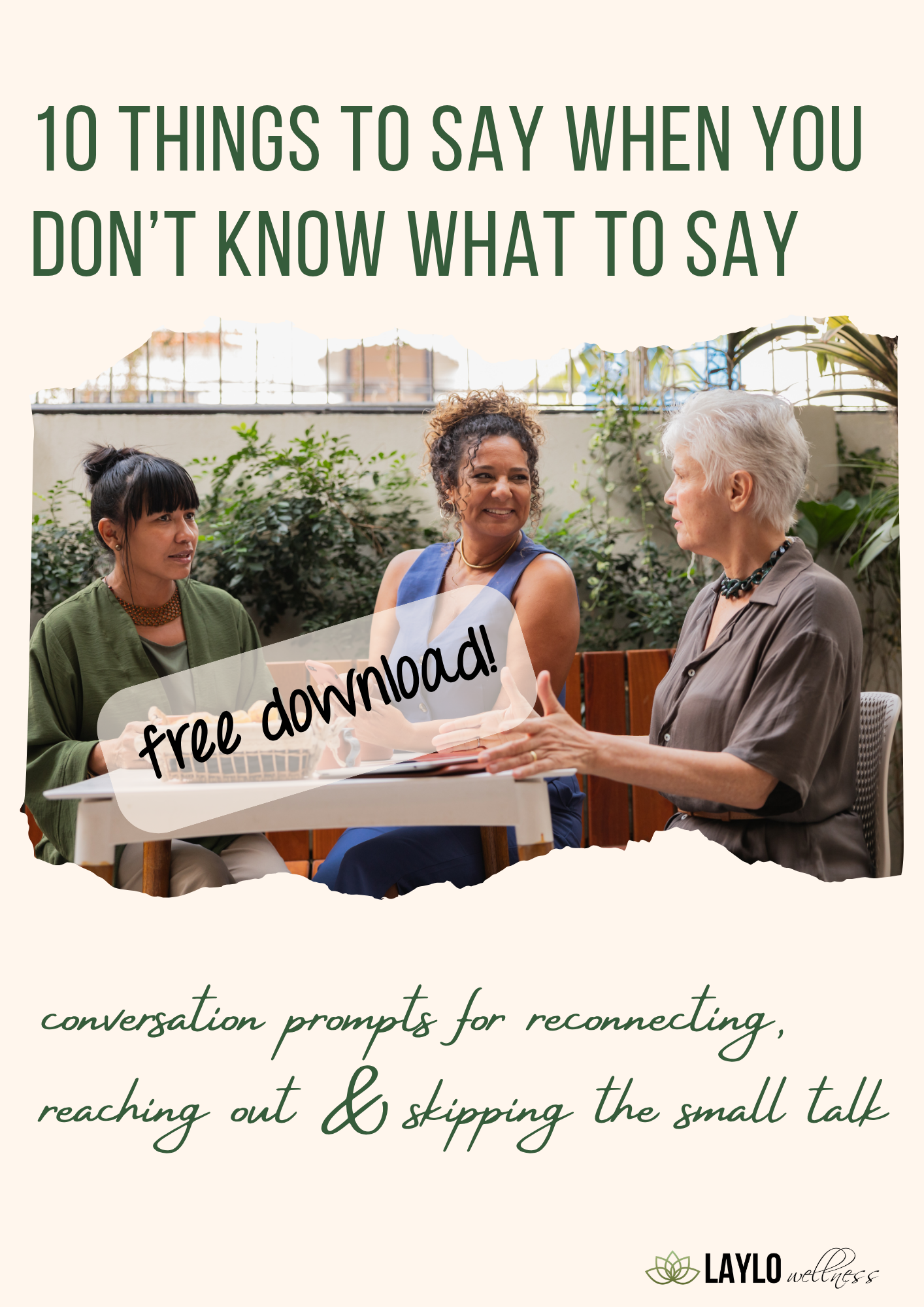
Every week, choose two people to reach out to: one to check in on, and one to open up with. Use a prompt from 10 Things to Say When You Don’t Know What to Say if conversation feels rusty.

5. The Cozy Gathering
Plan one simple in-person event for the month: a soup swap, book circle, or tea hour. Keep the vibe low-prep and authentic. These grounded rituals lay the foundation for lasting connection.

6. The Movement Buddy Ritual
Commit to a weekly movement session with someone else—even virtually. Shared accountability makes movement more enjoyable and more likely to happen.

7. The Restorative Review
Each Sunday evening, take 10 minutes to review what felt good that week. Was it the walk? The text exchange? The stretch? Let what worked guide the week ahead.

Why These Rituals Work

Each of these seven rituals blends movement and social nourishment in small, doable ways.

Research from Brigham Young University shows that strong social ties increase survival rates by over 50%. Meanwhile, studies on behavior change confirm that pairing movement with existing routines makes it more likely to stick.

More importantly, these rituals remind you that wellness doesn’t require an overhaul. Just intention, consistency, and a willingness to show up for yourself in small ways.

Let Winter Teach You How to Reconnect

Winter invites inwardness—not isolation, but inner recalibration. It’s a season that can strengthen your inner circle and your physical body, if you let it. The key is not to fight the season, but to work with it. To create rituals that invite movement and connection in small, sustaining ways.

Start with just one change. One friend. One movement ritual. Then let it grow.

What You Can Do Today

  1. Text one person and invite them for a short walk this weekend.
  2. Try a new movement class online that feels fun and approachable.
  3. Use a prompt from 10 Things to Say When You Don’t Know What to Say to restart a paused conversation.
  4. Explore the Blueprint if your social landscape feels like it’s shifted and you’re unsure where to begin.
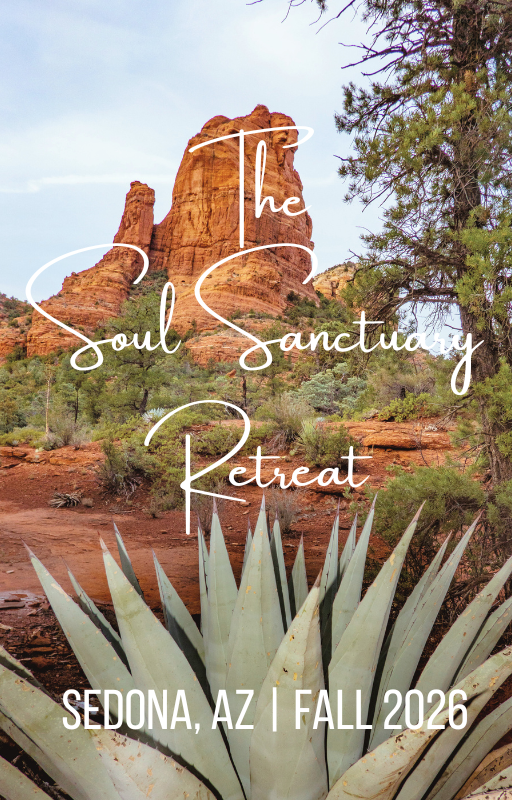
  5. Consider a Soul Sanctuary Retreat to immerse yourself in deep rest, movement, and connection without pressure.

Make This Season Work For You

You don’t have to wait for spring to feel better. Winter can be a season of clarity, connection, and strength—if you claim it. The routines you choose now can shape how you feel not just in the cold months, but long after. This isn’t about doing more. It’s about choosing what truly sustains you.

Warmly, Laura

You don’t have to choose between success and well-being. Step away from the chaos, reset your mind and body, and realign with what truly matters. Our wellness retreats, online courses, free resources give you the space to breathe, reflect, and design a life that feels fulfilling—without guilt, without compromise.

Be the first to know about upcoming retreats—join the info list for dates and details.

Let’s stay connected! Follow us on InstagramFacebookYouTubeLinkedIn, and Pinterest, and join the LAYLO Shala for exclusive updates and insights.

The Unexpected Power Move That Reignites Friendships

Physical Resilience Is Social Resilience

Somewhere between work obligations, caregiving, and the invisible labor of showing up for everyone else, your body has absorbed more than stress.

It’s absorbed silence. Stillness. A kind of erosion that isn’t always easy to name—but it shows up in how you feel, how you move, and how you connect.

The truth is, physical strength isn’t just about staying mobile or managing your health. It fundamentally changes how you inhabit your life. When your body feels strong, you navigate the world with more presence, more self-trust, and more confidence in your interactions. You stop bracing for exhaustion. You begin anticipating engagement.

The Science Behind Strength and Social Engagement

Research consistently shows that people who maintain physical activity as they age experience sharper cognitive function, reduced anxiety, and more emotional regulation—all critical ingredients for healthy social relationships. The National Institutes of Health notes that adults who engage in regular physical activity are more likely to report stronger social ties.

In fact, a 2023 study published in Frontiers in Psychology found that individuals with higher physical functioning were more socially active and reported greater satisfaction in their friendships. Movement boosts serotonin, improves mood, and helps reduce the friction that makes social interaction feel like a chore instead of a gift.

But beyond mood, there’s a deeper transformation that takes place when you actively rebuild strength. It isn’t just your muscles adapting. Your mind is, too.

How Strength Training Shapes Mental Confidence

When you begin lifting weights or engaging in structured strength training, you start to witness measurable progress. You see what you can do. You recognize what you once thought was difficult is now manageable. That shift—from doubt to belief—builds a kind of quiet self-assurance that bleeds into every other area of your life.

Strength training doesn’t just change your physique. It changes your internal narrative. You stop questioning whether you can handle what life throws at you. You know you can. The barbell becomes a metaphor: if you can learn proper form, stay consistent, and trust the process in the gym, what else might you be able to approach differently?

And that mental clarity? That steady, grounded confidence? It follows you into conversations. Into friendships. Into rooms where you might have once stayed silent.

Why It Feels So Hard Right Now

As we get older, maintaining strength takes more intention—but it’s also more important than ever. What once came effortlessly now requires scheduling, preparation, and sometimes recovery. And in midlife, the stakes shift. You’re not working out for aesthetics or achievement. You’re doing it for capacity. For clarity. For connection.

If you’re hesitating to move because it feels indulgent, consider this: your body isn’t a vanity project.

It’s a vehicle for presence. When you feel physically depleted, it becomes harder to engage socially.

You cancel plans. You stay quiet in group settings. You retreat. Over time, this pattern affects your friendships more than you realize.

Physical Depletion Leads to Social Drift

There’s a compounding cost to not rebuilding your physical reserves. The CDC reports that inactivity increases the risk of depression by up to 30%. Add to that the emotional labor of caregiving or professional overfunctioning, and it’s no wonder so many women find themselves feeling disconnected.

Social drift doesn’t just happen because people move or get busy. It happens when we’re too tired to reach out. Too drained to be present. And often, too ashamed to admit it.

That’s why rebuilding your physical resilience is more than a health goal. It’s a social one.

Strength Is a Social Catalyst

Confidence isn’t always about charm or extroversion. Often, it’s about feeling at home in your own body. When you walk into a room knowing that you can lift your own groceries, climb stairs without needing a break, or hold a plank for a full minute, something in you changes.

You don’t shrink back. You don’t second-guess whether you belong. Strength training translates to a deeper belief in who you are—not just what you can physically do.

And that belief is contagious. When you show up as someone who feels grounded and self-assured, others respond differently. Conversations deepen. Invitations increase. Relationships shift from effortful to energizing.

Reclaiming Strength as a Social Strategy

You don’t need to run marathons. But you do need movement that restores.

Walking with a friend. Joining a community yoga class. Dancing in your kitchen. Lifting weights while listening to a podcast. The form matters less than the function: these actions create space for you to reconnect—to yourself and to others.

Think about the last time you said yes to an invitation and genuinely enjoyed it. Chances are, your body wasn’t in a state of depletion. Physical energy creates emotional availability.

Rebuild, Then Reach Out

If it’s been a while since you felt strong in your own body, begin small. Commit to 10 minutes of movement. Do it daily. As your body rebuilds strength, notice how it subtly changes the way you engage.

You might initiate plans instead of waiting for someone else. You might feel less guarded in conversation. You might even start to believe that new friendships are possible again.

Because they are.

And if you need support as you re-engage, consider:

Why This Matters Now

Physical resilience doesn’t just keep you standing tall. It keeps you socially open, emotionally present, and relationally alive. In midlife, when so much around you is changing, strength is one of the few things you can rebuild on your own terms.

And when you do, your relationships often follow.

Warmly, Laura

You don’t have to choose between success and well-being. Step away from the chaos, reset your mind and body, and realign with what truly matters. Our wellness retreats, online courses, free resources give you the space to breathe, reflect, and design a life that feels fulfilling—without guilt, without compromise.

Be the first to know about upcoming retreats—join the info list for dates and details.

Let’s stay connected! Follow us on InstagramFacebookYouTubeLinkedIn, and Pinterest, and join the LAYLO Shala for exclusive updates and insights.

The Surprising Social Benefits of Exercising With Others

benefits of exercise with others

It often starts with good intentions. You carve out time, lace up your shoes, and promise yourself that this week, you’ll get back on track.

But by Thursday, life has stepped in—a meeting runs long, your kids/parents need something, or the energy simply isn’t there. The motivation fades quietly.

The treadmill sits untouched. Again.

This is where exercising with others can shift everything.

Shared physical activity offers more than fitness; it opens a door to meaningful social connection. For women navigating the complexity of midlife—juggling professional demands, caregiving, and an often-overlooked desire for personal fulfillment—movement becomes more sustainable and satisfying when it happens with others.

Why It Matters More After 40

As we age, maintaining physical activity becomes increasingly critical. After 40, muscle mass naturally declines by about 3-5% per decade, and bone density begins to drop, especially for women. According to the CDC, regular physical activity helps reduce the risk of chronic illnesses such as heart disease, type 2 diabetes, and osteoporosis. It also supports cognitive health, which becomes a growing concern in midlife.

But it’s not just about staying strong or staving off disease. What often gets overlooked is the profound connection between physical wellness and social health. Studies show that social connection is a critical predictor of long-term health. Adults with strong social relationships have a 50% increased likelihood of survival, according to research published in PLoS Medicine. Conversely, a lack of connection can increase risk for cardiovascular disease, cognitive decline, and even premature mortality.

And yet, for many women over 40, maintaining or forming new friendships feels harder than ever. Careers are demanding. Schedules are full. The old friend groups have drifted, and the idea of starting over feels overwhelming. But something powerful happens when you move your body alongside others: barriers drop, rhythms align, and relationships begin to form organically.

The Role of Positive Social Pressure

There’s a unique accountability that comes from showing up for someone other than yourself. When you commit to a walking group, a Pilates class, or a climbing session, you’re not just managing your own motivation—you’re part of something shared.

Positive social pressure keeps you engaged, even on the days when your energy is low or the calendar feels too full. It’s not about guilt or obligation; it’s about support. You move because others are moving too. You stay because you’re seen. Over time, this consistency builds both physical stamina and a sense of belonging.

Natural Community in Motion

Exercising with others doesn’t require deep conversations or forced bonding. It starts with a nod across the studio or a shared laugh in the parking lot. These small, repeated interactions create space for trust. Without the pressure of “catching up” or hosting coffee, movement-based meetups offer a low-maintenance way to reconnect with others and with yourself.

Whether it’s a spin class at your local gym, an early morning hike, or a casual game of pickleball, shared physical activity fosters a community of like-minded people. And for many women 40+, that’s exactly what’s missing: a circle of people who understand the mess, the beauty, and the realness of midlife.

What You Could Do (And How to Choose It)

You don’t need to go hardcore to feel connected.

What matters is choosing the kind of movement that aligns with your energy, your schedule, and your social bandwidth.

Here are a few ideas, categorized by how much social engagement they naturally invite:

High Interaction Activities:

  • Rock Climbing: This requires communication and trust. Whether you’re belaying or being belayed, you’re in constant dialogue. It builds not just strength but connection.
  • Partner Yoga: Involves physical coordination and shared intention. Often done in small, supportive groups.
  • Strength Training With a Friend: Alternating sets, spotting one another, and cheering each other on adds both safety and encouragement to the routine.

Moderate Interaction Activities:

  • Group Hikes or Walks: These provide a relaxed setting for conversation without intensity. Ideal for building rapport over time.
  • Fitness Classes (like Pilates or Barre): You share space and routine with others, offering light social exposure with the option to engage more deeply over time.

Low Interaction but Still Communal:

  • Zumba or Dance Classes: High energy, shared rhythm, and optional connection. Being in the room is often enough to feel uplifted.
  • Open Gym Sessions: Working out near others may not spark deep conversation, but it still offers a sense of shared momentum.

By choosing activities that match your current need for connection, you create a sustainable routine. Some days you may want full engagement. Others, you may just want to be near people without having to perform socially. Both are valid.

More Than a Workout

What begins as a commitment to health can quietly become a doorway to belonging. That’s the magic of shared movement. It’s physical wellness that supports emotional wellness. It’s consistency that doesn’t feel like a chore. It’s a new conversation without needing to say much at all.

And in a season where friendships have changed, roles have shifted, and space for self has shrunk, this kind of connection matters. You don’t have to force it. You just have to show up.

If finding your people through movement feels like the next right step, remember: connection doesn’t always look like deep heart-to-hearts. Sometimes, it looks like lacing up your shoes and joining someone else on the mat, the trail, or the wall.

You don’t have to go it alone. You were never meant to.

Warmly, Laura

You don’t have to choose between success and well-being. Step away from the chaos, reset your mind and body, and realign with what truly matters. Our wellness retreats, online courses, free resources give you the space to breathe, reflect, and design a life that feels fulfilling—without guilt, without compromise.

Be the first to know about upcoming retreats—join the info list for dates and details.

Let’s stay connected! Follow us on InstagramFacebookYouTubeLinkedIn, and Pinterest, and join the LAYLO Shala for exclusive updates and insights.

How Intentional Travel Can Change Your Life —Forever

A Different Kind of Travel

It begins with a moment of intention.

The new travel: intentional, immersive, transformative—how one trip can change your life, not just your calendar.

Not the hurried kind you squeeze between work and evening obligations. This is a deliberate pause, a choice to travel differently—not just across landscapes, but into presence.

In a world that rarely gives women space to simply be, more and more are seeking travel that feels less like escape and more like return. A return to self. Return to clarity. To relationships that feel grounded. And to meaning.

A 2025 travel trends report found that 77 percent of travelers now value the quality of their experience more than the price tag. That’s not just a statistic—it’s a quiet revolution. After years of accumulating things and juggling roles, many are realizing they want their time and money to bring something lasting.

They’re not interested in rushed itineraries. They’re not coming home satisfied by photo ops. They ARE booking experiences that leave a mark. That shape how they feel, how they relate, how they live.

Why This Shift Is Happening Now

This move toward intentional travel didn’t happen by accident. For many women in midlife, the need for change isn’t about crisis. It’s about awakening.

It’s about asking different questions: What do I actually need? Who am I outside of my roles? What spaces help me remember?

The travel industry is responding. McKinsey research shows that experiences are now the primary driver behind why people choose certain destinations. They’re not looking for amusement; they’re craving transformation.

And transformation doesn’t come from packed days or glossy hotel rooms. It comes from slowing down, being seen, and sharing moments that invite you to be more fully yourself.

Quiet Luxury, Real Impact

This trend has a name: quiet luxury. And it’s not about price. It’s about intentionality.

Quiet luxury shows up in retreats where there are no name tags or icebreakers. In dinners where no one asks what you do for a living. In walks where silence feels like connection.

Over 63 percent of travelers now choose under-the-radar destinations because they want something authentic, not orchestrated. They want to feel a sense of place, not performance.

And increasingly, women want that for themselves, too.

The Rise of Meaningful Retreats

One example of this trend is the rise of immersive, wellness-centered retreats. These aren’t spas or quick fixes. They are curated environments where presence is the goal, not productivity.

Some, like the Soul Sanctuary Retreat, focus on helping women reconnect through slow mornings, thoughtful conversation, movement, rest, and reflection. Finding a sense of adventure and exploring your surroundings with purpose. Not through forced vulnerability, but by creating the kind of space where genuine connection happens naturally.

These experiences are not designed to fix anyone. They are designed to honor who you already are—and give that version of you room to breathe.

Why Intentional Travel Works

When you remove yourself from the noise of daily life, something opens. The part of you that’s been in motion for decades finally gets a moment to exhale.

You begin to notice:

  • How good your body feels when it moves without an agenda.
  • How different conversations sound when they’re not being squeezed into a schedule.
  • How much more present you become when no one needs anything from you.

In that presence, you begin to connect—not just with others, but with yourself. With your thoughts and with your rhythms. With the version of you that’s been patiently waiting to be seen again.

What People Are Saying

The proof isn’t just in statistics. It’s in how people feel when they come home.

“I came back softer,” one retreat attendee shared. “Not smaller. Not less powerful. Just more aligned. Like my edges had finally been smoothed by rest and truth.”

Another woman described her experience as a remembering: “It wasn’t about learning new tools. It was about having space to remember who I was before the world told me who I needed to be.”

What’s Behind the Trend

What are people looking for when they make the decision to travel with intention?

Turns out they still want fun, but they want it to be immersive, memorable, and powerful. They are looking for comfort and self-care.

They want to return to their lives more than just renewed; they want to feel changed. And the last thing they want is a suitcase full of trinkets they will likely never look at again!

relaxed traveler
  • Experience over price: 77% of travelers prioritize meaningful experience over cost (TTS.com).
  • Transformative momentum: People increasingly use travel as a tool for identity, clarity, and growth (AClasses.org).
  • Experiences drive decisions: Travelers are choosing destinations based on emotional and immersive potential, not logistics (McKinsey).
  • Luxury redefined: Quiet, intentional, and personal travel is displacing material-focused tourism (MyJournalCourier).
  • Wellness meets authenticity: Wellness tourism, especially regenerative travel like farm stays, is on track to become a $1.35 trillion market by 2028 (Vogue).

What Happens When You Choose Differently

There’s a moment in every intentional trip when you realize: it’s not just a break. It’s a beginning.

You stop rushing. You start listening. Your thoughts slow down. And that voice that has been whispering for months—or maybe years—finally becomes clear.

That voice might say:

  • I need more of this.
  • I miss this part of myself.
  • I want to carry this feeling into my real life.

And you can. That’s the power of traveling with purpose. You don’t just return with souvenirs. You return with shifts.

Final Thoughts

Maybe the question isn’t “Where should I go next?”

Maybe it’s:

  • What do I want to feel?
  • What part of me needs space to speak?
  • What experience would be worth remembering a year from now?

When travel becomes a mirror, not a mask, everything changes.

And maybe, just maybe, that’s the trip you’ve been waiting for.

Warmly, Laura

You don’t have to choose between success and well-being. Step away from the chaos, reset your mind and body, and realign with what truly matters. Our wellness retreats, online courses, free resources give you the space to breathe, reflect, and design a life that feels fulfilling—without guilt, without compromise.

Be the first to know about upcoming retreats—join the info list for dates and details.

Let’s stay connected! Follow us on InstagramFacebookYouTubeLinkedIn, and Pinterest, and join the LAYLO Shala for exclusive updates and insights.