HOW TO RECOVER FROM SOCIAL DISCONNECTION

disconnection

That feeling of disconnection, that lack of a meaningful support network, affects more than just your daily mood.

It carries long-term consequences for your mental, physical, and emotional health. These effects often build quietly over time, showing up in ways that are easy to dismiss—until they’re not.

Shifting Social Landscapes

After 40, relationships often shift. Professional roles, caregiving responsibilities, and personal transitions can displace long-standing friendships. Even the most socially engaged individuals may find themselves without a consistent, dependable connection. This growing disconnection is not just a passing phase—it’s a health issue.

Mental Health Consequences

Research has made this clear. A 2023 study in the Journal of Health and Social Behavior found that adults with limited social ties had a 30 percent higher likelihood of developing symptoms associated with clinical depression. Disconnection disrupts emotional regulation and limits resilience, which in turn increases vulnerability to stress.

But the toll doesn’t stop at mood changes or motivation. Chronic stress—often a byproduct of lacking emotional support—elevates cortisol levels. Over time, that hormonal imbalance affects cognitive function, disrupts sleep, and impairs the immune system. Even memory and decision-making suffer, often without clear warning signs.

Physical Impact

Physically, the data is equally sobering. One study published in Circulation reported that poor social relationships are associated with a 29 percent increase in the risk of coronary heart disease and a 32 percent rise in the risk of stroke. These numbers aren’t anomalies. They reflect an ongoing, systemic challenge for midlife adults who struggle to maintain close, meaningful bonds.

Emotional Drain

There’s also the emotional erosion that disconnection creates. When daily life lacks companionship or meaningful exchanges, it becomes harder to process experiences. Small disappointments can feel amplified. Big decisions can feel paralyzing. Without someone to reflect with, the weight of ordinary life grows heavier.

The Health Spiral

These effects rarely occur in isolation. Instead, they create a compounding cycle. Elevated stress affects sleep. Poor sleep diminishes mental clarity and patience. Emotional exhaustion narrows perspective. The result is a feedback loop that reduces overall well-being—without any dramatic event triggering the decline.

Breaking the Cycle

What makes this particularly challenging is how normalized this condition has become. Many people assume that midlife simply comes with fewer social connections. But what’s often missing is intention. Friendships don’t fade due to time alone—they fade from lack of nurturing, reflection, and renewal.

Recognizing these risks is the first step toward protecting your health. The next is committing to re-engagement. Small, intentional steps can begin to reverse these trends. Scheduling regular meetups, expressing vulnerability, and investing in emotionally reciprocal conversations are all effective strategies. Reaching out to one person can be enough to reignite a dormant connection.

The Power of Environment

Environments matter, too. Immersive settings—away from daily demands—create the conditions where new bonds can take root more deeply.

That’s one reason why some midlife women seek out experiences designed to rebuild connection.

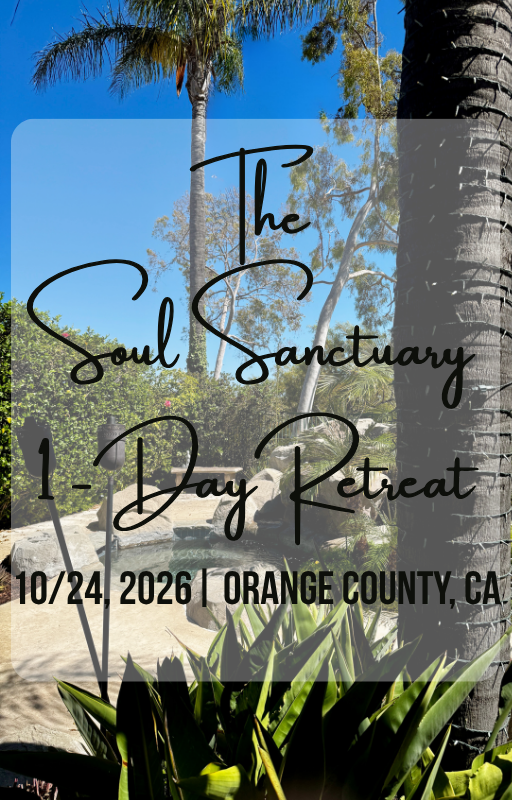
A well-designed retreat, for instance, allows for uninterrupted time, shared experiences, and structured reflection—key ingredients in forming lasting friendships.

sedona retreat to overcome disconnection

Health Through Connection

Most importantly, restoring connection isn’t about adding one more thing to an already full schedule. It’s about protecting long-term health and well-being. Creating time for real relationships is a form of health maintenance, not indulgence. Studies show that adults who engage regularly in mutual friendships experience improved cardiovascular health, stronger immunity, and higher life satisfaction.

Quiet Damage, Quiet Recovery

The costs of disconnection may be silent, but they are real. The benefits of reconnection are powerful—and well within reach. Taking that first step, even if it feels unfamiliar, has the potential to shift everything. For some, this may look like a thoughtful conversation. For others, it may mean joining a weekend designed to foster connection, like a retreat. Either way, what matters is the intention to reconnect.

laylo wellness

You don’t have to choose between success and well-being. Step away from the chaos, reset your mind and body, and realign with what truly matters. Our wellness retreats, online courses, and free resources give you the space to breathe, reflect, and design a life that feels fulfilling—without guilt, without compromise.

Be the first to know about upcoming retreats—join the info list for dates and details.

Let’s stay connected! Follow us on InstagramFacebookYouTubeLinkedIn, and Pinterest, and join the LAYLO Shala for exclusive updates and insights.

THE TRUTH ABOUT MAKING FRIENDS MIDLIFE

Why Building Bonds Feels Tougher in Midlife

First, we see shifts in priorities. Career demands peak. Parenting responsibilities weigh heavier. Self‑care routines fill gaps once reserved for socializing. Suddenly, friendship isn’t a free block in your calendar—it becomes something you must protect. Making friends midlife begins to take a backseat to all. the. things.

Second, behavioral outlook changes. After 40, many of us adopt a more selective mindset. We sense which relationships align with our values and goals. That clarity is powerful, but it also narrows the window for new connections. You’re not just meeting people—you’re hunting for deeper resonance. Consequently, casual conversations may feel surface‑level or unfulfilling.

Third, societal dynamics have evolved. Conventional ways to make friends—community gatherings, sports leagues, after‑hours meet‑ups—have eroded. Fewer working‑class events, decreased workplace socializing, and growing digital bubbles mean we encounter fewer strangers who could become close pals. These structural factors quiet the chance-to‑connect moments that built friendships in past decades.

Moreover, let’s consider solid data: 40 % of adults over 40 report having three or fewer close friends. Among those ages 50–59, nearly one‑fifth says they feel emotionally unsupported. Research links unresolved social disconnection to a 30 % higher risk of cardiovascular issues—and a 26 % greater risk of overall mortality. In short, friendships aren’t optional therapy—they support our health and well‑being after 40.

How COVID‑19 Changed the Landscape

Then came the pandemic. When lockdowns began in early 2020, our social world contracted overnight. Zoom chats and socially distanced walks substituted familiar routines. Many companies went remote, cutting out coffee‑break conversations and after‑work social mixers. Neighborhood promenades became cautious, masked encounters. The result? A temporary rupture of weak social ties—those casual connections that had untapped potential to deepen.

Today, that rupture lingers. Some former work colleagues or parent connections turned into acquaintances who drifted away. Others tried virtual meet‑ups but lost momentum without in‑person chemistry. For people in their 40s and 50s, whose routines already left little margin for social experimentation, this interruption had long‑term consequences. In surveys taken in 2023, nearly half of respondents over 45 said their primary social circles include fewer new people than they did before 2020.

Behavioral Tendencies That Follow a Social Pause

As normal life returned, the thinning of social circles created two reinforcing effects:

  1. Withdrawal from new opportunities – Many felt hesitant to attend in‑person events after two years of distancing. Anxiety about unpredictable schedules or obligations grew. It became easier to stick with the same few friends rather than risk disappointment.
  2. High expectations for connection – Our social discomfort made us value deeper bonds immediately. We wanted conversations that mattered. Quick chats at a networking event weren’t enough. So we often skipped social gatherings entirely, feeling they wouldn’t deliver.

These behaviors compound the cycle: fewer invitations lead to fewer connections, which cultivates higher social standards, which in turn discourages participation. We want more authentic friendships—but our structure makes them harder to build.

What Happens When We Don’t Act

Unresolved disconnection carries real implications. Inside Connection + Community, we reference studies showing:

  • Adults without a solid social network face 50 % greater risk of cognitive decline by age 65.
  • Stress‑related hormones remain elevated in people who report low perceived support.
  • Those who feel socially impeded experience 3× the rate of depression symptoms.

In short, it’s not about only-child status or occasional weekend boredom.

Our mental and physical wellness and longevity intertwine with having supportive relationships. Neglecting friendship can erode vitality—mentally and physically—over time.

Shifting the Midlife Momentum with Purpose

But there’s hope. With intention and support, it’s possible to reshape social patterns and grow meaningful relationships. That’s where our Connection + Community program becomes essential.

Here’s how it works:

  • Structured support — We guide you to identify friendship goals, then offer a framework to act on them.
  • Meaningful exposure — Meet other midlifers facing similar social challenges and desires for closeness.
  • Skill building — Learn conversation techniques tailored for low‑pressure, high‑resonance interactions.
  • Sustained accountability — Regular check‑ins ensure you don’t slip back into avoidance or perfectionism.

By addressing both inner barriers (mindsets) and external hurdles (time, opportunity), the program dismantles the barriers we’ve outlined—digital distance, selective behavior, structural constraints.

Why It’s More Effective Than Going It Alone

You could attempt this solo: the truth is, if you could do it solo, you would already have it handled. Like a boss! But that route often overlooks what makes midlife unique. What isn’t visible in the self-help route? Schedules that actually work for busy parents or professionals. Space to explore without overspending. Social chemistry at a slower, authentic pace.

Connection + Community provides that curated bridge. You’re not just “putting yourself out there”—you’re joining a group of people who understand your point in life. We craft experiences to foster trust, vulnerability, and mutual growth. This systematic approach makes new friendships less of a gamble and more of a natural progression.

Final Takeaway

Making friends after 40 no longer just happens; it requires choice and cultivation. Behaviors, career patterns, and the long shadow of COVID‑19 have created a steeper climb. Yet with structure and connection, deep, supportive companionship is achievable—and essential. If you’re ready to regain momentum and design friendships that reflect who you are today, Connection + Community opens the door. Let’s rebuild your social world together.

Looking forward to walking this path with you.

laylo wellness

You don’t have to choose between success and well-being. Step away from the chaos, reset your mind and body, and realign with what truly matters. Our wellness retreatsonline courses, and free resources give you the space to breathe, reflect, and design a life that feels fulfilling—without guilt, without compromise.

Be the first to know about upcoming retreats—join the info list for dates and details.

Let’s stay connected! Follow us on InstagramFacebookYouTubeLinkedIn, and Pinterest, and join the LAYLO Shala for exclusive updates and insights.