The Unexpected Power Move That Reignites Friendships

Physical Resilience Is Social Resilience

Somewhere between work obligations, caregiving, and the invisible labor of showing up for everyone else, your body has absorbed more than stress.

It’s absorbed silence. Stillness. A kind of erosion that isn’t always easy to name—but it shows up in how you feel, how you move, and how you connect.

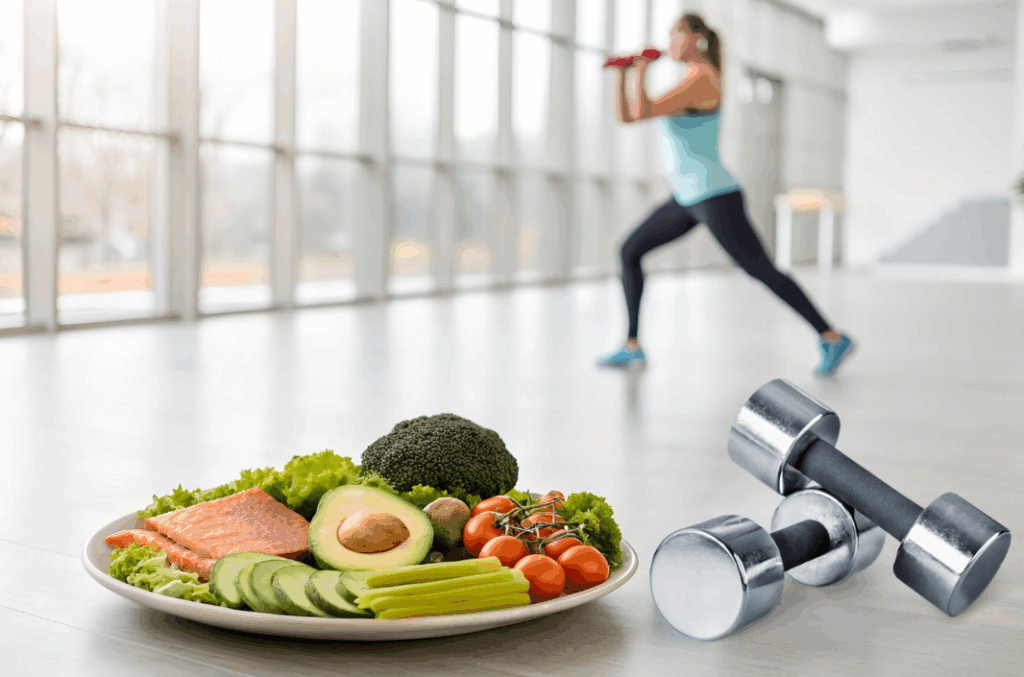
The truth is, physical strength isn’t just about staying mobile or managing your health. It fundamentally changes how you inhabit your life. When your body feels strong, you navigate the world with more presence, more self-trust, and more confidence in your interactions. You stop bracing for exhaustion. You begin anticipating engagement.

The Science Behind Strength and Social Engagement

Research consistently shows that people who maintain physical activity as they age experience sharper cognitive function, reduced anxiety, and more emotional regulation—all critical ingredients for healthy social relationships. The National Institutes of Health notes that adults who engage in regular physical activity are more likely to report stronger social ties.

In fact, a 2023 study published in Frontiers in Psychology found that individuals with higher physical functioning were more socially active and reported greater satisfaction in their friendships. Movement boosts serotonin, improves mood, and helps reduce the friction that makes social interaction feel like a chore instead of a gift.

But beyond mood, there’s a deeper transformation that takes place when you actively rebuild strength. It isn’t just your muscles adapting. Your mind is, too.

How Strength Training Shapes Mental Confidence

When you begin lifting weights or engaging in structured strength training, you start to witness measurable progress. You see what you can do. You recognize what you once thought was difficult is now manageable. That shift—from doubt to belief—builds a kind of quiet self-assurance that bleeds into every other area of your life.

Strength training doesn’t just change your physique. It changes your internal narrative. You stop questioning whether you can handle what life throws at you. You know you can. The barbell becomes a metaphor: if you can learn proper form, stay consistent, and trust the process in the gym, what else might you be able to approach differently?

And that mental clarity? That steady, grounded confidence? It follows you into conversations. Into friendships. Into rooms where you might have once stayed silent.

Why It Feels So Hard Right Now

As we get older, maintaining strength takes more intention—but it’s also more important than ever. What once came effortlessly now requires scheduling, preparation, and sometimes recovery. And in midlife, the stakes shift. You’re not working out for aesthetics or achievement. You’re doing it for capacity. For clarity. For connection.

If you’re hesitating to move because it feels indulgent, consider this: your body isn’t a vanity project.

It’s a vehicle for presence. When you feel physically depleted, it becomes harder to engage socially.

You cancel plans. You stay quiet in group settings. You retreat. Over time, this pattern affects your friendships more than you realize.

Physical Depletion Leads to Social Drift

There’s a compounding cost to not rebuilding your physical reserves. The CDC reports that inactivity increases the risk of depression by up to 30%. Add to that the emotional labor of caregiving or professional overfunctioning, and it’s no wonder so many women find themselves feeling disconnected.

Social drift doesn’t just happen because people move or get busy. It happens when we’re too tired to reach out. Too drained to be present. And often, too ashamed to admit it.

That’s why rebuilding your physical resilience is more than a health goal. It’s a social one.

Strength Is a Social Catalyst

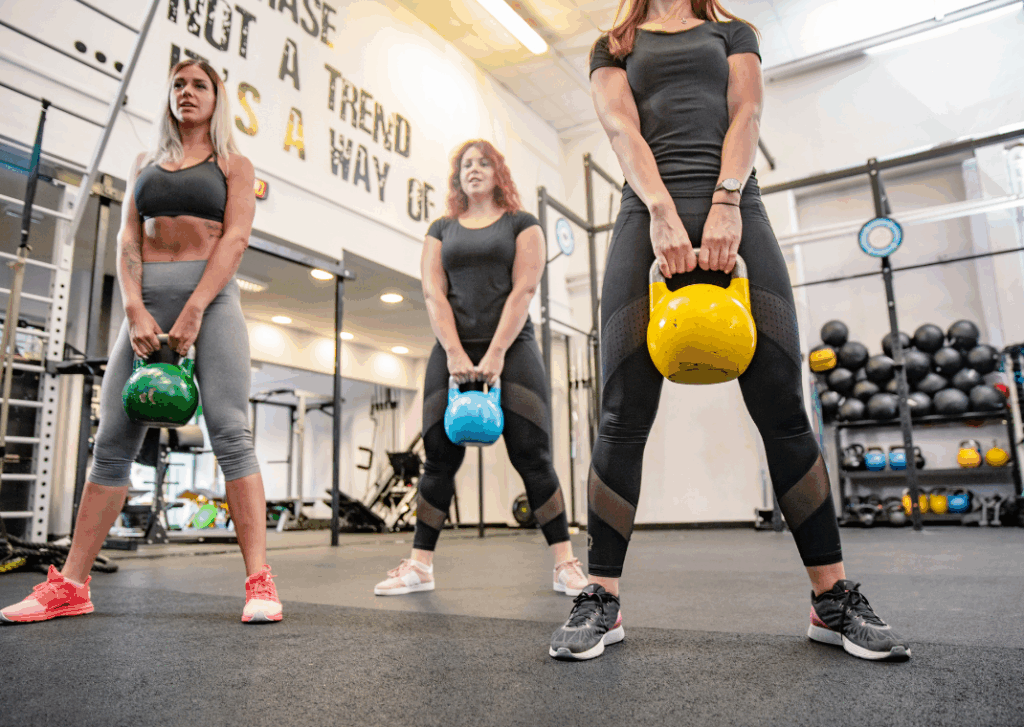
Confidence isn’t always about charm or extroversion. Often, it’s about feeling at home in your own body. When you walk into a room knowing that you can lift your own groceries, climb stairs without needing a break, or hold a plank for a full minute, something in you changes.

You don’t shrink back. You don’t second-guess whether you belong. Strength training translates to a deeper belief in who you are—not just what you can physically do.

And that belief is contagious. When you show up as someone who feels grounded and self-assured, others respond differently. Conversations deepen. Invitations increase. Relationships shift from effortful to energizing.

Reclaiming Strength as a Social Strategy

You don’t need to run marathons. But you do need movement that restores.

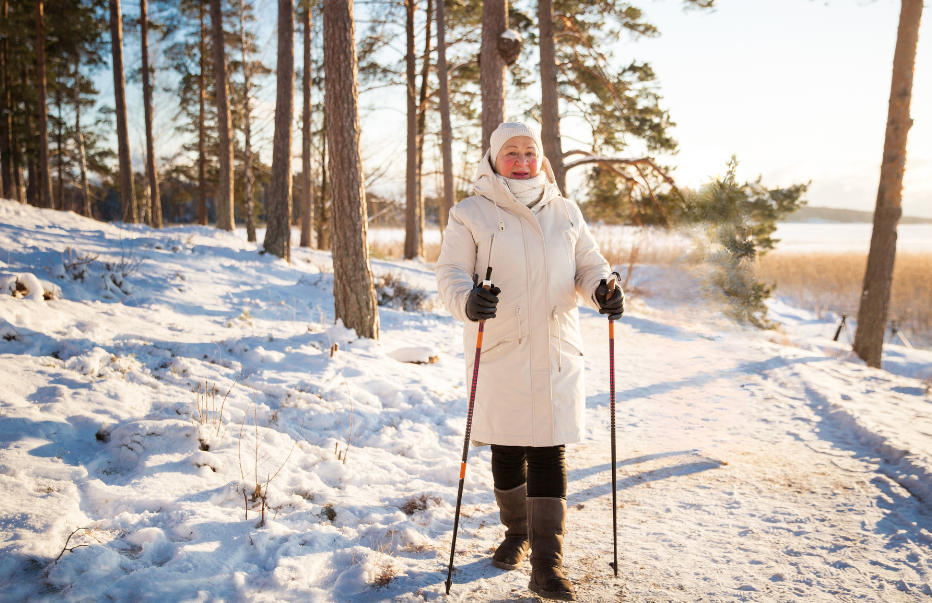
Walking with a friend. Joining a community yoga class. Dancing in your kitchen. Lifting weights while listening to a podcast. The form matters less than the function: these actions create space for you to reconnect—to yourself and to others.

Think about the last time you said yes to an invitation and genuinely enjoyed it. Chances are, your body wasn’t in a state of depletion. Physical energy creates emotional availability.

Rebuild, Then Reach Out

If it’s been a while since you felt strong in your own body, begin small. Commit to 10 minutes of movement. Do it daily. As your body rebuilds strength, notice how it subtly changes the way you engage.

You might initiate plans instead of waiting for someone else. You might feel less guarded in conversation. You might even start to believe that new friendships are possible again.

Because they are.

And if you need support as you re-engage, consider:

Why This Matters Now

Physical resilience doesn’t just keep you standing tall. It keeps you socially open, emotionally present, and relationally alive. In midlife, when so much around you is changing, strength is one of the few things you can rebuild on your own terms.

And when you do, your relationships often follow.

Warmly, Laura

You don’t have to choose between success and well-being. Step away from the chaos, reset your mind and body, and realign with what truly matters. Our wellness retreats, online courses, free resources give you the space to breathe, reflect, and design a life that feels fulfilling—without guilt, without compromise.

Be the first to know about upcoming retreats—join the info list for dates and details.

Let’s stay connected! Follow us on InstagramFacebookYouTubeLinkedIn, and Pinterest, and join the LAYLO Shala for exclusive updates and insights.

The Surprising Health Habit That Might Matter More Than Exercise

The Social Wellness Wake-Up Call

When we talk about wellness, we often jump straight to diet, exercise, or meditation.

But one of the most powerful, predictive indicators of long-term health isn’t a green juice or a workout regimen—it’s the strength of your relationships.

According to the Harvard Study of Adult Development, an ongoing 85-year study tracking the lives of hundreds of adults, the clearest predictor of a longer, healthier life isn’t cholesterol levels or career success. It’s connection. The quality of your relationships—particularly close friendships—correlates more closely with your physical health, emotional resilience, and even cognitive sharpness than almost any other factor.

And yet, friendships are the wellness habit we consistently ignore.

The Quiet Crisis of Disconnection

By the time you reach your 40s and 50s, the landscape of your social life has often shifted dramatically. The daily rhythms of raising children, managing careers, and caregiving for aging parents leave little time or space for cultivating meaningful connection. Many high-functioning, emotionally intelligent women—women who excel in every other area of life—are navigating this season with fewer close friendships than ever before.

Studies show that after the age of 40, women find it significantly harder to make new friends. A 2021 study published in the Journal of Social and Personal Relationships revealed that midlife adults report a steep decline in the number of people they consider confidants. For women, this loss is felt acutely: friendships have historically played a central role in female health and identity.

This isn’t just a social inconvenience—it’s a health hazard. Disconnection increases the risk of premature death at levels comparable to smoking 15 cigarettes a day, according to a meta-analysis by Brigham Young University.

Why Friendship Is Foundational, Not Optional

Connection isn’t a luxury—it’s a biological imperative. Relationships help regulate everything from heart rate to hormone levels. Close friendships can lower cortisol, reduce inflammation, and even bolster immune response.

What’s more, having people in your life who see you, who understand your history and your hopes, becomes especially important in midlife.

This is the season when roles shift—careers plateau, children leave, parents age—and the question of identity comes roaring to the surface.

The people who know you beyond your titles and responsibilities are the ones who can help you navigate that terrain.

Yet despite this knowledge, many women in this life stage find themselves without a reliable circle of support. Not because they’ve failed—but because they’ve prioritized everything and everyone else for decades.

The Emotional Toll of “Fine”

One of the most common phrases you hear from women in midlife is “I’m fine.” It’s code for keeping it all together, for managing what needs to be managed, for pushing through. But “fine” isn’t the same as fulfilled. And over time, the emotional toll of being “fine” without real connection can manifest physically—fatigue, inflammation, insomnia, weight gain—and relationally, through misattunement or growing emotional distance.

This is the wake-up call: social wellness isn’t something you fix when everything else is done. It’s the foundation everything else rests on.

Rebuilding Your Social Health, Intentionally

So where do you start if your friendship muscles feel out of shape?

First, recognize that you’re not alone—or broken. Social wellness in midlife requires intention, not magic. It starts with a mindset shift: understanding that connection is as essential as your morning run or your annual check-up.

Then, begin where you are:

  • Say something real. Small conversations are the seeds of deeper connection. If you’re unsure what to say, try a tool like 10 Things to Say When You Don’t Know What to Say. These conversation starters are designed to help you move past small talk into real talk.
  • Get in the room. Courses and communities like Friendship After 40: The Blueprint to Finding Your People provide structure and shared language. They’re not about forced bonding—they’re about giving women a chance to reconnect to themselves and each other.
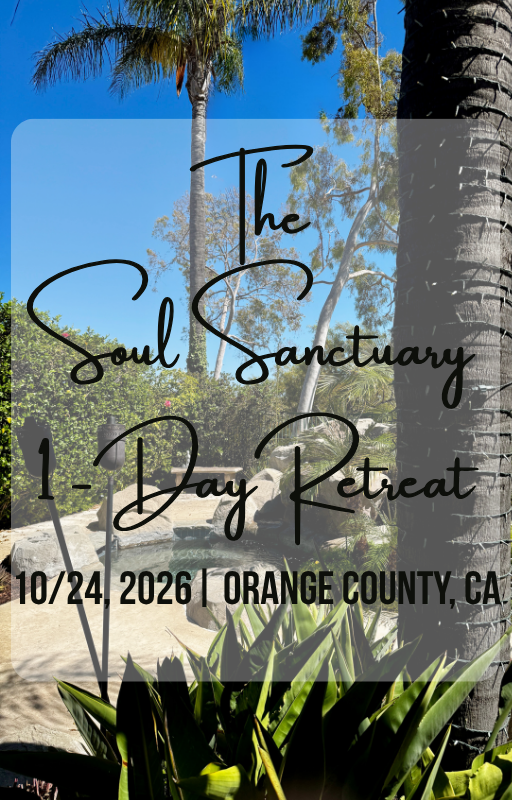
  • Prioritize immersion. Sometimes, you need a full reset. The Soul Sanctuary Retreat offers an intentional space where social wellness is integrated with rest, reflection, and real conversation. It’s not about escaping your life—it’s about returning to it more fully.

The Bottom Line: This Matters

If you’ve felt the nudge that something’s missing, pay attention. If your health feels “off” in ways you can’t name, consider that the missing piece might not be physical—it might be relational.

There’s no supplement for true friendship. No app that replaces being seen. No wellness tracker that can substitute for someone who checks in because they genuinely care.

Social wellness is not a side note. It’s the core.

And it’s never too late to tend to it.

Warmly, Laura

You don’t have to choose between success and well-being. Step away from the chaos, reset your mind and body, and realign with what truly matters. Our wellness retreats, online courses, free resources give you the space to breathe, reflect, and design a life that feels fulfilling—without guilt, without compromise.

Be the first to know about upcoming retreats—join the info list for dates and details.

Let’s stay connected! Follow us on InstagramFacebookYouTubeLinkedIn, and Pinterest, and join the LAYLO Shala for exclusive updates and insights.

How Intentional Travel Can Change Your Life —Forever

A Different Kind of Travel

It begins with a moment of intention.

The new travel: intentional, immersive, transformative—how one trip can change your life, not just your calendar.

Not the hurried kind you squeeze between work and evening obligations. This is a deliberate pause, a choice to travel differently—not just across landscapes, but into presence.

In a world that rarely gives women space to simply be, more and more are seeking travel that feels less like escape and more like return. A return to self. Return to clarity. To relationships that feel grounded. And to meaning.

A 2025 travel trends report found that 77 percent of travelers now value the quality of their experience more than the price tag. That’s not just a statistic—it’s a quiet revolution. After years of accumulating things and juggling roles, many are realizing they want their time and money to bring something lasting.

They’re not interested in rushed itineraries. They’re not coming home satisfied by photo ops. They ARE booking experiences that leave a mark. That shape how they feel, how they relate, how they live.

Why This Shift Is Happening Now

This move toward intentional travel didn’t happen by accident. For many women in midlife, the need for change isn’t about crisis. It’s about awakening.

It’s about asking different questions: What do I actually need? Who am I outside of my roles? What spaces help me remember?

The travel industry is responding. McKinsey research shows that experiences are now the primary driver behind why people choose certain destinations. They’re not looking for amusement; they’re craving transformation.

And transformation doesn’t come from packed days or glossy hotel rooms. It comes from slowing down, being seen, and sharing moments that invite you to be more fully yourself.

Quiet Luxury, Real Impact

This trend has a name: quiet luxury. And it’s not about price. It’s about intentionality.

Quiet luxury shows up in retreats where there are no name tags or icebreakers. In dinners where no one asks what you do for a living. In walks where silence feels like connection.

Over 63 percent of travelers now choose under-the-radar destinations because they want something authentic, not orchestrated. They want to feel a sense of place, not performance.

And increasingly, women want that for themselves, too.

The Rise of Meaningful Retreats

One example of this trend is the rise of immersive, wellness-centered retreats. These aren’t spas or quick fixes. They are curated environments where presence is the goal, not productivity.

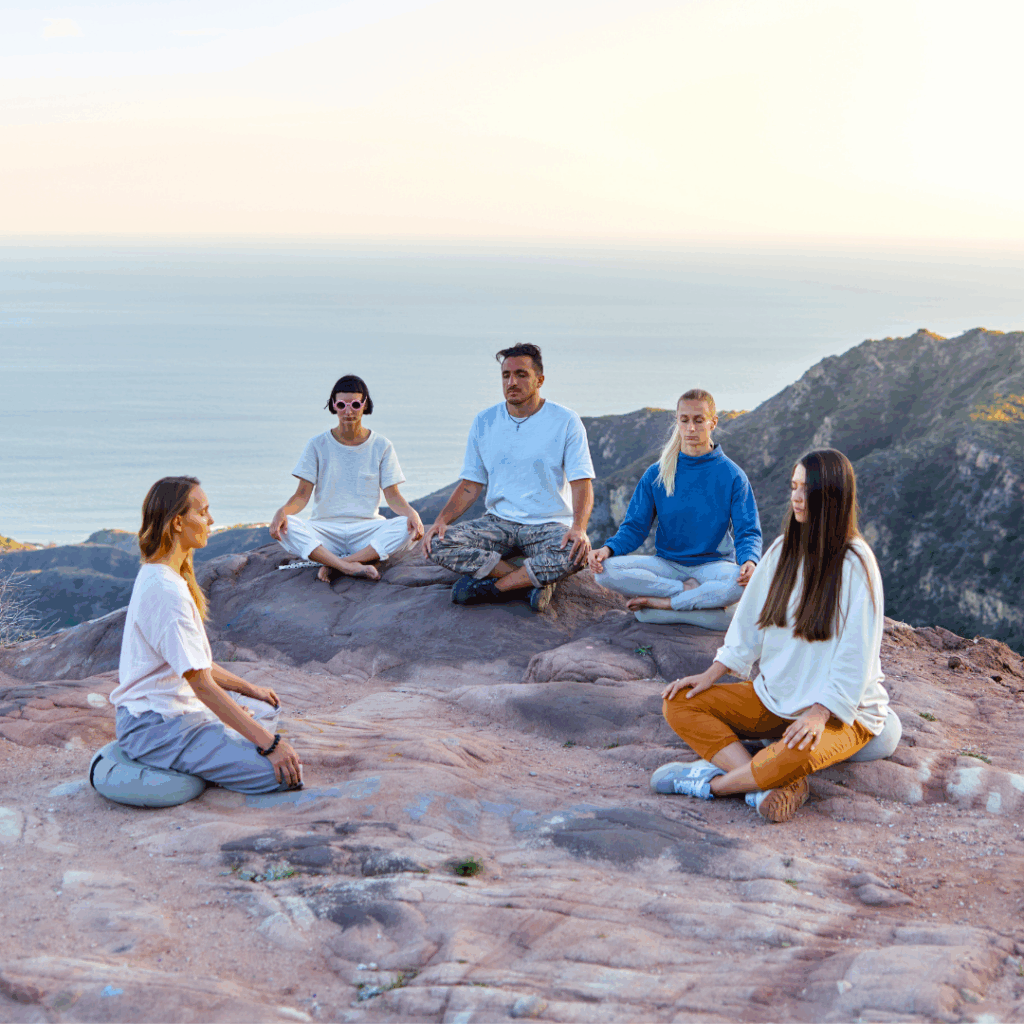
Some, like the Soul Sanctuary Retreat, focus on helping women reconnect through slow mornings, thoughtful conversation, movement, rest, and reflection. Finding a sense of adventure and exploring your surroundings with purpose. Not through forced vulnerability, but by creating the kind of space where genuine connection happens naturally.

These experiences are not designed to fix anyone. They are designed to honor who you already are—and give that version of you room to breathe.

Why Intentional Travel Works

When you remove yourself from the noise of daily life, something opens. The part of you that’s been in motion for decades finally gets a moment to exhale.

You begin to notice:

  • How good your body feels when it moves without an agenda.
  • How different conversations sound when they’re not being squeezed into a schedule.
  • How much more present you become when no one needs anything from you.

In that presence, you begin to connect—not just with others, but with yourself. With your thoughts and with your rhythms. With the version of you that’s been patiently waiting to be seen again.

What People Are Saying

The proof isn’t just in statistics. It’s in how people feel when they come home.

“I came back softer,” one retreat attendee shared. “Not smaller. Not less powerful. Just more aligned. Like my edges had finally been smoothed by rest and truth.”

Another woman described her experience as a remembering: “It wasn’t about learning new tools. It was about having space to remember who I was before the world told me who I needed to be.”

What’s Behind the Trend

What are people looking for when they make the decision to travel with intention?

Turns out they still want fun, but they want it to be immersive, memorable, and powerful. They are looking for comfort and self-care.

They want to return to their lives more than just renewed; they want to feel changed. And the last thing they want is a suitcase full of trinkets they will likely never look at again!

relaxed traveler
  • Experience over price: 77% of travelers prioritize meaningful experience over cost (TTS.com).
  • Transformative momentum: People increasingly use travel as a tool for identity, clarity, and growth (AClasses.org).
  • Experiences drive decisions: Travelers are choosing destinations based on emotional and immersive potential, not logistics (McKinsey).
  • Luxury redefined: Quiet, intentional, and personal travel is displacing material-focused tourism (MyJournalCourier).
  • Wellness meets authenticity: Wellness tourism, especially regenerative travel like farm stays, is on track to become a $1.35 trillion market by 2028 (Vogue).

What Happens When You Choose Differently

There’s a moment in every intentional trip when you realize: it’s not just a break. It’s a beginning.

You stop rushing. You start listening. Your thoughts slow down. And that voice that has been whispering for months—or maybe years—finally becomes clear.

That voice might say:

  • I need more of this.
  • I miss this part of myself.
  • I want to carry this feeling into my real life.

And you can. That’s the power of traveling with purpose. You don’t just return with souvenirs. You return with shifts.

Final Thoughts

Maybe the question isn’t “Where should I go next?”

Maybe it’s:

  • What do I want to feel?
  • What part of me needs space to speak?
  • What experience would be worth remembering a year from now?

When travel becomes a mirror, not a mask, everything changes.

And maybe, just maybe, that’s the trip you’ve been waiting for.

Warmly, Laura

You don’t have to choose between success and well-being. Step away from the chaos, reset your mind and body, and realign with what truly matters. Our wellness retreats, online courses, free resources give you the space to breathe, reflect, and design a life that feels fulfilling—without guilt, without compromise.

Be the first to know about upcoming retreats—join the info list for dates and details.

Let’s stay connected! Follow us on InstagramFacebookYouTubeLinkedIn, and Pinterest, and join the LAYLO Shala for exclusive updates and insights.

The Surprising Link Between GenX Grit and the Loneliness Epidemic

I was being interviewed on a podcast recently when the host said, “I hear it all the time from GenX women—they hate people. So if they hate people, why would they want to talk to you about building a support system?”

It was a great question. And it points directly to why so many GenX women struggle to build and maintain strong, lasting friendships—the kind that actually fit who we are now, not who we were decades ago.

It’s a classic case of GenX grit getting in our own way.

I get asked a lot about GenX and our wide streak of independence. If we’re so good at going it alone, do we really need a circle of friends?

We were raised to be resourceful. Latchkey kids with house keys strung around our necks. We handled things because no one else was going to do it for us. That made us scrappy and adaptable—and proud of it. We earned our independence the hard way, and it’s part of our DNA.

The flip side of all that GenX grit and decades of handling life solo has left many of us with tiny circles of friends, or sometimes none at all. Not because we don’t value connection, but because “do it yourself” became our default mode.

The Cost of Always Going It Alone

Independence has carried us far—through careers, raising families, caring for parents, and running our lives with grit. But that constant self-reliance has side effects. Many GenX women have spent years carrying the weight alone, rarely asking for support, and letting friendships fall to the bottom of the list.

This is where the loneliness epidemic comes in. Studies show loneliness is on the rise, and women in midlife are not immune. When you’ve spent decades building competence and independence, it’s easy to look up and realize your social circle has shrunk.

Independence as a Filter, Not a Wall

Here’s the shift: independence doesn’t mean isolation. What it gives us now is clarity. We’ve lived enough life to know who belongs in our world and who doesn’t. Independence becomes a filter.

That filter is powerful. It keeps out the noise, the draining relationships, and the acquaintances who don’t add value. And it makes room for the people who matter—the ones who bring depth, laughter, and perspective.

Why Friendships Are Fuel, Not Optional

When the right people make it past that filter, life expands. Friendships aren’t about filling a void; they’re about adding richness to what we’re already living on our own terms.

Research backs this up. The Harvard Study of Adult Development—one of the longest-running studies in history—found that quality relationships are the strongest predictor of long-term happiness and health. Blue Zones research echoes this: communities with long lifespans are built around strong social ties. In other words, friendship and longevity are linked.

We will not be giving up our independent streak any time soon. We will learn to use it wisely—to choose connection that strengthens us.

Building the Right Circle in Midlife

Here’s the opportunity. Midlife isn’t a dead end for friendships. It’s a reset point. We don’t need large groups or endless obligations.

We need intentional circles. People who understand our lives, our pressures, and the mix of independence and connection that defines our generation.

This is why creating space for friendships matters. Not the casual, surface-level interactions, but the ones that stick. The ones that make the next decade of life not just productive, but meaningful.

The Soul Sanctuary: A Step Toward Connection

That’s why I’ve built spaces like the Soul Sanctuary Retreat. It’s a space designed to give women the chance to reconnect with themselves and with others in a way that feels real.

Because in the middle of the loneliness epidemic, we don’t need more acquaintances. We need friendships that last. And we deserve to create them.

Grit is Good

Independence made us who we are. But friendships will shape who we become in the decades ahead. If you’ve been carrying everything on your own, this is the moment to widen your circle—with people who matter.

Warmly, Laura

You don’t have to choose between success and well-being. Step away from the chaos, reset your mind and body, and realign with what truly matters. Our wellness retreats, online courses, free resources give you the space to breathe, reflect, and design a life that feels fulfilling—without guilt, without compromise.

Be the first to know about upcoming retreats—join the info list for dates and details.

Let’s stay connected! Follow us on InstagramFacebookYouTubeLinkedIn, and Pinterest, and join the LAYLO Shala for exclusive updates and insights.

7 Simple Ways to Go from Text to Table

Somewhere between voice notes and emojis, something vital has gone missing: presence.

Our digital connections have never been more frequent, yet many women in their 50s are finding themselves underwhelmed by the very platforms meant to bring them together.

It isn’t that text threads and Zoom calls have no value. It’s that they rarely meet the deeper need for authentic, embodied connection.

The shift from digital communication to in-person friendship isn’t a nostalgic wish; it’s a health imperative.

According to the American Psychological Association, in-person social interaction significantly lowers stress and improves emotional regulation. One study showed that face-to-face connection is more predictive of long-term well-being than financial security or career success.

This becomes particularly relevant as we age: after 40, friendships become fewer but more vital. Research from the AARP found that nearly 40% of women over 45 report having fewer close friends than they did a decade ago. And yet, the presence of just one deeply connected friendship correlates with improved cardiovascular health, immune function, and cognitive longevity.

For women juggling professional ambition, caregiving roles, and a full calendar, the idea of adding in-person gatherings might feel like another item on an already saturated to-do list. But what if those gatherings were the very thing that helped clear the noise?

How to Start Creating Real Connection Again

In-person friendship doesn’t demand perfection. It asks for proximity, presence, and permission to be real.

Here are seven practical ways to move from group chats to real gatherings:

1. Issue a Simple Invitation


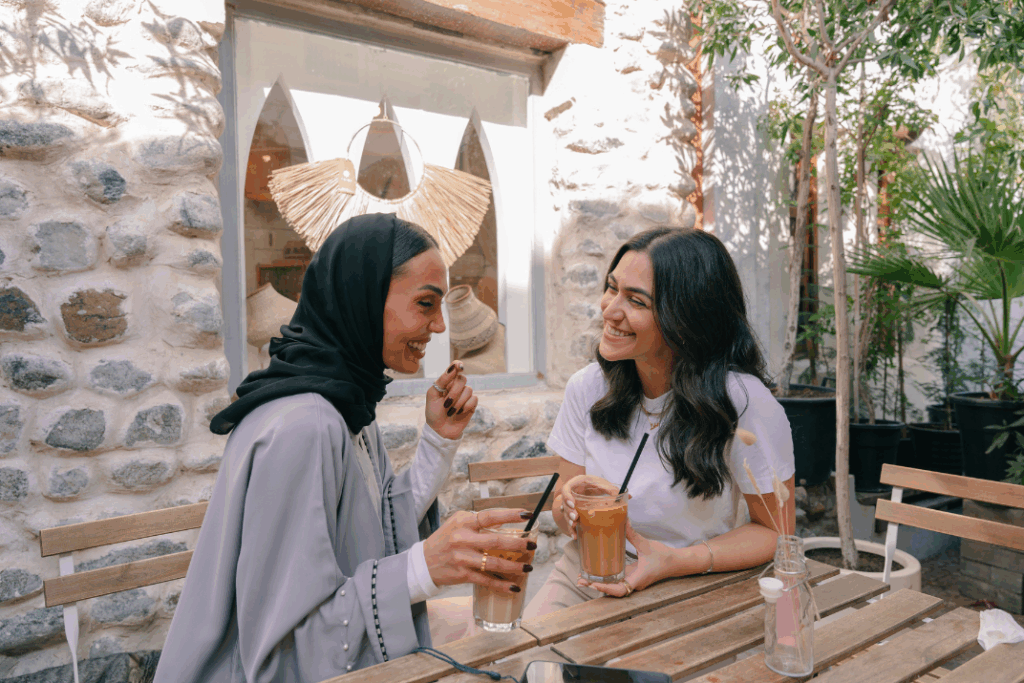
Start with one person. Suggest coffee, a walk, or lunch. Keep it short, direct, and low-pressure. The goal isn’t to plan a full reunion—it’s to create space for genuine presence.

2. Make It a Micro-Gathering


You don’t need a big event. Invite two or three women for something easy and consistent, like a monthly dinner, backyard catch-up, or Sunday morning hike.

3. Reclaim the Calendar


Block time for connection just like you would for work. Protect it. When connection is treated as essential, not optional, it shifts your priorities and energy.

4. Turn Digital Into Physical


Take the energy from a group text and move it offline. Use a funny meme as a reason to grab lunch. Let the virtual serve as a springboard to the real.

5. Choose Conversation-Friendly Environments


Avoid noisy venues or over-planned agendas. Pick places where connection flows easily—quiet cafes, walking trails, or cozy living rooms.

6. Name the Need


It’s okay to say: “I miss being with women in real life.” Vulnerability opens doors. Others are likely craving the same thing and just need a nudge.

7. Align Gatherings with Your Life Stage


Create space for conversations that reflect your now. This isn’t about reliving your twenties. It’s about honoring who you are today and what matters most.

Women in this life stage are often the emotional anchors for everyone else. Yet they quietly carry their own unmet need for connection. Digital chats might provide quick support, but they often reinforce performance over presence. Likes and heart reactions can never replace eye contact, laughter in real time, or the comfort of sitting beside someone who gets it.

Why These Small Shifts Matter So Much

The health risks of continued digital-only relationships are not minor. According to Harvard researchers, lack of meaningful in-person connection increases the risk of premature death as much as smoking 15 cigarettes a day. It elevates inflammation, disrupts sleep, and increases vulnerability to anxiety and depression. The body knows when something essential is missing.

Of course, digital communication has its place. It can maintain long-distance relationships and provide daily check-ins. But it shouldn’t be the foundation. A friendship rooted solely in group texts risks becoming shallow, performative, and emotionally unsatisfying. The warmth of real connection requires shared space.

For many high-achieving women, friendships have become something to squeeze in—a luxury, not a necessity. But the science says otherwise.

Social connection is as essential to health as movement and nutrition. And for those who crave deeper, more meaningful relationships, a blueprint exists.

You CAN Make This Happen In Your Life

Friendship After 40: The Blueprint to Finding Your People” offers a practical, reflective path forward. It’s not about increasing your social calendar. It’s about aligning it with what nourishes you. You deserve friendships that offer depth, not just updates.

Choosing to gather in person is an act of self-respect and a signal to others that connection matters. It reclaims time from the scroll and returns it to soul. It allows women to witness each other fully—not filtered through a screen, but in the glorious texture of real life.

So the next time the group chat pings, consider this: What if that message became an invitation? Not for more texts, but for tea. Not for reaction emojis, but for real-time reaction. What if the greatest shift in your social wellness started not with a swipe, but with a step out your front door?

The path from digital to embodied friendship isn’t a return to the past. It’s a return to what was always true: We are wired for presence. And the most transformative conversations still happen when we show up, not just sign on.

Warmly, Laura

You don’t have to choose between success and well-being. Step away from the chaos, reset your mind and body, and realign with what truly matters. Our wellness retreats, online courses, free resources give you the space to breathe, reflect, and design a life that feels fulfilling—without guilt, without compromise.

Be the first to know about upcoming retreats—join the info list for dates and details.

Let’s stay connected! Follow us on InstagramFacebookYouTubeLinkedIn, and Pinterest, and join the LAYLO Shala for exclusive updates and insights.
HOW TO ASK BETTER QUESTIONS TO BUILD BETTER FRIENDSHIPS

Unlocking Deeper Dialogue Through Better Questions

There’s an art to meaningful connection, and sometimes, all it takes is the right question to transform a brief exchange into an opportunity for genuine rapport.

Conversations don’t need to be grand to be impactful. In fact, subtle inquiries can spark vulnerability, trust, and connection—especially as we mature.

Why Better Questions Matter


Good questions serve as bridges. According to recent studies, close friendships built after age 40 tend to provide more emotional support and satisfaction—and asking the right questions is the gateway to these deeper bonds. One survey found that 82% of women over 40 report increased well-being when they nurture meaningful connections.

Meanwhile, failing to foster closeness through conversation has been linked to rising stress and depression, with adults over 45 who lack supportive communication experiencing 25% higher cortisol levels and a 30% greater incidence of depressive symptoms.

Open-Ended vs. Surface-Level


Small talk often starts with “How are you?” but that rarely opens doors. What if instead, you asked, “What’s something you recently discovered that brought you joy?” or “What part of your week are you already looking forward to?”

These open-ended prompts encourage reflection and invite others to share meaningful details. Over time, this gradual deepening builds trust—turning acquaintances into confidantes.

The Science of Connection


Research consistently shows that adults who engage in deeper conversations experience:

  • Improved cognitive health — one study found conversational engagement helped protect memory and mental agility.
  • Reduced stress and anxiety — sharing personal experiences lowers cortisol responses by 20–30%.
  • Greater emotional resilience — having at least two close confidants in midlife correlates with a 40% increase in psychological resilience.

Clearly, prompting deeper dialogue isn’t just pleasant—it supports mental and emotional vitality for adults in midlife.

Questions That Spark Connection


Wooden questions don’t foster warmth. That’s why we created the “10 Things to Say When You Don’t Know What to Say” cheat sheet. It’s a free guide packed with conversation starters designed for social smoothness—and built around research. A few highlights include:

  1. “What’s something that went right for you today—even if it was tiny?”
  2. “What’s been giving you a little spark lately?”
  3. “Has anything stretched you in a good way recently?”

Each of these Q’s is designed to go beyond the expected and get the A’s that get people talking. They’re short, yet powerful. And they can serve as catalysts for connection—shifting the tone from pleasant to purposeful.

How to Use Them Strategically


When meeting someone familiar—or introducing yourself to someone new—start with one of these questions. Listen fully, then respond empathetically. Follow-up is key:

  • When someone says, “I had a challenge at work,” reply, “That sounds tough—what part stretched you the most?”
  • If the response is, “I’m enjoying an art class,” ask, “What’s surprised you about exploring art at this stage?”

It’s this combination of thoughtful inquiry and engaged listening that transforms casual talk into moments of authentic exchange.

The Ripple Effect Over Time


Small questions yield big impact. Regularly engaging in deeper dialogue can cultivate friendships that withstand life’s seasons—from busy work periods to family transitions. One longitudinal study revealed that people over 40 who maintained three or more close friends experienced:

  • 50% fewer sleep disturbances
  • 35% lower rates of midlife depressive symptoms
  • 60% higher self-reported life satisfaction

In other words, richer conversations ignite friendships that support long-term wellness.

Transitioning Toward Community


A single question can ignite a friendship—but what happens next? Community-building is a natural next step. That’s why our Friendship After 40 course was designed to turn friendship sparks into lasting networks. And for those seeking immersive experience, The Soul Sanctuary Retreat offers 4 days of curated conversation, shared meals, and meaningful connection – plus a whole lot of fun and adventure!

But you don’t need to attend a retreat to begin. Grab “10 Things to Say When You Don’t Know What to Say” guide as your first step. Use the prompts in gatherings, group settings, or everyday chats. Notice how the tone shifts, how invitations open, how relationships deepen.

Putting It All Together


To recap how better questions lead to deeper connections:

  1. Purposeful prompts invite reflection beyond surface chatter.
  2. Empathic listening validates feelings and fosters reciprocity.
  3. Follow-ups show true interest and encourage further sharing.
  4. Continued use strengthens bonds and builds lasting emotional support.

By weaving these elements into daily interaction, you’ll shift small moments into meaningful progress. And for ongoing support, the Friendship After 40 program and The Soul Sanctuary Retreat offer structures to sustain and elevate your commitment to caring, mindful connection.

Final Invitation


Ready to pivot from polite greetings to purposeful conversation? Begin with the “10 Things to Say When You Don’t Know What to Say” freebie. Let those questions be your conversational compass—and watch how small conversations yield big shifts.

Your journey toward intentional social wellness begins with simple curiosity and thoughtful listening. And as each connection deepens, you enrich not only others—but your own sense of belonging and well-being.

Warmly, Laura

You don’t have to choose between success and well-being. Step away from the chaos, reset your mind and body, and realign with what truly matters. Our wellness retreats, online courses, free resources give you the space to breathe, reflect, and design a life that feels fulfilling—without guilt, without compromise.

Be the first to know about upcoming retreats—join the info list for dates and details.

Let’s stay connected! Follow us on InstagramFacebookYouTubeLinkedIn, and Pinterest, and join the LAYLO Shala for exclusive updates and insights.