Why Longevity Falls Flat If You Don’t Have This One Thing

So, you made it to 50-something. Congratulations.

You’re statistically likely to outlive your parents, spend a few decades post-menopause, and possibly still be paying off your kid’s college tuition while planning your retirement.

We’ve done it — we’re the generation with the highest life expectancy in history.
We’re also the generation that’s realizing, in real time, that no one warned us about what those extra years might actually feel like.

Yes, we’re living longer.
But are we living longer? Or just…stretching out the part where we carry all the weight without anyone checking if we’re okay?

The Fine Print on Living Longer

Here’s what they don’t mention when they celebrate life expectancy stats:

Living longer is only good news if your body still works, your mind still feels sharp, and you’ve got someone you can text when you’re spiraling at 11:38 p.m.

Otherwise, it’s just a longer stretch of pretending you’re fine while silently Googling “Why do I feel invisible?”

Research from the World Health Organization shows that, on average, we spend the last 5–10 years of life with diminished health — physical or cognitive or both.
Those years can start well before we’re ready if our support systems have quietly evaporated.

“Strong Social Ties Add Years to Your Life” Sounds Like a Small Thing — Until You Realize You Don’t Have Any

Social connection isn’t just a feel-good bonus. It’s a health factor. Strong relationships are proven to:

  • Lower your risk of heart disease, stroke, and cognitive decline
  • Improve immune function
  • Increase survival by up to 50%

But that stat hits differently when you’re in your fifties, looking around, and realizing the people you used to call don’t call back anymore. Or they moved. Or you changed. Or they didn’t.

You can have a full calendar and still feel unsupported.

That’s what makes aging harder than anyone admits. It’s not just the joints and the noise sensitivity. It’s the silence. The slow erosion of people who knew you when.

What Happens When You Live Long Enough to Outgrow Everyone?

No one talks about this part.

You grow. You heal. You finally figure some things out. But the people around you? Not all of them come with you.

Then you’re the most emotionally intelligent version of yourself, with no one to call on a Wednesday afternoon when life hits sideways.

The absence of real connection changes your health. It affects how your body recovers from stress, how fast your brain ages, and how vulnerable you are to chronic illness.

Wellness after 45 has to include social health. Anything less is just managing symptoms.

Here’s What No One Prepares You For

You might make it to 88.
You might still be working, traveling, staying active.
But if you get there without people who see you and hear you and sit with you in the messy middle of things, you will feel every minute of those extra years.

Most of us have already felt it.

That moment when you look up from the endless to-do list and think, “When did my life get so quiet?”
Not peaceful. Just absent of connection.

That’s when longevity stops feeling like a win.

You Can’t Schedule Meaningful Friendship, But You Can Choose to Rebuild It

There’s no adult version of homeroom. No group text waiting with the perfect support system.

If you want a connection, you have to initiate it.
If you want support, you have to build it.
If you want depth, you have to show up for it.

That takes energy. But not doing it takes more.

What Lasts is What YOU Build Today

If this is hitting a little close to home, you’re not broken. You’re just early to the truth most people try to avoid.

You don’t need 15 new friends.
You need one or two people who feel safe, honest, and easy to be around — people who remind you that connection doesn’t have to be complicated.

And if you don’t have that yet? Start where you are. You’re not behind. You’re ready.

LAYLO Wellness is here for that.
We are creating spaces where you can finally exhale, connect, and remember what feeling good actually feels like.

That’s when living longer feels like a reward; it means living better.

Warmly, Laura

LAYLO wellness centers social wellness—supported by mental clarity and movement—to help you live and work with more steadiness, connection, and longevity.

The LAYLO Editis where I share thoughtful, practical insight for real life.
Join for updates on upcoming experiences, including The LAYLO Collective, a small-group social wellness experience designed for real life, and Wellness Retreats.

Follow along on Instagram, Facebook, YouTube, LinkedIn, and Pinterest.
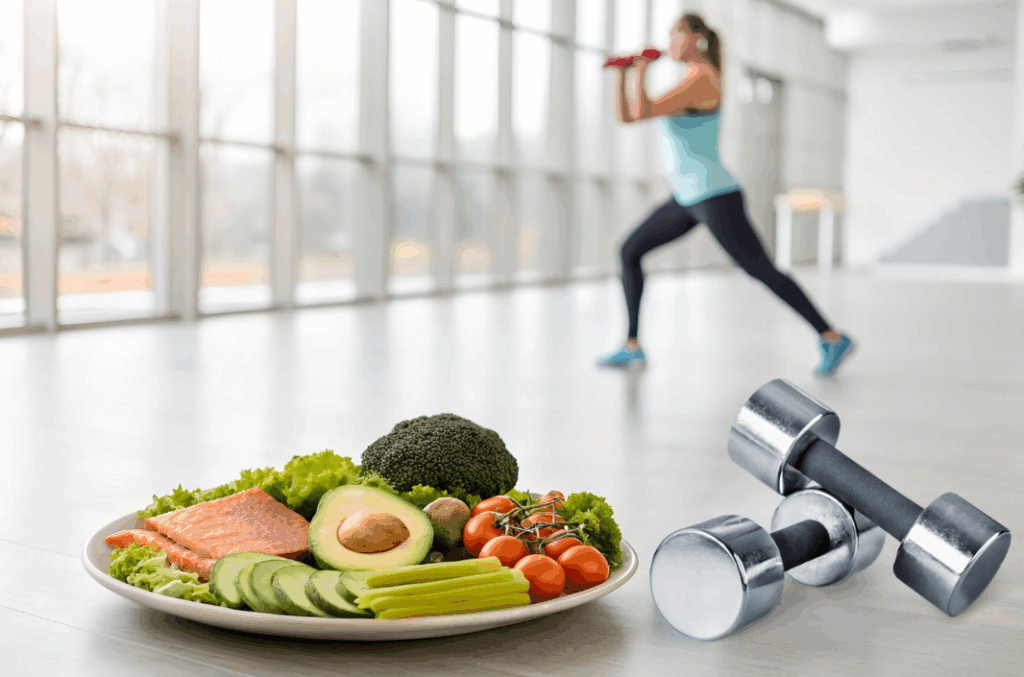
The Surprising Health Habit That Might Matter More Than Exercise

The Social Wellness Wake-Up Call

When we talk about wellness, we often jump straight to diet, exercise, or meditation.

But one of the most powerful, predictive indicators of long-term health isn’t a green juice or a workout regimen—it’s the strength of your relationships.

According to the Harvard Study of Adult Development, an ongoing 85-year study tracking the lives of hundreds of adults, the clearest predictor of a longer, healthier life isn’t cholesterol levels or career success. It’s connection. The quality of your relationships—particularly close friendships—correlates more closely with your physical health, emotional resilience, and even cognitive sharpness than almost any other factor.

And yet, friendships are the wellness habit we consistently ignore.

The Quiet Crisis of Disconnection

By the time you reach your 40s and 50s, the landscape of your social life has often shifted dramatically. The daily rhythms of raising children, managing careers, and caregiving for aging parents leave little time or space for cultivating meaningful connection. Many high-functioning, emotionally intelligent women—women who excel in every other area of life—are navigating this season with fewer close friendships than ever before.

Studies show that after the age of 40, women find it significantly harder to make new friends. A 2021 study published in the Journal of Social and Personal Relationships revealed that midlife adults report a steep decline in the number of people they consider confidants. For women, this loss is felt acutely: friendships have historically played a central role in female health and identity.

This isn’t just a social inconvenience—it’s a health hazard. Disconnection increases the risk of premature death at levels comparable to smoking 15 cigarettes a day, according to a meta-analysis by Brigham Young University.

Why Friendship Is Foundational, Not Optional

Connection isn’t a luxury—it’s a biological imperative. Relationships help regulate everything from heart rate to hormone levels. Close friendships can lower cortisol, reduce inflammation, and even bolster immune response.

What’s more, having people in your life who see you, who understand your history and your hopes, becomes especially important in midlife.

This is the season when roles shift—careers plateau, children leave, parents age—and the question of identity comes roaring to the surface.

The people who know you beyond your titles and responsibilities are the ones who can help you navigate that terrain.

Yet despite this knowledge, many women in this life stage find themselves without a reliable circle of support. Not because they’ve failed—but because they’ve prioritized everything and everyone else for decades.

The Emotional Toll of “Fine”

One of the most common phrases you hear from women in midlife is “I’m fine.” It’s code for keeping it all together, for managing what needs to be managed, for pushing through. But “fine” isn’t the same as fulfilled. And over time, the emotional toll of being “fine” without real connection can manifest physically—fatigue, inflammation, insomnia, weight gain—and relationally, through misattunement or growing emotional distance.

This is the wake-up call: social wellness isn’t something you fix when everything else is done. It’s the foundation everything else rests on.

Rebuilding Your Social Health, Intentionally

So where do you start if your friendship muscles feel out of shape?

First, recognize that you’re not alone—or broken. Social wellness in midlife requires intention, not magic. It starts with a mindset shift: understanding that connection is as essential as your morning run or your annual check-up.

Then, begin where you are:

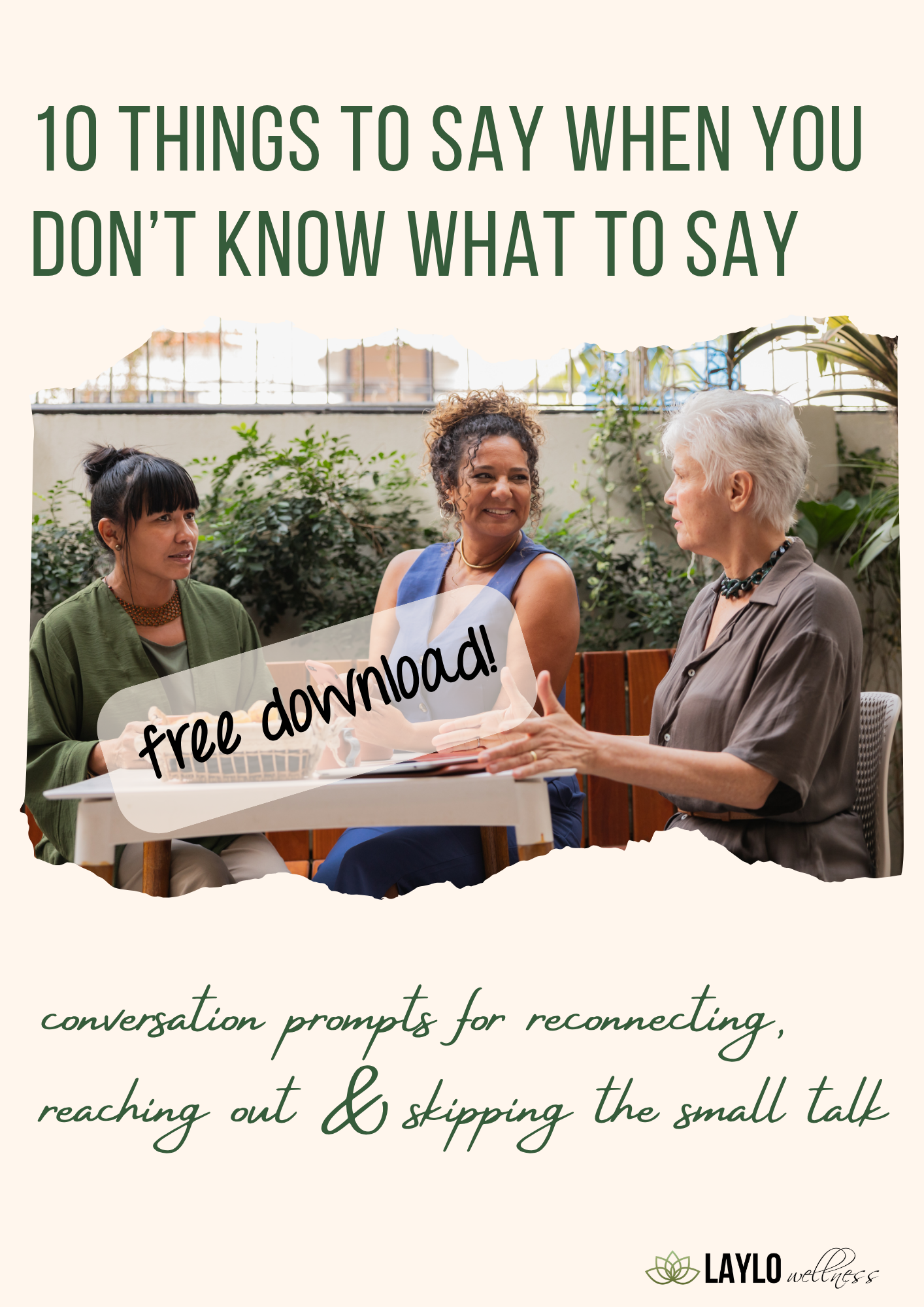
  • Say something real. Small conversations are the seeds of deeper connection. If you’re unsure what to say, try a tool like 10 Things to Say When You Don’t Know What to Say. These conversation starters are designed to help you move past small talk into real talk.
  • Get in the room. Courses and communities like Friendship After 40: The Blueprint to Finding Your People provide structure and shared language. They’re not about forced bonding—they’re about giving women a chance to reconnect to themselves and each other.
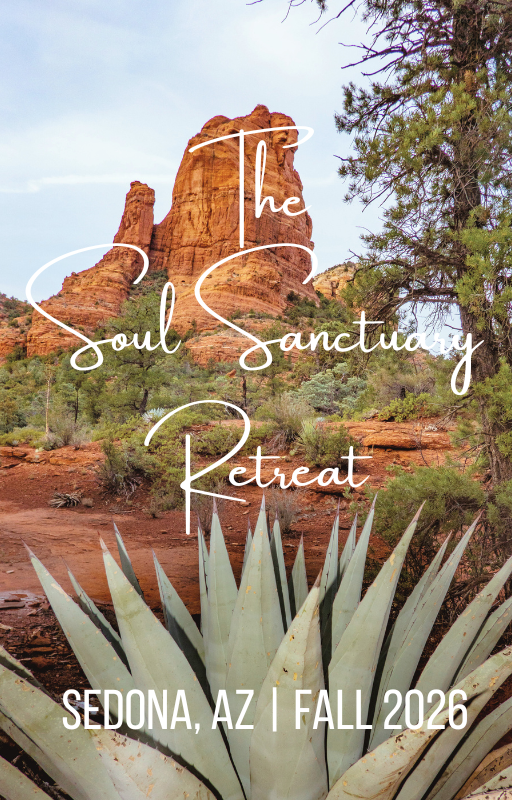
  • Prioritize immersion. Sometimes, you need a full reset. The Soul Sanctuary Retreat offers an intentional space where social wellness is integrated with rest, reflection, and real conversation. It’s not about escaping your life—it’s about returning to it more fully.

The Bottom Line: This Matters

If you’ve felt the nudge that something’s missing, pay attention. If your health feels “off” in ways you can’t name, consider that the missing piece might not be physical—it might be relational.

There’s no supplement for true friendship. No app that replaces being seen. No wellness tracker that can substitute for someone who checks in because they genuinely care.

Social wellness is not a side note. It’s the core.

And it’s never too late to tend to it.

Warmly, Laura

You don’t have to choose between success and well-being. Step away from the chaos, reset your mind and body, and realign with what truly matters. Our wellness retreats, online courses, free resources give you the space to breathe, reflect, and design a life that feels fulfilling—without guilt, without compromise.

Be the first to know about upcoming retreats—join the info list for dates and details.

Let’s stay connected! Follow us on InstagramFacebookYouTubeLinkedIn, and Pinterest, and join the LAYLO Shala for exclusive updates and insights.

The Surprising Social Benefits of Exercising With Others

benefits of exercise with others

It often starts with good intentions. You carve out time, lace up your shoes, and promise yourself that this week, you’ll get back on track.

But by Thursday, life has stepped in—a meeting runs long, your kids/parents need something, or the energy simply isn’t there. The motivation fades quietly.

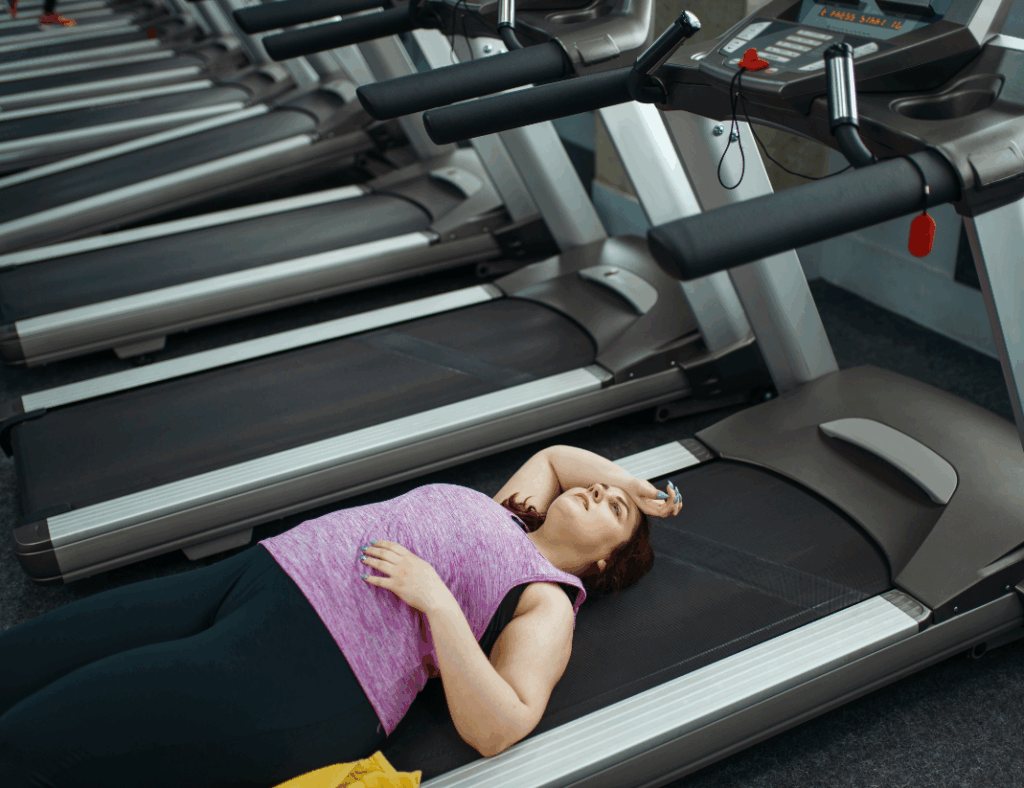
The treadmill sits untouched. Again.

This is where exercising with others can shift everything.

Shared physical activity offers more than fitness; it opens a door to meaningful social connection. For women navigating the complexity of midlife—juggling professional demands, caregiving, and an often-overlooked desire for personal fulfillment—movement becomes more sustainable and satisfying when it happens with others.

Why It Matters More After 40

As we age, maintaining physical activity becomes increasingly critical. After 40, muscle mass naturally declines by about 3-5% per decade, and bone density begins to drop, especially for women. According to the CDC, regular physical activity helps reduce the risk of chronic illnesses such as heart disease, type 2 diabetes, and osteoporosis. It also supports cognitive health, which becomes a growing concern in midlife.

But it’s not just about staying strong or staving off disease. What often gets overlooked is the profound connection between physical wellness and social health. Studies show that social connection is a critical predictor of long-term health. Adults with strong social relationships have a 50% increased likelihood of survival, according to research published in PLoS Medicine. Conversely, a lack of connection can increase risk for cardiovascular disease, cognitive decline, and even premature mortality.

And yet, for many women over 40, maintaining or forming new friendships feels harder than ever. Careers are demanding. Schedules are full. The old friend groups have drifted, and the idea of starting over feels overwhelming. But something powerful happens when you move your body alongside others: barriers drop, rhythms align, and relationships begin to form organically.

The Role of Positive Social Pressure

There’s a unique accountability that comes from showing up for someone other than yourself. When you commit to a walking group, a Pilates class, or a climbing session, you’re not just managing your own motivation—you’re part of something shared.

Positive social pressure keeps you engaged, even on the days when your energy is low or the calendar feels too full. It’s not about guilt or obligation; it’s about support. You move because others are moving too. You stay because you’re seen. Over time, this consistency builds both physical stamina and a sense of belonging.

Natural Community in Motion

Exercising with others doesn’t require deep conversations or forced bonding. It starts with a nod across the studio or a shared laugh in the parking lot. These small, repeated interactions create space for trust. Without the pressure of “catching up” or hosting coffee, movement-based meetups offer a low-maintenance way to reconnect with others and with yourself.

Whether it’s a spin class at your local gym, an early morning hike, or a casual game of pickleball, shared physical activity fosters a community of like-minded people. And for many women 40+, that’s exactly what’s missing: a circle of people who understand the mess, the beauty, and the realness of midlife.

What You Could Do (And How to Choose It)

You don’t need to go hardcore to feel connected.

What matters is choosing the kind of movement that aligns with your energy, your schedule, and your social bandwidth.

Here are a few ideas, categorized by how much social engagement they naturally invite:

High Interaction Activities:

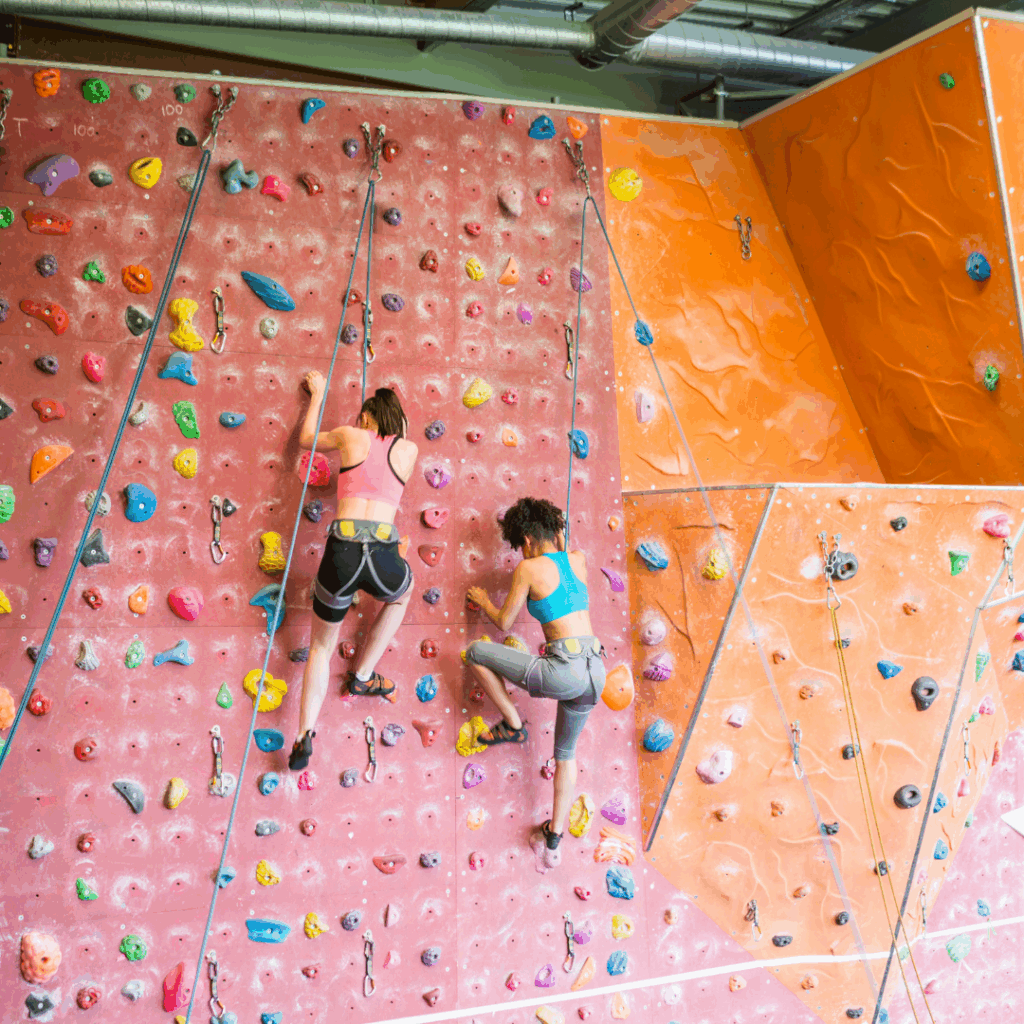
  • Rock Climbing: This requires communication and trust. Whether you’re belaying or being belayed, you’re in constant dialogue. It builds not just strength but connection.
  • Partner Yoga: Involves physical coordination and shared intention. Often done in small, supportive groups.
  • Strength Training With a Friend: Alternating sets, spotting one another, and cheering each other on adds both safety and encouragement to the routine.

Moderate Interaction Activities:

  • Group Hikes or Walks: These provide a relaxed setting for conversation without intensity. Ideal for building rapport over time.
  • Fitness Classes (like Pilates or Barre): You share space and routine with others, offering light social exposure with the option to engage more deeply over time.

Low Interaction but Still Communal:

  • Zumba or Dance Classes: High energy, shared rhythm, and optional connection. Being in the room is often enough to feel uplifted.
  • Open Gym Sessions: Working out near others may not spark deep conversation, but it still offers a sense of shared momentum.

By choosing activities that match your current need for connection, you create a sustainable routine. Some days you may want full engagement. Others, you may just want to be near people without having to perform socially. Both are valid.

More Than a Workout

What begins as a commitment to health can quietly become a doorway to belonging. That’s the magic of shared movement. It’s physical wellness that supports emotional wellness. It’s consistency that doesn’t feel like a chore. It’s a new conversation without needing to say much at all.

And in a season where friendships have changed, roles have shifted, and space for self has shrunk, this kind of connection matters. You don’t have to force it. You just have to show up.

If finding your people through movement feels like the next right step, remember: connection doesn’t always look like deep heart-to-hearts. Sometimes, it looks like lacing up your shoes and joining someone else on the mat, the trail, or the wall.

You don’t have to go it alone. You were never meant to.

Warmly, Laura

You don’t have to choose between success and well-being. Step away from the chaos, reset your mind and body, and realign with what truly matters. Our wellness retreats, online courses, free resources give you the space to breathe, reflect, and design a life that feels fulfilling—without guilt, without compromise.

Be the first to know about upcoming retreats—join the info list for dates and details.

Let’s stay connected! Follow us on InstagramFacebookYouTubeLinkedIn, and Pinterest, and join the LAYLO Shala for exclusive updates and insights.

THE TRUTH ABOUT MAKING FRIENDS MIDLIFE

Why Building Bonds Feels Tougher in Midlife

First, we see shifts in priorities. Career demands peak. Parenting responsibilities weigh heavier. Self‑care routines fill gaps once reserved for socializing. Suddenly, friendship isn’t a free block in your calendar—it becomes something you must protect. Making friends midlife begins to take a backseat to all. the. things.

Second, behavioral outlook changes. After 40, many of us adopt a more selective mindset. We sense which relationships align with our values and goals. That clarity is powerful, but it also narrows the window for new connections. You’re not just meeting people—you’re hunting for deeper resonance. Consequently, casual conversations may feel surface‑level or unfulfilling.

Third, societal dynamics have evolved. Conventional ways to make friends—community gatherings, sports leagues, after‑hours meet‑ups—have eroded. Fewer working‑class events, decreased workplace socializing, and growing digital bubbles mean we encounter fewer strangers who could become close pals. These structural factors quiet the chance-to‑connect moments that built friendships in past decades.

Moreover, let’s consider solid data: 40 % of adults over 40 report having three or fewer close friends. Among those ages 50–59, nearly one‑fifth says they feel emotionally unsupported. Research links unresolved social disconnection to a 30 % higher risk of cardiovascular issues—and a 26 % greater risk of overall mortality. In short, friendships aren’t optional therapy—they support our health and well‑being after 40.

How COVID‑19 Changed the Landscape

Then came the pandemic. When lockdowns began in early 2020, our social world contracted overnight. Zoom chats and socially distanced walks substituted familiar routines. Many companies went remote, cutting out coffee‑break conversations and after‑work social mixers. Neighborhood promenades became cautious, masked encounters. The result? A temporary rupture of weak social ties—those casual connections that had untapped potential to deepen.

Today, that rupture lingers. Some former work colleagues or parent connections turned into acquaintances who drifted away. Others tried virtual meet‑ups but lost momentum without in‑person chemistry. For people in their 40s and 50s, whose routines already left little margin for social experimentation, this interruption had long‑term consequences. In surveys taken in 2023, nearly half of respondents over 45 said their primary social circles include fewer new people than they did before 2020.

Behavioral Tendencies That Follow a Social Pause

As normal life returned, the thinning of social circles created two reinforcing effects:

  1. Withdrawal from new opportunities – Many felt hesitant to attend in‑person events after two years of distancing. Anxiety about unpredictable schedules or obligations grew. It became easier to stick with the same few friends rather than risk disappointment.
  2. High expectations for connection – Our social discomfort made us value deeper bonds immediately. We wanted conversations that mattered. Quick chats at a networking event weren’t enough. So we often skipped social gatherings entirely, feeling they wouldn’t deliver.

These behaviors compound the cycle: fewer invitations lead to fewer connections, which cultivates higher social standards, which in turn discourages participation. We want more authentic friendships—but our structure makes them harder to build.

What Happens When We Don’t Act

Unresolved disconnection carries real implications. Inside Connection + Community, we reference studies showing:

  • Adults without a solid social network face 50 % greater risk of cognitive decline by age 65.
  • Stress‑related hormones remain elevated in people who report low perceived support.
  • Those who feel socially impeded experience 3× the rate of depression symptoms.

In short, it’s not about only-child status or occasional weekend boredom.

Our mental and physical wellness and longevity intertwine with having supportive relationships. Neglecting friendship can erode vitality—mentally and physically—over time.

Shifting the Midlife Momentum with Purpose

But there’s hope. With intention and support, it’s possible to reshape social patterns and grow meaningful relationships. That’s where our Connection + Community program becomes essential.

Here’s how it works:

  • Structured support — We guide you to identify friendship goals, then offer a framework to act on them.
  • Meaningful exposure — Meet other midlifers facing similar social challenges and desires for closeness.
  • Skill building — Learn conversation techniques tailored for low‑pressure, high‑resonance interactions.
  • Sustained accountability — Regular check‑ins ensure you don’t slip back into avoidance or perfectionism.

By addressing both inner barriers (mindsets) and external hurdles (time, opportunity), the program dismantles the barriers we’ve outlined—digital distance, selective behavior, structural constraints.

Why It’s More Effective Than Going It Alone

You could attempt this solo: the truth is, if you could do it solo, you would already have it handled. Like a boss! But that route often overlooks what makes midlife unique. What isn’t visible in the self-help route? Schedules that actually work for busy parents or professionals. Space to explore without overspending. Social chemistry at a slower, authentic pace.

Connection + Community provides that curated bridge. You’re not just “putting yourself out there”—you’re joining a group of people who understand your point in life. We craft experiences to foster trust, vulnerability, and mutual growth. This systematic approach makes new friendships less of a gamble and more of a natural progression.

Final Takeaway

Making friends after 40 no longer just happens; it requires choice and cultivation. Behaviors, career patterns, and the long shadow of COVID‑19 have created a steeper climb. Yet with structure and connection, deep, supportive companionship is achievable—and essential. If you’re ready to regain momentum and design friendships that reflect who you are today, Connection + Community opens the door. Let’s rebuild your social world together.

Looking forward to walking this path with you.

laylo wellness

You don’t have to choose between success and well-being. Step away from the chaos, reset your mind and body, and realign with what truly matters. Our wellness retreatsonline courses, and free resources give you the space to breathe, reflect, and design a life that feels fulfilling—without guilt, without compromise.

Be the first to know about upcoming retreats—join the info list for dates and details.

Let’s stay connected! Follow us on InstagramFacebookYouTubeLinkedIn, and Pinterest, and join the LAYLO Shala for exclusive updates and insights.