
Are You Too Good For Your Own Good?

Have you ever noticed that the more capable you are, the more people seem to rely on you to solve things they could probably handle themselves?

Nobody announces this arrangement. It doesn’t arrive as a formal agreement. The shift happens quietly over time. You step in once because you’re helpful. You take responsibility another time because it seems efficient. Before long, you’re the unofficial solution department for half the people in your orbit.

At first it feels flattering. Being dependable earns respect. People trust you. Managers rely on you. Friends call when things fall apart. For someone raised to be responsible and capable, that role can feel natural.

Eventually a different realization creeps in.

You’re exhausted, slightly irritated, and wondering how everyone else managed to outsource so much of their responsibility to you.

That’s the moment when the phrase “no good deed goes unpunished” starts sounding less like sarcasm and more like a life strategy you accidentally adopted.

Helping once becomes helping always. Taking on a task becomes permanent ownership. Nobody holds a meeting to assign this role to you, yet everyone adjusts to it remarkably quickly.

I know this pattern well because I spent years living inside it.

Where the Habit Begins

For many capable adults, the instinct to accommodate others didn’t start at work. It started much earlier.

Some of us learned young that life ran smoother when we behaved, complied, and kept things calm. Questioning expectations created tension. Meeting them kept the peace. Becoming the responsible one felt like the smartest move in the room.

Growing up in a tightly controlled religious environment reinforced that lesson for me in a very direct way. Obedience carried real consequences, and pushing against expectations risked losing connection with people you loved. When belonging depends on compliance, most people become very skilled at meeting expectations.

That environment creates adults who are extremely capable.

It also creates adults who become experts at accommodating everyone else.

The habit doesn’t disappear when you grow up. It simply changes settings. Instead of keeping peace in a family structure, you begin smoothing situations at work, organizing social plans, fixing problems for friends, and stepping in whenever something feels inefficient or unresolved.

At the time it seems responsible.

Looking back, it also explains why so many capable adults quietly end up doing far more than their fair share.

When Being the Reliable One Follows You Into Your Career

Workplaces reward competence, which meant this habit slid neatly into my professional life.

Give me the complicated project nobody wants. Ask me to step into the messy situation that needs organizing. Tight deadline? Let’s make it happen.

Being capable helped me advance. It opened opportunities and allowed me to build a career I genuinely valued.

Yet there was a downside I didn’t fully understand for years.

People benefit enormously from the presence of someone reliable. Life becomes easier when there’s a person willing to step in and fix things quickly. Over time, appreciation can quietly morph into expectation without anyone intentionally deciding that’s what’s happening.

Managers route complicated work your way because you deliver results. Colleagues know you’ll handle details. Friends assume you’ll coordinate plans because you’re “so good at that.”

And if you’ve built your identity around being dependable, pushing back can feel like you’re betraying your own character.

So you keep saying yes.

You solve more problems. You accept more responsibility. You keep things moving.

The uncomfortable truth arrives later.

Many of the people benefiting from your effort aren’t particularly appreciative. They simply prefer the arrangement because it works well for them.

The Appreciation Myth

There’s a quiet belief many responsible adults carry.

“If I keep showing up for people, they’ll recognize it.”

Sometimes they do.

Often they do not.

In many situations, the response is surprisingly simple. People adapt to whatever system makes their life easier.

If someone consistently solves problems, others naturally stop solving those problems themselves.

A workplace study published in the Journal of Applied Psychology found that employees who frequently accept additional responsibilities outside their role are significantly more likely to receive even more unassigned tasks in the future.

That doesn’t happen because colleagues are malicious.

It happens because people adapt to patterns.

Once you become the person who handles everything, the system quietly reorganizes around that assumption.

The Identity Trap

Here’s the tricky part.

Walking away from this pattern feels strange because reliability often becomes part of how we define ourselves.

You’re the organized one. The capable one. The person who follows through when others don’t.

There’s pride in that identity.

There’s also pressure.

Research from the American Association of Retired Persons shows that nearly half of adults over forty feel responsible for maintaining most of the effort inside their friendships. Planning gatherings, checking in, smoothing tension, keeping the connection alive.

When one person carries that level of responsibility long enough, relationships begin to feel more like management than connection.

And that eventually wears people down.

What Resetting the Pattern Looks Like at Work

Most people know they need limits.

What they don’t know is how to express them without damaging professional relationships.

Blunt refusal rarely works in a workplace environment. A smarter approach shifts the conversation toward priorities.

If a new task lands on your desk, try this:

“I’m glad to help with this. Can we look at my current priorities together and decide which project should move so I can focus on this properly?”

That statement does two things at once. It shows cooperation while making the workload visible.

Another useful response:

“Happy to take this on. Which existing project would you like me to pause while I focus here?”

Now the responsibility for prioritization moves back to leadership where it belongs.

A third option works well when tasks drift toward the most capable person in the room:

“Who currently owns that area?”

Sometimes responsibility lands with you simply because nobody questioned the assignment.

That single question can redirect the conversation immediately.

How to Adjust Personal Relationships Without Creating Drama

Personal life requires a slightly different approach.

Reliable people often step in too quickly when someone mentions a problem. The instinct to help activates before the other person has even decided what they plan to do.

A simple pause can change that dynamic.

Let the silence sit for a moment.

Instead of solving the problem, try asking:

“What do you think you’ll do about it?”

That response keeps the conversation supportive while allowing the other person to handle their own responsibility.

You remain caring.

You simply stop taking over everyone else’s responsibilities.

A Question Worth Asking Yourself

This conversation also works in reverse.

Think about your friendships or family.

Is there someone who organizes the plans, remembers the details, checks in regularly, and smooths over problems when things get tense?

If someone comes to mind, it’s worth asking a couple of honest questions.

  • Have I come to expect that person will handle things because they always have?
  • When was the last time I stepped forward before they did?

Healthy friendships grow stronger when effort flows both directions.

The Bigger Picture

Connection matters more than most people realize.

The Harvard Study of Adult Development has tracked participants for more than eighty years and consistently finds that strong relationships are one of the most powerful contributors to long-term health and life satisfaction.

Balanced relationships create that benefit.

When one person constantly accommodates everyone else, connection eventually starts to feel one-sided.

That dynamic doesn’t serve anyone well.

The Good News

If you’ve spent years being too good for your own good, the solution isn’t to become a different person.

Reliability is still a strength.

The shift comes from choosing where that strength goes rather than offering it automatically to every request that appears.

Protect your time. Let other people handle their own responsibilities. Give your energy to relationships that return the same effort.

Life gets a lot more interesting when the capable person in the room stops volunteering for everything.

And when that change happens, friendships often become stronger because everyone finally shows up.

Not just the reliable one.

Warmly, Laura

LAYLO wellness centers social wellness—supported by mental clarity and movement—to help you live and work with more steadiness, connection, and longevity.

The LAYLO Editis where I share thoughtful, practical insight for real life.
Join for updates on upcoming experiences, including The LAYLO Collective, a small-group social wellness experience designed for real life, and Wellness Retreats.

Follow along on Instagram, Facebook, YouTube, LinkedIn, and Pinterest.

How to Outgrow a Friendship Without Burning It Down

If I put you on a stage and handed you a microphone and asked, “Who here feels fully supported by all their friendships right now?” a lot of you would shift in your seats.

You have a full life. A good life. You’ve done the work. Career. Marriage. Kids. Parents. Health. You show up. You deliver.

But when it comes to friendships? It’s murkier.

Here’s what nobody says out loud: sometimes you outgrow people. And it doesn’t make you a bad person.

It makes you honest.

Friendship After 40 Hits Different

In your twenties, proximity did a lot of the heavy lifting. Coworkers, neighbors, playgroups, carpools. You didn’t have to think about alignment. You just showed up, and the friendship formed.

Now? Time is tighter. Energy is finite. Your tolerance for nonsense has dropped dramatically.

Research backs up what you’re feeling. Nearly half of adults report having three or fewer close friends. Social circles shrink as we age. At the same time, decades of data from the Harvard Study of Adult Development show that the quality of our relationships predicts how well and how long we live.

That’s not a small detail.

Connection affects blood pressure. It affects immune health. It affects cognitive decline. Social strain raises stress hormones and disrupts sleep. We obsess over strength training and protein intake, and we that’s not a bad thing. It’s just not the whole thing. Relational stress quietly chips away at longevity.

So yes, the conversation about friendship is also a conversation about health.

When a Friendship Starts to Feel Off

You know the feeling.

You leave lunch slightly irritated.
Maybe you brace before seeing her name pop up on your phone.
Or You edit yourself more than you used to.

Nothing dramatic happened. There was no explosion. Just a slow drift.

Maybe you’ve grown. Or she hasn’t. Maybe you both have, just in different directions.

For a woman who prides herself on loyalty, this feels uncomfortable. You don’t quit on people or create unnecessary conflict. You handle your life.

So you do what “responsible” women do: You get busy. Cancel more often. Keep it surface-level.

That works for a while.

But avoidance has a cost. Unspoken frustration sits in your body. It shows up as tension, low-grade resentment, fatigue after interactions that used to energize you.

Over time, that drains more than you realize.

Discernment Is Not Drama

Let’s get something straight. Outgrowing a friendship does not require a confrontation scene.

It does require clarity.

Ask yourself Do:

  • Our values still line up?
  • I feel respected?
  • I feel like I have to shrink around her?
  • Am I staying because of history rather than current connection?

Every friendship hits seasons. Stress happens. Life gets messy. That’s normal.

What’s different is chronic misalignment.

In my earlier life, I learned the hard way what conditional relationships look like. When connection depends on compliance, you lose yourself quickly. Rebuilding my life meant choosing friendships differently. Shared values. Mutual respect. Emotional safety. That changed everything.

You don’t need a dramatic exit. You need self-respect.

Three Ways to Handle It Like a Grown Woman

Adjust the frequency.
You don’t need a speech. Move from weekly to quarterly. Shift from one-on-one dinners to group settings. Let the cadence reflect reality.

Tell the truth when asked.
If she notices and asks what’s going on, keep it simple. “I’m focusing on a few priorities right now.” That’s enough. You don’t owe a dissertation.

Reinvest your energy wisely.
When you loosen one tie, tighten another. Reach out to someone you admire. Text the woman you keep meaning to know better. Initiate. Yes, it feels awkward. Do it anyway.

Most women over 40 are out of practice initiating friendships. We got used to reacting to what our kids needed, what work demanded, what family required. Starting a new connection can feel clumsy.

That’s exactly why language matters. When you know what to say, you move. When you move, connection follows.

Longevity Loves Aligned Relationships

A 2010 meta-analysis found that strong social relationships increase survival odds by about 50 percent. That’s on par with quitting smoking.

Read that again.

Quality friendships protect your brain, your heart, and your emotional steadiness. They buffer stress, keep you engaged, and challenge you to grow.

This stage of life calls for fewer but better.

Women who age well socially don’t cling to every relationship out of guilt. They refine. They choose. Find ways to nurture what fits and respectfully release what doesn’t.

That’s grit and grace.

The Goal Is Respect, Not Ruins

You can appreciate what a friendship was and still admit it no longer fits who you are now.

Reduce access without hostility.
You can protect your energy without announcing it to the room.
Grow without burning anything down.

And if you find yourself in a quieter social season, that’s not failure. It’s recalibration.

This is where intentional spaces matter. Real conversations. Practical scripts. Women who are also refining their circles. Whether that’s learning what to say when conversations stall, following a clear path to finding your people after 40, or stepping into a retreat where connection happens naturally, structure helps.

You’ve evolved. Your friendships are allowed to evolve too.

No drama required. Just maturity, discernment, and a long view on your health and your life.

Warmly, Laura

LAYLO wellness centers social wellness—supported by mental clarity and movement—to help you live and work with more steadiness, connection, and longevity.

The LAYLO Editis where I share thoughtful, practical insight for real life.
Join for updates on upcoming experiences, including The LAYLO Collective, a small-group social wellness experience designed for real life, and Wellness Retreats.

Follow along on Instagram, Facebook, YouTube, LinkedIn, and Pinterest.

6 Powerful Exercise Shifts That Boost Mood and Protect Your Social Life

If your mood has felt heavier lately, pay attention.

This isn’t weakness. It isn’t laziness. And it’s not “just stress.”

It’s often biology meeting a sedentary life.

The research on exercise and depression has become impossible to ignore. Large reviews now show that structured exercise can significantly reduce depressive symptoms. In some analyses, the effects look similar to psychotherapy — and in limited head-to-head comparisons, even antidepressant medication.

That doesn’t mean you throw your prescription in the trash.

Medication decisions belong with your physician. Period.

What it does mean is this: movement deserves to be taken seriously as part of your mental health strategy.

For people juggling careers, families, aging parents, and their own expectations — that matters.

Because when your mood dips, your social life quietly shrinks. Plans get canceled. Texts go unanswered. You start telling yourself you’ll reach out when you “feel better,” but isolation lowers stimulation, reduces emotional buffering, and removes the very interactions that help regulate mood.

Over time, that withdrawal feeds the depression, and the depression feeds the withdrawal — a slow downward spiral that affects cognitive health, stress resilience, and even long-term physical outcomes.

Here are six exercise shifts that change that.

Stop Treating Exercise Like It’s About Your Jeans

    This is not about fitting into old denim.

    Exercise alters brain chemistry. It influences serotonin, dopamine, and norepinephrine. It reduces inflammatory markers linked to depressive symptoms. You’ll experience improved sleep architecture and stabilized energy.

    That’s psychiatric support, not vanity.

    Years ago, when my life felt unstable on multiple fronts, movement wasn’t about aesthetics. It was regulation. I found a measure of control when other things felt chaotic. It was proof that I could do something hard and come out stronger.

    If your mood feels unpredictable, start looking at exercise as maintenance for your brain.

    Discuss it with your clinician. Layer it into your care plan intelligently.

    Lift Heavy. Not Cute. Heavy.

      Resistance training consistently shows meaningful reductions in depressive symptoms across age groups.

      More importantly, it changes how you carry yourself.

      There’s something different about putting weight on a bar and standing up with it. Strength builds competence. Competence builds confidence. Confidence changes how you enter rooms.

      Muscle mass declines after 40. Mood can decline right along with it if you’re not careful.

      Strong women don’t disappear from their own lives as easily. They initiate plans and keep those commitments. They tolerate discomfort better.

      Your friendships benefit from that stability.

      Walk Like It’s Prescribed

        Brisk walking shows up repeatedly in depression research as effective. Nothing fancy required.

        Consistency beats intensity here.

        Thirty minutes. Most days of the week. No drama.

        Now add a layer most people skip.

        Invite someone.

        Meet at the same time every week. Take the same route. Let familiarity do the heavy lifting.

        Friendship erodes when repetition disappears. Walking restores repetition without turning connection into an obligation.

        Put Yourself in Rooms With Other People

          Depression narrows your world. It convinces you staying home is safer.

          Group exercise pushes back without forcing vulnerability.

          You show up, move, and leave. Over time, faces become familiar. Conversations grow organically.

          Research suggests group-based exercise may amplify mood improvements, likely because social interaction is built in.

          No awkward icebreakers. No small talk marathons. Just shared effort.

          That’s enough.

          Protect Consistency Like It’s Non-Negotiable

            Motivation fluctuates when mood fluctuates. Waiting to “feel like it” is a losing strategy. Don’t be fooled into thinking the motivation fairy is going to show up to get you out the door.

            Adherence predicts outcome in exercise research. Regular, moderate sessions outperform sporadic bursts of intensity.

            Put workouts on your calendar like client meetings. Cancel something else before you cancel that.

            Stable sleep improves emotional regulation. Stable energy reduces irritability. Regulated mood makes you more socially available.

            Less canceling. Fewer withdrawals. Stronger bonds.

            Pair Movement With Intentional Social Repetition

              Adults over 50 report having fewer close friends than they did decades ago. Some report none. Social isolation increases mortality risk and is linked to higher dementia rates.

              Those are not soft statistics.

              Physical inactivity and social disconnection often travel together. Exercise can interrupt both.

              Walking meetings. Weekly strength classes. Saturday hikes. A standing commitment that puts you in the same place at the same time with the same people.

              If conversation feels rusty, that’s normal. You’ve spent years managing logistics, not nurturing new friendships. Social reps work like muscle reps. They return with practice. Not sure how to get started? Find support from experts who can show you the ropes.

              A Clear Line in the Sand

              Exercise can significantly reduce depressive symptoms.

              It can complement therapy and medication.

              It should never replace prescribed treatment without medical supervision.

              Stopping antidepressants abruptly can cause withdrawal symptoms or relapse. Any treatment changes belong in a conversation with your healthcare provider.

              Be smart. Be strategic.

              Where This Lands

              You want steadier mood.
              You want more energy.
              And you want friendships that don’t feel like effort.

              Movement is one of the few interventions that touches all three at once.

              A stronger body supports a steadier mind. A steadier mind supports better connection. Better connection supports long-term health.

              That’s not hype.

              That’s leverage.

              Warmly, Laura

              LAYLO wellness centers social wellness—supported by mental clarity and movement—to help you live and work with more steadiness, connection, and longevity.

              The LAYLO Editis where I share thoughtful, practical insight for real life.
              Join for updates on upcoming experiences, including The LAYLO Collective, a small-group social wellness experience designed for real life, and Wellness Retreats.

              Follow along on Instagram, Facebook, YouTube, LinkedIn, and Pinterest.

              How to Navigate Toxic, Tricky, and Temporary Stress in Relationships

              You’re not going to get through life without difficult people. That’s not a warning—it’s just math.

              Human interaction involves friction. Sometimes it’s sandpaper that smooths your edges. Sometimes it’s a wrecking ball.

              How you respond depends on who’s holding the hammer.

              Let’s talk about the three types of stress-inducing relationships that most often drain capable adults: temporary stress caused by strangers, tricky dynamics with people you know, and toxic patterns that leave no option but separation.

              1. Temporary Stress: The Stranger Who Ruins Your Day (But Probably Shouldn’t)

              Someone cuts you off in traffic. The woman at the coffee shop loudly takes a business call on speaker. Your seatmate on the plane decides deodorant is optional. They might make your blood pressure spike, but here’s the deal: they are not your problem.

              Strangers and casual acquaintances rarely earn space in your mental ecosystem. But your nervous system doesn’t always know that. It reacts as if the stakes are personal. Learning to override that reflex matters.

              A 2021 study from the University of California showed that people who ruminate on daily annoyances report significantly higher stress levels at the end of the day. Not because the events were big—but because they let them linger.

              When a random person triggers frustration, the best tool is reframing. Will this matter in a week? Do you want to invite this person’s energy into your evening? Probably not. Take the hit, shake it off, and move on. Your peace is too expensive to rent out.

              2. Tricky Stress: The Person You Know (and Can’t Avoid)

              This is where things get real. The family member who criticizes under the guise of “concern.” The co-worker who turns every team meeting into a one-act play. The friend who drains your energy but has known you for years.

              You can’t ghost them. But you also can’t let them eat away at your well-being.

              Research from the American Psychological Association links chronic exposure to relational stress with increased risk of anxiety, depression, and even cardiovascular issues. The body keeps score. And the scoreboard lights up when you’re constantly bracing yourself.

              What works? Clarity. Not confrontation. Not avoidance. Clarity.

              Stop accommodating to the point of resentment. You don’t have to broadcast your limits, but you do have to enforce them.

              • If a co-worker corners you with gossip, change the subject or end the conversation.
              • If a family member criticizes your choices, say: “I’m not looking for input on that.”
              • If a long-time friend brings more stress than support, spend less time.

              This isn’t cold. It’s calibrated. Emotional maturity includes choosing your own peace without performing guilt.

              Anecdotally, I learned this the hard way. I once tolerated weekly coffee dates with someone who never asked a single question about my life. When I finally skipped a few, nothing imploded. The space felt like relief. That’s when I knew I wasn’t being cruel—just honest.

              3. Toxic Stress: The Person You Need to Walk Away From

              Some relationships don’t just stress you out. They gut your mental health, wreck your self-esteem, and chip away at your ability to trust your own instincts. These are the truly toxic ones—the manipulators, narcissists, and chronic emotional saboteurs.

              Going non-contact is not trendy. It’s not petty. And it’s not easy.

              The decision to cut off contact—especially with a parent, sibling, or spouse—comes with grief, backlash, and second-guessing. But if you’ve exhausted all reasonable efforts, and staying in the relationship means sacrificing your safety or sanity, then it’s the only responsible choice.

              Make the decision with care, not in reaction. When possible, explain it to the person—not to change them, but to be fair. Be ready: they will argue, deny, or attempt to charm their way back in. You owe them clarity, not access.

              According to a 2022 report by Psychology Today, going no-contact is on the rise—particularly among adults who grew up with high-control environments or emotionally abusive households. It’s not a trend. It’s a reckoning.

              One woman I worked with went no-contact with her father after years of trying to keep the peace. He dismissed her boundaries, bad-mouthed her to relatives, and manipulated her kids. When she finally drew the line, people said she was overreacting. But she finally slept through the night. That told her everything she needed to know.

              What This Means for You

              Here’s what most people don’t realize: you will outgrow some relationships, navigate friction in others, and need to cut ties with a few. That doesn’t make you difficult. It makes you discerning.

              But none of this is easy to do alone.

              We need people around us who remind us what safety feels like. Who help us recalibrate when someone else knocks us off balance. Who walk with us as we unlearn the reflex to over-function in relationships that don’t serve us.

              That’s the work we do inside The LAYLO Collective.

              Because dealing with difficult people is hard. But building the support system to face them? That’s possible—and worth it.

              Warmly, Laura

              LAYLO wellness centers social wellness—supported by mental clarity and movement—to help you live and work with more steadiness, connection, and longevity.

              The LAYLO Editis where I share thoughtful, practical insight for real life.
              Join for updates on upcoming experiences, including The LAYLO Collective, a small-group social wellness experience designed for real life, and Wellness Retreats.

              Follow along on Instagram, Facebook, YouTube, LinkedIn, and Pinterest.
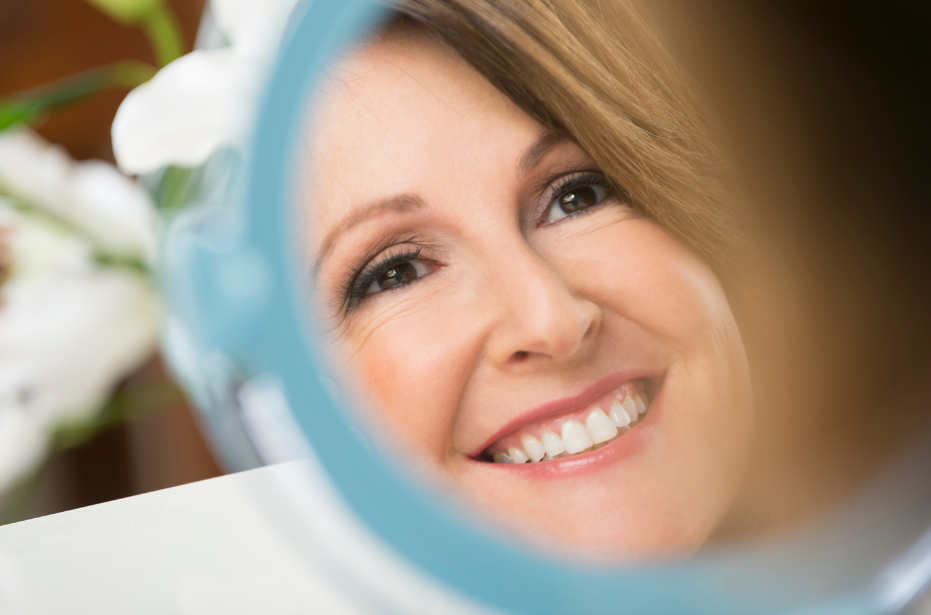
              The Fine Art of Being Yourself

              You don’t need a new you. You need the real you.

              Forget the reinvention. The rebrand. The polished version crafted to suit everyone else’s preferences.

              The real version—the one who got quietly sidelined to keep things running smoothly—is overdue for a comeback.

              Let’s be honest. Being yourself in today’s world is hard. Social pressure, family expectations, career roles—they all push you to mold and adapt. Especially for women over 45 who’ve spent decades managing other people’s needs, authenticity can feel like something you have to earn. And not without guilt.

              I heard a Mel Robbins podcast recently on this very topic and it stuck with me. Her take made me think about how many of us are waiting for permission to be who we already are. It got me thinking about what it looks like in real life.

              But here’s what actually happens: the longer you ignore your inner cues, the more depleted you feel. That inner friction? It’s your signal. Your nervous system knows something’s off. Your calendar doesn’t lie. Neither do your relationships.

              And while the outside world might reward performance, what sustains you is honesty.

              You Will Disappoint People

              Especially the ones who’ve gotten used to you being easy.

              Choosing yourself sometimes means saying no to what others expect just because they’re used to hearing yes. It means skipping the events, declining the tasks, and opting out of the roles that never quite fit.

              Some people won’t like that.

              Let them sit with it.

              Their disappointment isn’t proof you’re wrong. It’s proof that you’re no longer interested in maintaining a version of yourself that never worked in the first place.

              They will adapt. Or not. It is not your job to make yourself acceptable to them. It is your job to be yourself, and they can either recognize the importance of that or decide to opt out. Either way, you win because you are not longer putting energy towards things that don’t bring you joy.

              Which brings me to the next point…

              Look at What Drains You

              Start there. The commitments that feel like chores. The conversations that leave you flat. The rituals that don’t feel like yours.

              Redirect your energy to what aligns. Energy is a limited resource. If it’s being spent on obligation, it’s not available for truth.

              Once you reclaim that energy, your day-to-day life starts feeling more like yours.

              Confidence Comes Later

              Confidence isn’t step one. It shows up after you start living differently.

              You don’t have to wait to feel brave or certain. You just have to stop waiting.

              Confidence grows when you speak your actual opinion, make a decision that honors your needs, or leave a situation that drains you. It compounds. Eventually, it becomes part of who you are.

              Self-Respect Builds Better Relationships

              The more honest you become, the more you draw in people who can actually meet you there.

              You start noticing who values your time, who listens without needing you to shrink, and who doesn’t expect performance to maintain connection.

              Real friendship starts where people stop pretending. That includes you.

              Value What Sets You Apart

              The preferences you filter? The instincts you override? The traits you’ve tried to soften?

              Those are often the exact things that make you memorable.

              It’s easy to underestimate your originality when you’ve spent years being practical. But your edges matter more than your polish.

              Years ago, I didn’t celebrate Christmas. Sometimes, as a kid, I’ll admit that it made me feel out of step. Other kids felt sorry for me. But these days, I hear people say I’m lucky. Lucky not to deal with the forced hosting, gifting stress, or performative social calendars.

              The very thing that once made me feel left out? It became something others quietly wish they could opt out of, too. That’s the thing about living honestly—the benefits often show up later, but they show up.

              No One Else Lives Your Life

              Your opinion of your life is the only one that follows you home.

              Other people may offer commentary, judgment, or concern. They don’t live with the aftershocks. You do.

              So your internal compass matters more than external noise. And if it feels like you’re out of sync with your reality, it’s time to make a new one.

              You Can Have What Matters Most

              Not everything needs to be done, achieved, or maintained at once.

              Authenticity means making trade-offs that feel right. That kind of clarity isn’t failure—it’s relief.

              Sometimes career is topping the charts. Other times, it’s your personal interests and hobbies. Maybe you are in a “family first” phase. Every season of life has it’s own demands and you can have all of it. You just need to be honest with yourself that, right now, X is taking priority.

              If You’re Ready to Start Living Authentically:

              Warmly, Laura

              You don’t need another thing to keep up with. You need support that fits the life you’re already living.

              LAYLO wellness centers social wellness—supported by mental clarity and movement—to help you live and work with more steadiness, connection, and longevity.

              The LAYLO Edit is where I share thoughtful, practical insight for real life. Join for updates on upcoming experiences, including The LAYLO Collective, a small-group social wellness experience designed for real life, and Wellness Retreats.

              Follow along on Instagram, Facebook, YouTube, LinkedIn, and Pinterest.

              New Year, New Connections: Building Your Circle

              Social Wellness Isn’t a Side Goal — It’s Essential

              As the calendar flips to January, many set resolutions around fitness, finances, or productivity. Don’t get me started on my thoughts on “resolutions”. The word is nearly synonymous with “quit” or “joke”!

              Yet most overlook one of the greatest predictors of lifelong wellbeing: social wellness. Intentional relationships fuel joy, reduce stress, and anchor us during transitions large and small.

              If your social circle feels more accidental than deliberate, this year offers a fresh starting point.

              Research consistently shows that people who invest in meaningful relationships experience better mental health, stronger resilience, and even enhanced physical health outcomes compared with those who let connections fade without purpose. These benefits become especially critical as we move through midlife and beyond.

              Why Intentional Relationships Matter

              When we think of goals for the new year, social wellness rarely tops the list. But the science is compelling. People with strong, supportive connections have lower levels of stress hormones and better cardiovascular health. They are more likely to recover quickly from illness and report higher overall well-being. On the other hand, research reveals that adults without a clear plan to build and sustain social ties are at greater risk for poorer health outcomes and reduced satisfaction as they age.

              Intentional interaction isn’t just about spending time with others; it’s about the quality of those moments, the depth of connection, and having a sense of community that supports you through various life seasons.

              Audit Your Current Circle

              A powerful first step is a circle audit. Take time to reflect on your current relationships:

              • Who energizes you?
              • Who supports your goals, growth, and wellbeing?
              • Where are gaps — in fun, mentorship, or emotional support?

              Write down categories you want strengthened. This simple exercise brings clarity and intention to your social wellness plans.

              Identify Support Gaps

              Once you’ve audited your current circle, look for gaps that matter most to you. You might notice:

              • Fewer friends who share your interests
              • A lack of emotional support during life changes
              • Limited variety in relationship types (fun vs. deep conversations)

              Naming what’s missing empowers you to act strategically instead of drifting through your social life by default.

              Make One New Connection Goal

              Big social ambitions can feel overwhelming. Instead, start with one clear goal: make one new connection this month. It could be someone you’ve met but haven’t taken time to know. It might be through a class, group, or community event.

              If you feel stuck on what to say or how to start meaningful conversation, tools like 10 Things to Say When You Don’t Know What to Say give you practical language that opens doors to deeper connection without forcing anything artificial.

              Social Wellness for Every Type

              Different personalities thrive in different social settings — and there’s no one-size-fits-all strategy.

              If you’re energized by a few deep connections, focus on quality time with a small group. If you flourish in broad networks, make space for diverse activities and community groups.

              Regardless of style, grounding yourself in your natural preferences frees you from comparison and helps you build relationships that feel authentic and sustaining.

              A New Year, New Connection: A Personal Moment

              I remember a January when I resolved to reach out beyond my usual circle. I started with a simple message to someone I admired professionally and personally. That connection eventually became a vibrant friendship — one that shifted how I thought about outreach, openness, and the quiet courage it takes to make the first move. New connections often begin with a small step forward.

              Planning for Retirement and Social Wellbeing

              For many, the new year brings reflection on major life transitions — and retirement is a big one.

              If you’re approaching retirement or recently transitioned, this is a time when intentional social planning becomes even more vital.

              Research shows that people who enter retirement with a structured plan for social engagement and purpose report better emotional wellbeing and enhanced physical health compared with those who do not plan. Those with active social goals experience fewer stress-related symptoms, stronger daily motivation, and more consistent routines that support long-term health outcomes.

              On the other hand, adults who do not prepare for the social dimensions of retirement often find themselves without the rhythms and community that used to be built into their work life. This can lead to greater risk for emotional strain and decreased sense of purpose.

              Planning for this transition doesn’t demand grand gestures. It can start with defining the types of relationships you want to nurture, identifying communities you want to join, and establishing rhythms that keep you connected. Creating this plan can be as important to your new year as any fitness or financial goal.

              Practice Connection with Purpose

              As you build your social wellness strategy for the year, consider ways to practice intentional connection regularly. A great place to start is with the LAYLO Edit, a curated bimonthly newsletter that delivers practical tools, conversation-starters, and ideas directly to your inbox. It’s a simple way to stay grounded in what matters and connect with a wider circle of women doing life with intention. Whether you’re nurturing your closest friends or making room for new ones, this resource offers gentle structure to help you act with purpose.

              If you’re looking for deeper guidance on forging new relationships after 40, Friendship After 40: The Blueprint to Finding Your People helps you craft a social vision that fits your life. For those seeking immersive connection experiences, mini and full retreats provide a transformational space to expand your circle in an intentional, supportive environment.

              Start with One Intentional Step

              A new year invites new possibilities. But social wellness doesn’t happen by accident. It emerges from intentional choices — auditing your circle, identifying gaps, and making clear goals. When you invest in purposeful connections, you don’t just expand your social network — you strengthen the foundation for lasting wellbeing.

              This year, let connection be a promise to yourself that you can keep.

              Warmly, Laura

              You don’t have to choose between success and well-being. Step away from the chaos, reset your mind and body, and realign with what truly matters. Our wellness retreats, online courses, free resources give you the space to breathe, reflect, and design a life that feels fulfilling—without guilt, without compromise.

              Be the first to know about upcoming retreats—join the LAYLO Edit for exclusive updates and insights, as well as wellness tips for real life. 

              Let’s stay connected! Follow us on InstagramFacebookYouTubeLinkedIn, and Pinterest.