How To Safeguard Your Relationships This Holiday Season

The Holiday Friendship Plan

As the year winds down, the holidays tend to bring more than festive décor and full calendars.

They arrive with a pressure that many feel but few name: the quiet expectation to maintain picture-perfect relationships amidst emotional exhaustion.

If you are already managing careers, caregiving, and countless responsibilities, this season can stretch emotional capacity to its brink. And too often, the relationships that matter most go unprotected.

Safeguarding your connections before the holiday stress sets in isn’t just wise—it’s essential. With a clear plan, you can reinforce your most important relationships, sidestep avoidable tension, and preserve the energy you need to truly enjoy the season.

Why Relationships Need Protection Now

By the time most women reach their 50s, friendships have shifted dramatically. According to a 2021 study from the Survey Center on American Life, 40% of adults over 45 report having three or fewer close friends, and 12% say they have none. The number of confidants has declined over the past three decades, even as the need for emotional support remains high.

More importantly, research from the National Institute on Aging confirms that low-quality or strained relationships in midlife are strong predictors of chronic health conditions, cognitive decline, and decreased immune function. These aren’t simply emotional inconveniences. They’re wellness disruptors.

The holiday season amplifies relational dynamics. Unspoken expectations, family history, and time constraints all converge, often placing undue stress on already fragile connections. That’s why safeguarding your relationships now is a form of preventive care.

The Cost of Avoiding Protection

When connection is left to chance during high-stress times, old wounds resurface and boundaries blur. Women who don’t proactively reinforce their social wellness often report feeling emotionally drained and relationally disconnected by January. They enter the new year not rested, but recovering.

Without a protection strategy, small misunderstandings escalate. Invitations feel obligatory instead of joyful. Emotional capacity wanes, and the season designed for closeness leaves many feeling distanced.

Your Relationship Protection Plan

Relational wellness doesn’t happen by default—it happens by design.

Here’s how to create a safeguard strategy that carries you through the season with clarity, compassion, and calm.

  1. Define Your Emotional Boundaries
    Know how much energy you can realistically give. Not every event requires attendance. Protect your peace by choosing with intention.
  2. Secure Nourishing Interactions Early
    Schedule meaningful conversations or gatherings now with those who replenish you. Advance planning protects your calendar from overflow.
  3. Use Tools That Open Safe Dialogue
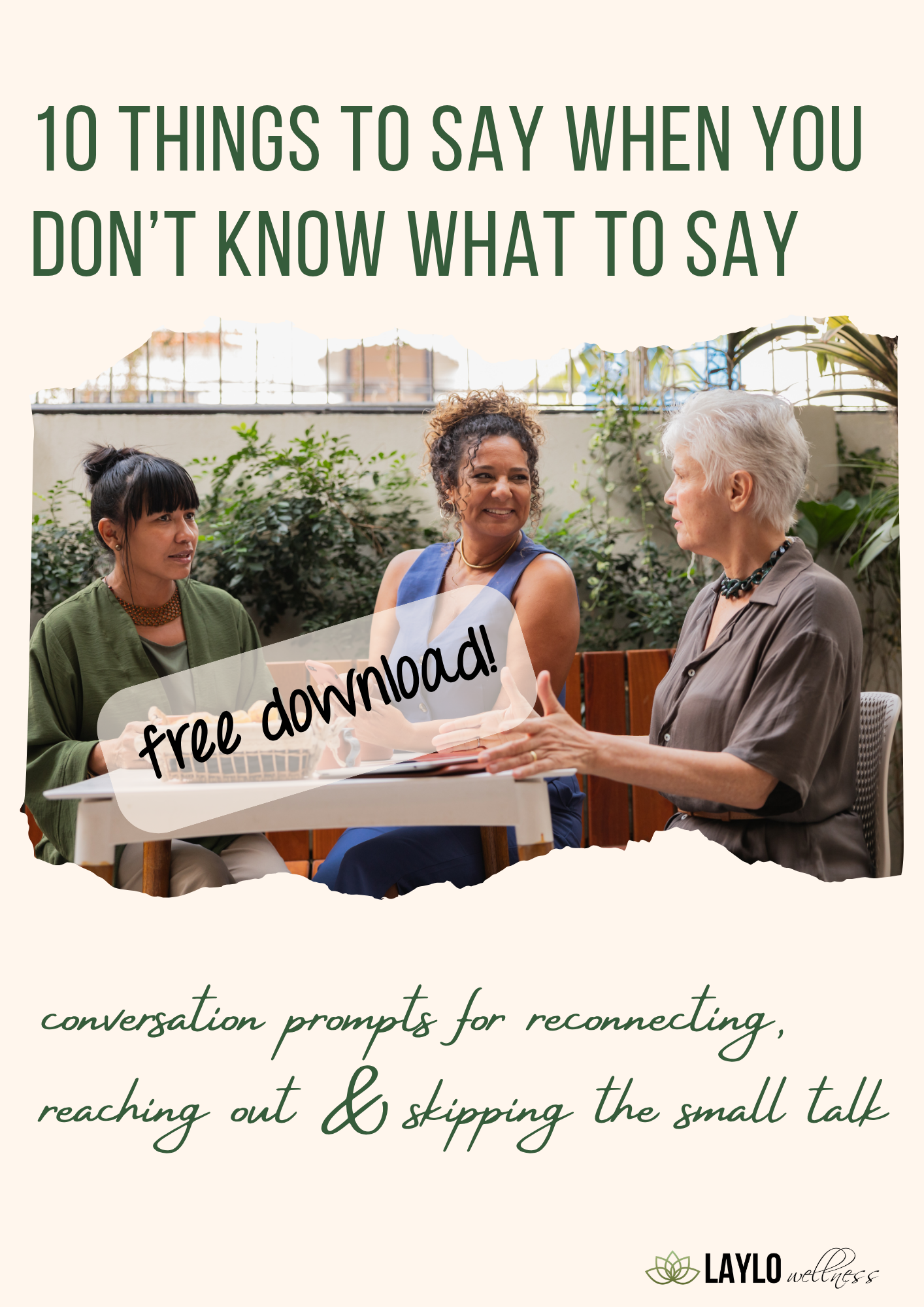
    Avoid surface-level interactions by using resources like 10 Things to Say When You Don’t Know What to Say. They create space for meaningful, low-pressure conversations.
  4. Communicate Expectations Clearly
    If you need emotional support, help with planning, or quiet time, say so. Naming your needs protects against resentment and misalignment.
  5. Reinforce New Connections Intentionally
    If your circle feels thin, don’t wait for the new year to take action. Friendship After 40: The Blueprint to Finding Your People offers a grounded path to build strong, genuine bonds.
  6. Plan Your Post-Holiday Reset
    Safeguard your emotional recovery time. The Soul Sanctuary Retreat or a Wags and Wellness experience can offer replenishment after a full season.

Protecting Connection Is Protecting Your Health

Treating your relationships as something worth guarding is not indulgent—it’s smart wellness. When you protect your connections, you also protect your emotional and physical well-being.

This season, aim for relationships that feel like refuge, not responsibility. Safeguarding them now ensures that what matters most stays intact, no matter how hectic the holidays become.

Don’t wait for stress to test your relationships. Shield them now, and let the season unfold with more ease and authenticity.

Warmly, Laura

You don’t have to choose between success and well-being. Step away from the chaos, reset your mind and body, and realign with what truly matters. Our wellness retreats, online courses, free resources give you the space to breathe, reflect, and design a life that feels fulfilling—without guilt, without compromise.

Be the first to know about upcoming retreats—join the info list for dates and details.

Let’s stay connected! Follow us on InstagramFacebookYouTubeLinkedIn, and Pinterest, and join the LAYLO Shala for exclusive updates and insights.

7 Winter Wellness Rituals That Actually Fit Into a Full Life

As the temperature drops and daylight shortens, so does the natural inclination to withdraw.

Cold seasons often invite us to retreat indoors and hibernate, but this can quietly chip away at both our physical fitness and sense of connection.

For many, the winter months can also amplify an already subtle ache for deeper friendships and sustained energy. This season holds a unique opportunity: to reclaim both movement and connection in ways that ground and energize.

Why Cold-Season Rituals Matter More Than Ever

Winter has a measurable effect on both body and mind. Research from the CDC notes that physical activity in adults significantly declines during colder months, and this drop is more pronounced in women over 45. What starts as skipping a walk due to cold can quickly become a pattern of decreased mobility, lower mood, and diminished connection.

At the same time, studies from the National Institute on Aging show that people with fewer meaningful social interactions face increased risks of cognitive decline, heart disease, and even shortened lifespans. Movement and social engagement are not seasonal luxuries. They are non-negotiable pillars of midlife wellness.

7 Rituals to Reclaim Energy and Connection This Winter

These winter wellness rituals are designed to be sustainable, nourishing, and genuinely effective. Choose one or two to start, and let them anchor your season.

1. The 15-Minute Morning Movement
Begin the day with gentle motion: yoga stretches, a short walk, or resistance band work. Keep it simple and consistent. This ritual awakens your body and signals the start of a day centered on care rather than urgency.

2. The Connection Walk
Bundle up and walk while leaving a voice message for someone you miss. Or schedule a walk-and-talk with a friend. Movement paired with connection builds momentum in both areas.

3. The Window Stretch Reset
In the afternoon slump, stand by a window for five minutes and move gently: neck rolls, hamstring stretches, shoulder openers. Let natural light reset your internal rhythms.

4. The Two-Way Check-In
Every week, choose two people to reach out to: one to check in on, and one to open up with. Use a prompt from 10 Things to Say When You Don’t Know What to Say if conversation feels rusty.

5. The Cozy Gathering
Plan one simple in-person event for the month: a soup swap, book circle, or tea hour. Keep the vibe low-prep and authentic. These grounded rituals lay the foundation for lasting connection.

6. The Movement Buddy Ritual
Commit to a weekly movement session with someone else—even virtually. Shared accountability makes movement more enjoyable and more likely to happen.

7. The Restorative Review
Each Sunday evening, take 10 minutes to review what felt good that week. Was it the walk? The text exchange? The stretch? Let what worked guide the week ahead.

Why These Rituals Work

Each of these seven rituals blends movement and social nourishment in small, doable ways.

Research from Brigham Young University shows that strong social ties increase survival rates by over 50%. Meanwhile, studies on behavior change confirm that pairing movement with existing routines makes it more likely to stick.

More importantly, these rituals remind you that wellness doesn’t require an overhaul. Just intention, consistency, and a willingness to show up for yourself in small ways.

Let Winter Teach You How to Reconnect

Winter invites inwardness—not isolation, but inner recalibration. It’s a season that can strengthen your inner circle and your physical body, if you let it. The key is not to fight the season, but to work with it. To create rituals that invite movement and connection in small, sustaining ways.

Start with just one change. One friend. One movement ritual. Then let it grow.

What You Can Do Today

  1. Text one person and invite them for a short walk this weekend.
  2. Try a new movement class online that feels fun and approachable.
  3. Use a prompt from 10 Things to Say When You Don’t Know What to Say to restart a paused conversation.
  4. Explore the Blueprint if your social landscape feels like it’s shifted and you’re unsure where to begin.
  5. Consider a Soul Sanctuary Retreat to immerse yourself in deep rest, movement, and connection without pressure.

Make This Season Work For You

You don’t have to wait for spring to feel better. Winter can be a season of clarity, connection, and strength—if you claim it. The routines you choose now can shape how you feel not just in the cold months, but long after. This isn’t about doing more. It’s about choosing what truly sustains you.

Warmly, Laura

You don’t have to choose between success and well-being. Step away from the chaos, reset your mind and body, and realign with what truly matters. Our wellness retreats, online courses, free resources give you the space to breathe, reflect, and design a life that feels fulfilling—without guilt, without compromise.

Be the first to know about upcoming retreats—join the info list for dates and details.

Let’s stay connected! Follow us on InstagramFacebookYouTubeLinkedIn, and Pinterest, and join the LAYLO Shala for exclusive updates and insights.

5 Ways to Rebuild a Friendship That Drifted Apart

It happens quietly. One day you’re texting daily, and the next, it’s been six months. Not because something went wrong, but because life accelerated and your friendship faded into the background.

Reconnection after this kind of drift feels vulnerable. What if it’s awkward? What if the timing is off? But what if it works?

Many midlife professionals carry the invisible weight of relationships left in limbo. As responsibilities grow, so does the tendency to withdraw. Yet social wellness isn’t a bonus in our 40s and 50s—it’s a cornerstone of health.

A growing body of research links strong adult friendships with improved longevity, emotional regulation, and even cognitive sharpness. Without these connections, the risks compound: a 2023 meta-analysis found that adults with weak social ties face a 29% higher risk of heart disease and a 32% increased likelihood of stroke.

The desire to reconnect isn’t just sentimental. It’s strategic.

Understanding a Friendship Drift

Midlife drift isn’t dramatic. It’s usually a slow fade. Careers evolve. Family obligations shift. Health, aging parents, and geographic changes all interfere. The result? Once-close friends become occasional “likes” on social media. For high-functioning women who excel at managing crises and multitasking, maintaining connection often falls to the bottom of the list.

Ignoring the drift doesn’t erase the longing for connection. It just masks it behind a busier calendar.

Sometimes, this disconnection also comes from unspoken assumptions. We assume they’ve moved on. We convince ourselves they’re too busy or wouldn’t want to hear from us. But often, the silence is mutual. They’re waiting, too. They’re juggling their own responsibilities, wrestling with their own quiet longing for reconnection. Someone just has to go first.

Why Reconnection Matters

Reconnecting is about reclaiming the parts of ourselves that only certain people bring out. Specific friendships hold mirrors to our truest selves—who we were, yes, but also who we still are underneath the layers of responsibility. When those mirrors are gone, self-awareness dims.

Friendship in this life stage focuses on resonance. Research from AARP shows that adults over 45 report significantly higher well-being when they maintain at least one emotionally supportive relationship. It’s more than just being social; it’s about being seen.

Quality connections buffer the stress of caregiving, career shifts, and even hormonal changes. Emotional closeness provides a type of regulation that no productivity hack can replace. This is why reconnection isn’t a luxury—it’s part of a broader commitment to wellbeing.

Approaching with Courage and Clarity

So how do you reach out after time has passed?

Clarity first. Get honest about why you want to reconnect. Is it guilt? Curiosity? Genuine affection? Nostalgia? Anchor in sincerity. The strongest reentries into friendship come from a place of grounded truth, not obligation.

Next, lead with courage. You don’t need a perfect script. A simple message can open the door:

“You’ve been on my mind. I’d love to catch up, if you’re open to it. No pressure—just wanted to reach out.”

This kind of message invites reconnection without demanding it. It leaves room for the other person to say yes, no, or not right now—and all of that is okay.

If that feels too direct, consider sending a small gesture: a thoughtful article, a shared memory, or even a compliment. These micro-signals can lower the stakes while still signaling care.

Navigating the Uncomfortable Middle

There might be some awkwardness. That’s natural. Give the conversation space to unfold. Don’t rush to fill silence. Avoid overexplaining the time gap. Instead, focus on the present:

What’s different in your life now?

What do you need in a friendship today?

What do you admire about how they show up in the world?

Meaningful reconnection happens when both people feel safe enough to be honest, even if that honesty includes uncertainty.

And remember: you’re not just resuming an old rhythm, you’re creating a new one. Your capacity, your needs, your rhythm—they’re all different now. Let the friendship evolve with you.

When It Doesn’t Rekindle

Not every attempt leads to renewal. Sometimes you reach out and realize the connection has shifted permanently. That doesn’t mean the effort was wasted. It means you honored your inner tug for wholeness. You practiced presence. You gave that chapter a conscious close.

In fact, clarity—even if it confirms distance—is still a form of connection. It frees you to invest in friendships that align with who you are now, not just who you were then.

Letting go with love is just as important as holding on with intention. And that kind of discernment builds the emotional maturity that deep, sustainable friendships require.

The Bigger Picture: Social Wellness as Strategy

Reconnection is more than relational. It’s restorative. When you reclaim meaningful ties, you reinforce your identity. You increase emotional bandwidth. You create micro-moments of joy and resonance that buffer against burnout.

One conversation can ripple into an entire season of change. When it feels right, consider spaces that support deeper community: small group dinners, a trusted women’s circle, or even a retreat designed for renewal. These aren’t indulgences. They’re infrastructure for a life that sustains you.

Some women find their way back to connection through structured support—like prompts that help open dialogue, a guided friendship blueprint, or immersive experiences that break the ice. These tools aren’t crutches. They’re bridges.

Reconnection after drift asks for courage. But the reward is clarity, community, and the quiet strength that comes from knowing you’re not alone.

Warmly, Laura

You don’t have to choose between success and well-being. Step away from the chaos, reset your mind and body, and realign with what truly matters. Our wellness retreats, online courses, free resources give you the space to breathe, reflect, and design a life that feels fulfilling—without guilt, without compromise.

Be the first to know about upcoming retreats—join the info list for dates and details.

Let’s stay connected! Follow us on InstagramFacebookYouTubeLinkedIn, and Pinterest, and join the LAYLO Shala for exclusive updates and insights.

7 Subtle Signals That Reveal Your Emotional Energy Patterns

Emotional energy shapes how we engage with the world. It’s not just about what we do, but how we feel before, during, and after those experiences.

Midlife, with its shifting priorities and layered responsibilities, invites a closer look at what drains us and what sustains us.

Let’s dive into the seven subtle but telling signs that reveal whether something is depleting your emotional reserves or building them back up.

These signs are backed by research and are designed to help you reflect—so you can begin making small, intentional shifts toward emotional sustainability. Because energy is finite, and how we spend it determines far more than we often realize.

1. Emotional Dissonance

If you consistently feel required to present a different emotion than what you’re actually experiencing, that mismatch can quietly tax your energy. This is called emotional dissonance, and it’s been linked to long-term fatigue and burnout in studies on workplace psychology. Whether at work or in relationships, this repeated suppression of your real emotional state is draining—even if you’re skilled at hiding it.

2. Drop in Post-Interaction Clarity

After certain interactions, do you feel foggy, agitated, or uncertain? That lingering mental haze is a signal. Energizing interactions tend to bring clarity or peace. Draining ones leave residue—mental clutter that slows your ability to think clearly afterward. This is especially important in conversations where expectations were unclear or emotional labor was high.

3. Subtle Avoidance Behaviors

You start rescheduling, responding slowly, or feeling tension before certain meetings or calls. These micro-avoidances are protective instincts—your body recognizing a source of drain before your mind fully names it. Over time, these small patterns can reveal which connections or obligations no longer align with your current emotional bandwidth.

4. Inconsistent Energy for Similar Tasks

You’re energized by leading a project one month, and depleted by a nearly identical one the next. This isn’t inconsistency—it’s context. Emotional capacity is dynamic. It shifts based on sleep, stress, hormones, and invisible internal loads. Recognizing that change helps you stop pathologizing your dips—and instead honor them.

5. High Need for Decompression

After certain interactions or events, you require more decompression than usual. Whether it’s extra silence, a walk, or extended rest, that need is a cue. It’s not a flaw—it’s feedback. High-quality relationships and tasks may leave you pleasantly tired but rarely require emotional repair.

6. Repeating the Same Internal Scripts

After emotionally costly experiences, do you replay what you should have said, question your role, or seek validation post-event? These mental loops are often signs of unresolved energy expenditure. They indicate situations that overrode your internal signals—or where your emotional boundaries were tested.

7. Shifting Emotional Payoff

Something that once energized you now leaves you depleted. This could be a social group, volunteer role, or even a tradition. It’s not failure; it’s change. Emotional payoffs aren’t fixed. What once fed you may not match your current values or needs. That shift deserves attention, not guilt.

What to Do With This Awareness

Once you spot these signs, the next step is subtle course correction. Keep a log of what patterns emerge. Which people, roles, or routines give more than they take? Which reverse that balance?

You don’t need to overhaul your life. Begin with boundaries. Add recovery time. Reframe how you engage with draining patterns—or step away when needed.

Friendships, in particular, require energy. But when chosen wisely, they repay it many times over. Midlife offers a chance to invest in connections that don’t just occupy your calendar—but restore your capacity.

Here are several ways to act on this awareness:

1. Create a Weekly Energy Audit

Take 10 minutes at the end of each week to jot down interactions, events, or tasks that left you feeling nourished vs. depleted. Look for patterns—not just the content of what you did, but how it felt before and after.

How to do it: Use a two-column format (Energized / Depleted). Keep it simple. Even a short list will offer insights over time.

2. Build in Recovery Windows

Recognize that after emotionally demanding activities, you may need intentional recovery. This isn’t indulgence—it’s maintenance.

How to do it: Schedule a 15-minute buffer between meetings, a walk after social events, or a quiet night after a full day. Treat it as essential, not optional.

3. Communicate Emotional Limits

It’s possible to stay connected while still expressing where your limits are.

How to do it: Say, “I’d love to connect, but I only have about 20 minutes today,” or “Can we talk tomorrow instead? I want to be more present.” These boundaries protect both your capacity and your relationships.

4. Reduce Overexposure to High-Cost Interactions

Not every connection needs to be preserved at the same intensity. You can step back without stepping out entirely.

How to do it: Shift from weekly to monthly check-ins, opt for voice notes instead of long calls, or engage in shared activities that reduce conversational demand.

5. Nourish What Replenishes

Once you identify the people and practices that restore you, make space for them proactively—not just when you’re already depleted.

How to do it: Schedule regular time with people who make you feel grounded. Protect low-stimulation activities (reading, creating, walking) that restore internal calm.

These shifts, while simple, compound over time. Awareness becomes action. Action becomes habit. And habits, when built intentionally, shape a more sustainable emotional life.

Preserve your energy. Spend it on what sustains you.

Warmly, Laura

You don’t have to choose between success and well-being. Step away from the chaos, reset your mind and body, and realign with what truly matters. Our wellness retreats, online courses, free resources give you the space to breathe, reflect, and design a life that feels fulfilling—without guilt, without compromise.

Be the first to know about upcoming retreats—join the info list for dates and details.

Let’s stay connected! Follow us on InstagramFacebookYouTubeLinkedIn, and Pinterest, and join the LAYLO Shala for exclusive updates and insights.

The Unexpected Power Move That Reignites Friendships

Physical Resilience Is Social Resilience

Somewhere between work obligations, caregiving, and the invisible labor of showing up for everyone else, your body has absorbed more than stress.

It’s absorbed silence. Stillness. A kind of erosion that isn’t always easy to name—but it shows up in how you feel, how you move, and how you connect.

The truth is, physical strength isn’t just about staying mobile or managing your health. It fundamentally changes how you inhabit your life. When your body feels strong, you navigate the world with more presence, more self-trust, and more confidence in your interactions. You stop bracing for exhaustion. You begin anticipating engagement.

The Science Behind Strength and Social Engagement

Research consistently shows that people who maintain physical activity as they age experience sharper cognitive function, reduced anxiety, and more emotional regulation—all critical ingredients for healthy social relationships. The National Institutes of Health notes that adults who engage in regular physical activity are more likely to report stronger social ties.

In fact, a 2023 study published in Frontiers in Psychology found that individuals with higher physical functioning were more socially active and reported greater satisfaction in their friendships. Movement boosts serotonin, improves mood, and helps reduce the friction that makes social interaction feel like a chore instead of a gift.

But beyond mood, there’s a deeper transformation that takes place when you actively rebuild strength. It isn’t just your muscles adapting. Your mind is, too.

How Strength Training Shapes Mental Confidence

When you begin lifting weights or engaging in structured strength training, you start to witness measurable progress. You see what you can do. You recognize what you once thought was difficult is now manageable. That shift—from doubt to belief—builds a kind of quiet self-assurance that bleeds into every other area of your life.

Strength training doesn’t just change your physique. It changes your internal narrative. You stop questioning whether you can handle what life throws at you. You know you can. The barbell becomes a metaphor: if you can learn proper form, stay consistent, and trust the process in the gym, what else might you be able to approach differently?

And that mental clarity? That steady, grounded confidence? It follows you into conversations. Into friendships. Into rooms where you might have once stayed silent.

Why It Feels So Hard Right Now

As we get older, maintaining strength takes more intention—but it’s also more important than ever. What once came effortlessly now requires scheduling, preparation, and sometimes recovery. And in midlife, the stakes shift. You’re not working out for aesthetics or achievement. You’re doing it for capacity. For clarity. For connection.

If you’re hesitating to move because it feels indulgent, consider this: your body isn’t a vanity project.

It’s a vehicle for presence. When you feel physically depleted, it becomes harder to engage socially.

You cancel plans. You stay quiet in group settings. You retreat. Over time, this pattern affects your friendships more than you realize.

Physical Depletion Leads to Social Drift

There’s a compounding cost to not rebuilding your physical reserves. The CDC reports that inactivity increases the risk of depression by up to 30%. Add to that the emotional labor of caregiving or professional overfunctioning, and it’s no wonder so many women find themselves feeling disconnected.

Social drift doesn’t just happen because people move or get busy. It happens when we’re too tired to reach out. Too drained to be present. And often, too ashamed to admit it.

That’s why rebuilding your physical resilience is more than a health goal. It’s a social one.

Strength Is a Social Catalyst

Confidence isn’t always about charm or extroversion. Often, it’s about feeling at home in your own body. When you walk into a room knowing that you can lift your own groceries, climb stairs without needing a break, or hold a plank for a full minute, something in you changes.

You don’t shrink back. You don’t second-guess whether you belong. Strength training translates to a deeper belief in who you are—not just what you can physically do.

And that belief is contagious. When you show up as someone who feels grounded and self-assured, others respond differently. Conversations deepen. Invitations increase. Relationships shift from effortful to energizing.

Reclaiming Strength as a Social Strategy

You don’t need to run marathons. But you do need movement that restores.

Walking with a friend. Joining a community yoga class. Dancing in your kitchen. Lifting weights while listening to a podcast. The form matters less than the function: these actions create space for you to reconnect—to yourself and to others.

Think about the last time you said yes to an invitation and genuinely enjoyed it. Chances are, your body wasn’t in a state of depletion. Physical energy creates emotional availability.

Rebuild, Then Reach Out

If it’s been a while since you felt strong in your own body, begin small. Commit to 10 minutes of movement. Do it daily. As your body rebuilds strength, notice how it subtly changes the way you engage.

You might initiate plans instead of waiting for someone else. You might feel less guarded in conversation. You might even start to believe that new friendships are possible again.

Because they are.

And if you need support as you re-engage, consider:

Why This Matters Now

Physical resilience doesn’t just keep you standing tall. It keeps you socially open, emotionally present, and relationally alive. In midlife, when so much around you is changing, strength is one of the few things you can rebuild on your own terms.

And when you do, your relationships often follow.

Warmly, Laura

You don’t have to choose between success and well-being. Step away from the chaos, reset your mind and body, and realign with what truly matters. Our wellness retreats, online courses, free resources give you the space to breathe, reflect, and design a life that feels fulfilling—without guilt, without compromise.

Be the first to know about upcoming retreats—join the info list for dates and details.

Let’s stay connected! Follow us on InstagramFacebookYouTubeLinkedIn, and Pinterest, and join the LAYLO Shala for exclusive updates and insights.

The Surprising Health Habit That Might Matter More Than Exercise

The Social Wellness Wake-Up Call

When we talk about wellness, we often jump straight to diet, exercise, or meditation.

But one of the most powerful, predictive indicators of long-term health isn’t a green juice or a workout regimen—it’s the strength of your relationships.

According to the Harvard Study of Adult Development, an ongoing 85-year study tracking the lives of hundreds of adults, the clearest predictor of a longer, healthier life isn’t cholesterol levels or career success. It’s connection. The quality of your relationships—particularly close friendships—correlates more closely with your physical health, emotional resilience, and even cognitive sharpness than almost any other factor.

And yet, friendships are the wellness habit we consistently ignore.

The Quiet Crisis of Disconnection

By the time you reach your 40s and 50s, the landscape of your social life has often shifted dramatically. The daily rhythms of raising children, managing careers, and caregiving for aging parents leave little time or space for cultivating meaningful connection. Many high-functioning, emotionally intelligent women—women who excel in every other area of life—are navigating this season with fewer close friendships than ever before.

Studies show that after the age of 40, women find it significantly harder to make new friends. A 2021 study published in the Journal of Social and Personal Relationships revealed that midlife adults report a steep decline in the number of people they consider confidants. For women, this loss is felt acutely: friendships have historically played a central role in female health and identity.

This isn’t just a social inconvenience—it’s a health hazard. Disconnection increases the risk of premature death at levels comparable to smoking 15 cigarettes a day, according to a meta-analysis by Brigham Young University.

Why Friendship Is Foundational, Not Optional

Connection isn’t a luxury—it’s a biological imperative. Relationships help regulate everything from heart rate to hormone levels. Close friendships can lower cortisol, reduce inflammation, and even bolster immune response.

What’s more, having people in your life who see you, who understand your history and your hopes, becomes especially important in midlife.

This is the season when roles shift—careers plateau, children leave, parents age—and the question of identity comes roaring to the surface.

The people who know you beyond your titles and responsibilities are the ones who can help you navigate that terrain.

Yet despite this knowledge, many women in this life stage find themselves without a reliable circle of support. Not because they’ve failed—but because they’ve prioritized everything and everyone else for decades.

The Emotional Toll of “Fine”

One of the most common phrases you hear from women in midlife is “I’m fine.” It’s code for keeping it all together, for managing what needs to be managed, for pushing through. But “fine” isn’t the same as fulfilled. And over time, the emotional toll of being “fine” without real connection can manifest physically—fatigue, inflammation, insomnia, weight gain—and relationally, through misattunement or growing emotional distance.

This is the wake-up call: social wellness isn’t something you fix when everything else is done. It’s the foundation everything else rests on.

Rebuilding Your Social Health, Intentionally

So where do you start if your friendship muscles feel out of shape?

First, recognize that you’re not alone—or broken. Social wellness in midlife requires intention, not magic. It starts with a mindset shift: understanding that connection is as essential as your morning run or your annual check-up.

Then, begin where you are:

  • Say something real. Small conversations are the seeds of deeper connection. If you’re unsure what to say, try a tool like 10 Things to Say When You Don’t Know What to Say. These conversation starters are designed to help you move past small talk into real talk.
  • Get in the room. Courses and communities like Friendship After 40: The Blueprint to Finding Your People provide structure and shared language. They’re not about forced bonding—they’re about giving women a chance to reconnect to themselves and each other.
  • Prioritize immersion. Sometimes, you need a full reset. The Soul Sanctuary Retreat offers an intentional space where social wellness is integrated with rest, reflection, and real conversation. It’s not about escaping your life—it’s about returning to it more fully.

The Bottom Line: This Matters

If you’ve felt the nudge that something’s missing, pay attention. If your health feels “off” in ways you can’t name, consider that the missing piece might not be physical—it might be relational.

There’s no supplement for true friendship. No app that replaces being seen. No wellness tracker that can substitute for someone who checks in because they genuinely care.

Social wellness is not a side note. It’s the core.

And it’s never too late to tend to it.

Warmly, Laura

You don’t have to choose between success and well-being. Step away from the chaos, reset your mind and body, and realign with what truly matters. Our wellness retreats, online courses, free resources give you the space to breathe, reflect, and design a life that feels fulfilling—without guilt, without compromise.

Be the first to know about upcoming retreats—join the info list for dates and details.

Let’s stay connected! Follow us on InstagramFacebookYouTubeLinkedIn, and Pinterest, and join the LAYLO Shala for exclusive updates and insights.