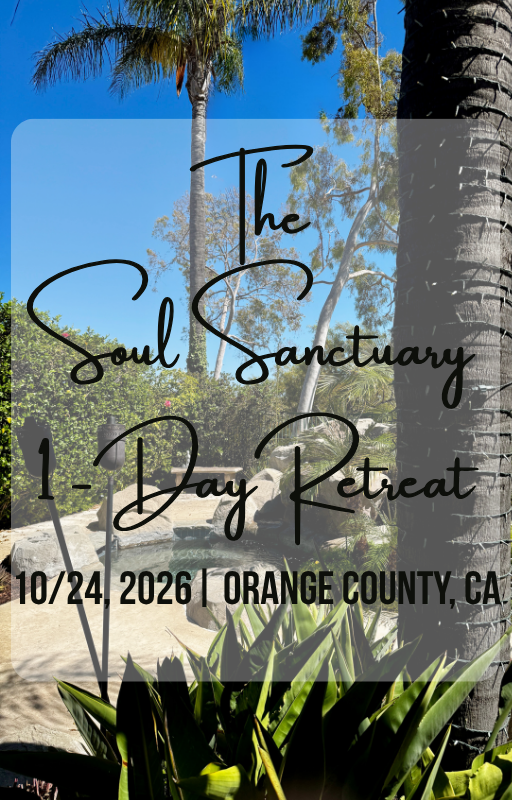
Big life transitions don’t arrive quietly.
A relationship ends. You move across the country. Someone you love is no longer here. A career that defined your days comes to a close.
Even the changes you chose, the ones you worked toward for years, can feel unsteady once you’re inside them.
You expect change. You might not expect how much disappears with it.
Routines fall away. Familiar faces are no longer part of your day. Places that once felt automatic now require effort. Even small decisions take more energy than they used to.
That’s where vulnerability starts to show up.
Your energy feels inconsistent. You spend more time alone than you meant to. There’s a quiet sense that something is off, even if you can’t immediately name it.
This pattern runs through most major transitions. One of the biggest – retirement – amplifies it.
Because retirement doesn’t only shift your schedule. It removes a structure that shaped how you spent your time for most of your adult life, who you interacted with, and how you measured your value.
Few people are prepared for that part.
Research shows the first year after retirement often brings a drop in mental well-being, especially when social interaction declines. At the same time, strong relationships remain one of the most reliable predictors of long-term health. Social isolation increases the risk of early death by nearly 30%.
When your focus is tied up in adjusting, your social and mental stability can slip without much warning.
That’s where people lose their footing.
This next phase requires more than filling time. It asks for intention.
Create Structure Before the Drift Sets In
When structure disappears, most people assume they’ll naturally find a new rhythm.
That rarely happens.
Open space feels good at first. Then days start to blur. You delay decisions. You tell yourself you’ll get organized once things feel more settled.
That delay stretches longer than expected.
Retirement brings this into sharp focus. Without built-in commitments, it becomes easy to move through the day without direction.
Structure brings shape back to your time.
Set anchors. A morning walk you don’t skip. A standing plan with someone else. A commitment that gets you out of your own head.
Consistency matters more than intensity here.
Reevaluate Your Relationships Without Holding Onto Old Versions
Transitions reveal which relationships were built on convenience.
Shared schedules, proximity, overlapping responsibilities—remove those, and some connections fade quickly.
That shift can feel personal, but usually it isn’t.
Many people at this stage notice their circle getting smaller. At the same time, meaningful relationships become more important for emotional stability and cognitive health.
This is where discernment comes in.
Notice who still feels easy to be around. Pay attention to who shows up without needing to be chased. Be honest about who no longer fits your life as it is now.
Let some relationships go without overanalyzing them.
Then make space for new ones that reflect who you’ve become.
Stop Waiting for Connection to Happen
Connection used to be built into your day.
Now it isn’t.
That shift requires a different level of effort. Not constant effort, just willingness to act.
Hesitation tends to creep in here. You think about reaching out, then talk yourself out of it. You assume people are busy, thinking, “I don’t want to feel like I am coming out of left field”.
So nothing happens.
Days pass. Then weeks. Connection shrinks quietly when it isn’t maintained.
Take the lead. Send the message. Suggest the plan. Follow up.
If that feels unfamiliar, that’s normal. Most people are out of practice. Tools like “10 Things to Say When You Don’t Know What to Say” help remove that initial friction so you can move forward without overthinking.
Relationships require movement. Without it, they stall.
Stay Engaged in Work That Uses Your Experience
Work provided you with more than income.
It gave structure, relevance, and a place where your input mattered.
When that disappears, something feels off, even if you can’t immediately explain why.
Staying engaged fills that gap in a meaningful way.
Mentoring, consulting, contributing to projects where your experience has weight—these keep you connected to a sense of usefulness.
Research links this kind of engagement to better mental health and longer life expectancy.
You don’t need a packed schedule. You need something that reminds you your experience still matters.
Keep Your Mind and Body Challenged
It’s easy to slide into comfort when demands drop.
Less movement. Fewer new experiences. Lower expectations. That shift adds up.
Cognitive function declines faster without stimulation. Physical strength follows a similar pattern, especially after 50.
Staying active requires intention.
Learn something unfamiliar. Revisit an old interest with fresh focus. Move your body in ways that demand effort.
Challenge keeps you engaged with yourself.
Expand Your Environment
A smaller routine often leads to a smaller world.
Same places, same conversations, same patterns on repeat.
Changing your environment interrupts that cycle.
Travel works, but it doesn’t need to be elaborate. A short trip, a new setting, even a different part of your own city can shift your perspective.
New environments stimulate the brain and increase overall satisfaction with life.
Movement changes how you think.
Decide What This Next Phase Looks Like
Some people move through transitions by default.
They fill time where they can. They react to what’s in front of them. Maybe even avoid making clear decisions about what they actually want.
That approach creates a low-level dissatisfaction that lingers.
This phase gives you space. What you do with it matters.
Think about how you want your days to feel. Consider who you want around you. Be honest about what no longer fits.
Clarity changes how you move.
Without it, you fall into patterns that don’t serve you. With it, you begin to shape something that does.
When Everything Changed, This Is What Made the Difference
There was a period in my own life where everything shifted at once. Relationship, location, identity. Nothing familiar to lean on.
What stood out wasn’t the big decisions. It was the small moments where nothing felt automatic.
I remember standing in a grocery store in a new city, staring at the shelves longer than necessary. Not confusion, just a lack of familiarity. Even basic routines were gone.
That loss of autopilot is part of every major transition.
What helped was deciding, deliberately, what stayed and what changed. Who I kept close. Where I put my energy. What I allowed into my life moving forward.
Those little decisions rebuilt stability over time and actually opened a new career path for me.
The same approach applies here.
And when it comes to rebuilding your social world, “Friendship After 40: The Blueprint to Finding Your People” offers a clear way to create connections that actually fit your life now.
Because the people around you will shape how this next phase feels.
LAYLO wellness centers social wellness—supported by mental clarity and movement—to help you live and work with more steadiness, connection, and longevity.
The LAYLO Editis where I share thoughtful, practical insight for real life.
Join for updates on upcoming experiences, including The LAYLO Collective, a small-group social wellness experience designed for real life, and Wellness Retreats.
Follow along on Instagram, Facebook, YouTube, LinkedIn, and Pinterest.