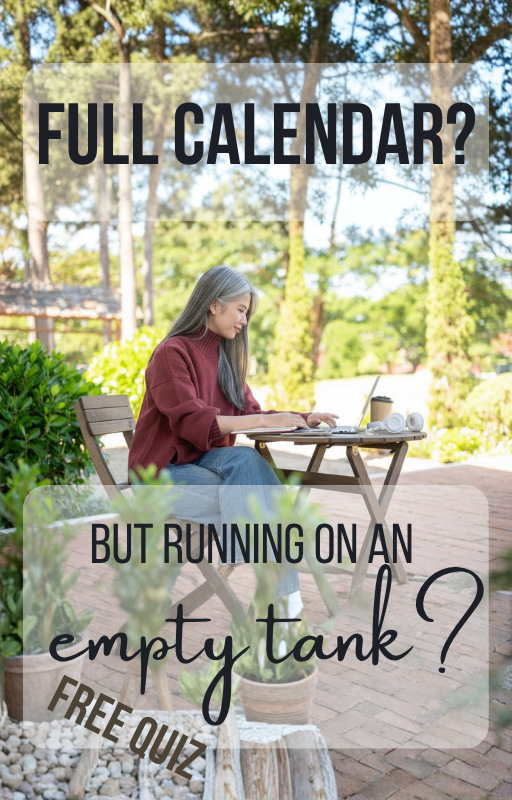
How to Keep Your Friendships Strong When You Stop Working

Work is a social delivery system. It hands you people, a rhythm of contact, and a built-in reason to show up — without requiring much thought on your part.

You didn’t schedule those relationships. They existed because you had a job.

Retirement changes that equation.

And for people who’ve spent decades in demanding careers, the shift can arrive a few months in, when the calendar clears and the natural occasions for connection no longer materialize on their own.

The friendships most at risk aren’t the deep ones. Research consistently shows that core relationships tend to hold through the retirement transition. What can thin is the wider web — the peripheral contacts, the casual daily interaction, the ambient social texture that work provided without effort.

That matters more than it sounds. Frequent, low-stakes contact — the quick conversation, the shared project, the colleague you’d never call your best friend but genuinely liked — contributes to a sense of belonging that’s harder to replicate once it’s gone.

So how do you keep your friendships strong through this transition? It starts with understanding what you’re working with.

Understand What Work Was Doing

Before you can protect something, you need to know what it’s been built on. For a lot of people, a substantial portion of their social life has been sustained by proximity — the simple fact of being in the same building as other humans five days a week.

Proximity is one of the most reliable drivers of friendship. It’s why college produces lifelong friends, why neighborhoods matter, and why the people you worked alongside for years feel like family even when the relationship never moved beyond the office.

When that proximity ends, the friendships that depended on it require a different kind of effort. Not more effort, necessarily — just intentional effort. Showing up on purpose rather than by default.

The people who navigate this best are the ones who recognized the shift coming and made a plan before they needed one.

Start Before You Leave

This is the piece most people skip. The time to build and deepen your social infrastructure is while you still have the momentum of your career behind you — not six months into retirement when you’re already feeling the gap.

That means being more deliberate about the friendships you want to carry forward. Which relationships have depth beyond the job? Which colleagues do you genuinely want to stay in touch with, and have you said so directly? What communities, interests, or groups have you been meaning to invest in for years?

Research published in the Journal of Gerontology found that the number of peripheral social ties decreases during the retirement transition itself — not gradually over years, but in the window around leaving work. Acting before that window closes gives you a head start.

Build Recurring Contact Into Your Life

The single most effective thing you can do for your friendships in retirement is create recurring occasions for contact. Not grand gestures. Not annual trips. Regular, low-effort touchpoints that keep relationships active without requiring everyone to plan something meaningful every time.

A standing monthly lunch. A weekly walk with a neighbor. A phone call on Sunday mornings. These feel small, but they’re doing significant work. Frequency is what keeps a relationship from drifting into occasional check-ins that eventually stop happening.

The friendships that survive major life transitions — retirement, relocation, health changes — almost always have some form of built-in rhythm. You stop relying on circumstance to bring people together and start engineering the circumstance yourself.

Get Into Rooms Where New Friendships Can Start

This one gets resistance, especially from people who’ve spent decades in high-functioning professional roles. It can feel slightly absurd to think about making new friends at 55 or 60. It isn’t.

Retirement is a genuine opportunity to build the friendships you never had time for when work consumed forty or fifty hours a week. The people who take that opportunity seriously — who join a group, sign up for a course, get involved in something with recurring structure and consistent people — tend to end up with richer social lives than they had during their working years.

The key is finding something with a built-in schedule and shared context. A fitness class, a book group, a volunteer role, a structured program — anything that creates the kind of low-effort proximity that work used to provide. You don’t have to force the friendship. You just have to show up in the same room as people with some regularity.

Programs designed specifically around intentional connection — like LAYLO’s small-group courses — exist precisely because this kind of structured, curated community is harder to build on your own. They compress the process. Worth knowing about if DIY starts to feel like more than you want to manage.

Prioritize Depth Over Volume

Not all connection is equal. A packed social calendar of surface-level interaction is not the same as a smaller circle of people who actually know you.

The research is consistent on this point. Quality of social connection matters as much as quantity for health outcomes. Strong, supportive relationships slow biological aging. The University of Chicago’s National Social Life, Health, and Aging Project found that the healthiest older adults — those with strong social ties — had a 4% risk of dying within five years. Those with the weakest connections and poorest health had a 57% risk in the same window.

That gap isn’t closed by attending more events. It’s closed by investing in fewer, deeper relationships — the kind where someone actually knows what’s going on in your life and vice versa.

So be selective. Put your energy into the friendships that have earned it and the new ones that feel worth building. Let the performative stuff go.

Why This Is Worth Taking Seriously

The Surgeon General has described social isolation as a public health epidemic. The CDC places its health risks in the same category as smoking and obesity. More than one-third of adults 45 and older report social disconnection, according to the National Academies of Sciences.

None of that means retirement is a social cliff edge — it isn’t, for most people. But the research does show that the transition can create conditions where connection quietly thins if there’s no plan to sustain it.

You’ve spent years planning what your retirement will look like financially. Spending a fraction of that time thinking through what it looks like socially isn’t extra credit. It’s part of the same calculation.

Your people didn’t show up by accident. Neither will the version of this life you actually want.
LAYLO wellness centers social wellness—supported by mental clarity and movement—to help you live and work with more steadiness, connection, and longevity.

The LAYLO Editis where I share thoughtful, practical insight for real life.
Join for updates on upcoming experiences, including The LAYLO Collective, a small-group social wellness experience designed for real life, and Wellness Retreats.

Follow along on Instagram, Facebook, YouTube, LinkedIn, and Pinterest.

How to Stop Living Like Roommates in Your Own Marriage

When everything works—but something feels off

There’s a version of a relationship that runs well on the surface. Your house is in order, plans get made, conversations happen throughout the day, and nothing appears broken.

At the same time, something feels different, even if it’s hard to explain. The tone has shifted. Most conversations revolve around timing, logistics, or what needs to happen next. You’re in constant communication, yet very little of it feels personal.

That’s usually the point where people start to describe their relationship as feeling more like roommates.

Not because anything dramatic happened. Because the relationship quietly reorganized itself around function.

How capability changes the way you relate

For someone who is used to being capable, this shift doesn’t feel like a problem at first. It feels like life being handled well.

There’s always something that needs attention—family, work, parents, health, schedules—and stepping in to manage it becomes second nature. Over time, that way of operating expands beyond responsibilities and starts shaping interactions.

Conversations become more direct. Decisions get made quickly. There’s less wandering, less curiosity, less space for anything that doesn’t serve a purpose.

None of that is wrong. It’s efficient. It also changes how connection feels.

Instead of relating as two people, the dynamic starts to reflect roles. One tracks what’s happening, the other responds, and together you keep things moving. The system works, which is exactly why it stays in place.

What fades is the part of the relationship that doesn’t need to be efficient.

Why “just spend more time together” doesn’t fix it

A lot of advice focuses on adding time together. More date nights. More shared activities. Better habits as a couple.

That approach sounds reasonable, but it misses what’s actually happening underneath.

Time isn’t the issue if the same pattern shows up inside that time. Sitting across from each other at dinner doesn’t create connection if the conversation stays in the same lane it always has.

The experience doesn’t change unless the way you relate changes.

And when most interactions are tied to getting something done, even time together can feel like an extension of the day’s responsibilities.

The pattern doesn’t stop at your marriage

This is where things get more interesting—and more relevant to your work.

That same way of relating often shows up in friendships, too. You stay in touch, respond when someone reaches out, and show up when it counts. From the outside, everything looks maintained.

Yet the depth isn’t always there.

Conversations skim the surface. There’s less room for anything real, partly because it feels unnecessary and partly because it’s no longer a habit.

What feels like a relationship issue is often a broader shift in how you connect with people across the board.

That’s why focusing only on your marriage won’t fully solve it.

What this shift is actually costing you

Connection isn’t optional, even if it’s treated that way.

The U.S. Surgeon General has linked limited social connection to increased risk of heart disease, stroke, depression, and cognitive decline, with an overall impact on mortality comparable to smoking up to 15 cigarettes a day.

Those outcomes don’t come from one dramatic break in connection. They build over time through small, consistent patterns.

When relationships become primarily functional, something important gets lost—even if everything still looks stable from the outside.

Where the shift actually starts

Most people assume they need to fix the relationship.

In reality, the starting point is much more personal.

It comes down to noticing how often interactions are driven by purpose instead of presence. How quickly conversations move to outcomes. How often something goes unsaid because it doesn’t feel necessary.

That awareness creates an opening.

From there, the shift doesn’t require a major overhaul. It happens in smaller moments that feel almost insignificant at first.

Letting a conversation drift instead of keeping it on track. Saying something that isn’t tied to a task. Asking a question without a specific outcome in mind.

Those changes sound simple. They can feel unfamiliar if you’ve spent years being efficient with your time and attention.

The moment most people get stuck

There’s often a pause right here.

A thought that sounds something like, I don’t even know what to say anymore.

That hesitation is more common than people admit, especially for women who are used to being the one who manages everything. When most conversations have been practical for a long time, shifting into something more personal can feel awkward.

That’s not a personality issue. It’s a skill that hasn’t been used recently.

And like any skill, it comes back with practice—especially when you have a starting point instead of a blank slate.

Why environment changes everything

Changing how you relate is harder when you stay in the same routines, surrounded by the same expectations.

It’s easy to fall back into familiar roles without thinking about it.

Stepping into a different environment interrupts that pattern. In a small group, a guided experience, or a retreat setting, the usual roles don’t apply in the same way.

You’re not tracking everything. You are not responsible for keeping things moving.

You’re part of the conversation.

That shift creates space for a different version of you to show up—one that engages, shares, and responds without a task attached.

That version doesn’t disappear when you go back home. It becomes easier to access in your everyday relationships.

What actually moves you out of roommate mode

Change how you show up with people. Whatever the situation: your marriage, your friendships, your career, change how you show up.

When that shifts, your marriage changes with it. So do your friendships. So does your sense of connection in general.

The goal isn’t to remove responsibility or pretend life isn’t full.

It’s to stay connected while living inside that reality.

That’s what keeps a relationship from turning into a shared operation—and what brings back the feeling that you’re actually with someone, not just alongside them.

LAYLO wellness centers social wellness—supported by mental clarity and movement—to help you live and work with more steadiness, connection, and longevity.

The LAYLO Editis where I share thoughtful, practical insight for real life.
Join for updates on upcoming experiences, including The LAYLO Collective, a small-group social wellness experience designed for real life, and Wellness Retreats.

Follow along on Instagram, Facebook, YouTube, LinkedIn, and Pinterest.
7 Smart Ways to Navigate Big Life Transitions

Big life transitions don’t arrive quietly.

A relationship ends. You move across the country. Someone you love is no longer here. A career that defined your days comes to a close.

Even the changes you chose, the ones you worked toward for years, can feel unsteady once you’re inside them.

You expect change. You might not expect how much disappears with it.

Routines fall away. Familiar faces are no longer part of your day. Places that once felt automatic now require effort. Even small decisions take more energy than they used to.

That’s where vulnerability starts to show up.

Your energy feels inconsistent. You spend more time alone than you meant to. There’s a quiet sense that something is off, even if you can’t immediately name it.

This pattern runs through most major transitions. One of the biggest – retirement – amplifies it.

Because retirement doesn’t only shift your schedule. It removes a structure that shaped how you spent your time for most of your adult life, who you interacted with, and how you measured your value.

Few people are prepared for that part.

Research shows the first year after retirement often brings a drop in mental well-being, especially when social interaction declines. At the same time, strong relationships remain one of the most reliable predictors of long-term health. Social isolation increases the risk of early death by nearly 30%.

When your focus is tied up in adjusting, your social and mental stability can slip without much warning.

That’s where people lose their footing.

This next phase requires more than filling time. It asks for intention.

Create Structure Before the Drift Sets In

When structure disappears, most people assume they’ll naturally find a new rhythm.

That rarely happens.

Open space feels good at first. Then days start to blur. You delay decisions. You tell yourself you’ll get organized once things feel more settled.

That delay stretches longer than expected.

Retirement brings this into sharp focus. Without built-in commitments, it becomes easy to move through the day without direction.

Structure brings shape back to your time.

Set anchors. A morning walk you don’t skip. A standing plan with someone else. A commitment that gets you out of your own head.

Consistency matters more than intensity here.

Reevaluate Your Relationships Without Holding Onto Old Versions

Transitions reveal which relationships were built on convenience.

Shared schedules, proximity, overlapping responsibilities—remove those, and some connections fade quickly.

That shift can feel personal, but usually it isn’t.

Many people at this stage notice their circle getting smaller. At the same time, meaningful relationships become more important for emotional stability and cognitive health.

This is where discernment comes in.

Notice who still feels easy to be around. Pay attention to who shows up without needing to be chased. Be honest about who no longer fits your life as it is now.

Let some relationships go without overanalyzing them.

Then make space for new ones that reflect who you’ve become.

Stop Waiting for Connection to Happen

Connection used to be built into your day.

Now it isn’t.

That shift requires a different level of effort. Not constant effort, just willingness to act.

Hesitation tends to creep in here. You think about reaching out, then talk yourself out of it. You assume people are busy, thinking, “I don’t want to feel like I am coming out of left field”.

So nothing happens.

Days pass. Then weeks. Connection shrinks quietly when it isn’t maintained.

Take the lead. Send the message. Suggest the plan. Follow up.

If that feels unfamiliar, that’s normal. Most people are out of practice. Tools like “10 Things to Say When You Don’t Know What to Say” help remove that initial friction so you can move forward without overthinking.

Relationships require movement. Without it, they stall.

Stay Engaged in Work That Uses Your Experience

Work provided you with more than income.

It gave structure, relevance, and a place where your input mattered.

When that disappears, something feels off, even if you can’t immediately explain why.

Staying engaged fills that gap in a meaningful way.

Mentoring, consulting, contributing to projects where your experience has weight—these keep you connected to a sense of usefulness.

Research links this kind of engagement to better mental health and longer life expectancy.

You don’t need a packed schedule. You need something that reminds you your experience still matters.

Keep Your Mind and Body Challenged

It’s easy to slide into comfort when demands drop.

Less movement. Fewer new experiences. Lower expectations. That shift adds up.

Cognitive function declines faster without stimulation. Physical strength follows a similar pattern, especially after 50.

Staying active requires intention.

Learn something unfamiliar. Revisit an old interest with fresh focus. Move your body in ways that demand effort.

Challenge keeps you engaged with yourself.

Expand Your Environment

A smaller routine often leads to a smaller world.

Same places, same conversations, same patterns on repeat.

Changing your environment interrupts that cycle.

Travel works, but it doesn’t need to be elaborate. A short trip, a new setting, even a different part of your own city can shift your perspective.

New environments stimulate the brain and increase overall satisfaction with life.

Movement changes how you think.

Decide What This Next Phase Looks Like

Some people move through transitions by default.

They fill time where they can. They react to what’s in front of them. Maybe even avoid making clear decisions about what they actually want.

That approach creates a low-level dissatisfaction that lingers.

This phase gives you space. What you do with it matters.

Think about how you want your days to feel. Consider who you want around you. Be honest about what no longer fits.

Clarity changes how you move.

Without it, you fall into patterns that don’t serve you. With it, you begin to shape something that does.

When Everything Changed, This Is What Made the Difference

There was a period in my own life where everything shifted at once. Relationship, location, identity. Nothing familiar to lean on.

What stood out wasn’t the big decisions. It was the small moments where nothing felt automatic.

I remember standing in a grocery store in a new city, staring at the shelves longer than necessary. Not confusion, just a lack of familiarity. Even basic routines were gone.

That loss of autopilot is part of every major transition.

What helped was deciding, deliberately, what stayed and what changed. Who I kept close. Where I put my energy. What I allowed into my life moving forward.

Those little decisions rebuilt stability over time and actually opened a new career path for me.

The same approach applies here.

And when it comes to rebuilding your social world, “Friendship After 40: The Blueprint to Finding Your People” offers a clear way to create connections that actually fit your life now.

Because the people around you will shape how this next phase feels.

LAYLO wellness centers social wellness—supported by mental clarity and movement—to help you live and work with more steadiness, connection, and longevity.

The LAYLO Editis where I share thoughtful, practical insight for real life.
Join for updates on upcoming experiences, including The LAYLO Collective, a small-group social wellness experience designed for real life, and Wellness Retreats.

Follow along on Instagram, Facebook, YouTube, LinkedIn, and Pinterest.

What You Lose When You Never Let Anyone Support You

You are known as the strong one. The one who keeps things moving, who figures things out, who steps in before anything falls apart.

It’s a role you didn’t exactly apply for, but somewhere along the way, it became yours.

And to be fair, it’s worked. You’ve created stability, earned respect, and proven to yourself more times than you can count that you can handle what comes your way.

But here’s where we need to get a little more honest.

As with anything, there is also a cost to you. It’s not always obvious. It’s often in quieter ways that are easier to overlook. Relationships feel a bit flatter. Conversations stay safe. You’re surrounded by people, yet there’s a subtle sense that there is some sort of expectation on you.

When you never let anyone support you, you don’t just avoid needing help. You slowly lose connection.

Strength Is Valuable. Constant Strength Has a Cost

Being the strong one gets reinforced everywhere. In your career, it signals competence. Within your family, it creates stability. In friendships, it makes you the one people trust.

For someone who has spent decades building a full life, that identity feels natural. It’s part of how you operate. It’s also part of why people rely on you.

The problem is, over time, people start to assume you don’t need anything back.

They stop checking in. They stop offering. Not because they don’t care, but because you’ve shown them, consistently, that you’ve got it handled.

And when that pattern holds for long enough, something important starts to fade. You lose the feeling of being known in real time. The ease of being able to show up without everything already figured out is gone. You lose the small, meaningful moments where someone steps in for you without being asked.

It doesn’t happen overnight, which is exactly why it’s so easy to normalize.

What You Lose When You Don’t Let Anyone Support You

The loss isn’t obvious. It builds slowly, and that’s what makes it easy to miss.

You lose emotional closeness because people can only connect with what you share. If you’re always presenting the version of yourself that has it handled, that’s the version they respond to.

You lose the natural rhythm that makes relationships feel alive. Support is meant to move in both directions. When it only flows one way, things can start to feel steady but flat.

You also lose energy. Being the one who always has it together requires effort. It shows up as fatigue that doesn’t quite go away, or a sense that you’re always “on,” even in spaces where you should be able to relax.

And then there’s something most people don’t realize until much later. You lose the chance to see who would actually show up for you. When you don’t give people the opportunity, you never find out who’s capable of meeting you in a real way.

That matters, especially as we get older. Research continues to show that strong, supportive relationships are directly tied to longevity, with some studies suggesting they can increase survival rates by up to 50 percent. On the other side, a lack of meaningful connection is associated with higher risks of heart disease, depression, and cognitive decline.

It’s not just about having people in your life. It’s about whether those relationships actually support you.

Hyper Independence: The Habit That Looks Like Strength

There’s a name for this pattern, and it tends to land especially hard for women in this stage of life.

It’s called hyper independence.

It’s the belief that you should be able to handle everything on your own. That needing support is optional at best and inconvenient at worst. That being self-sufficient is the standard you hold yourself to, no matter what’s going on.

For many women in their 50s, this didn’t come out of nowhere. It was shaped over decades. You were taught to figure things out, to not rely too heavily on others, to be capable and composed no matter what.

There’s a lot of good in that. Independence builds confidence. It creates resilience. It allows you to move through life with a strong sense of self.

But taken too far, it starts to work against you.

Because independence works best when it’s paired with support. Without that balance, relationships lose depth, and life starts to feel heavier than it needs to.

Interdependence Versus Codependence

This is where things can get a little misunderstood.

Letting people support you doesn’t mean becoming dependent on them in a way that takes over your identity. That’s where codependence comes in, and it’s a very different dynamic.

Codependence often shows up as losing yourself in someone else’s needs or tying your sense of worth to being needed by someone.

Interdependence is much more grounded.

It’s two people who are fully capable on their own and still choose to support each other. There’s independence, and there’s connection. You can stand on your own, and you can also let someone stand with you.

For someone used to hyper independence, this can feel unfamiliar at first. There’s a bit of a learning curve in allowing support without feeling like you’re giving something up.

You’re not. You’re adding something that’s been missing.

Being Supportive Isn’t the Same as Being the Strong One

This is an important distinction because many women pride themselves on being great friends, and they are.

Being supportive means you listen, you show up, you care about what’s happening in someone else’s life. You’re present when it matters.

Being the strong one all the time is something different. It means you rarely let anyone see you without a solution in hand. You default to managing, fixing, or smoothing things over, even in your closest relationships.

That pattern creates a quiet distance.

There’s also a piece of personal responsibility here that’s worth paying attention to. Mutual relationships require both people to stay engaged. That includes noticing how you respond when someone else needs you.

Can you sit with someone without immediately trying to solve the problem? Are you able to stay present without taking over? Can you allow space for their experience to unfold?

That balance is what keeps relationships steady and meaningful over time.

Why Vulnerability Feels So Unnatural

If this all sounds simple but not easy, that’s because it is.

Opening up before you have everything figured out can feel uncomfortable. It can feel inefficient. It can even feel unnecessary, especially if you’ve spent years being the one others rely on.

The work of Brené Brown makes this clear. Vulnerability is what creates trust and real connection. Without it, people can respect you, rely on you, even admire you. They just won’t fully connect with you.

That distinction changes everything.

Vulnerability doesn’t mean sharing everything with everyone. It looks much simpler than that. It’s letting someone see a real moment. Saying you’re unsure. Admitting something feels harder than you expected.

For someone who has spent a lifetime being capable, that can feel like unfamiliar territory. It also tends to shift relationships quickly in a way that feels more real.

What Changes When You Loosen Your Grip on Always Being Strong

When you step out of that role, even slightly, the tone of your relationships starts to shift.

Conversations open up. There’s more range, more honesty, more room for something unexpected to happen.

You stop being the automatic problem-solver in every interaction, which is a relief you may not realize you needed.

You also start to see people more clearly. Some will meet you in that space right away. Others may struggle because they’re used to you handling everything.

That clarity is useful.

Because the goal isn’t to maintain every relationship exactly as it is. The goal is to have relationships that feel engaging, supportive, and real over time.

When I Stopped Doing It All Alone

There was a point where I thought being strong meant handling everything quietly and efficiently. If something was difficult, I waited until I had it sorted before I shared it – if I ever shared it at all. If I needed help, I found a way around it.

It worked, especially when I was surrounded by unreliable people. Eventually, though, it started to feel limiting in a way I couldn’t ignore.

The shift didn’t happen all at once. It showed up in smaller moments. Letting someone in before I had a clean answer. Saying something felt uncertain instead of waiting until it was resolved. In my professional life, that meant collaborating with my peers and my team rather than dictating what we were going to do after I had it all worked out.

What stood out wasn’t the discomfort. That part was expected.

It was how quickly certain relationships deepened. Trust was built. And how clear it became which ones couldn’t meet me there.

How You Start Letting Support In

If you’ve been the strong one for most of your life, remind yourself that you aren’t losing that strength. You’re expanding it.

You still get to be capable. You still get to be independent. That doesn’t go anywhere.

You also allow space for support.

You become someone who can lead and receive, who can handle what’s needed and still let someone else contribute when it matters. That’s what keeps relationships working over time and what supports a full, connected life.

This is a big part of the focus at LAYLO wellness. The intention is to help women build relationships where support moves both ways, creating connection that lasts and a life that feels rich, engaging, and fully lived.

Warmly, Laura

LAYLO wellness centers social wellness—supported by mental clarity and movement—to help you live and work with more steadiness, connection, and longevity.

The LAYLO Editis where I share thoughtful, practical insight for real life.
Join for updates on upcoming experiences, including The LAYLO Collective, a small-group social wellness experience designed for real life, and Wellness Retreats.

Follow along on Instagram, Facebook, YouTube, LinkedIn, and Pinterest.
How to Outgrow a Friendship Without Burning It Down

If I put you on a stage and handed you a microphone and asked, “Who here feels fully supported by all their friendships right now?” a lot of you would shift in your seats.

You have a full life. A good life. You’ve done the work. Career. Marriage. Kids. Parents. Health. You show up. You deliver.

But when it comes to friendships? It’s murkier.

Here’s what nobody says out loud: sometimes you outgrow people. And it doesn’t make you a bad person.

It makes you honest.

Friendship After 40 Hits Different

In your twenties, proximity did a lot of the heavy lifting. Coworkers, neighbors, playgroups, carpools. You didn’t have to think about alignment. You just showed up, and the friendship formed.

Now? Time is tighter. Energy is finite. Your tolerance for nonsense has dropped dramatically.

Research backs up what you’re feeling. Nearly half of adults report having three or fewer close friends. Social circles shrink as we age. At the same time, decades of data from the Harvard Study of Adult Development show that the quality of our relationships predicts how well and how long we live.

That’s not a small detail.

Connection affects blood pressure. It affects immune health. It affects cognitive decline. Social strain raises stress hormones and disrupts sleep. We obsess over strength training and protein intake, and we that’s not a bad thing. It’s just not the whole thing. Relational stress quietly chips away at longevity.

So yes, the conversation about friendship is also a conversation about health.

When a Friendship Starts to Feel Off

You know the feeling.

You leave lunch slightly irritated.
Maybe you brace before seeing her name pop up on your phone.
Or You edit yourself more than you used to.

Nothing dramatic happened. There was no explosion. Just a slow drift.

Maybe you’ve grown. Or she hasn’t. Maybe you both have, just in different directions.

For a woman who prides herself on loyalty, this feels uncomfortable. You don’t quit on people or create unnecessary conflict. You handle your life.

So you do what “responsible” women do: You get busy. Cancel more often. Keep it surface-level.

That works for a while.

But avoidance has a cost. Unspoken frustration sits in your body. It shows up as tension, low-grade resentment, fatigue after interactions that used to energize you.

Over time, that drains more than you realize.

Discernment Is Not Drama

Let’s get something straight. Outgrowing a friendship does not require a confrontation scene.

It does require clarity.

Ask yourself Do:

  • Our values still line up?
  • I feel respected?
  • I feel like I have to shrink around her?
  • Am I staying because of history rather than current connection?

Every friendship hits seasons. Stress happens. Life gets messy. That’s normal.

What’s different is chronic misalignment.

In my earlier life, I learned the hard way what conditional relationships look like. When connection depends on compliance, you lose yourself quickly. Rebuilding my life meant choosing friendships differently. Shared values. Mutual respect. Emotional safety. That changed everything.

You don’t need a dramatic exit. You need self-respect.

Three Ways to Handle It Like a Grown Woman

Adjust the frequency.
You don’t need a speech. Move from weekly to quarterly. Shift from one-on-one dinners to group settings. Let the cadence reflect reality.

Tell the truth when asked.
If she notices and asks what’s going on, keep it simple. “I’m focusing on a few priorities right now.” That’s enough. You don’t owe a dissertation.

Reinvest your energy wisely.
When you loosen one tie, tighten another. Reach out to someone you admire. Text the woman you keep meaning to know better. Initiate. Yes, it feels awkward. Do it anyway.

Most women over 40 are out of practice initiating friendships. We got used to reacting to what our kids needed, what work demanded, what family required. Starting a new connection can feel clumsy.

That’s exactly why language matters. When you know what to say, you move. When you move, connection follows.

Longevity Loves Aligned Relationships

A 2010 meta-analysis found that strong social relationships increase survival odds by about 50 percent. That’s on par with quitting smoking.

Read that again.

Quality friendships protect your brain, your heart, and your emotional steadiness. They buffer stress, keep you engaged, and challenge you to grow.

This stage of life calls for fewer but better.

Women who age well socially don’t cling to every relationship out of guilt. They refine. They choose. Find ways to nurture what fits and respectfully release what doesn’t.

That’s grit and grace.

The Goal Is Respect, Not Ruins

You can appreciate what a friendship was and still admit it no longer fits who you are now.

Reduce access without hostility.
You can protect your energy without announcing it to the room.
Grow without burning anything down.

And if you find yourself in a quieter social season, that’s not failure. It’s recalibration.

This is where intentional spaces matter. Real conversations. Practical scripts. Women who are also refining their circles. Whether that’s learning what to say when conversations stall, following a clear path to finding your people after 40, or stepping into a retreat where connection happens naturally, structure helps.

You’ve evolved. Your friendships are allowed to evolve too.

No drama required. Just maturity, discernment, and a long view on your health and your life.

Warmly, Laura

LAYLO wellness centers social wellness—supported by mental clarity and movement—to help you live and work with more steadiness, connection, and longevity.

The LAYLO Editis where I share thoughtful, practical insight for real life.
Join for updates on upcoming experiences, including The LAYLO Collective, a small-group social wellness experience designed for real life, and Wellness Retreats.

Follow along on Instagram, Facebook, YouTube, LinkedIn, and Pinterest.

6 Powerful Exercise Shifts That Boost Mood and Protect Your Social Life

If your mood has felt heavier lately, pay attention.

This isn’t weakness. It isn’t laziness. And it’s not “just stress.”

It’s often biology meeting a sedentary life.

The research on exercise and depression has become impossible to ignore. Large reviews now show that structured exercise can significantly reduce depressive symptoms. In some analyses, the effects look similar to psychotherapy — and in limited head-to-head comparisons, even antidepressant medication.

That doesn’t mean you throw your prescription in the trash.

Medication decisions belong with your physician. Period.

What it does mean is this: movement deserves to be taken seriously as part of your mental health strategy.

For people juggling careers, families, aging parents, and their own expectations — that matters.

Because when your mood dips, your social life quietly shrinks. Plans get canceled. Texts go unanswered. You start telling yourself you’ll reach out when you “feel better,” but isolation lowers stimulation, reduces emotional buffering, and removes the very interactions that help regulate mood.

Over time, that withdrawal feeds the depression, and the depression feeds the withdrawal — a slow downward spiral that affects cognitive health, stress resilience, and even long-term physical outcomes.

Here are six exercise shifts that change that.

Stop Treating Exercise Like It’s About Your Jeans

    This is not about fitting into old denim.

    Exercise alters brain chemistry. It influences serotonin, dopamine, and norepinephrine. It reduces inflammatory markers linked to depressive symptoms. You’ll experience improved sleep architecture and stabilized energy.

    That’s psychiatric support, not vanity.

    Years ago, when my life felt unstable on multiple fronts, movement wasn’t about aesthetics. It was regulation. I found a measure of control when other things felt chaotic. It was proof that I could do something hard and come out stronger.

    If your mood feels unpredictable, start looking at exercise as maintenance for your brain.

    Discuss it with your clinician. Layer it into your care plan intelligently.

    Lift Heavy. Not Cute. Heavy.

      Resistance training consistently shows meaningful reductions in depressive symptoms across age groups.

      More importantly, it changes how you carry yourself.

      There’s something different about putting weight on a bar and standing up with it. Strength builds competence. Competence builds confidence. Confidence changes how you enter rooms.

      Muscle mass declines after 40. Mood can decline right along with it if you’re not careful.

      Strong women don’t disappear from their own lives as easily. They initiate plans and keep those commitments. They tolerate discomfort better.

      Your friendships benefit from that stability.

      Walk Like It’s Prescribed

        Brisk walking shows up repeatedly in depression research as effective. Nothing fancy required.

        Consistency beats intensity here.

        Thirty minutes. Most days of the week. No drama.

        Now add a layer most people skip.

        Invite someone.

        Meet at the same time every week. Take the same route. Let familiarity do the heavy lifting.

        Friendship erodes when repetition disappears. Walking restores repetition without turning connection into an obligation.

        Put Yourself in Rooms With Other People

          Depression narrows your world. It convinces you staying home is safer.

          Group exercise pushes back without forcing vulnerability.

          You show up, move, and leave. Over time, faces become familiar. Conversations grow organically.

          Research suggests group-based exercise may amplify mood improvements, likely because social interaction is built in.

          No awkward icebreakers. No small talk marathons. Just shared effort.

          That’s enough.

          Protect Consistency Like It’s Non-Negotiable

            Motivation fluctuates when mood fluctuates. Waiting to “feel like it” is a losing strategy. Don’t be fooled into thinking the motivation fairy is going to show up to get you out the door.

            Adherence predicts outcome in exercise research. Regular, moderate sessions outperform sporadic bursts of intensity.

            Put workouts on your calendar like client meetings. Cancel something else before you cancel that.

            Stable sleep improves emotional regulation. Stable energy reduces irritability. Regulated mood makes you more socially available.

            Less canceling. Fewer withdrawals. Stronger bonds.

            Pair Movement With Intentional Social Repetition

              Adults over 50 report having fewer close friends than they did decades ago. Some report none. Social isolation increases mortality risk and is linked to higher dementia rates.

              Those are not soft statistics.

              Physical inactivity and social disconnection often travel together. Exercise can interrupt both.

              Walking meetings. Weekly strength classes. Saturday hikes. A standing commitment that puts you in the same place at the same time with the same people.

              If conversation feels rusty, that’s normal. You’ve spent years managing logistics, not nurturing new friendships. Social reps work like muscle reps. They return with practice. Not sure how to get started? Find support from experts who can show you the ropes.

              A Clear Line in the Sand

              Exercise can significantly reduce depressive symptoms.

              It can complement therapy and medication.

              It should never replace prescribed treatment without medical supervision.

              Stopping antidepressants abruptly can cause withdrawal symptoms or relapse. Any treatment changes belong in a conversation with your healthcare provider.

              Be smart. Be strategic.

              Where This Lands

              You want steadier mood.
              You want more energy.
              And you want friendships that don’t feel like effort.

              Movement is one of the few interventions that touches all three at once.

              A stronger body supports a steadier mind. A steadier mind supports better connection. Better connection supports long-term health.

              That’s not hype.

              That’s leverage.

              Warmly, Laura

              LAYLO wellness centers social wellness—supported by mental clarity and movement—to help you live and work with more steadiness, connection, and longevity.

              The LAYLO Editis where I share thoughtful, practical insight for real life.
              Join for updates on upcoming experiences, including The LAYLO Collective, a small-group social wellness experience designed for real life, and Wellness Retreats.

              Follow along on Instagram, Facebook, YouTube, LinkedIn, and Pinterest.