Unwritten Rules, Unbothered Women: How to Defy the Age Police

There comes a point where you stop waiting for permission.

You stop looking for approval. You stop trying to dress, act, eat, or shrink into the version of aging the world has decided is appropriate.

And instead, you start showing up like the woman you are: unbothered, experienced, sharp, funny, and fully in charge of your life.

That point? It usually hits right around now.

Let’s be honest: The rules around aging were never made with us in mind. We’re supposed to cut our hair short. Fade into neutrals. Buy sensible shoes. Nod politely through hot flashes. Accept weight gain as a foregone conclusion. Stop having opinions about music, ambition, or sex. And don’t you dare laugh too loudly in public.

So what if we decide to ignore all of it?

The Myth of “Age-Appropriate” Dressing

Style doesn’t have an expiration date. The idea that women should “dress their age” was cooked up by people more invested in control than creativity. Clothes are expression. They are history, attitude, identity. They are art you get to wear. You don’t owe it to anyone to dial it down once you turn 50.

Wear the ripped jeans. Show some skin. Get the tattoo. If it makes you feel alive, that’s enough.

The women who lead rooms, launch businesses, raise generations, and run entire households do not suddenly forget how to dress themselves because they celebrated a birthday. When we pretend that self-expression has an expiration date, we participate in erasure. Let your closet reflect who you are now.

Menopause Is Not a Life Sentence

Yes, hot flashes, sleep disruption, brain fog, and shifting hormones and weight that won’t budge are real things. But menopause is not a punishment, and it is not a finish line. It’s not something to survive in silence. It’s something to move through, fully informed and fully supported.

There are tools. There are professionals who actually know what they’re doing. And there is research. For instance, weight gain in menopause is not just about hormones—it’s also about muscle mass, metabolism, and chronic stress. Addressing it means lifting heavy things, moving regularly, sleeping like it’s your job, and being smarter than the marketing that tries to sell shame.

You do not have to accept discomfort as the new normal. The stories you’ve been told—that brain fog is just part of aging, that night sweats are just a phase to endure, that losing muscle is just what happens—are outdated. You get to choose what works for your body.

Beauty Rules Are Meant to Be Broken

They told us to go gray – or not go gray. To cut our hair or keep it long. To age “gracefully,” which usually means invisibly. No thanks.

Let your hair be wild, short, purple, silver, or waist-length. Wear the bold lipstick. Ditch it altogether. Do Botox. Don’t do Botox. Wear SPF and drink water, not because you’re trying to stay young forever, but because you respect your body enough to take care of it.

None of it needs to signal anything to anyone but you. Beauty isn’t about youth—it’s about ownership. About confidence. About doing whatever the hell you want.

Age Is Not a Deadline

The idea that you should slow down, soften up, or stay small after 45 is pure nonsense. We grew up fast. Many of us were 30 by the time we were 15, carrying responsibility, survival skills, and emotional labor way too early. So it makes perfect sense that at 50, we still feel 30—and still have a lot to give.

This chapter is not a wrap-up. It’s not some gentle glide into irrelevance. It’s a power surge. The wisdom is sharper. The stakes are different. The priorities are clearer. And if you feel an inner rebellion brewing, you’re not alone.

We’re not going quietly.

Influencers Don’t Know You

Scrolling through 28-year-olds on social media telling you what your life should look like at 53 is not it. They don’t know the grit it took to build a life from scratch, raise children, support aging parents, maintain careers, manage households, and somehow still care for your body, mind, and soul.

You do.

So let them sell what they want. You are not their target demographic. You’re the generation that built the internet they market on. And you’re not done.

This Is the Celebration

You’re not becoming someone new. You’re finally being who you are. The version that isn’t trying to prove anything. That isn’t waiting for outside validation. That isn’t living by someone else’s script.

So wear what you want. Train your body because it makes you feel powerful. Talk about hot flashes, brain fog, libido, and energy—not as shameful secrets but as part of this stage of life. Laugh hard. Sleep well. Move often. Rest more.

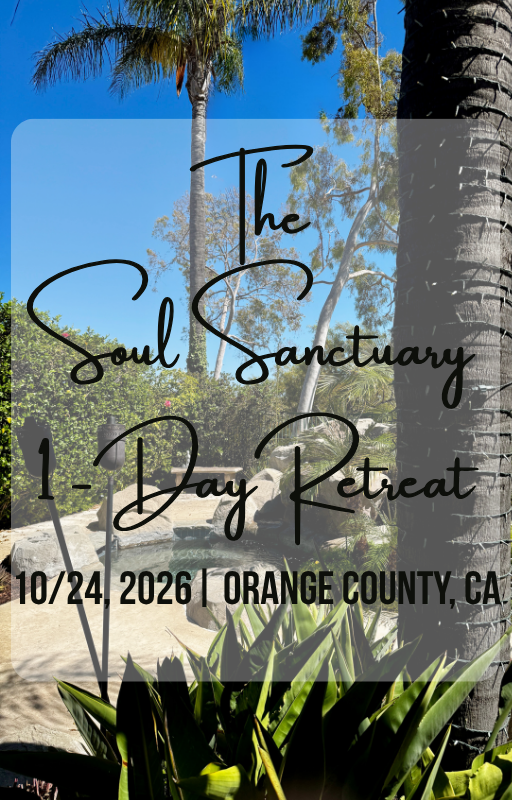
Take care of your soul. Call your friends. And if you don’t have the ones you need, make them. Start with “Friendship After 40: The Blueprint to Finding Your People.” Learn what to say when you feel stuck with “10 Things to Say When You Don’t Know What to Say.” Or come sit with us in real life at a Soul Sanctuary Retreat, where no one asks you to shrink.

Because the most radical thing you can do in a world obsessed with youth is to age unapologetically. And the most powerful thing you can do is choose.

Every outfit. Whose opinions you’ll listen to. Every friend’s voice. Every single piece of this life.

Make it yours.

Warmly, Laura

LAYLO wellness centers social wellness—supported by mental clarity and movement—to help you live and work with more steadiness, connection, and longevity.

The LAYLO Editis where I share thoughtful, practical insight for real life.
Join for updates on upcoming experiences, including The LAYLO Collective, a small-group social wellness experience designed for real life, and Wellness Retreats.

Follow along on Instagram, Facebook, YouTube, LinkedIn, and Pinterest.

New Year, New Connections: Building Your Circle

Social Wellness Isn’t a Side Goal — It’s Essential

As the calendar flips to January, many set resolutions around fitness, finances, or productivity. Don’t get me started on my thoughts on “resolutions”. The word is nearly synonymous with “quit” or “joke”!

Yet most overlook one of the greatest predictors of lifelong wellbeing: social wellness. Intentional relationships fuel joy, reduce stress, and anchor us during transitions large and small.

If your social circle feels more accidental than deliberate, this year offers a fresh starting point.

Research consistently shows that people who invest in meaningful relationships experience better mental health, stronger resilience, and even enhanced physical health outcomes compared with those who let connections fade without purpose. These benefits become especially critical as we move through midlife and beyond.

Why Intentional Relationships Matter

When we think of goals for the new year, social wellness rarely tops the list. But the science is compelling. People with strong, supportive connections have lower levels of stress hormones and better cardiovascular health. They are more likely to recover quickly from illness and report higher overall well-being. On the other hand, research reveals that adults without a clear plan to build and sustain social ties are at greater risk for poorer health outcomes and reduced satisfaction as they age.

Intentional interaction isn’t just about spending time with others; it’s about the quality of those moments, the depth of connection, and having a sense of community that supports you through various life seasons.

Audit Your Current Circle

A powerful first step is a circle audit. Take time to reflect on your current relationships:

  • Who energizes you?
  • Who supports your goals, growth, and wellbeing?
  • Where are gaps — in fun, mentorship, or emotional support?

Write down categories you want strengthened. This simple exercise brings clarity and intention to your social wellness plans.

Identify Support Gaps

Once you’ve audited your current circle, look for gaps that matter most to you. You might notice:

  • Fewer friends who share your interests
  • A lack of emotional support during life changes
  • Limited variety in relationship types (fun vs. deep conversations)

Naming what’s missing empowers you to act strategically instead of drifting through your social life by default.

Make One New Connection Goal

Big social ambitions can feel overwhelming. Instead, start with one clear goal: make one new connection this month. It could be someone you’ve met but haven’t taken time to know. It might be through a class, group, or community event.

If you feel stuck on what to say or how to start meaningful conversation, tools like 10 Things to Say When You Don’t Know What to Say give you practical language that opens doors to deeper connection without forcing anything artificial.

Social Wellness for Every Type

Different personalities thrive in different social settings — and there’s no one-size-fits-all strategy.

If you’re energized by a few deep connections, focus on quality time with a small group. If you flourish in broad networks, make space for diverse activities and community groups.

Regardless of style, grounding yourself in your natural preferences frees you from comparison and helps you build relationships that feel authentic and sustaining.

A New Year, New Connection: A Personal Moment

I remember a January when I resolved to reach out beyond my usual circle. I started with a simple message to someone I admired professionally and personally. That connection eventually became a vibrant friendship — one that shifted how I thought about outreach, openness, and the quiet courage it takes to make the first move. New connections often begin with a small step forward.

Planning for Retirement and Social Wellbeing

For many, the new year brings reflection on major life transitions — and retirement is a big one.

If you’re approaching retirement or recently transitioned, this is a time when intentional social planning becomes even more vital.

Research shows that people who enter retirement with a structured plan for social engagement and purpose report better emotional wellbeing and enhanced physical health compared with those who do not plan. Those with active social goals experience fewer stress-related symptoms, stronger daily motivation, and more consistent routines that support long-term health outcomes.

On the other hand, adults who do not prepare for the social dimensions of retirement often find themselves without the rhythms and community that used to be built into their work life. This can lead to greater risk for emotional strain and decreased sense of purpose.

Planning for this transition doesn’t demand grand gestures. It can start with defining the types of relationships you want to nurture, identifying communities you want to join, and establishing rhythms that keep you connected. Creating this plan can be as important to your new year as any fitness or financial goal.

Practice Connection with Purpose

As you build your social wellness strategy for the year, consider ways to practice intentional connection regularly. A great place to start is with the LAYLO Edit, a curated bimonthly newsletter that delivers practical tools, conversation-starters, and ideas directly to your inbox. It’s a simple way to stay grounded in what matters and connect with a wider circle of women doing life with intention. Whether you’re nurturing your closest friends or making room for new ones, this resource offers gentle structure to help you act with purpose.

If you’re looking for deeper guidance on forging new relationships after 40, Friendship After 40: The Blueprint to Finding Your People helps you craft a social vision that fits your life. For those seeking immersive connection experiences, mini and full retreats provide a transformational space to expand your circle in an intentional, supportive environment.

Start with One Intentional Step

A new year invites new possibilities. But social wellness doesn’t happen by accident. It emerges from intentional choices — auditing your circle, identifying gaps, and making clear goals. When you invest in purposeful connections, you don’t just expand your social network — you strengthen the foundation for lasting wellbeing.

This year, let connection be a promise to yourself that you can keep.

Warmly, Laura

You don’t have to choose between success and well-being. Step away from the chaos, reset your mind and body, and realign with what truly matters. Our wellness retreats, online courses, free resources give you the space to breathe, reflect, and design a life that feels fulfilling—without guilt, without compromise.

Be the first to know about upcoming retreats—join the LAYLO Edit for exclusive updates and insights, as well as wellness tips for real life. 

Let’s stay connected! Follow us on InstagramFacebookYouTubeLinkedIn, and Pinterest.

The One Word That Will Stick With You All Year

Resolutions tend to come from a place of pressure. Fix yourself. Get it together. Lose weight. Declutter your house, your inbox, your emotions. Be more of this, less of that. It’s exhausting.

Now take a breath. One word is a different kind of decision. Stop trying to “fix” yourself—instead, try focusing on what matters to you.

One word that acts like a compass instead of a task list. Something you can come back to when the year inevitably goes sideways.

Choosing Your Word: Less Hype, More You

Start by asking the right questions:

  • What do I want to feel more of?
  • What’s been missing lately?
  • What am I craving under all the to-do lists?

Then listen. Your word might not show up immediately with a spotlight and theme music. It might sneak in while you’re folding laundry or zoning out in traffic.

Don’t force it. You’ll know when it feels right. It should feel like relief, not obligation.

Need a jumpstart? Try words like: steady, bold, ease, connect, light, rise, enough.

This year, mine is unbothered. Not because I plan to float through life ignoring everything, but because I’m over letting nonsense steal my peace. I want to care about what matters—and release the rest. It’s a gentle middle finger to performative busy and emotional hijacking.

What Does Your Word Mean To You?

Words are only useful if they’re personal.

“Strong” for one person might mean lifting weights. For someone else, it might mean speaking up in a boardroom or finally asking for help. Don’t borrow someone else’s interpretation.

Write your word down. Put it where you’ll see it. And define it—your way. What does this word actually look like in your life, on a Tuesday, when the carpool is late and your boss sends another 7 p.m. email?

How to Use Your Word (Without Turning It Into Homework)

This isn’t about making a vision board or tracking it in an app (unless you’re into that). The point isn’t to do more. It’s to remember what matters to you.

Try this:

  • Ask yourself on Sunday nights: Did I live my word this week?
  • Use it to guide hard decisions: Does this support [your word]?
  • Let it shape how you respond, not just what you do.

Growth is great. But so is satisfaction. And if you’ve been in fixer mode for the last decade, it might be time to ask: what do I actually want now?

That’s not selfish. That’s honest. And it’s powerful.

A Word Beats a Resolution Every Time

We already know resolutions crash and burn—a UK study found that 80% of resolutions are abandoned by February. That’s not a lack of willpower. That’s a broken method. One word gives you flexibility without failure. It adapts. It follows you through shifts, changes, curveballs. You don’t need to be perfect. You just need to stay present.

Want some support picking or living your word? The LAYLO Edit drops real-life ideas into your inbox every week. No blah, blah, blah, no guilt, just helpful nudges to stay in alignment with what matters to you.

And if your word turns out to be peace, space, or reconnect… take to look at the upcoming Wags & Wellness Retreat.

Resolutions may die. But the right word? That sticks.

Warmly, Laura

You don’t have to choose between success and well-being. Step away from the chaos, reset your mind and body, and realign with what truly matters. Our wellness retreats, online courses, free resources give you the space to breathe, reflect, and design a life that feels fulfilling—without guilt, without compromise.

Be the first to know about upcoming retreats—join the LAYLO Edit for exclusive updates and insights, as well as wellness tips for real life. 

Let’s stay connected! Follow us on InstagramFacebookYouTubeLinkedIn, and Pinterest.

Healthy Aging Tips Women Over 45 Need Now

Aging isn’t something to resist or romanticize. It’s just what happens—if we’re lucky.

The question isn’t how to stop aging. It’s how to stay upright, sharp, and genuinely well while it happens. That’s where healthy aging comes in.

Women over 45 often find themselves inundated with advice: collagen powders, intermittent fasting, 90-minute morning routines, cryo chambers. And sure, some of that stuff is interesting. But most of it? Expensive, unsustainable, and ultimately irrelevant when real life includes a full-time job, caregiving, and a metabolism that refuses to negotiate.

Here’s what actually helps—backed by longevity science, not influencer trends.

Muscle Isn’t Optional. Strength Training Is Non-Negotiable.

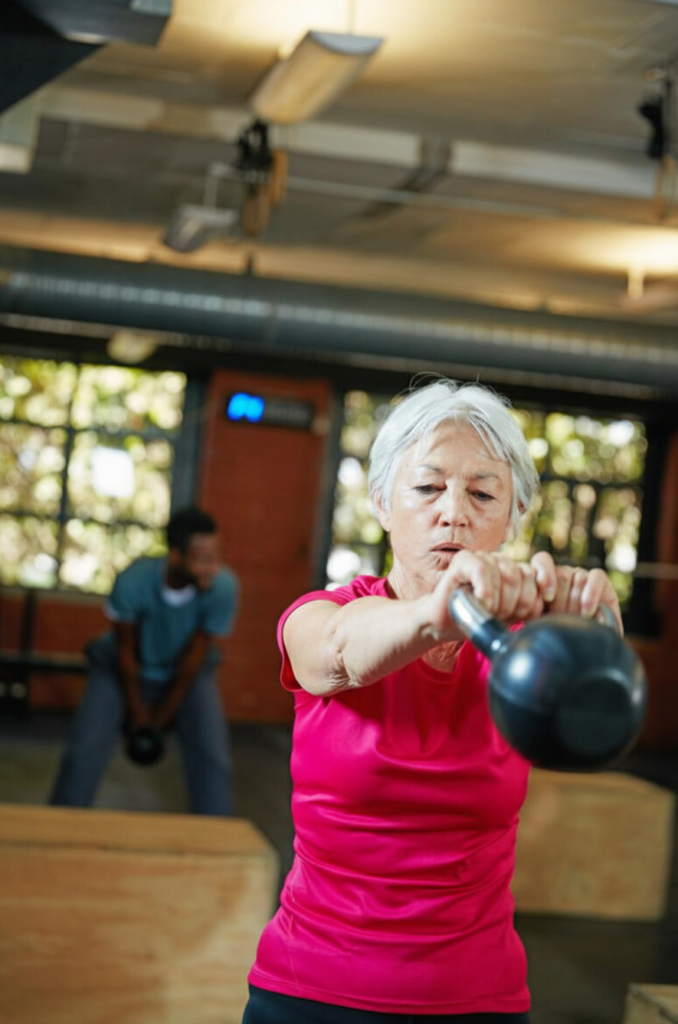
Muscle mass declines up to 8% per decade after 40. After 50, the rate doubles. Loss of strength increases your risk of falls, fractures, insulin resistance, and general “why does everything hurt when I wake up” syndrome. Lifting weights just twice a week helps maintain bone density, improve metabolic function, and protect your joints.

You don’t need a fancy gym membership or to deadlift your body weight. You do need to consistently challenge your muscles with resistance—dumbbells, resistance bands, even bodyweight workouts. Muscle is metabolism. It improves mobility. Muscle equals freedom.

Your Brain Needs Sleep, Stress Management, and Something New to Learn.

Cognitive decline isn’t inevitable, but it is opportunistic. It creeps in when sleep becomes optional, when everything feels urgent, and when your brain runs the same loop on repeat.

Protecting cognitive health after 45 looks like prioritizing sleep (7-9 hours, not negotiable), actively reducing chronic stress (your nervous system isn’t a punching bag), and learning something new—a language, a skill, even a new podcast habit that doesn’t revolve around murder mysteries.

Chronic stress shrinks the brain. Sleep debt impairs memory and executive function. Novelty builds neural resilience. And you can’t outsource this. No supplement replaces sleep. No app replaces boredom-fighting learning.

Meaning Improves Lifespan. No, Really.

In long-term studies on longevity, having a sense of meaning—something to wake up for—outperformed clean eating, fitness, and even not smoking. People with a reason to get up each day live longer, fuller lives.

That doesn’t mean you need a five-year plan or a spiritual awakening. It means doing something regularly that feels personally valuable. Volunteering. Creating. Mentoring. Anything that feels like it still matters, especially when no one else is watching.

The Habit Personality Factor

Your best friend thrives on fitness challenges. You prefer structured classes. Someone else needs 1:1 accountability. Great. The trick is not copying someone else’s rhythm but finding yours. If you’re the spreadsheet type, track your workouts. If you’re the rebel type, gamify your progress with small rewards.

There’s no universal habit formula. But there is a universal truth: consistency beats intensity every time.

What Actually Stuck After 40? Slow Mornings.

One shift I made in my 40s that quietly changed everything: slow mornings. Not the kind where you meditate for an hour or write in five journals. Just 30 minutes to sit. Drink coffee. Breathe. Think. Not scroll.

Yes, it was easier when my son was a teenager and didn’t need help getting dressed or fed. But I still worked full-time. I still had the same pressure. And I carved out that time anyway. It was the first thing that taught me that how I start my day matters more than when I start it.

You Don’t Need a New Life. You Need Better Inputs.

Most women I work with don’t want a radical reinvention. They want energy that doesn’t crash at 3pm. A body that doesn’t feel like a stranger. A brain that doesn’t forget the thing they just walked into a room for. That starts with what you put in: movement, rest, connection, meaning.

Wellness isn’t a lifestyle brand. It’s how you live your actual life.

The LAYLO Edit offers real-world, research-backed wellness ideas for women who want their time and energy to matter. It’s not a program. It’s your sanity file. If you’re ready to stop chasing trends and start feeling better long-term, this is where you start.

Warmly, Laura

You don’t have to choose between success and well-being. Step away from the chaos, reset your mind and body, and realign with what truly matters. Our wellness retreats, online courses, free resources give you the space to breathe, reflect, and design a life that feels fulfilling—without guilt, without compromise.

Be the first to know about upcoming retreats—join the LAYLO Edit for exclusive updates and insights, as well as wellness tips for real life. 

Let’s stay connected! Follow us on InstagramFacebookYouTubeLinkedIn, and Pinterest.