Why Longevity Falls Flat If You Don’t Have This One Thing

So, you made it to 50-something. Congratulations.

You’re statistically likely to outlive your parents, spend a few decades post-menopause, and possibly still be paying off your kid’s college tuition while planning your retirement.

We’ve done it — we’re the generation with the highest life expectancy in history.
We’re also the generation that’s realizing, in real time, that no one warned us about what those extra years might actually feel like.

Yes, we’re living longer.
But are we living longer? Or just…stretching out the part where we carry all the weight without anyone checking if we’re okay?

The Fine Print on Living Longer

Here’s what they don’t mention when they celebrate life expectancy stats:

Living longer is only good news if your body still works, your mind still feels sharp, and you’ve got someone you can text when you’re spiraling at 11:38 p.m.

Otherwise, it’s just a longer stretch of pretending you’re fine while silently Googling “Why do I feel invisible?”

Research from the World Health Organization shows that, on average, we spend the last 5–10 years of life with diminished health — physical or cognitive or both.
Those years can start well before we’re ready if our support systems have quietly evaporated.

“Strong Social Ties Add Years to Your Life” Sounds Like a Small Thing — Until You Realize You Don’t Have Any

Social connection isn’t just a feel-good bonus. It’s a health factor. Strong relationships are proven to:

  • Lower your risk of heart disease, stroke, and cognitive decline
  • Improve immune function
  • Increase survival by up to 50%

But that stat hits differently when you’re in your fifties, looking around, and realizing the people you used to call don’t call back anymore. Or they moved. Or you changed. Or they didn’t.

You can have a full calendar and still feel unsupported.

That’s what makes aging harder than anyone admits. It’s not just the joints and the noise sensitivity. It’s the silence. The slow erosion of people who knew you when.

What Happens When You Live Long Enough to Outgrow Everyone?

No one talks about this part.

You grow. You heal. You finally figure some things out. But the people around you? Not all of them come with you.

Then you’re the most emotionally intelligent version of yourself, with no one to call on a Wednesday afternoon when life hits sideways.

The absence of real connection changes your health. It affects how your body recovers from stress, how fast your brain ages, and how vulnerable you are to chronic illness.

Wellness after 45 has to include social health. Anything less is just managing symptoms.

Here’s What No One Prepares You For

You might make it to 88.
You might still be working, traveling, staying active.
But if you get there without people who see you and hear you and sit with you in the messy middle of things, you will feel every minute of those extra years.

Most of us have already felt it.

That moment when you look up from the endless to-do list and think, “When did my life get so quiet?”
Not peaceful. Just absent of connection.

That’s when longevity stops feeling like a win.

You Can’t Schedule Meaningful Friendship, But You Can Choose to Rebuild It

There’s no adult version of homeroom. No group text waiting with the perfect support system.

If you want a connection, you have to initiate it.
If you want support, you have to build it.
If you want depth, you have to show up for it.

That takes energy. But not doing it takes more.

What Lasts is What YOU Build Today

If this is hitting a little close to home, you’re not broken. You’re just early to the truth most people try to avoid.

You don’t need 15 new friends.
You need one or two people who feel safe, honest, and easy to be around — people who remind you that connection doesn’t have to be complicated.

And if you don’t have that yet? Start where you are. You’re not behind. You’re ready.

LAYLO Wellness is here for that.
We are creating spaces where you can finally exhale, connect, and remember what feeling good actually feels like.

That’s when living longer feels like a reward; it means living better.

Warmly, Laura

LAYLO wellness centers social wellness—supported by mental clarity and movement—to help you live and work with more steadiness, connection, and longevity.

The LAYLO Editis where I share thoughtful, practical insight for real life.
Join for updates on upcoming experiences, including The LAYLO Collective, a small-group social wellness experience designed for real life, and Wellness Retreats.

Follow along on Instagram, Facebook, YouTube, LinkedIn, and Pinterest.

How to End the Year With Mental Grace: 5 Reflective Rituals for Emotional Clarity

December can feel like a pressure cooker—year-end everything, inbox chaos, holiday expectations, and that nagging feeling you should already have next year mapped out.

And yet, somewhere between your 57th group text and one more “urgent” work email, your brain starts begging for a break.

Take it. No explanations required.

Catch your breath. Regroup. Shake off the fog. Zero in on what actually mattered this year and how you want to show up for the next one.

Here are five rituals that help you carve out a little space, see what you’re holding, and leave the unnecessary behind.

1. The Unsent Letter: Say It, Then Let It Go

Maybe some goals didn’t happen. Some conversations were awkward or avoided. Some months were just…meh. You’re not broken. You’re human.

Set a timer for 15 minutes. Write a letter to the version of you who kicked off the year full of energy and plans. Tell her the truth. Give her credit. Let her off the hook. Then delete it, burn it, shred it—whatever feels right.

According to a 2023 APA study, naming what didn’t go well (instead of stuffing it down) actually boosts mental clarity and decision-making. So yeah, this isn’t just feel-good advice—it works.

2. The Circle Up: Talk It Out With People Who Get It

You’ve probably been holding a lot in. Schedule a low-key chat with a couple of people who know the real you. Add snacks. Maybe wine. Keep the questions simple:

  • What did I handle better than I thought I would?
  • What wore me out?
  • What do I want more of next year?

No need for big breakthroughs. Just real talk. And maybe a few “same here” moments. Research backs this too: Shared reflection helps regulate emotions and boosts perspective. Translation: you’ll leave feeling lighter.

This is the vibe inside “Friendship After 40: The Blueprint to Finding Your People.” No performance. Just real connection.

3. The 3-Pile Sort: Mental Clutter Edition

If your brain feels like 27 tabs are open and 3 are playing music, it’s time for a brain dump.

Take a piece of paper. Make three columns:

  • KEEP: This is working.
  • RELEASE: This is draining the life out of me.
  • TRANSFORM: This needs a tune-up or better boundary.

Don’t overthink it. Just scribble. You’ll be surprised how much headspace you free up when your to-think list isn’t swirling in your mind 24/7.

This quick sort is a sneak peek into the LAYLO wellness Retreats, where mental load meets fresh perspective.

4. The Check-In: Fix It or Forget It?

Not every ghosted friendship or weird falling-out needs a revival tour. But if there’s one connection that still has a pulse, maybe it’s worth a nudge.

Shoot a message. Something simple: “You crossed my mind. Hope you’re good.” That’s it.

Psychiatrist Dr. Luana Marques says leaving important disconnections unaddressed creates more stress than we realize—especially for people who are used to being fine all the time.

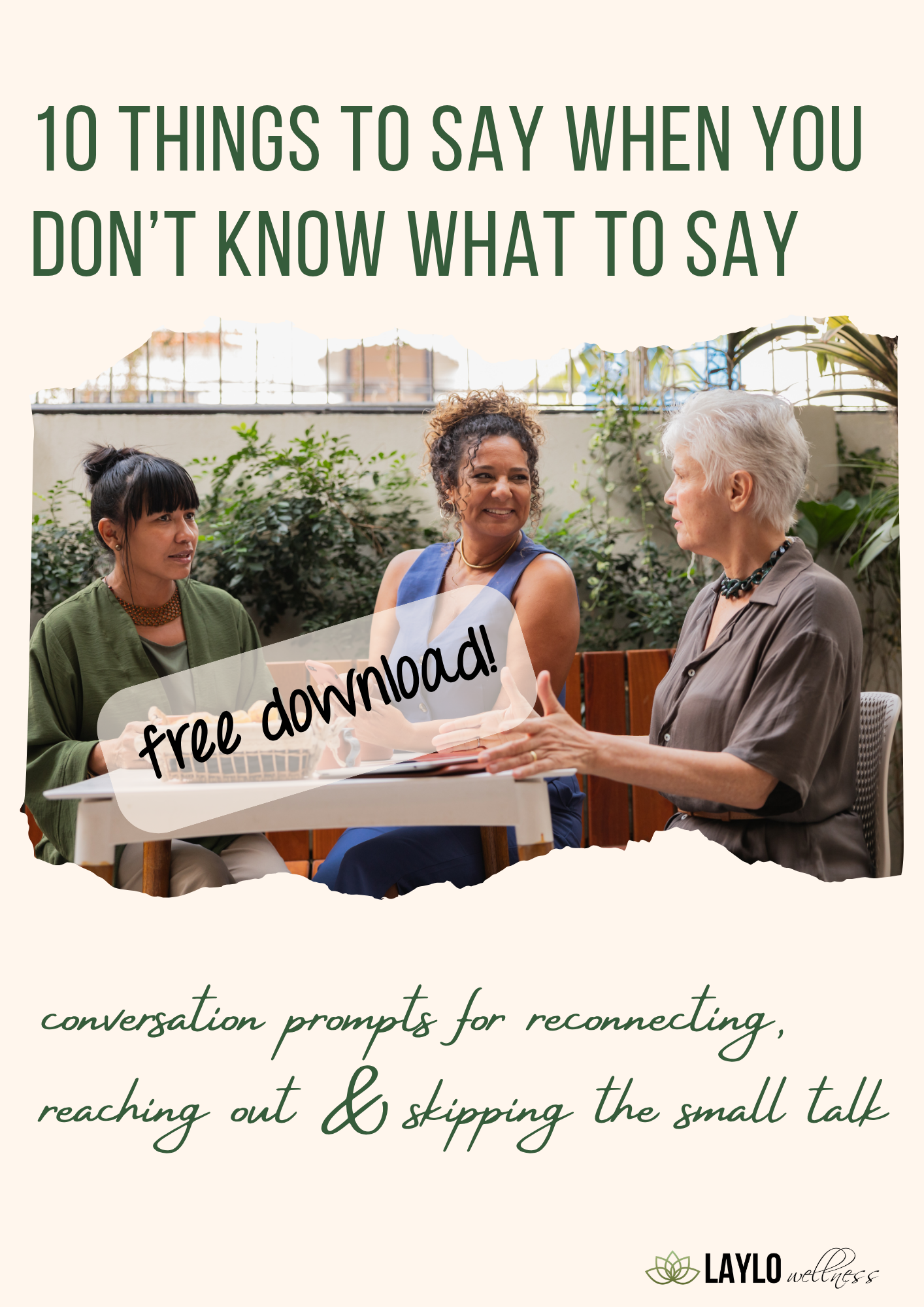
And if you’re stuck on words? “10 Things to Say When You Don’t Know What to Say” helps take the edge off.

5. The Empty Chair Trick: Meet Next-Year You

Put a chair in front of you. Sit across from it. Picture the you of next December. She’s not a fantasy version of you with six-pack abs and color-coded goals. She’s you, just a little clearer. Still sharp. Still real.

Ask her: What are you glad I dropped? What do you wish I’d faced head-on? What needs my attention now?

This might sound strange, but research shows visualizing your future self makes you more likely to follow through on the stuff that matters.

Forget About New Year, New You

The current you is pretty awesome. No reinvention required. All you really need is a bit of breathing room to think clearly and move into the next season with your brain and heart a little lighter.

Grace doesn’t always look polished. Sometimes it looks like cleaning out the emotional junk drawer, sending that awkward text, or saying no for once.

When you’re ready for something deeper, LAYLO wellness is here. Bring your contradictions, your questions, and your real self.

Warmly, Laura

You don’t have to choose between success and well-being. Step away from the chaos, reset your mind and body, and realign with what truly matters. Our wellness retreats, online courses, free resources give you the space to breathe, reflect, and design a life that feels fulfilling—without guilt, without compromise.

Be the first to know about upcoming retreats—join the info list for dates and details.

Let’s stay connected! Follow us on InstagramFacebookYouTubeLinkedIn, and Pinterest, and join the LAYLO Shala for exclusive updates and insights.

7 Winter Wellness Rituals That Actually Fit Into a Full Life

As the temperature drops and daylight shortens, so does the natural inclination to withdraw.

Cold seasons often invite us to retreat indoors and hibernate, but this can quietly chip away at both our physical fitness and sense of connection.

For many, the winter months can also amplify an already subtle ache for deeper friendships and sustained energy. This season holds a unique opportunity: to reclaim both movement and connection in ways that ground and energize.

Why Cold-Season Rituals Matter More Than Ever

Winter has a measurable effect on both body and mind. Research from the CDC notes that physical activity in adults significantly declines during colder months, and this drop is more pronounced in women over 45. What starts as skipping a walk due to cold can quickly become a pattern of decreased mobility, lower mood, and diminished connection.

At the same time, studies from the National Institute on Aging show that people with fewer meaningful social interactions face increased risks of cognitive decline, heart disease, and even shortened lifespans. Movement and social engagement are not seasonal luxuries. They are non-negotiable pillars of midlife wellness.

7 Rituals to Reclaim Energy and Connection This Winter

These winter wellness rituals are designed to be sustainable, nourishing, and genuinely effective. Choose one or two to start, and let them anchor your season.

1. The 15-Minute Morning Movement
Begin the day with gentle motion: yoga stretches, a short walk, or resistance band work. Keep it simple and consistent. This ritual awakens your body and signals the start of a day centered on care rather than urgency.

2. The Connection Walk
Bundle up and walk while leaving a voice message for someone you miss. Or schedule a walk-and-talk with a friend. Movement paired with connection builds momentum in both areas.

3. The Window Stretch Reset
In the afternoon slump, stand by a window for five minutes and move gently: neck rolls, hamstring stretches, shoulder openers. Let natural light reset your internal rhythms.

4. The Two-Way Check-In
Every week, choose two people to reach out to: one to check in on, and one to open up with. Use a prompt from 10 Things to Say When You Don’t Know What to Say if conversation feels rusty.

5. The Cozy Gathering
Plan one simple in-person event for the month: a soup swap, book circle, or tea hour. Keep the vibe low-prep and authentic. These grounded rituals lay the foundation for lasting connection.

6. The Movement Buddy Ritual
Commit to a weekly movement session with someone else—even virtually. Shared accountability makes movement more enjoyable and more likely to happen.

7. The Restorative Review
Each Sunday evening, take 10 minutes to review what felt good that week. Was it the walk? The text exchange? The stretch? Let what worked guide the week ahead.

Why These Rituals Work

Each of these seven rituals blends movement and social nourishment in small, doable ways.

Research from Brigham Young University shows that strong social ties increase survival rates by over 50%. Meanwhile, studies on behavior change confirm that pairing movement with existing routines makes it more likely to stick.

More importantly, these rituals remind you that wellness doesn’t require an overhaul. Just intention, consistency, and a willingness to show up for yourself in small ways.

Let Winter Teach You How to Reconnect

Winter invites inwardness—not isolation, but inner recalibration. It’s a season that can strengthen your inner circle and your physical body, if you let it. The key is not to fight the season, but to work with it. To create rituals that invite movement and connection in small, sustaining ways.

Start with just one change. One friend. One movement ritual. Then let it grow.

What You Can Do Today

  1. Text one person and invite them for a short walk this weekend.
  2. Try a new movement class online that feels fun and approachable.
  3. Use a prompt from 10 Things to Say When You Don’t Know What to Say to restart a paused conversation.
  4. Explore the Blueprint if your social landscape feels like it’s shifted and you’re unsure where to begin.
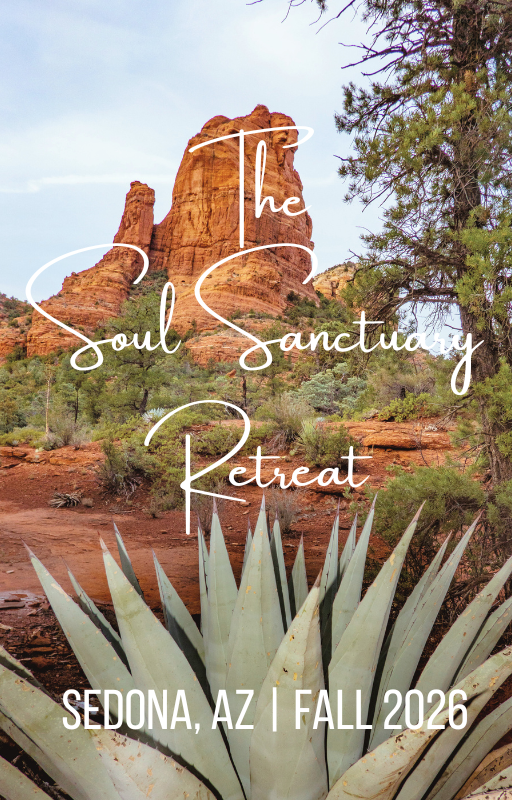
  5. Consider a Soul Sanctuary Retreat to immerse yourself in deep rest, movement, and connection without pressure.

Make This Season Work For You

You don’t have to wait for spring to feel better. Winter can be a season of clarity, connection, and strength—if you claim it. The routines you choose now can shape how you feel not just in the cold months, but long after. This isn’t about doing more. It’s about choosing what truly sustains you.

Warmly, Laura

You don’t have to choose between success and well-being. Step away from the chaos, reset your mind and body, and realign with what truly matters. Our wellness retreats, online courses, free resources give you the space to breathe, reflect, and design a life that feels fulfilling—without guilt, without compromise.

Be the first to know about upcoming retreats—join the info list for dates and details.

Let’s stay connected! Follow us on InstagramFacebookYouTubeLinkedIn, and Pinterest, and join the LAYLO Shala for exclusive updates and insights.

The Hidden Health Hack That Extends Longevity

For years, we’ve been told that the pillars of wellness are exercise, clean eating, sleep, and stress management.

While those matter, there’s a critical piece most women overlook—especially in midlife. It’s not a supplement, not a fitness app, not a detox plan. It’s friendship.

Real Connection is Non-Negotiable for Your Longevity

Not the casual wave-at-the-neighbor kind. Real, nourishing, life-expanding friendship.

Social wellness isn’t soft. It’s science-backed, measurable, and essential for everything from immune function to longevity. The data is staggering: meaningful connection increases survival rates by over 50%, lowers the risk of heart disease, strengthens cognitive health, and dramatically improves emotional regulation.

It’s not optional. It’s urgent.

The Wellness Gap No One Warned You About

Somewhere between supporting aging parents, guiding grown kids, showing up for a demanding career, and trying to keep a home running—connection faded. Not because it didn’t matter, but because it didn’t scream as loudly as everything else.

But here’s what isn’t said often enough: friendship is protective – against burnout, cognitive decline, and even the quiet drift into isolation that begins not with a crisis, but with busyness.

The Research Is Clear: Connection Extends Life

You don’t need 50 friends. But you do need a few who know the real you, witness your reality, and stay.

One comprehensive meta-analysis of 148 studies found that people with strong social ties had a 50% greater chance of survival, regardless of age or health condition. That’s the same risk reduction you’d get from quitting smoking or exercising regularly.

The Harvard Study of Adult Development—the longest study on human well-being ever conducted—identified one key determinant of long-term health and happiness: close relationships. It’s not accolades. Not income. It’s not even clean living. Relationships.

What’s Making Connection So Hard (Even for Capable Women)

If you’ve ever thought, “I know I need to connect, but I don’t have the energy,” you’re not alone—and you’re not wrong. Midlife introduces very real barriers:

1. Time Scarcity
You’re overscheduled and overcommitted. Friendship becomes another thing to manage, not something that restores you.

2. Emotional Exhaustion
You’re carrying the weight of others—parents, kids, teams—and when the day ends, you’re out of bandwidth.

3. Shifting Social Circles
People move. Kids grow. Roles change. Proximity fades, and effort feels one-sided.

4. Trust Hesitation
You’ve been hurt. Betrayed. Ghosted. Or just exhausted by friendships that take more than they give. So you opt out rather than risk more strain.

These aren’t character flaws. They’re survival strategies in a world that never taught adults how to build and maintain meaningful friendships.

Quality Connection: The Hidden Multivitamin

Let’s talk benefits. Not vague inspiration—real, measurable, physiological impact. Friendship:

Regulates Stress
Consistent, emotionally safe relationships reduce cortisol, lower inflammation, and protect cardiovascular health.

Boosts Immunity
Studies show socially connected individuals recover faster from illness and show stronger immune responses to viral exposure.

Enhances Mental Health
Consistent connection helps regulate mood, reduce anxiety, and buffer emotional burnout.

Preserves Cognitive Function
Adults with regular, stimulating social contact experience slower cognitive decline and lower risk of dementia.

Increases Lifespan
Lack of connection has the same mortality risk as smoking 15 cigarettes a day. Connection, on the other hand, supports regulated nervous systems, stabilized immunity, and longer life expectancy.

What Real Friendship Looks Like (And What It Doesn’t)

You don’t need to have a massive network. In fact, smaller circles are more impactful when built with intention. A healthy friendship includes:

  • Emotional safety: You can speak honestly and be heard.
  • Consistency: It doesn’t require daily check-ins—just ongoing investment.
  • Positive regard: You believe in each other. You don’t keep score.

What it doesn’t include: one-sided effort, emotional dumping, gossip-as-bonding, ghosting, or performative loyalty.

If Friendship Is a Skill—Here’s How to Rebuild It

No one taught us how to navigate adult friendship. But that doesn’t mean you’re stuck. These micro-strategies shift your connection landscape fast.

1. Micro-engagement matters.
Quick voice note. Funny article. Two-sentence text. Small moments build big trust.

2. Extend one invitation a week.
No pressure for perfection. Coffee. Walk. Call. Something low-lift that brings you together.

3. Use your real life.
Run errands together. Meal prep together. Go to a workout class. Friendship doesn’t require extra time—it fits into life as it is.

4. Speak up early.
Say: “I value communication. If something feels off between us, I’d rather check in than avoid it.”

5. Build a diversified circle.
No one person can be everything. Aim for variety: the growth friend, the fun friend, the grounding friend.

6. Plan shared experiences.
Retreats. Hikes. Dinner parties. Shared moments build deeper emotional memory.

Treat Friendship Like Preventive Care

Most women wait until everything feels off to realize they need more connection. But social wellness works best when you build it before you need it.

Consider this your invitation to prioritize it.

You’re allowed to want more—and to build a life that includes people who see you fully.

It’s Time To Create Something Better Now

Something that fits your life, honors your growth, and actually supports your health.

When you invest in connection, everything else stabilizes—your nervous system, your immune function, your emotional bandwidth.

It’s not too late. It never was.

Connection isn’t luck.
It’s a daily choice.
And it starts with one real moment.

Warmly, Laura

You don’t have to choose between success and well-being. Step away from the chaos, reset your mind and body, and realign with what truly matters. Our wellness retreats, online courses, free resources give you the space to breathe, reflect, and design a life that feels fulfilling—without guilt, without compromise.

Be the first to know about upcoming retreats—join the info list for dates and details.

Let’s stay connected! Follow us on InstagramFacebookYouTubeLinkedIn, and Pinterest, and join the LAYLO Shala for exclusive updates and insights.

7 Subtle Signals That Reveal Your Emotional Energy Patterns

Emotional energy shapes how we engage with the world. It’s not just about what we do, but how we feel before, during, and after those experiences.

Midlife, with its shifting priorities and layered responsibilities, invites a closer look at what drains us and what sustains us.

Let’s dive into the seven subtle but telling signs that reveal whether something is depleting your emotional reserves or building them back up.

These signs are backed by research and are designed to help you reflect—so you can begin making small, intentional shifts toward emotional sustainability. Because energy is finite, and how we spend it determines far more than we often realize.

1. Emotional Dissonance

If you consistently feel required to present a different emotion than what you’re actually experiencing, that mismatch can quietly tax your energy. This is called emotional dissonance, and it’s been linked to long-term fatigue and burnout in studies on workplace psychology. Whether at work or in relationships, this repeated suppression of your real emotional state is draining—even if you’re skilled at hiding it.

2. Drop in Post-Interaction Clarity

After certain interactions, do you feel foggy, agitated, or uncertain? That lingering mental haze is a signal. Energizing interactions tend to bring clarity or peace. Draining ones leave residue—mental clutter that slows your ability to think clearly afterward. This is especially important in conversations where expectations were unclear or emotional labor was high.

3. Subtle Avoidance Behaviors

You start rescheduling, responding slowly, or feeling tension before certain meetings or calls. These micro-avoidances are protective instincts—your body recognizing a source of drain before your mind fully names it. Over time, these small patterns can reveal which connections or obligations no longer align with your current emotional bandwidth.

4. Inconsistent Energy for Similar Tasks

You’re energized by leading a project one month, and depleted by a nearly identical one the next. This isn’t inconsistency—it’s context. Emotional capacity is dynamic. It shifts based on sleep, stress, hormones, and invisible internal loads. Recognizing that change helps you stop pathologizing your dips—and instead honor them.

5. High Need for Decompression

After certain interactions or events, you require more decompression than usual. Whether it’s extra silence, a walk, or extended rest, that need is a cue. It’s not a flaw—it’s feedback. High-quality relationships and tasks may leave you pleasantly tired but rarely require emotional repair.

6. Repeating the Same Internal Scripts

After emotionally costly experiences, do you replay what you should have said, question your role, or seek validation post-event? These mental loops are often signs of unresolved energy expenditure. They indicate situations that overrode your internal signals—or where your emotional boundaries were tested.

7. Shifting Emotional Payoff

Something that once energized you now leaves you depleted. This could be a social group, volunteer role, or even a tradition. It’s not failure; it’s change. Emotional payoffs aren’t fixed. What once fed you may not match your current values or needs. That shift deserves attention, not guilt.

What to Do With This Awareness

Once you spot these signs, the next step is subtle course correction. Keep a log of what patterns emerge. Which people, roles, or routines give more than they take? Which reverse that balance?

You don’t need to overhaul your life. Begin with boundaries. Add recovery time. Reframe how you engage with draining patterns—or step away when needed.

Friendships, in particular, require energy. But when chosen wisely, they repay it many times over. Midlife offers a chance to invest in connections that don’t just occupy your calendar—but restore your capacity.

Here are several ways to act on this awareness:

1. Create a Weekly Energy Audit

Take 10 minutes at the end of each week to jot down interactions, events, or tasks that left you feeling nourished vs. depleted. Look for patterns—not just the content of what you did, but how it felt before and after.

How to do it: Use a two-column format (Energized / Depleted). Keep it simple. Even a short list will offer insights over time.

2. Build in Recovery Windows

Recognize that after emotionally demanding activities, you may need intentional recovery. This isn’t indulgence—it’s maintenance.

How to do it: Schedule a 15-minute buffer between meetings, a walk after social events, or a quiet night after a full day. Treat it as essential, not optional.

3. Communicate Emotional Limits

It’s possible to stay connected while still expressing where your limits are.

How to do it: Say, “I’d love to connect, but I only have about 20 minutes today,” or “Can we talk tomorrow instead? I want to be more present.” These boundaries protect both your capacity and your relationships.

4. Reduce Overexposure to High-Cost Interactions

Not every connection needs to be preserved at the same intensity. You can step back without stepping out entirely.

How to do it: Shift from weekly to monthly check-ins, opt for voice notes instead of long calls, or engage in shared activities that reduce conversational demand.

5. Nourish What Replenishes

Once you identify the people and practices that restore you, make space for them proactively—not just when you’re already depleted.

How to do it: Schedule regular time with people who make you feel grounded. Protect low-stimulation activities (reading, creating, walking) that restore internal calm.

These shifts, while simple, compound over time. Awareness becomes action. Action becomes habit. And habits, when built intentionally, shape a more sustainable emotional life.

Preserve your energy. Spend it on what sustains you.

Warmly, Laura

You don’t have to choose between success and well-being. Step away from the chaos, reset your mind and body, and realign with what truly matters. Our wellness retreats, online courses, free resources give you the space to breathe, reflect, and design a life that feels fulfilling—without guilt, without compromise.

Be the first to know about upcoming retreats—join the info list for dates and details.

Let’s stay connected! Follow us on InstagramFacebookYouTubeLinkedIn, and Pinterest, and join the LAYLO Shala for exclusive updates and insights.

Why One‑Day Refresh Retreats Are the Next Big Thing in Friendship

How a One-Day Retreat Can Transform Your Friendships

Sometimes life demands both courage and grace.

When the everyday grind dulls connection, hosted, one-day retreats offers a reset—with both boldness and tenderness—that your relationships and soul genuinely need.

In this era of chronic busyness and screen fatigue, one-day refresh retreats are rapidly gaining traction. Called micro-retreats, reset getaways, or one-day immersions, these experiences are designed to deliver deep reconnection without demanding an entire weekend away. According to wellness trend analyses, micro-retreats are emerging as a sought-after response to time scarcity and digital overload. They answer a modern paradox: we want depth, but we have only hours to spare.

At the same time, the wellness retreat market is booming. The global wellness retreat market is projected to grow at a compound annual growth rate of around 10% in the next few years. And wellness tourism continues to expand, moving beyond luxury spas into accessible, meaningful experiences. Amid that growth, a shift is clear: people are seeking simpler, more human, low-tech ways to reset. That means retreats that favor authenticity over aesthetics, connection over spectacle.

Hosted one-day retreats sit squarely in that sweet spot. They carry the legitimacy (expert design, facilitation, curated space) while removing the burden from participants. You show up—no logistics, no planning stress—and are held by intention, care, and skill.

Why Micro-Retreats Matter More Now

Throughout our lives, the architecture of our social lives changes. Once we hit that midlife tipping point, though, our social lives can feel like they have been flipped upside down. Colleagues retire or move. Children become adults. The friendships once sustained by daily routines begin to fade unless tended to with care.

Research from the Survey Center on American Life shows that more than half of adults over 45 report having fewer close friendships than they did a decade ago. And the National Institute on Aging links strong social connections to a 50% increased chance of longevity, as well as reduced risks of heart disease, cognitive decline, and depression.

Conversely, the absence of meaningful friendship networks has been tied to increased cortisol levels, higher inflammation markers, and reduced immune function. In simple terms: our bodies and minds pay a steep price when connection erodes.

What Is a Hosted Micro-Retreat?

A micro-retreat is a one-day, highly intentional gathering designed to offer restoration and real connection. Think of it as a pause button on life’s noise—a dedicated space for truth-telling, reflection, laughter, and growth.

Unlike a vacation or even a traditional wellness retreat, a micro-retreat doesn’t require extensive travel, matching yoga pants, or a jam-packed schedule. What matters is the purpose behind it: to gather, reconnect, and be fully present.

Core Elements of a One-Day Retreat

What makes a hosted one-day retreat distinct:

  • Clear intention, themed around presence, truth, restoration
  • A setting that supports ease—calm studio, garden, retreat venue
  • A gentle, rhythmic agenda: check-in, reflection, movement, guided conversations, silence or rest
  • Sensory breaks (tea, food, nature, music) woven in
  • A closing ritual or integration practice

Examples of themes include:

  • The Unedited Self — a day of story-sharing and vulnerability
  • Circle Renewal — restoring bonds in your existing circle
  • Reset & Reinvent — focus on next steps, letting go, reimagining
  • Light & Play — combining rest with laughter, creativity, fun

At a one-day refresh like this, you don’t worry about the space, the flow, or the supplies. You only worry about showing up.

Micro-Retreat vs. Multi-Day Immersion: Why Both Matter

A hosted one-day retreat is a powerful dose of presence without asking too much of people’s schedules or energy. It’s a catalyst, a reawakening, a reminder that connection matters.

Multi-day retreats offer something deeper. When you step away entirely—no daily demands, no weekend calls—you give yourself space to recalibrate, to dig into inner work, to absorb new habits and rhythms. Multi-day retreats can:

  • Allow deeper disconnection from the noise of life
  • Enable you to go beyond surface levels in rest, reflection, transformation
  • Introduce new friends across days, with more time to bond
  • Help you soak in new practices (meditation, journaling, movement) until they feel familiar again
  • Offer an extended container for integration

In short: the one-day retreat gives you the spark. The multi-day retreat gives you momentum. And a one-day experience is often the bridge people need before stepping into something more immersive.

Why One Day Works

A one-day refresh is the act of courage with a soft edge. It says: “I believe I matter enough to invest a day of my time in.” And that matters.

You don’t have to be burned out or unraveling to want something more.

You just have to be honest enough to know when surface-level connection isn’t cutting it. Choosing to step into a space that’s real, thoughtful, and unscripted is more than self-care—it’s a quiet kind of defiance against the grinding pace of modern life.

It doesn’t just feel good. It helps you find you.

What People Gain

Participants often describe:

  • A sense of being seen in surprising depth
  • Release of relational fatigue
  • A reset of emotional perspective
  • Reconnection to dormant habits (journaling, quiet, intention)
  • Affirmation of who they are and what they long for
  • A tangible deepening of trust and belonging

Even one day can shift the relational soil enough for roots to deepen.

A Gateway to the Next Level

A one-day retreat is not the final destination—it’s a powerful doorway. For many women, it becomes the stepping stone into more immersive experiences, such as the Soul Sanctuary Retreat. If you long for the container a one-day refresh retreat is your ally.

When you’re ready to bring in structure or support the invitation with clear messages, resources like “10 Things to Say When You Don’t Know What to Say” help open the conversation. And if you’re ready to go deeper, “Friendship After 40: The Blueprint to Finding Your People” lays the roadmap.

Don’t wait for the perfect moment. Start with one day. One intention. One circle.

Warmly, Laura

You don’t have to choose between success and well-being. Step away from the chaos, reset your mind and body, and realign with what truly matters. Our wellness retreats, online courses, free resources give you the space to breathe, reflect, and design a life that feels fulfilling—without guilt, without compromise.

Be the first to know about upcoming retreats—join the info list for dates and details.

Let’s stay connected! Follow us on InstagramFacebookYouTubeLinkedIn, and Pinterest, and join the LAYLO Shala for exclusive updates and insights.